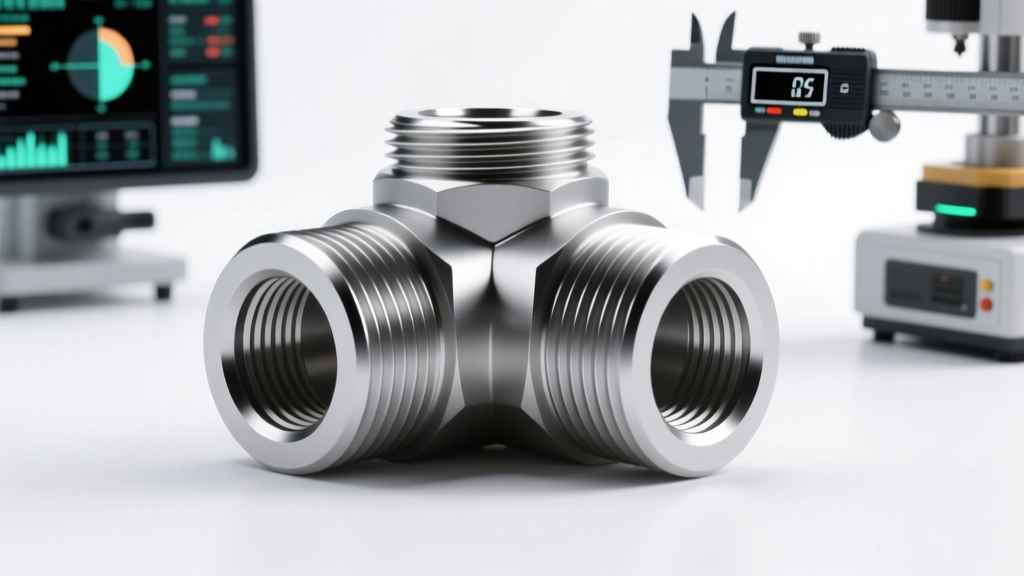
Types of Palm Kernel Expel Machines
A palm kernel expel machine, also known as a palm oil press or extraction system, is a crucial piece of equipment used in transforming palm kernels into oil. These machines vary significantly in design, capacity, and operation method to meet the needs of different production scales—from small rural setups to large industrial plants. Suppliers offer these machines in bulk, enabling businesses to select models that align with their operational goals, energy availability, and budget constraints.
Automatic Palm Kernel Oil Extraction Machine
Engineered for efficiency and consistency, this machine automates the entire oil extraction process with minimal human intervention. It integrates pressing and filtration into a single, continuous operation, ensuring real-time purification of the extracted oil. Equipped with sensors and control systems, it maintains optimal pressure and temperature for maximum yield.
Advantages
- High daily output capacity
- Consistent oil purity and quality
- Reduced labor requirements
- Suitable for 24/7 industrial operations
Limitations
- Higher initial investment
- Requires skilled technicians for maintenance
- Dependent on stable power supply
Best for: Large-scale commercial operations, industrial processing plants, export-oriented producers
Hydraulic Palm Kernel Oil Pressing Machine
This machine uses a hydraulic system to apply controlled, high-pressure force to crush palm kernels and extract oil. The slow but thorough pressing method preserves the oil’s natural properties, resulting in high-purity, premium-grade oil. It's especially valued in specialty and artisanal oil production where quality takes precedence over speed.
Advantages
- Superior oil quality and clarity
- High extraction efficiency under optimal conditions
- Minimal heat generation preserves oil nutrients
- Ideal for cold-pressing applications
Limitations
- Slower processing speed
- Batch processing limits continuous output
- Requires regular maintenance of hydraulic components
Best for: Small factories, organic producers, artisanal brands, premium oil markets
Manual Palm Kernel Oil Press Machine
A hand-operated, non-electric solution designed for simplicity and accessibility. Users manually turn a crank or lever to generate pressure, allowing full control over the extraction process. Its mechanical simplicity makes it highly reliable in off-grid or remote locations.
Advantages
- No electricity or fuel required
- Low cost and easy to repair
- Portable and compact design
- Empowers smallholder farmers and cooperatives
Limitations
- Low production capacity
- Labor-intensive operation
- Not suitable for large volumes
Best for: Rural communities, off-grid farms, educational demonstrations, micro-enterprises
Screw Palm Kernel Oil Extracting Machine
Utilizing a rotating screw (auger) mechanism, this machine continuously feeds palm kernels through a tapered barrel, progressively increasing pressure to extract oil. Known for its durability and high throughput, it is a staple in modern palm oil mills.
Advantages
- High oil yield and continuous operation
- Energy-efficient design
- Robust construction for industrial use
- Lower long-term operational costs
Limitations
- Generates heat, which may affect oil quality if not cooled
- Requires regular cleaning to prevent clogging
- Higher maintenance than hydraulic systems
Best for: Medium to large-scale industrial production, commercial oil mills, continuous processing lines
Small Palm Kernel Oil Press Machine
A compact, user-friendly press designed for limited-space environments and moderate production needs. It combines ease of installation with decent output, making it ideal for startups and small businesses. Despite its size, it delivers reliable performance with lower energy consumption.
Advantages
- Space-saving and portable
- Lower energy and operational costs
- Easy to operate and maintain
- Quick setup and mobility
Limitations
- Limited capacity for scaling up
- May require multiple units for higher output
- Less automation than industrial models
Best for: Small agro-businesses, local markets, home-based producers, pilot projects
| Machine Type | Production Scale | Oil Quality | Energy Source | Ideal Use Case |
|---|---|---|---|---|
| Automatic | Very High | High (consistent) | Electric | Industrial processing, large export operations |
| Hydraulic | Low to Medium | Very High (premium) | Manual/Electric | Artisanal, organic, cold-pressed oil production |
| Manual | Very Low | Moderate | Human Power | Rural, off-grid, smallholder farming |
| Screw (Auger) | High | High (with cooling) | Electric/Diesel | Commercial mills, continuous production |
| Small Press | Low to Medium | Good | Electric/Manual | Local businesses, startups, home use |
Expert Tip: For optimal performance and oil quality, always pre-condition palm kernels by drying and cracking them before pressing. This improves oil yield and reduces wear on the machine components, especially in screw and hydraulic systems.
Supplier Considerations for Palm Kernel Expeller Machines
When sourcing palm kernel expeller machines from manufacturers, buyers must evaluate several critical factors to ensure they select the most suitable equipment for their customers’ needs. A well-informed purchasing decision not only enhances customer satisfaction but also supports long-term operational efficiency, cost savings, and environmental sustainability. Below is a comprehensive guide to the key considerations when selecting a reliable supplier and machine.
Production Capacity
Matching Output to Operational Scale
The production capacity of a palm kernel expeller machine should align precisely with the customer’s business size and processing demands. Large-scale agro-processing plants require high-capacity machines capable of continuous operation, often processing several tons per hour. These systems are designed for industrial throughput and minimal downtime.
In contrast, small and medium enterprises (SMEs), rural cooperatives, or startup ventures benefit from compact, medium-output models that offer flexibility and lower initial investment. Buyers should assess average daily raw material volume and growth projections to recommend appropriately sized equipment.
Scalability and Future Expansion
Forward-thinking buyers should consider whether the machine allows for future scalability. Some models support modular upgrades or integration into larger production lines. Suppliers offering tiered capacity options enable customers to start small and expand as demand grows, reducing financial risk and improving return on investment.
Additionally, evaluating the machine’s duty cycle—continuous vs. intermittent operation—helps determine its suitability for long-term use under real-world conditions.
Materials and Durability
High-Quality Steel Construction
Durability is paramount in palm oil extraction machinery due to the high mechanical stress involved in pressing kernels. Key components such as the pressing cage, screw shaft, and gearbox housing should be constructed from high-tensile carbon steel or alloy steel, which offer excellent resistance to wear, deformation, and fatigue.
Stainless steel variants (e.g., SS304 or SS316) are ideal for parts exposed to moisture or corrosive residues, enhancing longevity and hygiene standards. Buyers should verify material specifications with suppliers and request certification where possible.
Wear Resistance and Maintenance Design
Given the abrasive nature of palm kernels, wear-prone components like the screw press and liner should feature hardened surfaces or replaceable wear plates. This design reduces downtime and maintenance costs over time.
Look for machines with easily accessible and modular parts that can be replaced without disassembling the entire unit. Suppliers who provide spare parts kits and wear-life estimates demonstrate confidence in their product’s durability and after-sales support.
Energy Efficiency
Reducing Operational Costs
Energy-efficient expeller machines significantly lower electricity consumption, which is a major operating expense in oil mills. Modern machines incorporate optimized gearboxes, variable frequency drives (VFDs), and energy-saving motors that adjust power usage based on load.
For example, a machine with an IE3 or IE4 efficiency-rated motor can reduce energy consumption by 15–30% compared to older models. This directly translates to cost savings for end-users, especially in regions with high electricity tariffs.
Environmental and Economic Benefits
Beyond cost reduction, energy-efficient machines contribute to a smaller carbon footprint, supporting sustainability goals and compliance with environmental regulations. This is increasingly important for customers seeking green certifications or eco-conscious branding.
Buyers should request energy consumption data (kWh per ton of material processed) from suppliers and compare across models. Machines with heat recovery systems or low-friction designs further enhance overall efficiency.
Technology and Features
Automation and Process Integration
Advanced palm kernel expellers now feature automated feeding systems, real-time pressure monitoring, and self-cleaning mechanisms that minimize manual labor and human error. Fully automatic models integrate seamlessly with pre-treatment (e.g., drying, crushing) and post-processing (e.g., filtration, settling) units for end-to-end oil production lines.
Such automation improves consistency in oil yield and cake quality while reducing labor costs—critical advantages for commercial operations aiming to maximize productivity.
Smart Controls and Remote Monitoring
Top-tier machines come equipped with digital control panels, programmable logic controllers (PLCs), and IoT-enabled sensors that allow operators to monitor temperature, pressure, torque, and output in real time. Some systems even send alerts for maintenance or blockages via mobile apps.
These smart features enable predictive maintenance, optimize extraction parameters, and provide data analytics for process improvement. Buyers should evaluate the user-friendliness of the interface and availability of technical support for troubleshooting.
| Selection Factor | Critical Importance | Supplier Evaluation Tips |
|---|---|---|
| Production Capacity | High | Match machine output (kg/h or ton/day) to customer’s average processing volume; verify scalability options. |
| Material Quality | High | Confirm use of hardened steel or stainless steel in critical components; ask for material test reports. |
| Energy Consumption | High | Compare kWh/ton ratings; prefer IE3+ motors and VFD-equipped models. |
| Automation Level | Medium to High | Assess degree of automation—manual, semi-auto, or fully automatic—based on customer labor availability. |
| After-Sales Support | Medium | Evaluate spare parts availability, warranty terms, and technician training programs. |
Important: Always request product demonstrations, customer references, and third-party performance data before finalizing a purchase. Avoid suppliers who cannot provide technical documentation or fail to offer installation and training support. Investing in a high-quality, well-supported palm kernel expeller machine ensures long-term reliability, customer satisfaction, and competitive advantage in the growing vegetable oil market.
How to DIY Palm Kernel Oil Expeller Machine Maintenance
Proper maintenance of your palm kernel oil expeller machine is essential for ensuring consistent oil quality, maximizing production efficiency, and extending the machine's operational lifespan. A well-maintained expeller not only reduces costly downtime but also prevents frequent repairs and premature component failure. Implementing a structured DIY maintenance routine empowers operators to keep the machine running at peak performance while significantly lowering long-term operational costs.
Regular Cleaning Procedures
Daily cleaning is critical to prevent oil residue and organic buildup, which can degrade oil quality and create hygiene issues. Residual kernel material left inside the machine can harden over time, leading to clogs and reduced throughput.
- Clean the expeller barrel and screw shaft thoroughly after each use to prevent material buildup
- Wipe down the oil reservoir and collection tray to avoid contamination of fresh batches
- Use a non-abrasive cloth with a mixture of warm water and mild detergent to dissolve oil deposits
- Rinse with clean water and dry completely to prevent rust and microbial growth
- Never use high-pressure water jets directly on mechanical or electrical components
Best Practice: Schedule cleaning immediately after operation while the machine is still warm—this makes residue easier to remove.
Scheduled Lubrication
Lubrication reduces friction between moving parts, minimizing heat generation and wear. Properly lubricated components operate more efficiently and consume less energy, contributing to lower operating costs.
- Focus on high-friction areas such as the screw conveyor, gearbox, and bearings
- Use food-grade or manufacturer-recommended lubricants to ensure safety and compatibility
- Lubricate every 40–50 hours of operation, or as specified in the user manual
- Check for oil leaks around seals and reapply if necessary
- Ensure lubricant doesn't contaminate the oil extraction chamber
Pro Tip: Maintain a lubrication log to track intervals and identify abnormal wear patterns early.
Inspecting and Replacing Wear Parts
Wear parts are subject to constant mechanical stress and must be monitored regularly. Failure to replace worn components can lead to decreased oil yield, poor press performance, and potential machine damage.
- Expeller screw and barrel: Inspect for scoring, warping, or excessive wear; replace if clearance exceeds manufacturer tolerances
- Seals and gaskets: Check for cracks, brittleness, or leaks—common failure points due to heat and pressure
- Belts and pulleys: Look for fraying, stretching, or misalignment that can reduce drive efficiency
- Filters and screens: Clean or replace clogged mesh to maintain proper oil flow
Key Insight: Keep a stock of common replacement parts to minimize downtime during unscheduled maintenance.
Daily Visual and Operational Inspections
Conducting routine inspections helps detect early signs of malfunction before they escalate into major failures. This proactive approach enhances machine reliability and safety.
- Examine the machine frame and housing for cracks or structural weakness
- Listen for unusual noises such as grinding, squealing, or knocking—indicative of misalignment or bearing failure
- Check for vibrations during operation, which may signal imbalance or loose components
- Monitor oil output for changes in color, consistency, or flow rate
- Verify that all bolts, nuts, and fasteners are tight and secure
Early Warning: Address minor issues immediately—small problems often compound into expensive repairs.
Operator Training and Best Practices
Well-trained operators are the first line of defense in maintaining machine health. Understanding proper operation and maintenance procedures reduces the risk of human error and accidental damage.
- Train operators on correct startup and shutdown sequences to prevent mechanical stress
- Teach recognition of abnormal sounds, smells, or performance drops
- Emphasize the importance of personal safety when performing maintenance
- Encourage documentation of daily observations in a maintenance logbook
- Provide access to the user manual and troubleshooting guide for quick reference
Expert Advice: Rotate training sessions quarterly to reinforce best practices and introduce updates.
Maintenance Schedule Overview
A structured maintenance plan ensures consistency and accountability. The following table outlines recommended intervals for key tasks:
| Maintenance Task | Frequency | Tools/Supplies Needed | Expected Outcome |
|---|---|---|---|
| General cleaning of expeller and reservoir | Daily | Mild detergent, cloth, brush | Prevents contamination and buildup |
| Lubrication of moving parts | Every 40–50 hours | Food-grade grease/oil, applicator | Reduces friction and wear |
| Inspection of belts, seals, and gaskets | Weekly | Flashlight, inspection mirror | Early detection of wear |
| Full wear part assessment and replacement | Every 3–6 months | Replacement parts, wrench set | Ensures optimal pressing efficiency |
| Operator refresher training | Quarterly | Manual, checklist, trainer | Improves safety and performance |
Professional Recommendation: Create a customized maintenance checklist based on your machine model and usage intensity. Post it near the equipment for easy access. For small-scale producers, combining daily cleaning with weekly inspections provides a solid foundation for reliability. Always follow the manufacturer’s guidelines and keep records of all maintenance activities—this not only extends machine life but also supports warranty claims and resale value.
Additional Maintenance Tips
- Storage: If the machine will be idle for more than a week, clean thoroughly and apply a light coat of protective oil to metal surfaces
- Water Exposure: Avoid moisture contact with electrical components; always disconnect power before cleaning
- Aftermarket Parts: Use only compatible, high-quality replacements to avoid performance issues
- Vibration Dampening: Ensure the machine is mounted on a stable, level surface to reduce stress on components
- Energy Efficiency: A well-maintained expeller uses less power and delivers higher oil yield per batch
Commercial Benefits of Palm Kernel Expeller Machines
Palm kernel expeller machines are essential equipment for agribusinesses involved in oil extraction. These machines offer significant advantages for commercial operations by combining high efficiency, cost-effectiveness, and consistent product quality. Understanding these benefits enables investors, processors, and entrepreneurs to make informed decisions when scaling palm oil production. This guide explores the key commercial advantages of integrating palm kernel expeller machines into your processing operation.
Important Note: While palm kernel expeller machines deliver strong returns, optimal performance depends on selecting the right model for your production scale, maintaining the equipment regularly, and sourcing quality raw materials. Always conduct a feasibility study before investment.
Large-Scale Production Capacity
Modern palm kernel expeller machines are engineered for industrial throughput, capable of processing several tons of palm kernels per day. This high-volume output makes them ideal for medium to large-scale processing plants serving food manufacturers, cosmetic brands, and biofuel producers. Continuous operation with minimal downtime ensures steady supply to meet growing market demands.
When selecting a machine, buyers should prioritize models with high extraction efficiency and robust build quality. Look for features such as automated feeding systems, adjustable pressure settings, and durable screw presses made from hardened steel to ensure long-term reliability under heavy use.
High Oil Yield and Extraction Efficiency
One of the most compelling commercial advantages is the high oil recovery rate—advanced expeller models can extract up to 95% of available oil from palm kernels. This level of efficiency significantly increases profitability by maximizing output from each batch of raw material.
The mechanical pressing process, especially in cold-press or low-heat hydraulic systems, preserves the integrity of the oil while ensuring minimal waste. Higher oil yield translates directly into lower per-unit production costs, giving businesses a competitive edge in pricing and margins.
Significant Cost Savings
Automation plays a crucial role in reducing operational expenses. Automatic palm kernel expeller machines minimize reliance on manual labor, allowing fewer workers to manage larger volumes of production. This reduces payroll costs and improves workforce allocation across other areas of the plant.
In addition to labor savings, energy-efficient models consume less electricity and require less maintenance over time. Machines with optimized motor designs and heat recovery systems further reduce utility costs, contributing to a faster return on investment (ROI) and improved long-term sustainability.
Superior Oil Quality and Purity
Commercial-grade expeller machines are typically equipped with integrated filtration systems that remove solids and impurities during or immediately after extraction. This results in cleaner, clearer oil that meets industry standards for use in food, cosmetics, and pharmaceuticals.
Hydraulic and cold-press expellers generate minimal heat during operation, which helps preserve essential nutrients, natural color, and aroma of the palm kernel oil. The absence of chemical solvents (as used in solvent extraction methods) ensures a safer, more natural product—highly valued in organic and premium markets.
Mechanical Simplicity and Operational Reliability
Most palm kernel expeller machines feature a straightforward mechanical design centered around a screw press or hydraulic piston system. This simplicity enhances ease of operation, even for semi-skilled personnel, and reduces the likelihood of complex breakdowns.
Maintenance is generally manageable with routine lubrication, wear part inspections, and cleaning protocols. Replacement components are widely available, minimizing downtime. For businesses in remote or rural areas, this reliability ensures consistent production with limited access to specialized technicians.
Strong Market Demand for Palm Kernel Oil
Palm kernel oil is a versatile commodity with expanding applications across multiple high-growth industries. It is widely used in the manufacturing of soaps, detergents, shampoos, and lotions due to its excellent lathering and moisturizing properties. In the food industry, it serves as a stable cooking oil and ingredient in confectionery and baked goods.
Additionally, palm kernel oil is gaining traction as a renewable feedstock for biodiesel and bio-lubricants, aligning with global sustainability goals. As demand continues to rise—particularly in Asia, Africa, and Latin America—the need for efficient processing equipment like palm kernel expeller machines is also increasing. Investing in this technology positions businesses to capitalize on both current and future market opportunities.
| Benefit | Commercial Impact | Best Suited For | Key Consideration |
|---|---|---|---|
| Large-Scale Production | High daily output supports bulk supply contracts | Industrial processors, export-oriented businesses | Requires adequate raw material supply chain |
| High Oil Yield | Maximizes revenue per ton of input | All commercial operations | Machine calibration affects actual yield |
| Cost Savings | Reduces labor and energy expenses | Labor-intensive regions, energy-cost-sensitive areas | Higher upfront cost for automated models |
| Oil Quality & Purity | Enables premium pricing in specialty markets | Organic, cosmetic, and food-grade producers | Requires proper filtration and storage |
| Mechanical Simplicity | Minimizes downtime and repair costs | Rural mills, startups, small enterprises | Regular maintenance still essential |
| Market Demand Growth | Future-proof investment with scalable returns | Long-term investors and agribusinesses | Subject to regulatory and environmental policies |
Expert Tip: To maximize profitability, consider using the leftover cake (expeller residue) as animal feed or biomass fuel. This adds value to the byproduct stream and improves overall resource utilization, enhancing the sustainability and economics of your operation.
Additional Strategic Recommendations
- Choose expeller machines with modular designs for future scalability
- Partner with agricultural cooperatives to secure consistent kernel supply
- Obtain certifications (e.g., ISO, HACCP) to access premium markets
- Invest in staff training to maintain optimal machine performance
- Monitor global palm oil trends and adjust production accordingly
By leveraging the commercial benefits of palm kernel expeller machines, businesses can build a resilient and profitable operation in the growing vegetable oil sector. With rising global demand and increasing emphasis on natural, renewable resources, these machines represent a smart, forward-looking investment for agribusinesses aiming to scale sustainably and competitively.
Frequently Asked Questions About Hydraulic Palm Kernel Oil Machines
Q1: What is the main function of hydraulic palm kernel oil machines?Hydraulic palm kernel oil machines are designed to extract high-quality oil from palm kernels through a controlled pressing process. Using hydraulic pressure, these machines compress the kernels to separate the oil from the solid residue (cake or meal). This method ensures efficient extraction while preserving the oil's natural properties, making it suitable for food, cosmetic, and industrial applications. Compared to mechanical screw presses, hydraulic systems offer higher oil yield per batch and better control over pressure and temperature, which helps maintain the oil’s purity and nutritional value.
Q2: What are palm kernel oil press machine parts made of?Palm kernel oil press machines are constructed using high-grade, industrial-strength materials to withstand continuous operation under high pressure and temperature. Key components include:
- Expeller and Screw Rod: Made from hardened alloy steel or stainless steel for durability, heat resistance, and resistance to corrosion.
- Press Cage: Typically forged from carbon steel or reinforced alloy to endure intense compression forces during oil extraction.
- Hydraulic Cylinder and Piston: Precision-engineered from durable steel with protective coatings to prevent wear and oil leakage.
- Frame and Housing: Built from heavy-duty steel to ensure stability and longevity.
These materials are chosen not only for their strength but also to minimize contamination, ensuring the extracted oil meets food-grade safety standards. Regular maintenance and proper cleaning further enhance hygiene and performance.
Q3: Where do businesses use palm kernel oil?Palm kernel oil is a highly versatile commodity used across multiple industries due to its unique chemical composition and physical properties. Major applications include:
- Food Industry: Widely used in confectionery, baking, and snack production due to its stability at high temperatures and long shelf life. It’s a key ingredient in margarine, chocolate coatings, and instant noodles.
- Cosmetics and Personal Care: Found in soaps, lotions, shampoos, and moisturizers because of its emollient properties and ability to create rich lather.
- Biofuel Production: Used as a renewable feedstock for biodiesel, offering a sustainable alternative to fossil fuels.
- Industrial Applications: Utilized in lubricants, detergents, and surfactants due to its high lauric acid content.
Its global demand continues to grow, especially in emerging markets, where it serves as a cost-effective and efficient raw material across manufacturing sectors.
Q4: What are some common wear parts for palm kernel machines?Like all heavy-duty machinery, palm kernel oil presses have components that experience regular wear and require periodic replacement to maintain efficiency and prevent breakdowns. The most common wear parts include:
- Seals and Gaskets: Prevent hydraulic fluid leaks and maintain system pressure; degrade over time due to heat and pressure.
- Expeller and Screw Rod: Subject to constant friction and compression; may erode or deform after extended use.
- Press Plates and Cages: Can develop cracks or warping from repeated stress and high temperatures.
- Bearings and Couplings: Wear down due to rotational forces and require lubrication and timely replacement.
Regular inspection and scheduled maintenance can extend the lifespan of these parts. Keeping a stock of common replacements ensures minimal downtime and consistent oil production.
Q5: What is the operation of hydraulic palm kernel machines like?Hydraulic palm kernel oil machines operate on a batch-processing system that applies slow, steady pressure to extract oil. This controlled process offers several advantages:
- High Oil Quality: The gradual pressing minimizes overheating, preserving the oil’s color, aroma, and nutritional content.
- Higher Yield: Hydraulic systems often achieve better oil recovery compared to mechanical methods, especially with high-moisture or soft kernels.
- Energy Efficiency: While slower than screw presses, they consume less power per unit of oil produced in small to medium-scale operations.
In contrast, screw-type oil presses operate continuously and are faster, making them ideal for high-volume production. However, they generate more heat and may require cooling systems to maintain oil quality. Additionally, screw presses typically have lower initial costs but higher long-term maintenance due to increased mechanical wear.
| Feature | Hydraulic Press | Screw Press |
|---|---|---|
| Operation Type | Batch processing | Continuous processing |
| Speed | Slower, controlled extraction | Faster, high throughput |
| Oil Quality | Higher (less heat, less oxidation) | Moderate (higher heat generation) |
| Maintenance Needs | Lower mechanical wear | Higher wear on screws and barrels |
| Best For | Small to medium-scale, quality-focused operations | Large-scale, high-output facilities |
Choosing between hydraulic and screw presses depends on production goals, budget, and desired oil quality. For artisanal or premium oil production, hydraulic systems are often preferred.