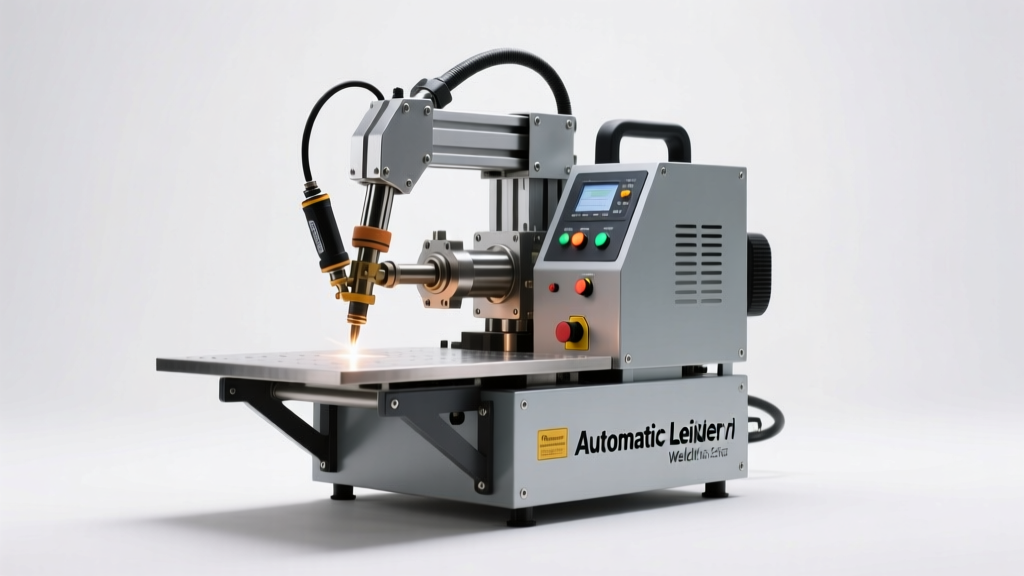
Types of Metal Ferrule Crimpers
A metal ferrule crimper is an essential tool used to securely fasten metal ferrules (also known as sleeves or terminals) onto wires, cables, or hydraulic hoses. This crimping process ensures a strong, reliable electrical or mechanical connection that resists vibration, loosening, and environmental wear. Choosing the right type of crimper is crucial for achieving optimal performance, durability, and efficiency in various industrial, automotive, and manufacturing applications.
Manual Crimpers
Hand-operated tools requiring physical force to compress the ferrule onto the wire or cable. Ideal for low-volume jobs, field repairs, and environments where power sources are unavailable.
Advantages
- Highly portable and lightweight
- No power or external systems required
- Affordable initial investment
- Easy to maintain and operate
Limitations
- Limited crimping force for thick cables
- Fatigue-prone during prolonged use
- Less consistent crimps compared to powered tools
- Slower for high-volume production
Best for: Electricians, technicians, DIY projects, small workshops, and on-site repairs
Hydraulic Crimpers
Powered tools that use hydraulic pressure to deliver high-force, uniform crimps. Designed for heavy-duty applications involving large-diameter cables and industrial-grade connectors.
Advantages
- Exceptional crimping force and consistency
- Suitable for large ferrules and high-gauge wires
- Produces professional-grade, reliable connections
- Used in critical infrastructure and power systems
Limitations
- Bulkier and heavier than manual tools
- Requires hydraulic fluid and regular maintenance
- Needs a power source or manual pump
- Higher initial and maintenance cost
Best for: Industrial installations, power transmission, heavy machinery, and utility work
Battery-Operated Crimpers
Electric-powered crimpers with rechargeable batteries that deliver hydraulic-level performance with enhanced portability. These tools combine power and convenience for mobile and remote applications.
Advantages
- High power without needing a hydraulic system
- Excellent portability and ease of use
- Fast crimping cycles with consistent results
- Ideal for hard-to-reach locations and outdoor work
Limitations
- Battery life limits continuous operation
- Higher cost than manual tools
- Requires charging infrastructure
- May not match the force of industrial hydraulic units
Best for: Field technicians, telecommunications, solar installations, and construction sites
Rotary Crimpers
Automated machines that use rotating dies to apply uniform pressure around the ferrule. Commonly integrated into production lines for high-speed, repetitive crimping tasks.
Advantages
- Extremely fast and efficient
- High repeatability and precision
- Reduces labor costs in mass production
- Minimal operator fatigue
Limitations
- High initial investment and setup cost
- Limited flexibility for different ferrule sizes
- Requires skilled operators and maintenance
- Not suitable for small or custom jobs
Best for: Manufacturing plants, automotive assembly, and electronics production
Bowl Feed Crimpers
Advanced automated systems featuring a vibratory bowl feeder that automatically loads ferrules into the crimping station. These are designed for continuous, high-volume production with minimal human intervention.
Advantages
- Maximum production efficiency
- Automated feeding reduces errors
- Consistent quality across thousands of units
- Significantly reduces labor requirements
Limitations
- Very high initial cost and space requirements
- Complex setup and programming needed
- Only cost-effective for large-scale operations
- Limited adaptability to product changes
Best for: High-volume manufacturing, OEM production lines, and standardized cable assembly
| Type | Power Source | Production Capacity | Portability | Best Application |
|---|---|---|---|---|
| Manual Crimpers | Human effort | Low | Excellent | Field repairs, small jobs, DIY |
| Hydraulic Crimpers | Hydraulic system | Medium to High | Fair | Industrial, heavy cables, power systems |
| Battery-Operated | Rechargeable battery | Medium | Very Good | Remote sites, telecom, solar |
| Rotary Crimpers | Electric motor | High | Poor (stationary) | Automated production lines |
| Bowl Feed Crimpers | Electric with automation | Very High | None (fixed installation) | Mass production, factory assembly |
Expert Tip: Always match the crimper die size precisely to the ferrule and wire gauge to ensure a secure, gas-tight connection. Using incorrect dies can lead to poor conductivity, overheating, or mechanical failure.
Specifications and Maintenance of Metal Ferrule Crimper
A metal ferrule crimper is an essential tool in electrical, automotive, and industrial applications, used to securely attach ferrules (metal sleeves) to the ends of wires. Proper crimping ensures reliable electrical connections, prevents wire fraying, and enhances safety. Understanding the key specifications helps users select the right tool for their needs, while regular maintenance extends tool life and ensures consistent crimp quality.
Key Specifications of Metal Ferrule Crimpers
Selecting the appropriate crimper depends on several critical factors that influence performance, compatibility, and durability. Below are the most important specifications to consider when choosing a metal ferrule crimper.
Die Sets
The die set is the core component responsible for shaping the ferrule around the wire during crimping. Different die configurations produce various crimp profiles—such as round, hexagonal, or rectangular—each suited to specific types of ferrules and applications.
High-quality crimpers often come with interchangeable die sets, allowing users to work with multiple wire gauges and ferrule sizes. It’s crucial to match the die to the ferrule type (e.g., insulated or non-insulated) and wire diameter to ensure a secure, gas-tight connection that resists vibration and thermal cycling.
Crimping Capacity
Crimping capacity refers to the range of wire gauges (AWG or mm²) and ferrule sizes a tool can effectively crimp. This includes both the minimum and maximum wire cross-sectional areas supported by the crimper.
For example, some hand tools handle 0.5–6 mm², while industrial models may support up to 50 mm² or more. Additionally, different metals—such as copper, aluminum, or tinned copper—require specific crimping pressures and die geometries. Always verify that your crimper is rated for the materials and sizes you commonly use to avoid under-crimping or damaging components.
Jaw Design and Crimping Mechanism
The jaw design directly affects crimp consistency, force distribution, and ease of use. Well-engineered jaws apply even pressure across the entire ferrule, minimizing deformation and ensuring full contact between the wire and sleeve.
Common designs include ratcheting mechanisms that prevent release until a complete crimp cycle is finished, ensuring uniform results every time. Adjustable jaws allow fine-tuning for different ferrule types, while fixed dies offer faster operation in high-volume settings. Ergonomic handles and compound leverage systems reduce hand fatigue during prolonged use.
Compliance and Industry Standards
Professional-grade crimpers should comply with recognized international standards to ensure safety, reliability, and interoperability. Common certifications include ISO 9001 (quality management), UL (Underwriters Laboratories), and DIN/EN 60994 standards for electrical connections.
In regulated industries such as aerospace, automotive, or energy, using non-compliant tools can lead to failed inspections or system failures. Look for crimpers that meet or exceed these standards, especially when working on mission-critical wiring systems where connection integrity is paramount.
| Specification | Importance | Selection Tips |
|---|---|---|
| Die Type & Interchangeability | High | Choose crimpers with quick-change dies if working with multiple ferrule types; ensure correct die geometry for your application (e.g., indent vs. compression). |
| Wire Gauge Range | High | Select a crimper that covers your most frequently used wire sizes. Overcapacity models offer future flexibility. |
| Crimping Force Mechanism | High | Ratcheting or hydraulic systems ensure consistent crimps; manual models with compound leverage reduce effort. |
| Material Compatibility | Medium-High | Verify compatibility with copper, aluminum, or bi-metallic ferrules. Some tools require different dies for different materials. |
| Standards Compliance | Medium | Essential for professional and industrial use; check for UL, DIN, or manufacturer-specific certification. |
Maintenance Tips for Metal Ferrule Crimpers
Proper care and maintenance of your crimper not only extend its service life but also ensure consistent crimp quality, reduce the risk of equipment failure, and enhance workplace safety. Follow these best practices to keep your tool in optimal condition.
Important: Never use a damaged or poorly maintained crimper on critical electrical systems. Substandard crimps can lead to loose connections, overheating, arcing, or fire hazards. Always follow the manufacturer’s maintenance schedule and use only approved replacement parts. Investing time in tool care pays off in reliability, safety, and long-term cost savings.
Applications of Metal Ferrule Crimpers Across Industries
Metal ferrule crimpers play a vital role in creating secure, durable, and reliable electrical connections across a wide range of industries. By compressing metal ferrules onto the ends of multi-strand wires, these tools prevent fraying, improve conductivity, and ensure stable terminations—especially in environments subject to vibration, temperature fluctuations, or high electrical loads. Below is a detailed overview of how ferrule crimpers are utilized in key industrial and technical applications.
Electrical Installations
Ferrule crimpers are essential in both residential and industrial electrical installations where precision and safety are paramount. They are commonly used when connecting stranded wires to terminal blocks, relays, circuit breakers, or control systems.
- Insulated ferrules are crimped to protect wire ends from fraying and short circuits in crowded enclosures
- Crimped connections offer superior mechanical strength compared to soldered joints, especially under thermal cycling
- Facilitates neat, professional wiring layouts in control panels and distribution boards
- Reduces maintenance needs and minimizes the risk of loose connections over time
Best practice: Use color-coded insulated ferrules for easier identification and improved serviceability.
Automotive Industry
In automotive manufacturing and repair, consistent and vibration-resistant electrical connections are critical. Metal ferrule crimpers help ensure that wiring systems remain intact despite constant movement, temperature extremes, and exposure to moisture.
- Used in engine compartments, lighting systems, sensors, and onboard electronics
- Prevents wire strand breakage due to road vibrations and mechanical stress
- Automated crimping stations in production lines maintain uniform quality at high volumes
- Supports compliance with ISO/TS 16949 and other automotive quality standards
Pro tip: Pair crimpers with torque-controlled ratcheting mechanisms for repeatable, defect-free connections.
Machine Manufacturing
In machinery and industrial equipment production, cable integrity directly impacts performance and uptime. Ferrule crimpers are widely used in assembling control cabinets, motor drives, and automation systems.
- Ensures reliable termination of wires in PLCs, HMI interfaces, and power distribution units
- Customizable dies accommodate various ferrule sizes (from 0.5 mm² to 16 mm² and beyond)
- Enables quick assembly and disassembly during commissioning or troubleshooting
- Supports modular design approaches with standardized wiring practices
Key advantage: Reduces downtime by minimizing connection failures in harsh industrial environments.
Telecommunications
The telecom sector relies on high signal integrity and long-term durability in its cabling infrastructure. Metal ferrule crimpers help maintain consistent electrical contact in data transmission systems.
- Used in telephone exchanges, network patch panels, and fiber optic termination boxes
- Improves contact stability in copper-based data lines (e.g., Cat5e/Cat6) and grounding systems
- Minimizes signal loss and electromagnetic interference (EMI) caused by poor terminations
- Dedicated crimping tools allow technicians to process large volumes efficiently
Critical note: Proper crimping prevents intermittent faults that can degrade network performance.
Aerospace Applications
In aerospace engineering, where safety and reliability are non-negotiable, every electrical connection must meet rigorous standards. Ferrule crimping is a certified process in avionics and onboard systems.
- Connections must withstand extreme temperatures, pressure changes, and intense vibrations
- Crimping tools are regularly calibrated and tested to meet AS9100 and MIL-STD specifications
- Ferrules are often made from tinned copper or corrosion-resistant alloys for longevity
- Each crimp is inspected using microscopes or pull-test equipment to verify integrity
Quality focus: Traceability and documentation are required for every crimped connection in flight-critical systems.
Low-Voltage & Renewable Energy Systems
Solar power installations, battery banks, and low-voltage DC systems depend on efficient electrical connections. Poor terminations can lead to energy loss, overheating, or system failure.
- Ferrules ensure solid contact between solar panel wires and MC4 connectors or charge controllers
- Prevents oxidation and loosening in outdoor environments exposed to humidity and temperature swings
- Enhances current flow and reduces resistance in multi-strand PV cables
- Supports compliance with NEC Article 690 and IEC 62548 standards for photovoltaic systems
Safety reminder: A properly crimped ferrule reduces fire risk in high-current solar circuits.
Professional Insight: Always match the ferrule size and type (insulated, non-insulated, dual-wall) to the wire gauge and application. Using the correct die in your crimper ensures a gas-tight, cold-weld connection that resists corrosion and mechanical failure. For mission-critical applications, invest in ratcheting or hydraulic crimping tools that guarantee consistent pressure and prevent under- or over-crimping.
| Industry | Common Ferrule Type | Typical Wire Gauge Range | Crimping Tool Recommendation |
|---|---|---|---|
| Electrical Panels | Insulated (plastic sleeve) | 0.75 – 6 mm² | Ratcheting hand crimper with interchangeable dies |
| Automotive | Tinned copper, non-insulated | 0.5 – 4 mm² | Precision inline crimper or automated bench unit |
| Machine Building | Insulated or flag-type | 0.75 – 16 mm² | Heavy-duty hydraulic crimper with modular dies |
| Telecom & Data | Non-insulated or heat-shrink | 0.5 – 2.5 mm² | Micro crimper with fine-tipped jaws |
| Aerospace | Stainless steel or tinned copper | 0.35 – 6 mm² | Calibrated precision tool with certification traceability |
| Solar & Low-Voltage | Insulated or dual-wall | 2.5 – 10 mm² | Heavy-duty ratcheting crimper with insulation crimp zone |
Additional Considerations for Optimal Crimping
- Tool Maintenance: Regular cleaning and calibration of crimping tools ensure long-term accuracy and performance
- Die Compatibility: Always verify that the die matches the ferrule diameter and wire size to avoid cold joints
- Training: Technicians should be trained in proper crimping techniques to avoid common errors like partial crimps or damaged conductors
- Standards Compliance: Follow IEC 61238-1, UL 486A/B, or equivalent standards for crimped connections
- Inspection: Use magnification and pull-testing where necessary to validate crimp quality in critical applications
How to Choose the Right Metal Ferrule Crimper: A Complete Buyer’s Guide
Selecting the appropriate metal ferrule crimper is essential for achieving reliable, durable, and electrically sound connections in wiring applications. Whether you're working in industrial automation, electrical panel assembly, automotive systems, or building infrastructure, the right crimper ensures consistent performance, safety, and long-term reliability. This comprehensive guide walks you through the key factors to consider when choosing a metal ferrule crimper, helping you make an informed decision based on your specific needs and operational demands.
Safety & Quality Warning: Using an incorrect or poorly maintained crimper can result in loose connections, electrical arcing, overheating, and potential fire hazards. Always ensure compatibility between ferrule size, wire gauge, and tool specifications to maintain safety and compliance with electrical standards.
Step 1: Identify Your Crimping Requirements
Before selecting a crimper, clearly define your application needs. Consider the following:
- Wire gauge range: Determine the American Wire Gauge (AWG) or cross-sectional area (mm²) of wires you'll be working with (e.g., 0.5 mm² to 6 mm²).
- Ferrule types and sizes: Identify whether you're using insulated or non-insulated ferrules, and their diameter and barrel length (e.g., 1.5 mm, 2.5 mm).
- Material compatibility: Most ferrules are made from tin-plated copper, but some may require crimping of brass or aluminum—ensure the crimper supports these materials.
- Production volume: Assess how frequently crimping is performed—occasional use vs. high-volume production impacts tool choice.
Understanding these parameters helps narrow down compatible tools and prevents mismatched crimps that compromise connection integrity.
Step 2: Choose the Right Crimper Type
The power source and mechanism of the crimper significantly affect efficiency, precision, and suitability for your environment:
- Manual Crimpers:
Ideal for low-volume, field, or maintenance work. They are portable, cost-effective, and require no external power. Best suited for occasional use where precision and repeatability are managed through operator skill.
- Hydraulic Crimpers:
Offer higher force output and consistent crimp quality for medium to heavy-duty applications. Suitable for industrial settings where large ferrules or frequent crimping is required. Often used with interchangeable dies.
- Battery-Powered (Cordless) Crimpers:
Combine portability with consistent crimping force. These tools are excellent for electricians and technicians working in remote or elevated locations. Many models include built-in die detection and crimp counters for quality control.
- Automatic Bowl Feed Crimpers:
Designed for high-volume production lines. These machines automatically feed ferrules, position wires, and execute crimps with minimal operator input, drastically improving speed and consistency. Ideal for manufacturing environments requiring thousands of crimps per day.
Step 3: Assess Die Quality and Flexibility
The die set is critical to achieving a proper crimp profile. Poorly made dies can damage ferrules or create inconsistent compression, leading to unreliable connections.
- Look for crimpers with hardened steel or tool-grade alloy dies that resist wear and deformation over time.
- Choose models with interchangeable or adjustable dies if you work with multiple ferrule sizes—this eliminates the need for multiple tools.
- Verify that the crimper produces a hexagonal or indent crimp as recommended by ferrule manufacturers for optimal conductivity and pull-out resistance.
- Ensure die compatibility with industry-standard ferrule brands (e.g., Phoenix Contact, Weidmüller, ABB).
Step 4: Evaluate Ergonomics and Safety Features
Especially important for manual and cordless tools used over extended periods:
- Ergonomic grips: Reduce hand fatigue and improve control during repetitive tasks.
- Handle length and leverage: Longer handles reduce the force needed to complete a crimp, enhancing user comfort.
- Locking mechanisms: Prevent accidental closure during storage or transport.
- Safety compliance: Look for tools that meet relevant safety standards such as CE, UL, or IEC 62353 (for crimping tools in electrical installations).
- Two-hand operation or safety triggers: Required on automated or high-force tools to prevent accidental activation.
Implementing proper training and safety protocols ensures long-term operator well-being and consistent crimp quality.
Step 5: Consider Budget and Total Cost of Ownership
While initial price is important, consider long-term value:
- Upfront cost: Manual tools are typically cheaper; automatic systems represent a significant investment.
- Maintenance and repair: Hydraulic seals, battery replacements, and worn dies add to lifecycle costs.
- Durability: Higher-quality tools may cost more initially but offer longer service life and fewer downtimes.
- Warranty and support: Reputable brands often provide better service networks and spare parts availability.
In many cases, investing in a robust, professional-grade crimper pays off through improved efficiency, reduced rework, and enhanced safety.
Step 6: Research User Feedback and Brand Reputation
Real-world experiences often reveal insights beyond technical specifications:
- Consult reviews from electricians, panel builders, and industrial technicians who use the tools daily.
- Prioritize brands known for reliability, such as Klauke, Panduit, Ideal, Greenlee, WAGO, or Fluke.
- Check for availability of customer support, training resources, and replacement parts.
- Attend trade shows or request product demos to test tools firsthand before purchasing.
| Crimper Type | Best For | Pros | Cons |
|---|---|---|---|
| Manual | Low-volume, field service, maintenance | Affordable, portable, no power needed | Operator fatigue, lower consistency at scale |
| Hydraulic | Medium to heavy-duty industrial use | High force, consistent crimps, durable | Bulkier, requires maintenance, higher cost |
| Battery-Powered | Mobile professionals, elevated work | Portable, consistent force, smart features | Battery life, higher initial cost |
| Automatic (Bowl Feed) | High-volume manufacturing | Fast, precise, reduces labor costs | Expensive, requires setup, large footprint |
Expert Tip: Always perform a test crimp on scrap wire and inspect the result using a magnifier or pull tester. A proper crimp should fully compress the ferrule without cracking it, with no visible gaps between wire strands and the barrel. The wire should withstand rated tensile force without slipping.
Additional Recommendations
- Keep a log of tool usage and maintenance schedules to extend lifespan.
- Store crimpers in a dry, clean environment to prevent corrosion and die contamination.
- Use only manufacturer-recommended dies and accessories to maintain warranty and performance.
- Train all users on proper crimping techniques and safety procedures.
- Regularly calibrate powered crimpers according to manufacturer guidelines to ensure consistent force delivery.
Choosing the right metal ferrule crimper is not just about the tool—it's about ensuring the integrity of every electrical connection. By carefully evaluating your requirements, tool type, die quality, ergonomics, and total cost of ownership, you can select a crimper that delivers precision, safety, and long-term value. When in doubt, consult with technical suppliers or industry experts to match the best tool to your application.
Frequently Asked Questions About Crimper Tools and Techniques
Q1: How does one create a secure crimp with a metal ferrule crimper?Creating a secure crimp is essential for ensuring a strong, durable, and electrically sound connection. To achieve this, follow these detailed steps:
- Select the Correct Die: Always use the die that matches the size and type of the ferrule. Using an incorrect die can result in an incomplete or uneven crimp, compromising the connection’s integrity.
- Clean Components: Ensure both the crimper die and the ferrule are free from dirt, grease, or debris. Contaminants can interfere with the compression process and weaken the bond.
- Proper Wire Insertion: Fully insert the stripped wire into the ferrule so that no bare strands extend beyond the sleeve. The wire should sit flush within the ferrule to prevent fraying during crimping.
- Apply Full Compression: Position the ferrule in the appropriate die slot and squeeze the crimper handles completely. Most quality tools have a ratcheting mechanism that ensures full closure, preventing partial crimps.
- Use Even Pressure: Apply smooth, consistent force to avoid weak spots or deformation. Jerky or uneven pressure may lead to inconsistent compression and reduced mechanical strength.
A well-executed crimp should be uniform, with no gaps or cracks, and the ferrule should tightly grip the wire without damaging the conductor. Inspect each crimp visually and, if possible, test for pull strength to verify reliability.
Q2: What must be done for crimpers to work securely for a long time?To maintain optimal performance and extend the lifespan of your crimper, regular maintenance is crucial. Here’s a comprehensive care routine:
- Lubricate Moving Parts: Apply light machine oil to hinges, pivot points, and ratcheting mechanisms periodically to reduce friction and prevent wear.
- Clean Dies Regularly: Remove metal shavings, dust, and residue from the dies using a soft brush or cloth. Buildup can affect crimp accuracy and damage ferrules.
- Inspect for Wear and Damage: Check for chipped, cracked, or misshapen dies, as well as loose screws or worn springs. Replace damaged components immediately to avoid unsafe or ineffective crimps.
- Store Properly: Keep the tool in a dry, clean environment—preferably in a protective case—to prevent rust, corrosion, and accidental damage.
- Replace Worn Parts: Many high-quality crimpers have replaceable dies and springs. Timely replacement ensures continued precision and safety.
Proper tool care not only enhances longevity but also ensures consistent crimp quality, reducing the risk of electrical failures or safety hazards in critical applications.
Q3: How can one tell if a crimper is of good quality?Investing in a high-quality crimper ensures reliability, precision, and safety. Look for these key indicators of superior craftsmanship:
- Durable Materials: Premium crimpers are typically made from hardened steel or high-grade alloys that resist deformation and wear over time, even under heavy use.
- Precision Engineering: High-quality tools offer smooth, consistent operation with minimal effort. Ratcheting mechanisms should lock securely and release only after a complete crimp cycle.
- Ergonomic Design: Comfortable, non-slip handles reduce hand fatigue and improve control, especially during prolonged use.
- Safety Features: Look for tools with built-in release mechanisms, finger guards, and secure locking systems to prevent accidental operation.
- Reputable Brand and Support: Trusted manufacturers often provide warranties, customer support, and access to replacement parts. Positive user reviews and industry recommendations are strong indicators of reliability.
While higher-quality tools may have a greater upfront cost, their durability, performance, and safety benefits make them a cost-effective choice in the long run.
Q4: How does the selection between manual and hydraulic crimper occur?The choice between manual and hydraulic crimpers depends on the application requirements, frequency of use, and the size of the ferrules involved. Here's a breakdown to guide your decision:
| Factor | Manual Crimper | Hydraulic Crimper |
|---|---|---|
| Force Output | Moderate—suitable for small to medium ferrules (e.g., 16–6 AWG). | High—capable of crimping large, heavy-duty ferrules (e.g., 4/0 AWG and above). |
| Workload | Ideal for light to moderate use, such as residential wiring or automotive repairs. | Better for industrial, commercial, or high-volume applications requiring consistent, powerful crimps. |
| Portability | Lightweight and portable; no external power needed. | May require a pump or battery; heavier but still manageable in mobile setups. |
| User Effort | Requires physical effort, which can lead to fatigue during extended use. | Minimal effort due to hydraulic assistance; ideal for repetitive tasks. |
| Cost | Generally more affordable and accessible for DIYers and technicians. | Higher initial investment, but justified by performance and durability in professional settings. |
For most general-purpose electrical work, a manual crimper is sufficient. However, for heavy-duty cables, busbars, or frequent use in industrial environments, a hydraulic crimper offers superior efficiency and consistency.
Q5: What is the role of the crimper die set in the tool?The die set is a critical component of any crimper, directly determining the shape, strength, and reliability of the crimp. Its primary functions include:
- Shaping the Ferrule: Dies compress the metal ferrule around the wire to form a secure, gas-tight connection. The shape of the die (e.g., hexagonal, round, or square) determines the final crimp profile.
- Ensuring Consistency: Precision-machined dies deliver uniform compression, minimizing the risk of under-crimping or over-crimping, both of which can compromise the connection.
- Accommodating Different Sizes: A complete die set includes multiple inserts for various wire gauges and ferrule types, allowing one tool to handle diverse tasks.
- Matching Application Needs: Some dies are designed for specific standards (e.g., insulated vs. non-insulated ferrules), ensuring compliance with electrical codes and safety regulations.
- Enhancing Tool Versatility: Interchangeable die sets make a single crimper adaptable to different jobs, reducing the need for multiple tools.
Always ensure that the die set matches your ferrule specifications and is properly installed in the crimper. Worn or mismatched dies can lead to poor connections, increased resistance, and potential failure points in electrical systems.