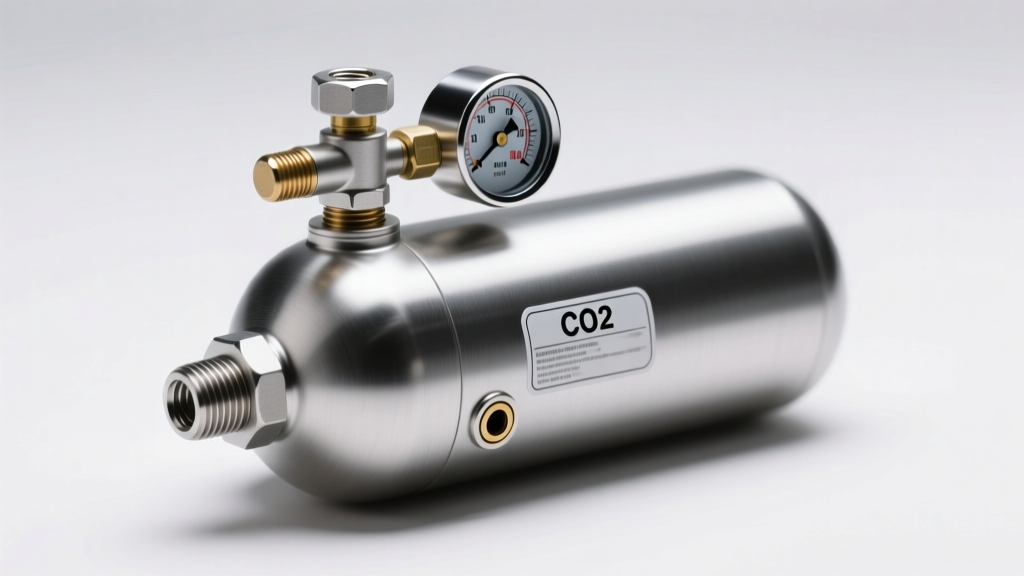
Chemical Types and Their Role in Manufacturing Growth
The chemical industry is one of the most diverse and essential sectors in global manufacturing, producing a vast array of substances that serve as building blocks for countless products. Chemicals exist in various forms—pure elements, compounds, mixtures, organic (carbon-based), and inorganic (non-carbon-based). Their classification helps streamline production, ensure safety, and optimize applications across industries. For clarity and practical use, chemicals are commonly grouped into four major categories: Acids, Solvents, Bases, and Salts. Each plays a unique and critical role in industrial processes, from food production to advanced materials engineering.
Acids
Acids are proton-donating compounds characterized by their sour taste, low pH (below 7), and ability to react with bases to form salts and water (neutralization). They are highly reactive and widely used in both large-scale industrial and consumer applications.
Key Applications
- Fertilizer Production: Sulfuric acid is used to manufacture phosphate fertilizers.
- Battery Manufacturing: Lead-acid batteries rely on sulfuric acid as an electrolyte.
- Food Industry: Citric acid acts as a preservative, flavor enhancer, and pH regulator in beverages and processed foods.
- Chemical Synthesis: Hydrochloric acid is used in steel pickling and pH control.
Handling Considerations
- Corrosive to skin, metals, and tissues
- Requires careful storage and handling protocols
- Environmental hazards if improperly disposed
Notable Examples: Sulfuric acid (H₂SO₄), Hydrochloric acid (HCl), Nitric acid (HNO₃), Citric acid (C₆H₈O₇)
Solvents
Solvents are substances capable of dissolving other materials without causing a chemical change. They can be polar (like water) or non-polar (like benzene), and their selection depends on the solubility requirements of the target substance.
Industrial Uses
- Paints & Coatings: Acetone and toluene are used as thinners and cleaning agents.
- Pharmaceuticals: Ethanol and methanol serve as extraction media and reaction solvents.
- Cosmetics: Isopropyl alcohol is used in sanitizers and nail polish removers.
- Chemical Processing: Solvents facilitate separation, purification, and synthesis in labs and factories.
Safety & Environmental Notes
- Many are flammable (e.g., acetone, ethanol)
- Volatile organic compounds (VOCs) contribute to air pollution
- Require proper ventilation and explosion-proof equipment
Common Types: Water (H₂O), Ethanol (C₂H₅OH), Acetone (C₃H₆O), Benzene (C₆H₆)
Bases (Alkalis)
Bases, also known as alkalis when soluble in water, are proton-accepting compounds with a bitter taste and slippery feel. They neutralize acids to form salts and water, and they play a vital role in driving chemical reactions in manufacturing.
Manufacturing Applications
- Soap & Detergent Production: Sodium hydroxide (lye) is essential in saponification.
- Water Treatment: Lime (calcium hydroxide) adjusts pH and removes impurities.
- Pulp & Paper Industry: Caustic soda breaks down wood fibers during pulping.
- Textile Processing: Used in mercerization to strengthen cotton fibers.
Handling Challenges
- Can cause chemical burns and eye damage
- Reacts violently with acids—requires controlled mixing
- Corrosive to certain metals and surfaces
Key Examples: Sodium hydroxide (NaOH), Potassium hydroxide (KOH), Ammonia (NH₃), Calcium hydroxide (Ca(OH)₂)
Salts
Salts are ionic compounds formed through the neutralization reaction between an acid and a base. They consist of positively charged cations and negatively charged anions, and they are crucial in both industrial and biological systems.
Versatile Applications
- Fertilizers: Potassium sulfate and ammonium nitrate supply essential nutrients.
- Food Industry: Sodium chloride (table salt) preserves food and enhances flavor.
- Water Softening: Sodium carbonate removes calcium and magnesium ions.
- Construction & Agriculture: Calcium carbonate improves soil pH and is used in cement.
Environmental & Usage Notes
- Excessive use in agriculture can lead to soil salinization
- Some salts are hygroscopic (absorb moisture)
- Improper disposal may affect aquatic ecosystems
Important Salts: Sodium chloride (NaCl), Sodium bicarbonate (NaHCO₃), Calcium carbonate (CaCO₃), Potassium sulfate (K₂SO₄)
| Chemical Type | Key Properties | Primary Industries | Common Examples | Role in Manufacturing |
|---|---|---|---|---|
| Acids | Low pH, corrosive, reactive with bases | Fertilizers, Batteries, Food, Steel | Sulfuric acid, Citric acid, HCl | Raw material, catalyst, pH control |
| Solvents | Dissolve substances, volatile, flammable | Paints, Pharmaceuticals, Cosmetics | Water, Acetone, Ethanol | Extraction, dilution, cleaning |
| Bases | High pH, slippery, neutralize acids | Soap, Water Treatment, Textiles | NaOH, KOH, Ammonia | Reaction facilitator, pH adjustment |
| Salts | Neutral pH, ionic, stable | Agriculture, Food, Construction | NaCl, CaCO₃, NaHCO₃ | Nutrient source, additive, conditioner |
Expert Insight: The strategic use of acids, bases, solvents, and salts underpins innovation in green chemistry and sustainable manufacturing. For instance, replacing hazardous solvents with bio-based alternatives (like ethanol from biomass) reduces environmental impact while maintaining efficiency.
Key Features of Chemicals That Support Manufacturing Growth
Chemicals are foundational to modern manufacturing, serving as essential building blocks across industries—from pharmaceuticals and agriculture to automotive and electronics. Their unique properties enable innovation, efficiency, and scalability in production processes. Understanding the key characteristics of industrial chemicals is crucial for optimizing safety, performance, and economic impact in manufacturing environments.
1. Storage and Handling: Ensuring Safety and Stability
Proper storage and handling of chemicals are critical to preventing accidents, ensuring worker safety, and maintaining product integrity. Different classes of chemicals require specific environmental conditions and containment solutions.
For instance, flammable substances such as ethanol or acetone must be stored in cool, well-ventilated areas away from ignition sources like sparks or direct sunlight. Special fire-resistant cabinets and grounding systems are often required to prevent static discharge.
Corrosive chemicals—including strong acids like sulfuric acid and bases like sodium hydroxide—must be kept in chemically resistant containers made of materials such as polyethylene or glass-lined steel. Incompatible substances (e.g., acids and bases) should be segregated to avoid dangerous reactions if accidentally mixed.
Labeling, ventilation, personal protective equipment (PPE), and spill containment protocols further enhance safe handling practices. Automated monitoring systems can also detect leaks or temperature fluctuations in real time, minimizing risks in large-scale facilities.
2. Reactivity: Driving Chemical Transformations
Reactivity refers to a chemical’s tendency to undergo change when exposed to other substances, energy sources, or environmental conditions. This property is central to countless manufacturing processes, including synthesis, polymerization, and catalysis.
Highly reactive chemicals—such as alkali metals (lithium, potassium)—can ignite or explode upon contact with water or air, necessitating inert atmospheres (e.g., argon) for handling. These materials are often used in battery production and specialty chemical synthesis due to their energetic behavior.
In contrast, low-reactivity substances like noble metals (gold, platinum) remain stable under most conditions, making them ideal for use in electronics, catalysts, and medical devices where consistency and corrosion resistance are vital.
Understanding reactivity profiles enables manufacturers to design safer processes, prevent unwanted side reactions, and select appropriate reaction vessels and catalysts. For example, controlling reaction rates through temperature, pressure, or inhibitors ensures predictable yields and reduces waste.
High-Reactivity Chemicals
- Examples: Sodium, chlorine gas, hydrogen peroxide
- Uses: Disinfectants, rocket propellants, organic synthesis
- Handling: Require sealed containers, inert environments, strict PPE
- Risks: Fire, explosion, toxic fumes if mishandled
Low-Reactivity Chemicals
- Examples: Gold, nitrogen gas, Teflon (PTFE)
- Uses: Electronics, protective coatings, medical implants
- Handling: Minimal special requirements; generally stable
- Benefits: Long shelf life, durability, biocompatibility
3. Physical Properties: Influencing Functionality and Application
The physical characteristics of chemicals—such as state (solid, liquid, gas), melting and boiling points, density, solubility, and viscosity—directly influence their suitability for specific manufacturing applications.
High-viscosity fluids like heavy engine oils or molasses are valued for their lubricating and film-forming properties. These are widely used in machinery maintenance and food processing, where consistent flow resistance is beneficial.
Conversely, low-viscosity solvents such as acetone, ethanol, and paint thinners are prized for their ability to dissolve other substances quickly and evaporate efficiently. They play key roles in cleaning, coating, and extraction processes.
Solubility determines how well a chemical mixes with a solvent, which is essential in formulating pharmaceuticals, agrochemicals, and consumer products. For example, water-soluble compounds are preferred in intravenous medications, while oil-soluble ones are used in topical creams.
Melting and boiling points affect processing temperatures and energy requirements. Substances with low boiling points (e.g., propane) are used as refrigerants or propellants, while high-melting-point materials (e.g., tungsten) are employed in high-temperature industrial applications.
| Physical Property | Industrial Relevance | Example Applications |
|---|---|---|
| Viscosity | Impacts flow rate and pumping efficiency | Lubricants, adhesives, paints |
| Solubility | Determines compatibility with solvents | Pharmaceuticals, dyes, pesticides |
| Density | Affects material separation and mixing | Fuel blending, mineral processing |
| Boiling Point | Influences distillation and evaporation processes | Petrochemical refining, HVAC systems |
4. Purity and Composition: Ensuring Quality and Consistency
The purity and molecular composition of a chemical directly affect its performance, safety, and regulatory compliance in manufacturing. Impurities—even in trace amounts—can alter reaction outcomes, degrade product quality, or pose health hazards.
In the pharmaceutical industry, ultra-high-purity chemicals (often 99.9%+ pure) are mandatory to ensure drug efficacy and patient safety. Analytical techniques like gas chromatography and mass spectrometry are used to verify composition and detect contaminants.
Composition also dictates chemical behavior. For example, isomers of the same compound may have vastly different biological activities. Knowing the exact structure allows manufacturers to predict reactivity, stability, and interaction with other materials.
Standardized grades—such as reagent, analytical, or technical grade—help industries select the appropriate level of purity for their needs. Using the correct grade improves process reliability and reduces the risk of batch failures or recalls.
5. Versatility: Enabling Cross-Industry Innovation
One of the most powerful attributes of industrial chemicals is their versatility. A single chemical can serve multiple functions across diverse sectors, driving innovation and cost-efficiency.
Sulfuric acid, for example, is indispensable in fertilizer production (converting phosphate rock into usable forms), lead-acid batteries (as an electrolyte), and petroleum refining (alkylation processes). Its widespread use underscores its role as a cornerstone of industrial chemistry.
Similarly, ethanol functions as a solvent in pharmaceuticals, a disinfectant in healthcare, a biofuel additive in transportation, and a feedstock in chemical synthesis. This multifunctionality allows manufacturers to leverage existing supply chains and infrastructure across markets.
Chemicals' adaptability supports rapid prototyping, scalable production, and sustainable alternatives—such as bioplastics, green solvents, and renewable energy storage—making them vital to future-facing industries.
Important: Always consult safety data sheets (SDS) and adhere to OSHA, EPA, and GHS guidelines when storing, handling, or transporting industrial chemicals. Proper training, emergency preparedness, and quality control are essential to harnessing the full potential of chemicals while minimizing risks to people, equipment, and the environment.
Important Considerations That Impact Manufacturing Growth
Manufacturing growth is heavily influenced by a range of interrelated factors, particularly those involving chemical inputs. From supply chain stability to environmental responsibility, each element plays a crucial role in determining the efficiency, cost-effectiveness, and sustainability of production processes. Understanding these considerations enables manufacturers to make strategic decisions that support long-term success and resilience in a competitive global market.
Availability of Chemical Inputs
A consistent and reliable supply of chemicals in the correct quantities and purity levels is fundamental to uninterrupted manufacturing operations. Any disruption in the supply chain—whether due to geopolitical instability, transportation bottlenecks, or regulatory changes—can lead to delays or complete halts in production.
- Logistical challenges such as port congestion or fuel shortages can delay deliveries
- Export restrictions or trade sanctions may limit access to critical raw materials
- Market volatility can cause sudden shortages or overstocking, affecting inventory planning
- Single-source dependencies increase vulnerability to supplier-specific disruptions
Strategic insight: Diversifying suppliers and maintaining safety stock can mitigate availability risks
Cost of Chemicals and Production Economics
The price of chemical raw materials directly impacts the overall cost of manufacturing. Fluctuations in chemical prices—driven by crude oil markets, energy costs, or global demand—can significantly alter profit margins and product pricing strategies.
- High input costs often lead to increased final product prices, reducing consumer demand
- Price-sensitive industries may experience shrinking market share during cost spikes
- Manufacturers may substitute materials, potentially compromising product quality or performance
- Long-term contracts with suppliers can provide price stability and forecasting accuracy
Key impact: Sustained high chemical prices can suppress manufacturing growth by reducing competitiveness
Safety and Regulatory Compliance
Chemicals often pose health, safety, and environmental hazards, requiring strict adherence to occupational safety standards and regulatory frameworks. Compliance is not optional—it's a legal and operational necessity that protects workers, communities, and the company’s reputation.
- OSHA, EPA, REACH, and other regulations mandate safe handling, storage, and disposal procedures
- Failure to comply can result in fines, production shutdowns, or legal liability
- Investing in safety training and protective equipment reduces accident rates and downtime
- Proper documentation and audits ensure ongoing compliance and readiness for inspections
Critical risk: Non-compliance can lead to catastrophic outcomes, including facility closures and reputational damage
Innovation and Technological Advancement
Chemical innovation drives progress in manufacturing by enabling new materials, improving efficiency, and creating high-performance products. Advances in polymer science, catalysis, and nanotechnology are transforming traditional production methods.
- New polymers and composites offer enhanced durability, lighter weight, and better thermal resistance
- Smart chemicals enable self-healing materials or responsive manufacturing processes
- Green chemistry innovations reduce hazardous inputs and waste generation
- Automation and AI-driven process optimization rely on precise chemical formulations
Growth driver: Companies investing in R&D often gain first-mover advantages and premium market positioning
Environmental Impact and Sustainability
Chemical manufacturing processes can contribute to air and water pollution, greenhouse gas emissions, and hazardous waste. These environmental impacts not only affect ecosystems and public health but also influence regulatory scrutiny and social license to operate.
- Chemical spills or improper waste disposal can contaminate soil and water sources
- Emissions from production may affect local air quality and worker health
- Communities near plants may experience reduced labor availability due to health concerns
- Environmental remediation and pollution control technologies add operational costs
Sustainability imperative: Adopting circular economy principles and clean technologies improves long-term viability
Cost of Environmental Management
Beyond direct production costs, manufacturers must account for the financial burden of environmental protection measures. While essential, these investments can strain budgets—especially for small and medium enterprises.
- Wastewater treatment systems and emission scrubbers require significant capital
- Regular environmental monitoring and reporting demand ongoing resources
- Carbon taxes or emissions trading schemes add variable operating expenses
- Green certifications (e.g., ISO 14001) enhance reputation but involve implementation costs
Balancing act: Proactive environmental investment often leads to long-term savings and regulatory goodwill
Strategic Recommendation: Manufacturers should adopt an integrated approach that balances cost control, supply chain resilience, regulatory compliance, and sustainable innovation. Building strong supplier relationships, investing in process efficiency, and prioritizing environmental stewardship not only mitigate risks but also position companies for scalable, responsible growth. Those who anticipate regulatory trends and embrace green chemistry will be best positioned to thrive in the evolving industrial landscape.
| Factor | Impact on Manufacturing Growth | Risk Level | Recommended Mitigation Strategy |
|---|---|---|---|
| Chemical Availability | High – disruptions halt production | High | Diversify suppliers; maintain buffer inventory |
| Input Costs | High – affects pricing and demand | High | Negotiate long-term contracts; explore alternatives |
| Safety & Compliance | Critical – non-compliance halts operations | Very High | Invest in training; conduct regular audits |
| Innovation | Positive – drives efficiency and new markets | Medium | Allocate R&D budget; partner with research institutions |
| Environmental Impact | Negative if unmanaged; positive if sustainable | High | Adopt green chemistry; implement waste reduction programs |
Additional Strategic Insights
- Supply Chain Transparency: Traceable sourcing of chemicals enhances risk management and supports ESG reporting
- Digital Monitoring: Real-time sensors for chemical storage improve safety and prevent leaks
- Regulatory Forecasting: Staying ahead of upcoming environmental and safety regulations avoids last-minute compliance costs
- Stakeholder Engagement: Open communication with local communities builds trust and reduces opposition to plant operations
- Lifecycle Assessment: Evaluating the full environmental footprint of chemical use informs sustainable product design
Q&A: The Role and Management of Chemicals in Manufacturing
Chemicals are fundamental to modern manufacturing, driving innovation, efficiency, and product quality across industries. From accelerating reactions to forming essential components in materials like plastics and paints, their influence is vast. However, their use also requires careful safety protocols, waste management, and process optimization. This comprehensive Q&A guide explores the multifaceted role of chemicals in industrial settings, offering insights into their applications, safety practices, and environmental responsibilities.
How do chemicals influence manufacturing processes?
Chemicals play a pivotal role in controlling the speed and efficiency of manufacturing reactions. Certain substances act as catalysts, significantly speeding up chemical processes, while others may inhibit or slow them down—these are known as inhibitors. A key factor in process design is the thermal output of chemical reactions. Exothermic reactions release heat, sometimes substantial amounts, while endothermic reactions absorb heat, and some produce little to no thermal change.
For manufacturers aiming to optimize efficiency and reduce energy costs, selecting chemicals that minimize unwanted heat generation is crucial. Excessive heat can lead to safety hazards, increased cooling requirements, and degradation of sensitive materials. Therefore, process engineers carefully evaluate chemical interactions to balance reaction rates, energy use, and system stability, ultimately enhancing productivity and safety.
Expert Tip: Conducting thorough reaction calorimetry studies during process development helps predict heat output and design appropriate thermal management systems, preventing overheating and ensuring consistent product quality.
What are the common applications of chemicals in manufacturing?
Chemicals are indispensable across a vast spectrum of manufacturing sectors. They serve as raw materials, processing agents, and performance enhancers in products we use daily. Key applications include:
- Plastics Industry: Polymers are synthesized using monomers and catalysts; additives like plasticizers and stabilizers improve flexibility and durability.
- Paints and Coatings: Utilize resins, solvents, pigments, and drying agents to achieve desired color, texture, and protective qualities.
- Cleaning Products: Formulated with surfactants, acids, bases, and disinfectants to remove dirt, grease, and pathogens effectively.
- Pharmaceuticals: Active pharmaceutical ingredients (APIs) and excipients are chemically synthesized or purified to produce safe, effective medications.
- Mining and Extraction: Acids, cyanides, and flotation reagents are used to separate valuable metals and minerals from ores.
The Paint Manufacturing Industry, for example, relies heavily on mining-derived chemicals such as titanium dioxide (a white pigment), as well as industrial acids (e.g., phosphoric acid), bases (e.g., sodium hydroxide), and salts, all of which contribute to the stability, color, and performance of the final product.
| Industry | Key Chemicals Used | Primary Function |
|---|---|---|
| Plastics | Ethylene, Propylene, Catalysts | Polymerization and material formation |
| Paints & Coatings | Resins, Solvents, Pigments, Additives | Binding, dispersion, color, and finish |
| Pharmaceuticals | APIs, Solvents, Buffers | Drug efficacy and formulation stability |
| Cleaning Products | Surfactants, Bleach, Acids/Bases | Soil removal and disinfection |
| Mining | Cyanide, Sulfuric Acid, Flotation Reagents | Mineral extraction and separation |
How to ensure safety when working with chemicals in manufacturing?
Safety is paramount when handling industrial chemicals. The first step is conducting comprehensive chemical safety assessments, including hazard identification, risk evaluation, and exposure analysis. Based on these assessments, manufacturers must implement a robust safety management system that includes:
- Personal Protective Equipment (PPE): Providing and enforcing the use of gloves, goggles, respirators, and protective clothing appropriate to the chemical hazards.
- Proper Labeling and Storage: Using standardized labels (e.g., GHS pictograms) and storing chemicals by compatibility to prevent dangerous reactions.
- Safe Handling Procedures: Training employees on safe transfer, mixing, and usage techniques to minimize spills and exposure.
- Exposure Control: Implementing engineering controls such as fume hoods, ventilation systems, and closed processing to reduce airborne contaminants.
- Emergency Preparedness: Maintaining spill kits, eyewash stations, and clear emergency response plans.
Regular safety audits and employee training reinforce a culture of safety and regulatory compliance.
Safety Warning: Always consult Safety Data Sheets (SDS) before handling any chemical. Never mix chemicals without proper authorization and understanding of potential reactions, as this can lead to toxic gas release, fires, or explosions.
What role do chemicals play in the production of paints?
Chemicals are the backbone of paint formulation, each serving a specific functional role:
- Binders (Resins): Form the film that adheres to surfaces and holds other components together (e.g., acrylics, alkyds).
- Solvents: Dissolve the binder and adjust viscosity for application; they evaporate as the paint dries (e.g., water, mineral spirits).
- Pigments: Provide color and opacity; many are derived from mined minerals like titanium dioxide, iron oxide, or zinc oxide.
- Additives: Enhance performance—defoamers, drying accelerators, UV stabilizers, and biocides improve shelf life and durability.
- Fillers: Inert materials like calcium carbonate or talc that add bulk and modify texture at lower cost.
The mining industry plays a critical supporting role by supplying raw mineral feedstocks. These ores, once processed and purified, become essential ingredients that enhance paint performance, including opacity, weather resistance, and longevity. The precise combination and quality of chemicals determine the final paint’s appearance, durability, and application properties.
Expert Tip: The quality of raw materials directly impacts paint performance. Manufacturers should establish strong supply chain partnerships with reliable mining and chemical suppliers to ensure consistency and purity of inputs.
How do you manage chemical waste in manufacturing?
Effective chemical waste management is essential for environmental protection, regulatory compliance, and operational sustainability. The process involves systematic collection, segregation, storage, and disposal of spent or unused chemicals. Key strategies include:
- Waste Minimization: Optimizing processes to reduce chemical usage and byproduct generation.
- Recycling and Reclamation: Recovering and reprocessing solvents, metals, or other valuable materials for reuse—this reduces costs and environmental impact.
- Proper Segregation: Separating incompatible wastes (e.g., acids from bases) to prevent hazardous reactions during storage.
- Hazardous Waste Handling: Treating or disposing of dangerous materials (e.g., heavy metals, toxic solvents) only through licensed and certified waste management companies.
- Documentation and Tracking: Maintaining detailed records of waste generation, storage, and disposal to comply with environmental regulations (e.g., EPA, OSHA).
Many manufacturers are adopting circular economy principles, designing processes to reuse waste streams as inputs, thereby reducing reliance on virgin materials and minimizing landfill use.
Important: Improper disposal of chemical waste can result in severe environmental contamination, legal penalties, and harm to human health. Always follow local, national, and international regulations for hazardous waste management.
Additional Best Practices
- Invest in continuous employee training on chemical safety and emergency response.
- Regularly update Safety Data Sheets and maintain an accessible chemical inventory.
- Conduct routine audits of storage areas and waste handling procedures.
- Partner with environmental consultants to ensure compliance and sustainability goals.
- Explore green chemistry alternatives to reduce toxicity and environmental impact.
By integrating safe handling practices, efficient processes, and responsible waste management, manufacturers can harness the power of chemicals while protecting workers, communities, and the environment.