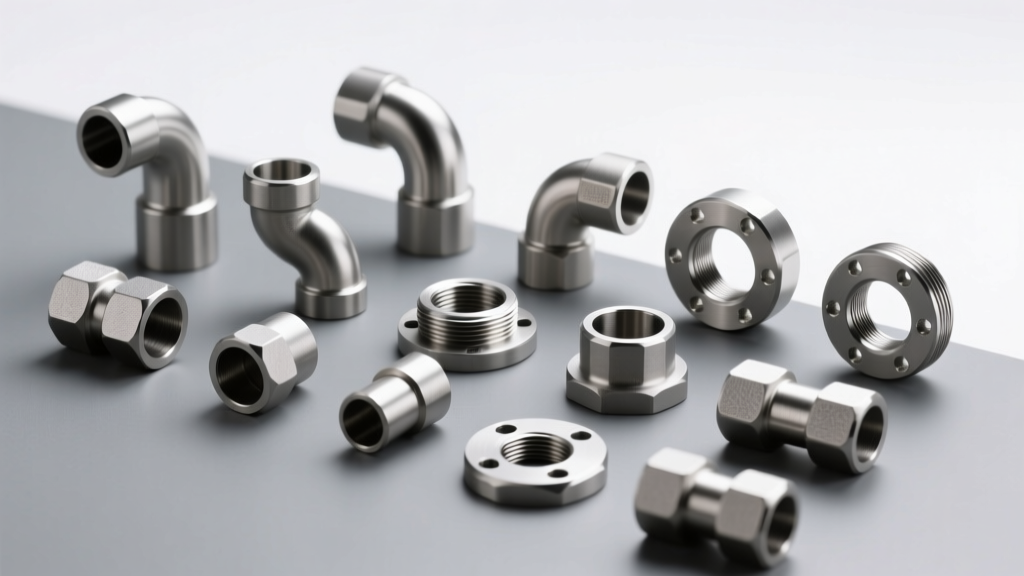
Types of Easy Automation Equipment in Liaocheng
Easy automation equipment encompasses a wide range of advanced systems designed to enhance manufacturing efficiency, reduce labor costs, and improve product consistency. In Liaocheng, a growing industrial hub in Shandong Province, manufacturers are increasingly adopting automation technologies to remain competitive. This guide explores the primary types of automation equipment available in the region, detailing their key features, applications, and industry benefits.
Automated Production Lines
Integrated systems that streamline end-to-end manufacturing processes through synchronized machinery and control units.
Key Features
- Fully integrated robotic arms, conveyors, and PLCs
- Customizable for specific product lines
- High throughput for mass production
- Real-time monitoring and diagnostics
Considerations
- High initial investment
- Requires skilled maintenance
- Longer setup and integration time
Primary Applications: Automotive assembly, electronics manufacturing, consumer goods production
Industrial Robots
Programmable mechanical arms equipped with sensors and actuators to perform precise, repetitive tasks autonomously.
Key Features
- High precision in welding, painting, and assembly
- Equipped with vision systems and force sensors
- Reprogrammable for flexible production
- Reduces human error and workplace injuries
Considerations
- Requires safety enclosures and protocols
- Needs trained personnel for programming
- Ongoing software updates and maintenance
Primary Applications: Metal fabrication, precision engineering, high-volume assembly lines
Automated Quality Control Systems
Advanced inspection systems using machine vision, AI algorithms, and sensor arrays to ensure product consistency and compliance.
Key Features
- High-speed defect detection (cracks, misalignments, etc.)
- Non-contact measurement and analysis
- Integration with production databases for traceability
- Real-time alerts and reporting
Considerations
- Sensitive to lighting and environmental conditions
- Initial calibration can be complex
- Higher cost for AI-powered systems
Primary Applications: Pharmaceutical packaging, food safety inspection, semiconductor manufacturing
Conveyors and Transfer Systems
Material handling solutions that automate the movement of components and finished goods across production stages.
Key Features
- Variety of types: belt, roller, overhead, and chain conveyors
- Speed and direction control via automation
- Integration with sorting and packaging systems
- Durable design for continuous operation
Considerations
- Requires regular cleaning and maintenance
- Space-intensive in large facilities
- Potential bottlenecks if not properly synchronized
Primary Applications: Warehousing, factory assembly lines, distribution centers, logistics hubs
Automated Inventory Management Systems
Digital solutions leveraging barcode scanning, RFID tags, and cloud-based software to track and manage stock in real time.
Key Features
- Real-time inventory tracking and reporting
- Integration with ERP and supply chain platforms
- Automated reordering and stock alerts
- Reduces overstocking and stockouts
Considerations
- Dependent on accurate data entry and tagging
- Requires network infrastructure and cybersecurity measures
- Training needed for staff adoption
Primary Applications: Retail inventory, manufacturing raw material tracking, warehouse logistics, e-commerce fulfillment
| Equipment Type | Key Function | Industries Served | Automation Level | ROI Timeline |
|---|---|---|---|---|
| Automated Production Lines | End-to-end manufacturing integration | Automotive, Electronics, Consumer Goods | High | 2–4 years |
| Industrial Robots | Precise task automation (welding, assembly) | Metalworking, Machinery, Electronics | Very High | 1.5–3 years |
| Automated Quality Control | Defect detection and compliance verification | Pharmaceuticals, Food, Semiconductors | High | 1–2 years |
| Conveyors & Transfer Systems | Material and product movement | Manufacturing, Logistics, Warehousing | Medium to High | 1–3 years |
| Inventory Management Systems | Stock tracking and supply chain optimization | Retail, Manufacturing, E-commerce | Medium | 6 months – 2 years |
Expert Tip: When selecting automation equipment in Liaocheng, consider partnering with local integrators who understand regional industrial standards and can provide ongoing technical support, training, and system upgrades tailored to your production needs.
Materials Used in Easy Automation Equipment in Liaocheng
The selection of materials plays a pivotal role in determining the performance, durability, and efficiency of easy automation equipment. In Liaocheng—a growing hub for manufacturing and industrial automation—engineers and manufacturers carefully choose materials based on mechanical requirements, environmental conditions, and cost-efficiency. This guide explores the most commonly used materials in automation systems across the region, highlighting their properties, applications, and advantages.
Steel Alloys: The Backbone of Structural Integrity
Properties & Benefits
Steel alloys are widely favored for their exceptional strength-to-weight ratio, toughness, and resistance to deformation under load. These materials are typically heat-treated to enhance hardness and fatigue resistance, making them ideal for long-term use in dynamic environments.
Their weldability and machinability also make steel alloys a preferred choice for custom frames, chassis, and support structures in automated assembly lines and robotic workcells.
Common Applications in Liaocheng
In Liaocheng’s automation sector, steel alloys form the foundational framework of conveyor systems, robotic mounting bases, and heavy-duty handling equipment. Their ability to endure continuous operation and resist mechanical stress ensures reliable performance in industrial settings.
Carbon steel and alloy steels such as 4140 and 4340 are frequently specified for critical load-bearing components due to their proven track record in demanding applications.
Aluminum Alloys: Lightweight Precision for Dynamic Components
Why Aluminum?
Aluminum alloys offer an optimal blend of light weight, high strength, and excellent corrosion resistance—making them indispensable in automation systems where speed, agility, and energy efficiency are paramount.
With densities about one-third that of steel, aluminum reduces inertia in moving parts, allowing faster acceleration and deceleration without overburdening motors or control systems.
Key Uses in Automation
In Liaocheng’s automated machinery, aluminum is extensively used in robotic arms, linear actuators, gantry systems, and modular enclosures. Alloys like 6061-T6 and 7075-T6 are particularly popular due to their superior strength and ease of fabrication.
Additionally, aluminum’s natural oxide layer provides inherent protection against rust, making it well-suited for warehouse automation, packaging systems, and cleanroom environments.
Plastics: Cost-Effective and Versatile Engineering Solutions
Types and Performance Characteristics
Engineering plastics such as polycarbonate (PC), acrylonitrile butadiene styrene (ABS), polyoxymethylene (POM or Delrin), and nylon are increasingly integrated into automation equipment for their electrical insulation, low friction, and impact resistance.
These materials can be injection-molded into complex geometries with tight tolerances, enabling rapid prototyping and mass production of non-metallic components.
Applications and Advantages
Common uses include protective housings, gear trains, bushings, conveyor guides, and sensor mounts. Plastics reduce overall system weight, minimize noise, and eliminate the need for secondary finishing processes.
Moreover, their dielectric properties make them ideal for insulating electrical components, contributing to safer and more compact machine designs in Liaocheng’s smart manufacturing setups.
Copper: The Conductor of Automation Intelligence
Electrical Superiority
Copper is the gold standard for electrical conductivity among industrial metals, second only to silver. Its ability to efficiently transmit electricity with minimal energy loss makes it essential in all types of automated machinery.
Besides pure copper, copper alloys like phosphor bronze and beryllium copper are used in connectors, brushes, and spring contacts for their durability and stable electrical performance.
Role in Liaocheng’s Automation Ecosystem
In Liaocheng, copper is a core material in motor windings, control panels, servo drives, and data transmission cables. It ensures reliable power delivery and signal integrity in robotic systems, PLCs, and IoT-enabled devices.
With the rise of Industry 4.0 initiatives, high-purity copper wiring supports real-time communication between sensors, actuators, and central controllers, forming the nervous system of modern automation.
High-Performance Alloys: For Extreme Operating Conditions
Advanced Material Solutions
When automation equipment must operate in high-temperature, high-stress, or chemically aggressive environments, standard materials fall short. High-performance alloys—particularly nickel-based superalloys like Inconel, Hastelloy, and Waspaloy—step in to provide unmatched thermal stability and corrosion resistance.
These materials retain their mechanical properties even above 1000°C, making them suitable for specialized industrial processes such as heat treatment, semiconductor manufacturing, and aerospace component handling.
Niche Applications in Liaocheng
While not used in general-purpose automation, these advanced alloys are increasingly adopted in Liaocheng’s high-tech manufacturing zones, especially in facilities involved in automotive engine testing, precision casting, and chemical processing automation.
Components such as high-temperature bearings, furnace rollers, and exhaust actuators benefit from the extended service life and reduced maintenance cycles offered by these premium materials.
| Material | Key Properties | Typical Applications | Advantages |
|---|---|---|---|
| Steel Alloys | High strength, durability, weldable | Frames, bases, structural supports | Cost-effective, long service life, widely available |
| Aluminum Alloys | Lightweight, corrosion-resistant, strong | Robotic arms, moving parts, enclosures | Energy-efficient motion, low maintenance |
| Engineering Plastics | Insulating, impact-resistant, low friction | Gears, housings, guides, bushings | Low cost, design flexibility, quiet operation |
| Copper | Excellent electrical conductivity | Wiring, motors, connectors, PCBs | Efficient power transfer, reliable signal transmission |
| High-Performance Alloys | Heat-resistant, corrosion-proof, strong at high temps | High-temp actuators, aerospace components | Operates in extreme conditions, minimal degradation |
Important: Material selection should always align with the operational demands of the automation system. Factors such as load requirements, environmental exposure (moisture, chemicals, temperature), and lifecycle costs must be evaluated during the design phase. In Liaocheng’s competitive manufacturing landscape, optimizing material use not only enhances performance but also improves sustainability and reduces total cost of ownership.
Applications of Easy Automation Equipment in Liaocheng
Easy automation equipment has become a cornerstone of industrial and service innovation in Liaocheng, Shandong Province. Designed for versatility, reliability, and ease of integration, these systems are transforming traditional operations across multiple sectors. From manufacturing floors to hospital corridors, automation is driving efficiency, reducing human error, and enabling scalable growth. This guide explores the key applications of automation technology in Liaocheng, highlighting real-world benefits and industry-specific implementations.
Manufacturing Automation
Liaocheng’s manufacturing sector leverages easy automation equipment to modernize production lines and remain competitive in domestic and global markets. By integrating programmable logic controllers (PLCs), robotic arms, and automated assembly systems, factories significantly reduce dependency on manual labor while enhancing precision and throughput.
- Automated CNC machines and pick-and-place robots streamline machining and component assembly
- Real-time monitoring systems detect defects early, improving product quality and reducing waste
- Modular automation solutions allow quick reconfiguration for different product lines
- Integration with ERP systems enables seamless production planning and inventory tracking
Key benefit: Up to 40% increase in production efficiency with consistent quality control
Logistics and Warehousing
With the rise of e-commerce and supply chain digitization, Liaocheng’s logistics hubs are adopting automation to manage growing volumes of goods. Automated guided vehicles (AGVs), smart conveyor systems, and AI-powered sorting units are now standard in modern warehouses.
- Robotic palletizers and stackers reduce physical strain and improve loading speed
- RFID and barcode scanning systems ensure accurate inventory tracking and reduce errors
- Automated storage and retrieval systems (AS/RS) maximize space utilization in compact facilities
- Integrated warehouse management software optimizes picking routes and delivery schedules
Efficiency gain: Automated warehouses achieve 99.8% order accuracy and 50% faster fulfillment times
Healthcare Automation
The healthcare industry in Liaocheng is embracing automation to improve patient care, reduce administrative burdens, and enhance diagnostic accuracy. From digital patient records to robotic-assisted surgeries, automation is revolutionizing medical services.
- Electronic Health Record (EHR) systems streamline data access and reduce paperwork
- Automated pharmacy dispensers minimize medication errors and improve dosage accuracy
- Surgical robots assist in minimally invasive procedures with sub-millimeter precision
- AI-powered diagnostic tools analyze medical images for early detection of conditions
Impact: Automation reduces patient wait times by 30% and cuts administrative costs by up to 25%
Agricultural Automation
Liaocheng’s agricultural sector is increasingly adopting smart farming technologies to boost productivity and sustainability. Easy automation equipment such as GPS-guided tractors, automated irrigation systems, and drone-based crop monitoring are transforming traditional farming practices.
- Automated planters and harvesters reduce labor costs and increase planting/harvesting speed
- Soil moisture sensors and smart irrigation systems optimize water usage and crop health
- Drones equipped with multispectral cameras monitor crop growth and detect pest infestations
- Automated feeding and milking systems improve efficiency in livestock management
Sustainability advantage: Precision agriculture reduces water waste by 20–30% and increases crop yields by 15–25%
Customer Service Automation
Businesses in Liaocheng are deploying automation tools to enhance customer engagement and support efficiency. Chatbots, interactive voice response (IVR) systems, and AI-driven analytics are enabling 24/7 customer service with minimal human intervention.
- NLP-powered chatbots handle routine inquiries, order tracking, and FAQs in real time
- Automated email and SMS response systems keep customers informed about service updates
- AI analyzes customer sentiment and feedback to improve service quality
- Self-service kiosks in retail and government offices reduce queues and improve accessibility
Customer impact: Automated support systems resolve 60–70% of inquiries without human agents, improving response times and satisfaction
Smart City and Public Services
Beyond industry, Liaocheng is integrating automation into urban infrastructure to build smarter, more responsive public services. Traffic management, waste collection, and energy systems are being optimized through IoT and automation.
- Smart traffic lights adjust in real time based on vehicle flow, reducing congestion
- Automated waste bins signal when full, optimizing collection routes and frequency
- Energy-efficient lighting systems use motion sensors and timers to reduce power consumption
- Citizen service portals automate permit applications, payments, and information requests
Urban benefit: Smart automation reduces municipal operational costs and enhances quality of life for residents
Strategic Insight: The success of automation in Liaocheng lies in its adaptability. Businesses and institutions that combine easy-to-deploy automation systems with staff training and process reengineering achieve the highest returns on investment. As technology evolves, integrating AI and machine learning with existing automation platforms will unlock even greater efficiency and predictive capabilities.
| Sector | Common Automation Tools | Primary Benefits | Adoption Trend |
|---|---|---|---|
| Manufacturing | Robotic arms, PLCs, CNC machines | Increased output, reduced defects | High – >70% of medium-large factories |
| Logistics | AGVs, conveyor systems, AS/RS | Faster fulfillment, accurate inventory | Rapid growth – e-commerce driven |
| Healthcare | EHR systems, pharmacy robots, surgical assistants | Better patient outcomes, lower errors | Moderate – expanding in major hospitals |
| Agriculture | Automated harvesters, drones, smart irrigation | Higher yields, resource efficiency | Emerging – pilot programs scaling up |
| Customer Service | Chatbots, IVR, self-service kiosks | 24/7 support, reduced labor costs | Widespread – across retail and services |
Future Outlook and Recommendations
- Integration with IoT: Connecting automation systems to the Internet of Things enables real-time monitoring and predictive maintenance
- Workforce Training: Upskilling employees to manage and maintain automated systems ensures long-term success
- Scalable Solutions: Start with modular automation and expand as operational needs grow
- Data Security: Implement robust cybersecurity measures, especially in healthcare and public services
- Sustainability: Choose energy-efficient automation equipment to support green initiatives
Choosing Easy Automation Equipment in Liaocheng: A Comprehensive Guide for Business Owners
Selecting the right automation equipment is a strategic decision that can significantly impact your business’s efficiency, scalability, and competitiveness. In Liaocheng—a growing industrial and commercial hub in Shandong Province—businesses across manufacturing, logistics, food processing, and retail are increasingly adopting automation to streamline operations and meet rising customer demands. However, choosing the right equipment requires careful evaluation of multiple factors beyond just price. This guide outlines the key considerations for selecting easy-to-use, cost-effective automation solutions tailored to the unique needs of Liaocheng-based enterprises.
Important Note: Automation is not a one-size-fits-all solution. The best equipment aligns with your current operational challenges, future growth plans, and local market dynamics. Rushing into a purchase without proper assessment can lead to underutilization, increased maintenance costs, or workflow disruptions.
1. Assess Your Business Requirements
Before exploring automation options, conduct a thorough analysis of your business processes. Identify repetitive, time-consuming, or error-prone tasks that could benefit from automation—such as packaging, sorting, labeling, or inventory tracking.
- Determine whether the equipment can integrate seamlessly with your existing systems (e.g., ERP, inventory management software)
- Evaluate scalability: Will the machine support increased production volumes in the next 2–3 years?
- Look for modular or customizable automation systems that allow you to add features like sensors, conveyors, or robotic arms as your needs evolve
- In Liaocheng, many suppliers offer localized support for customizing equipment to handle regional materials or production standards
For example, a small food processing plant might benefit from an automated weighing and sealing machine that can be adjusted for different product sizes, reducing labor costs and improving consistency.
2. Establish a Realistic Budget with ROI in Mind
While upfront cost is important, focusing solely on price can be misleading. Instead, evaluate the total cost of ownership (TCO), including installation, training, maintenance, and energy consumption.
- Entry-level automation systems in Liaocheng start from around ¥20,000–¥50,000, while advanced robotic systems may range from ¥100,000 to over ¥500,000
- Calculate potential return on investment (ROI) by estimating labor savings, reduced waste, and increased output. Many businesses see payback periods of 6–18 months
- Explore government subsidies or innovation grants available for small and medium enterprises (SMEs) in Shandong Province that support digital transformation
- Consider leasing or financing options offered by local equipment suppliers to ease cash flow pressure
A higher-priced machine with better durability and lower maintenance may prove more economical over a 5-year period than a cheaper, less reliable alternative.
3. Evaluate Space and Facility Constraints
Many businesses in Liaocheng operate in compact workshops or shared industrial spaces. Therefore, spatial efficiency is crucial when selecting automation equipment.
- Measure available floor space and ceiling height before selecting machinery
- Opt for compact, vertical, or mobile automation units that maximize utility in tight environments
- Consider foldable or reconfigurable workstations that allow flexibility in layout changes
- Ensure adequate clearance for maintenance access and worker safety
For instance, a small electronics assembly line might use a desktop robotic arm that occupies less than 1 square meter while automating precision soldering tasks.
4. Analyze Local Market Conditions in Liaocheng
Understanding the competitive landscape in Liaocheng can help you make informed decisions about the level of automation needed to stay ahead.
- Visit local industrial parks such as Liaocheng Economic Development Zone to observe automation trends in similar industries
- Network with other business owners to learn about their experiences with specific equipment brands or suppliers
- Monitor demand shifts: Rising labor costs and consumer expectations for faster delivery are pushing more companies toward automation
- If competitors have already automated key processes, consider adopting similar technology to maintain service quality and delivery speed
Additionally, Liaocheng's strategic location in northern China makes it a logistics hotspot, increasing the value of warehouse automation, barcode scanning systems, and automated sorting equipment.
5. Understand Maintenance and Support Requirements
Even the most advanced automation system is only as good as its upkeep. Downtime due to mechanical failure can disrupt operations and erode customer trust.
- Prioritize equipment with self-diagnostic features, user-friendly interfaces, and minimal moving parts to reduce breakdown risks
- Verify whether the supplier offers on-site technical support, remote troubleshooting, or training for your staff
- Check the availability of spare parts locally—having a nearby distributor can significantly reduce repair time
- Ask for maintenance schedules and estimated service intervals before purchasing
In Liaocheng, partnering with a reputable local supplier or integrator ensures quicker response times and reduces dependency on distant service centers. Look for vendors who provide bilingual manuals (Chinese-English) and video tutorials for routine maintenance.
| Selection Factor | Key Questions to Ask | Recommended Solutions in Liaocheng | Common Mistakes to Avoid |
|---|---|---|---|
| Business Needs | What tasks are most inefficient? Can this machine adapt to future changes? | Modular conveyor systems, programmable robotic arms | Buying equipment without testing it on actual production lines |
| Budget & ROI | What is the 3-year cost projection? Are there hidden fees? | Leased automation units, government-subsidized systems | Focusing only on initial price instead of long-term value |
| Space Efficiency | Will it fit in the current layout? Can it be relocated easily? | Compact PLC-controlled machines, vertical stackers | Ignoring workflow integration and worker access paths |
| Market Competition | Are competitors using automation? How does it affect customer expectations? | Automated packaging, AI-powered inventory systems | Delaying adoption until forced by market pressure |
| Maintenance | How often does it need servicing? Is local support available? | Equipment with IoT monitoring, local vendor partnerships | Overlooking training needs for operators and technicians |
Expert Tip: Before making a final purchase, request a demo or trial period from the supplier. Many automation vendors in Liaocheng offer on-site demonstrations or short-term rentals, allowing you to evaluate performance under real operating conditions.
Final Recommendations for Liaocheng Business Owners
- Start small: Begin with one automated process and scale gradually based on results
- Partner with local automation integrators who understand regional industry needs
- Train your team early to ensure smooth adoption and reduce resistance to change
- Keep detailed records of equipment performance, maintenance, and ROI metrics
- Stay updated on emerging technologies like AI-driven quality control or cloud-connected machines that may soon become standard
By carefully evaluating your business needs, budget, space, local competition, and maintenance capabilities, you can choose automation equipment that delivers lasting value. In Liaocheng’s evolving industrial landscape, smart automation isn’t just an upgrade—it’s a necessity for sustainable growth and long-term success.
Frequently Asked Questions About Easy Automation Equipment in Liaocheng
Q1: Can Easy Automation equipment be used outdoors in dusty environments?A1: Most manufacturers strongly recommend using Easy Automation equipment indoors, particularly in environments with controlled temperature and minimal dust exposure. These conditions help ensure optimal performance, reliability, and longevity of the machinery.
- Environmental Sensitivity: Dust and particulate matter can infiltrate sensitive mechanical and electrical components, leading to increased wear, overheating, or system malfunctions.
- Temperature Control: Stable indoor temperatures prevent thermal expansion/contraction issues and maintain lubricant viscosity, both critical for consistent operation.
- Special Ventilation Solutions: Some manufacturers offer downflow ventilation or filtered enclosures that allow limited outdoor or semi-outdoor use by reducing dust ingress and improving airflow.
For operations requiring outdoor deployment, consider protective enclosures, regular cleaning schedules, and consulting with the manufacturer for site-specific recommendations.
Q2: What are the most common finish options for automation equipment in Liaocheng?A2: In Liaocheng, the majority of automation systems are delivered with natural metal finishes, which provide a clean, industrial aesthetic and inherent durability. However, customized finishes are widely available to meet environmental and design requirements.
- Natural Metal Finishes: Stainless steel, aluminum, and galvanized steel are commonly used for their strength, corrosion resistance, and low maintenance.
- Powder Coating: When buyers request painted finishes, manufacturers typically apply electrostatic powder coating—a highly durable process that bonds a protective polymer layer to the metal surface.
- Benefits of Powder Coating: This finish enhances corrosion resistance, protects against abrasions and chemical exposure, and is available in a wide range of colors for branding or safety coding.
Many manufacturers in Liaocheng offer both standard and custom finish options, allowing integration into diverse production environments while maintaining long-term performance.
Q3: What is the standard operational cycle life of Easy Automation Equipment?A3: The standard design life of Easy Automation Equipment is typically rated at **1.5 million cycles or more**, reflecting its robust engineering and suitability for high-volume industrial applications.
- Real-World Variability: Actual cycle life can vary based on operating conditions such as ambient temperature, humidity, load stress, and frequency of use.
- Lubrication Impact: Proper and timely lubrication is essential—insufficient or degraded lubricant can significantly reduce cycle life and increase wear on moving parts.
- Environmental Limits: Under extreme conditions (e.g., high heat, moisture, or contamination), users may not achieve the full rated cycle life, even with proper maintenance.
While users cannot override the mechanical limitations under harsh conditions, adhering to maintenance guidelines and environmental controls helps maximize equipment lifespan and performance consistency.
Q4: What should I do if my Easy Automation equipment breaks down and requires immediate repair?A4: When equipment failure occurs, prompt and correct response is crucial to minimize downtime and prevent further damage. Follow this structured troubleshooting and repair procedure:
- Consult the User Manual: Every Easy Automation system comes with a detailed manual outlining common faults, error codes, and step-by-step troubleshooting procedures.
- Perform Basic Checks: Inspect for obvious issues such as power supply interruptions, loose connections, jammed components, or tripped safety sensors.
- Follow Reset Procedures: Some faults can be resolved by safely powering down and restarting the system according to manufacturer instructions.
- Contact Support: If the issue persists, reach out to a qualified technician or directly contact the manufacturer for expert guidance. Some suppliers offer remote diagnostics or on-site emergency service.
Keeping the manual accessible and training staff on basic diagnostics ensures faster recovery and reduces reliance on external support for minor issues.
Q5: Are Easy Automation products in Liaocheng durable and long-lasting?A5: Yes, Easy Automation products manufactured or distributed in Liaocheng are generally known for their durability and extended service life. This reputation stems from a combination of quality materials, sound engineering, and comprehensive maintenance support.
- High-Quality Materials: Equipment is constructed using hardened metals and wear-resistant components designed to withstand continuous industrial use.
- Rigorous Manufacturing Standards: Local manufacturers adhere to strict quality control processes to ensure reliability and consistency across production batches.
- Maintenance Support: Each machine comes with a detailed maintenance manual that outlines lubrication schedules, inspection routines, and part replacement intervals—key factors in extending operational life.
- User Responsibility: While the equipment is built to last, its longevity also depends on proper usage, environmental conditions, and adherence to maintenance protocols.
With appropriate care, Easy Automation systems in Liaocheng can deliver years of reliable service, making them a cost-effective investment for manufacturing and automation applications.