In recent years, the rose quartz facial roller has become a staple on beauty influencers’ vanities and in high-end skincare routines. With its cool touch, elegant design, and calming pink hue, it’s easy to see why many view it as a symbol of indulgence. But beyond aesthetics, a growing number of users claim it helps reduce facial puffiness, especially in the morning. So, is the rose quartz roller merely a luxury accessory, or does it offer tangible, science-backed benefits? The answer lies somewhere between tradition, physiology, and modern dermatology.
To understand its effectiveness, we need to explore how facial rollers interact with skin and underlying tissues, what scientific principles support their use, and whether the material—rose quartz—adds any unique value. This article examines the truth behind the trend, separating marketing hype from measurable outcomes.
The Science Behind Facial Puffiness
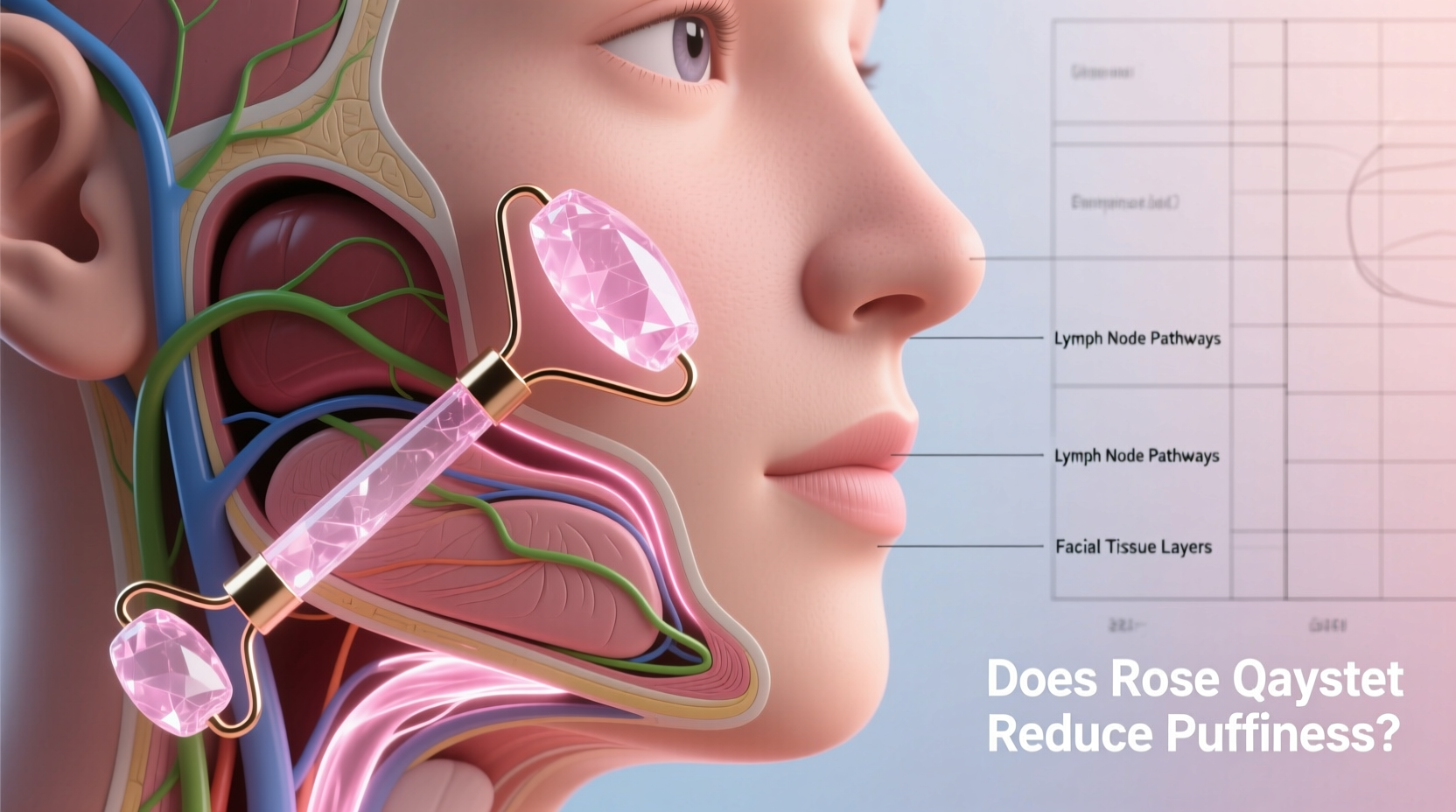
Facial puffiness, particularly around the eyes and cheeks, is often caused by fluid accumulation in the soft tissues. This can result from poor lymphatic drainage, high sodium intake, lack of sleep, allergies, or hormonal fluctuations. When fluid pools under the skin, it creates a swollen appearance that many find unflattering—especially upon waking.
The body's lymphatic system plays a crucial role in removing excess fluids and waste. Unlike the circulatory system, which has the heart to pump blood, the lymphatic system relies on muscle movement and external pressure to circulate lymph fluid. This is where manual techniques like facial massage and tools such as the rose quartz roller come into play.
“Facial massage can stimulate lymphatic flow, helping to drain stagnant fluid and reduce temporary puffiness. It’s not magic—it’s biomechanics.” — Dr. Lena Patel, Board-Certified Dermatologist
Studies on manual lymphatic drainage (MLD) have shown measurable reductions in edema (swelling) in both clinical and aesthetic settings. While most research focuses on post-surgical recovery, the same physiological principles apply to mild, everyday puffiness. Gentle, directional pressure applied to the face encourages lymph fluid to move toward drainage points near the ears, jawline, and neck.
How a Rose Quartz Roller Works
A rose quartz roller typically consists of a handheld tool with two stones—one larger for cheeks and forehead, one smaller for under-eyes and nose—mounted on a metal base. The stone is naturally cool to the touch, especially when stored in the refrigerator, and is rolled over the skin in specific upward and outward motions.
The mechanism of action involves three key factors:
- Lymphatic stimulation: Rolling in the correct direction follows lymphatic pathways, encouraging fluid movement away from puffy areas.
- Vasoconstriction: The cool temperature of the stone causes blood vessels to temporarily constrict, reducing inflammation and redness.
- Muscle relaxation: Gentle pressure can ease tension in facial muscles, which may contribute to a smoother, less bloated appearance.
While any smooth, cool tool could theoretically produce similar effects, proponents argue that rose quartz offers additional energetic or vibrational properties. However, these claims fall outside the scope of evidence-based medicine and are largely anecdotal.
Tip: For maximum de-puffing effect, store your rose quartz roller in the refrigerator overnight. The cold enhances vasoconstriction and feels soothing on tired skin.Does the Material Matter? Rose Quartz vs. Alternatives
Rose quartz is a form of silicon dioxide with a hardness of 7 on the Mohs scale, making it durable and smooth enough for facial use. Its popularity stems not only from its appearance but also from beliefs in its healing energy—said to promote love, calm, and emotional balance. While these metaphysical qualities may enhance the user experience, they don’t influence physiological outcomes.
Other materials used in facial rollers include jade, amethyst, stainless steel, and even plastic. Each has distinct thermal and tactile properties:
| Material | Cooling Effect | Durability | Cost Range | Notes |
|---|---|---|---|---|
| Rose Quartz | High | High | $$–$$$ | Natural cooling; dense and smooth; popular for aesthetic appeal |
| Jade | Moderate | Moderate | $–$$ | Traditionally used in Chinese medicine; slightly softer than quartz |
| Stainless Steel | Very High | Very High | $$$ | Holds cold longest; medical-grade hygiene; less common in home use |
| Plastic/Ceramic | Low | Variable | $ | Budget-friendly but less effective at retaining cold |
From a functional standpoint, rose quartz performs well due to its density and ability to retain cold. However, there is no clinical evidence proving it superior to other cooling materials in reducing puffiness. The choice often comes down to personal preference, budget, and ritual significance.
Step-by-Step Guide to Using a Rose Quartz Roller for Puffiness
To achieve optimal results, technique matters more than the tool itself. Incorrect rolling can stretch the skin or push fluid into unwanted areas. Follow this clinically informed routine for best de-puffing outcomes:
- Prep your skin: Cleanse your face and apply a light serum or facial oil. Rolling on dry skin increases friction and may cause micro-tearing.
- Start cold: Remove the roller from the fridge (not freezer) and wipe it clean.
- Begin at the center: Start with the under-eye area. Use the small end and roll outward from the inner corner toward the temple—never drag downward.
- Move to cheeks: Place the large roller at the nose and glide outward along the cheekbone toward the ear. Repeat 3–5 times per side.
- Tackle the jawline: Roll from under the chin outward along the jaw to the lymph nodes near the earlobe. This helps drain fluid buildup.
- Forehead and brows: Roll upward from the eyebrows to the hairline, then horizontally across the forehead.
- Neck release: Finish by rolling down the sides of the neck to encourage full drainage.
- Clean after use: Wash the roller with mild soap and water to prevent bacterial buildup.
Perform this routine for 3–5 minutes each morning for visible results within a week. Consistency amplifies benefits, especially for those prone to morning puffiness.
“I started using a rose quartz roller every morning after noticing persistent under-eye swelling. Within ten days, my face looked more contoured, and my concealer stayed put longer.” — Sarah K., 34, graphic designer (Mini Case Study)
Common Misconceptions and What Research Says
Despite growing popularity, several myths surround the rose quartz roller. Addressing them helps clarify its actual capabilities:
- Myth: It tightens sagging skin. Fact: There’s no evidence that rolling stimulates collagen production enough to lift skin. Any lifting effect is temporary, due to improved circulation and reduced fluid retention.
- Myth: It replaces professional treatments. Fact: While helpful for maintenance, it doesn’t match the results of radiofrequency, microneedling, or injectables.
- Myth: Bigger pressure equals better results. Fact: Excessive force can damage capillaries or irritate sensitive skin. Always use light, gliding motions.
A 2021 pilot study published in the *Journal of Cosmetic Dermatology* observed a 23% reduction in under-eye puffiness after 14 days of twice-daily facial rolling combined with cold therapy. While limited in scope, the findings support the idea that mechanical stimulation and temperature play a measurable role in reducing edema.
Checklist: Maximizing Your Roller’s Effectiveness
Use this checklist to ensure you’re getting the most out of your rose quartz roller:
- ✅ Store the roller in the refrigerator before morning use
- ✅ Use a facial oil or serum to reduce friction
- ✅ Roll in upward and outward motions only
- ✅ Focus on lymph node zones: temples, jawline, ears, neck
- ✅ Limit sessions to 3–5 minutes to avoid overstimulation
- ✅ Clean the roller weekly with gentle soap and water
- ✅ Pair with a low-sodium diet and hydration for systemic de-puffing
Frequently Asked Questions
Can a rose quartz roller really reduce puffiness?
Yes, but conditionally. It reduces temporary puffiness caused by fluid retention through lymphatic stimulation and cooling. It won’t eliminate genetic under-eye bags or deep tissue swelling, but regular use can lead to a visibly flatter, more refreshed appearance.
How often should I use it?
For de-puffing, daily use—especially in the morning—is ideal. Some users also incorporate it into evening routines to relieve facial tension. Avoid overuse, as excessive massage may irritate sensitive skin.
Is rose quartz better than jade for reducing puffiness?
Not necessarily. Both stones are effective due to their natural coolness and smooth texture. Rose quartz is denser and may stay colder longer, but jade has been used for centuries in traditional practices. Functionally, the difference is minimal.
Conclusion: Beyond the Hype, Real Benefits Exist
The rose quartz roller is more than just a luxury item—it’s a practical tool rooted in basic physiological principles. While its Instagram-worthy appearance and spiritual associations contribute to its allure, its ability to reduce puffiness is supported by lymphatic mechanics and thermal therapy. When used correctly, it can deliver noticeable, short-term improvements in facial contour and skin vitality.
That said, it’s not a miracle cure. Its value lies in consistency, proper technique, and integration into a broader skincare and wellness routine. Whether you choose rose quartz, jade, or another material, the real benefit comes from the act of mindful self-care and the physical effects of gentle massage.
🚀 Ready to see if it works for you? Try a 7-day rolling challenge every morning—track changes in puffiness, skin tone, and overall radiance. Share your results and join the conversation on what truly works in non-invasive skincare.