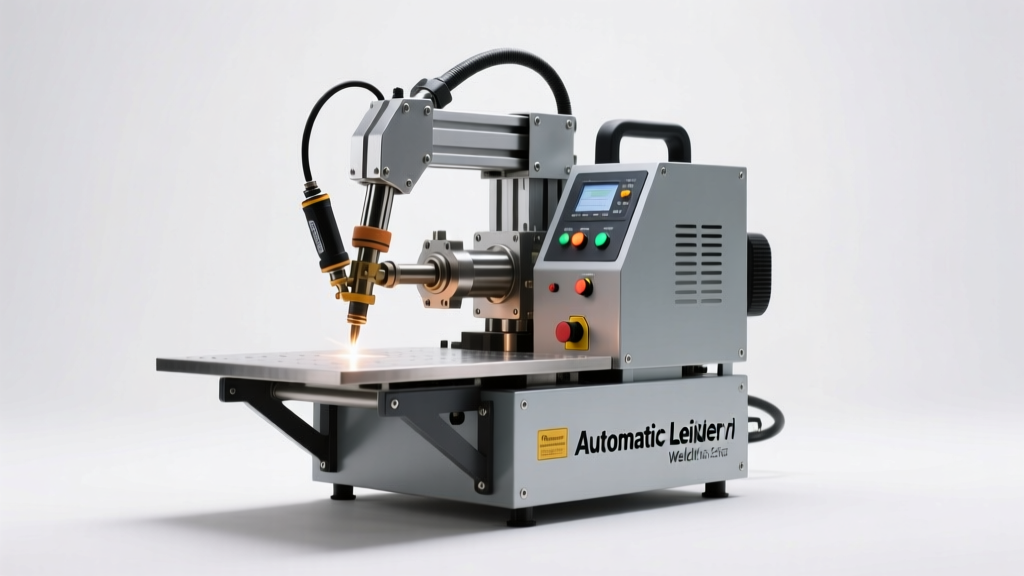
Types of Small Intermittent Duty Motors
A small intermittent motor is engineered to operate in short, periodic cycles rather than continuous use. These motors are designed to deliver high performance during active intervals while allowing for rest periods that prevent overheating and extend service life. Ideal for applications requiring bursts of motion or precision control, they are widely used across automotive, robotics, consumer electronics, and industrial automation sectors.
DC Intermittent Duty Motors
Direct Current (DC) motors optimized for on-off operation cycles. These motors excel in environments with variable loads and require efficient energy use during short bursts of activity.
Advantages
- High starting torque
- Simple speed control
- Energy-efficient for short cycles
- Compact and lightweight design
Limitations
- Limited continuous operation capability
- Brush wear in brushed variants
- Requires duty cycle management
Best for: Automotive accessories (power windows, seats), portable tools, battery-powered devices
AC Intermittent Duty Motors
Alternating Current (AC) motors built for non-continuous service. Designed with thermal protection and intermittent ratings to allow cooling between cycles, enhancing longevity.
Advantages
- Robust performance under load
- No brushes (maintenance-free)
- Suitable for fixed-speed applications
- High reliability in industrial settings
Limitations
- Less efficient for rapid start-stop cycles
- Requires external control for speed variation
- Larger size compared to DC equivalents
Best for: Fans, compressors, HVAC dampers, household appliances with periodic operation
Stepper Motors
Electromechanical motors that convert digital pulses into precise mechanical rotation. Each pulse moves the motor shaft by a fixed angle ("step"), enabling accurate positioning without feedback sensors.
Advantages
- Exceptional positional accuracy
- No feedback required (open-loop control)
- Excellent low-speed torque
- Repeatable motion control
Limitations
- Potential for missed steps under overload
- Limited high-speed performance
- Can vibrate or resonate at certain frequencies
Best for: 3D printers, CNC machines, robotics, scanners, and other precision motion systems
Servo Motors
Closed-loop systems that use feedback (usually an encoder) to precisely control position, speed, and acceleration. Ideal for dynamic, responsive applications requiring real-time correction.
Advantages
- High accuracy and repeatability
- Fast response to control signals
- Excellent torque-to-size ratio
- Self-correcting via feedback
Limitations
- More complex control circuitry needed
- Higher cost than open-loop systems
- Sensitive to improper tuning
Best for: Robotics, RC vehicles, automated assembly lines, camera gimbals, and industrial actuators
Geared Intermittent Motors
Compact motors integrated with a gearbox to reduce output speed and increase torque. This makes them ideal for applications needing high force at low rotational speeds during intermittent operation.
Advantages
- High torque at low speeds
- Improved mechanical advantage
- Compact solution for space-constrained designs
- Reduced motor strain during peak loads
Limitations
- Gear wear over time
- Added complexity and potential backlash
- Slight efficiency loss due to friction
Best for: Windshield wipers, conveyor systems, valve actuators, and small robotic joints
| Motor Type | Control Method | Accuracy | Torque Output | Typical Applications |
|---|---|---|---|---|
| DC Intermittent | Open-loop | Medium | High (short bursts) | Power seats, windows, portable tools |
| AC Intermittent | Fixed/On-Off | Low | Medium | Fans, compressors, HVAC systems |
| Stepper Motor | Open-loop (digital steps) | Very High | Good at low speed | 3D printers, CNC, robotics |
| Servo Motor | Closed-loop (feedback) | Extremely High | Excellent (dynamic) | Automation, RC, precision actuators |
| Geared Motor | Varies (DC/AC + Gearbox) | Medium | Very High (geared down) | Wipers, conveyors, valves |
Expert Tip: When selecting a small intermittent motor, always verify the duty cycle rating (e.g., 15%, 25%, 30%) to ensure compatibility with your application’s on/off timing. Exceeding the rated duty cycle can lead to overheating and premature failure.
Materials for Small Intermittent Motors: Performance, Applications & Selection
Small intermittent motors are essential components in a wide range of modern devices, from consumer electronics to industrial automation systems. These motors operate in short bursts rather than continuous runs, making them ideal for applications requiring precise control and energy efficiency. The materials used in their construction are carefully selected to enhance performance, durability, thermal management, and cost-effectiveness.
Below is a detailed breakdown of the key materials used in small intermittent motors, including their properties, functions, and real-world applications.
Copper Wire – High-Efficiency Conductivity
Copper is the gold standard for motor windings due to its superior electrical conductivity, second only to silver among common metals. In small intermittent motors, copper wire minimizes resistive losses (I²R losses), ensuring efficient conversion of electrical energy into mechanical motion.
Enamel-coated copper windings are typically used to prevent short circuits while maintaining tight coil packing. Motors with copper windings are preferred in high-performance applications such as power tools, electric vehicles, and robotics, where efficiency and heat management are critical.
Key Benefits: Low resistance, excellent thermal conductivity, long-term reliability under repeated cycling.
Steel – Magnetic Core Foundation
The stator and rotor cores of small motors are commonly made from carbon steel or, more frequently, silicon steel (also known as electrical steel). These materials are laminated into thin sheets to reduce eddy current losses—a major source of inefficiency in alternating magnetic fields.
Silicon steel enhances magnetic permeability while minimizing hysteresis loss, making it ideal for both AC and DC intermittent motors. Its ability to rapidly magnetize and demagnetize supports the quick start-stop cycles typical of servo and stepper motors.
Applications: Household appliances, HVAC systems, industrial actuators, and automated machinery.
Aluminum – Lightweight Structural Component
Aluminum is widely used in motor housings and occasionally in rotor bars (especially in squirrel-cage designs) due to its low density and excellent corrosion resistance. While not as conductive as copper, aluminum helps reduce the overall weight of the motor, which is crucial in portable and mobile applications.
In drones, electric bicycles, and handheld devices, lightweight motors improve energy efficiency and extend battery life. Aluminum also offers good thermal dissipation, helping manage heat buildup during intermittent operation.
Trade-offs: Lower tensile strength than steel; requires careful design to avoid deformation under stress.
Engineered Plastics – Insulation & Precision Components
High-performance polymers such as nylon, PBT (polybutylene terephthalate), and PEEK (polyether ether ketone) are used in gear trains, end caps, terminal blocks, and insulation layers. These materials offer excellent dielectric strength, dimensional stability, and resistance to heat and chemicals.
In small servo motors and stepper motors, plastic gears reduce noise and eliminate the need for lubrication. Their flexibility in molding allows for complex geometries, enabling compact and cost-effective motor designs.
Common Uses: Consumer electronics (printers, cameras), hobby robotics, medical devices, and smart home systems.
Graphite – Brush Material in Brushed Motors
Graphite remains a key material in brushed DC motors, where it forms the brushes that conduct current to the rotating commutator. Despite the rise of brushless technology, graphite brushes are still valued for their self-lubricating properties, moderate conductivity, and wear resistance.
In intermittent-use devices like electric razors, toothbrushes, and small pumps, graphite brushes provide reliable performance over thousands of cycles. However, they do generate dust and require periodic replacement, limiting their use in sealed or maintenance-free systems.
Note: Modern alternatives include precious metal brushes for low-current applications and composite carbon-graphite blends for improved longevity.
Ceramics – Advanced Magnets & Insulators
Ceramic materials, particularly ferrite ceramics, are commonly used to manufacture permanent magnets in brushless DC (BLDC) motors and stepper motors. These magnets are sintered from iron oxide and barium/strontium carbonate, offering high coercivity and excellent resistance to demagnetization.
Ceramic magnets are cost-effective and thermally stable, making them suitable for environments with fluctuating temperatures. Additionally, ceramic insulators are used in high-voltage motor components due to their superior dielectric properties and mechanical rigidity.
Applications: Electric vehicle subsystems, aerospace actuators, industrial automation, and high-reliability medical equipment.
| Material | Primary Function | Advantages | Typical Applications |
|---|---|---|---|
| Copper Wire | Conductive Windings | High conductivity, low energy loss, excellent thermal performance | Power tools, EVs, robotics |
| Silicon Steel | Magnetic Core (Stator/Rotor) | Reduces eddy currents, high permeability, low hysteresis loss | AC/DC motors, compressors, fans |
| Aluminum | Housing & Rotor Components | Lightweight, corrosion-resistant, good heat dissipation | Drones, e-bikes, portable tools |
| Engineered Plastics | Insulation, Gears, Housings | Low cost, electrically insulating, design flexibility | Consumer electronics, robotics |
| Graphite | Brushes in DC Motors | Self-lubricating, durable, conductive | Electric razors, small pumps |
| Ceramics | Permanent Magnets, Insulators | Magnetically stable, wear-resistant, high-temperature tolerant | Aerospace, EVs, industrial motors |
Material Selection Tips for Engineers and Designers
Important: Always consider the full system requirements when selecting motor materials. Substituting one material for another without analyzing thermal, electrical, and mechanical impacts can lead to premature failure, safety hazards, or reduced efficiency. Consult manufacturer datasheets and adhere to industry standards (e.g., NEMA, IEC) for optimal results.
Commercial Use Cases of Small Intermittent Motors
Small intermittent motors—designed for short bursts of operation rather than continuous use—are integral to a wide range of commercial applications. Their ability to deliver reliable performance under variable loads, combined with compact size and energy efficiency, makes them ideal for equipment that operates in cycles. Below is a comprehensive overview of their key commercial use cases, including technical considerations and real-world applications.
Automotive Applications
Intermittent motors are essential in modern vehicles, where they power a variety of comfort and convenience systems that operate in short, controlled cycles. These motors are engineered for durability, precision, and quiet operation.
- Power Windows and Mirrors: Operate on demand with precise control, enabling smooth up/down movement and fold/adjust functions.
- Adjustable Seats: Enable forward/backward, recline, and lumbar adjustments with reliable torque delivery.
- Wiper Systems: Function intermittently based on sensor input or driver settings, adapting to weather conditions.
Key Benefit: High efficiency and compact design allow integration into tight spaces without compromising performance.
HVAC Systems
In heating, ventilation, and air conditioning (HVAC) systems, intermittent motors drive fans, blowers, and dampers to regulate airflow and temperature. Their cyclic operation aligns with thermostat demands, improving energy efficiency.
- Fan Motors: Cycle on and off to maintain desired indoor climate, reducing energy consumption.
- Blower Assemblies: Used in furnaces and air handlers to distribute conditioned air as needed.
- Damper Control: Small motors adjust airflow direction and volume in zoned HVAC systems.
Pro Tip: Motors with variable speed control enhance comfort and reduce mechanical wear over time.
Industrial Machinery
In industrial environments, small intermittent motors are used in equipment that operates in repetitive cycles, such as conveyors, pumps, and automated valves. Their reliability ensures minimal downtime in production lines.
- Conveyor Systems: Drive indexing belts that move products between stations in timed intervals.
- Fluid Pumps: Operate in cycles to transfer liquids or coolants in manufacturing processes.
- Actuators and Valves: Control flow and positioning with precision in automated systems.
Critical Factor: Motors must withstand dust, vibration, and temperature extremes—look for IP-rated enclosures and robust bearings.
Consumer Electronics
Compact intermittent motors are widely used in consumer devices that require brief, precise movements. Their low noise and energy efficiency make them ideal for home and office environments.
- Cooling Fans: Found in computers, projectors, and gaming consoles to prevent overheating.
- Printers and Scanners: Move print heads, paper trays, and scanning mechanisms with accuracy.
- Legacy Devices: Power tape mechanisms in VCRs and CD/DVD drives (though less common today).
Design Insight: Brushless DC (BLDC) motors are increasingly preferred for longer life and quieter operation.
Home Appliances
Modern appliances rely on small intermittent motors to perform specific tasks during different stages of operation. These motors are optimized for repeated start-stop cycles and varying load conditions.
- Washing Machines: Drive drum agitation and spin cycles with variable speed control.
- Dishwashers: Power spray arms and drain pumps during wash and rinse phases.
- Refrigerators: Operate defrost heaters and evaporator fans on timed intervals.
Efficiency Note: Motors with electronic speed control improve water and energy savings in eco-friendly models.
Robotics and Automation
Intermittent duty motors are fundamental in robotics, where precise, repeatable motion is required for tasks such as assembly, sorting, and material handling.
- Robotic Joints: Enable controlled movement in arms and grippers using servo or stepper motors.
- Linear Actuators: Convert rotational motion into linear movement for positioning systems.
- Conveyor Indexing: Move products in automated packaging and inspection lines.
Innovation Trend: Integration with IoT and AI allows real-time monitoring and adaptive control for smarter automation.
Professional Insight: When selecting intermittent motors for commercial applications, prioritize motors with thermal protection, sealed bearings, and compatibility with control systems (e.g., PWM or relay-based). For high-cycle environments, consider brushless models to reduce maintenance and extend service life.
| Application | Motor Type | Typical Duty Cycle | Key Performance Requirements |
|---|---|---|---|
| Automotive Accessories | DC Permanent Magnet | Short bursts (5-30 sec) | Quiet operation, high starting torque |
| HVAC Blowers | Shaded Pole or EC Motor | Intermittent (on/off cycling) | Energy efficiency, variable speed |
| Industrial Conveyors | AC Induction or Stepper | Cyclic (1-5 min intervals) | Durability, overload tolerance |
| Consumer Electronics | Brushless DC (BLDC) | Brief operation (seconds) | Compact size, low noise |
| Appliances | Universal or Capacitor-Start | Programmed cycles (2-10 min) | Moisture resistance, reliability |
| Robotics | Servo or Stepper | Precise pulses (milliseconds) | Position accuracy, fast response |
Additional Considerations for Commercial Use
- Lifespan and Maintenance: Intermittent motors typically last longer than continuous-duty motors due to reduced thermal stress, but regular inspection is still recommended in high-use environments.
- Energy Efficiency: Motors with high efficiency ratings reduce operational costs, especially in systems that cycle frequently.
- Noise Levels: Critical in consumer-facing applications; look for motors with vibration damping and acoustic shielding.
- Control Integration: Compatibility with microcontrollers, PLCs, or smart home systems enhances automation capabilities.
- Environmental Resistance: Sealed or coated motors are essential for humid, dusty, or corrosive environments.
How to Choose the Right Small Intermittent Motor for Your Application
Selecting the appropriate small intermittent motor is crucial for ensuring optimal performance, reliability, and energy efficiency in your product. Whether you're designing consumer electronics, medical devices, or compact automation systems, understanding the key selection criteria will help you make an informed decision that aligns with both technical requirements and customer expectations.
Important Note: An intermittent duty motor is designed to operate in short bursts with rest periods in between. Using it beyond its rated duty cycle can lead to overheating, reduced lifespan, or premature failure. Always match the motor's specifications to your actual usage pattern.
Key Factors to Consider When Selecting a Small Intermittent Motor
- Application Requirements
The intended use of the motor is the primary driver in selection. Consider the type of load (resistive, inertial, or frictional), required speed (RPM), and torque (rotational force) needed for your application. High-torque applications such as small actuators or robotic joints demand motors with strong starting and holding torque. Conversely, low-power applications like fans, sensors, or small pumps benefit from compact, energy-efficient motors with moderate torque output.
For example, a motor used in a portable medical device may require precise speed control and smooth torque delivery, while one in a toy might prioritize cost-effectiveness and simplicity.
- Duty Cycle and Operating Pattern
The duty cycle defines how long the motor runs versus how long it rests. Intermittent motors are specifically engineered for periodic operation—such as 15 seconds on, 45 seconds off (a 25% duty cycle). Exceeding the recommended duty cycle without adequate cooling can cause thermal stress and damage the windings.
Common intermittent duty ratings include S2 (short-time duty) and S3 (intermittent periodic duty) per IEC standards. Always verify the motor’s rated on-time, cycle frequency, and recommended cooldown periods to ensure compatibility with your application’s operational rhythm.
- Power Source and Voltage Compatibility
Small intermittent motors are available in various power configurations: DC (direct current), AC (alternating current), or battery-powered. DC motors are most common in portable and battery-operated devices due to their simplicity, speed control, and compatibility with low-voltage systems. AC motors are typically used in fixed installations where mains power is readily available.
Ensure the motor’s voltage rating matches your power supply (e.g., 3V, 6V, 12V, 24V). Mismatched voltage can lead to underperformance or overheating. For battery-powered applications, consider efficiency and current draw to maximize battery life.
- Size, Weight, and Mounting Constraints
In compact or portable devices, physical dimensions and weight are critical. Miniature motors (e.g., coreless or micro DC motors) offer high power-to-size ratios and are ideal for space-constrained applications like wearables, drones, or handheld tools.
When selecting, account not only for the motor’s footprint but also for clearance for wiring, cooling airflow, and mounting hardware. Some applications may require specific shaft configurations (D-shaft, round, or gear-equipped) or mounting options (flange, face, or side mount).
- Energy Efficiency and Total Cost of Ownership
While initial cost is a consideration, long-term operational efficiency significantly impacts total cost. A slightly more expensive, high-efficiency motor can reduce energy consumption, extend battery life, and lower heat generation—especially important in sealed or thermally sensitive environments.
Look for motors with high efficiency ratings, low no-load current, and minimal friction losses. Evaluate the trade-off between upfront cost and lifetime savings in energy, maintenance, and replacement frequency.
- Noise and Vibration Levels
In applications such as medical equipment, home appliances, audio devices, or office automation, quiet and smooth operation is essential. Excessive noise or vibration can degrade user experience and indicate mechanical stress.
Opt for motors with precision-balanced armatures, high-quality bearings, and brushless designs (if applicable) to minimize acoustic and mechanical noise. Some manufacturers provide sound pressure level (SPL) data in decibels (dB) under load, which can aid in selection for noise-sensitive environments.
| Selection Factor | Key Questions to Ask | Recommended Motor Types | Common Applications |
|---|---|---|---|
| Application Requirements | What load type? Required torque and speed? | Geared DC, coreless, stepper | Actuators, robotics, valves |
| Duty Cycle | On/off duration? Rest periods? | S2/S3 rated DC motors | Intermittent tools, solenoids |
| Power Source | Battery or mains? Voltage available? | 12V DC, 24V DC, AC synchronous | Portable devices, appliances |
| Size & Weight | Space limitations? Portability needed? | Micro DC, pancake motors | Wearables, drones, cameras |
| Efficiency | Energy-sensitive? Battery-powered? | Brushless DC, high-efficiency DC | Medical devices, IoT sensors |
| Noise & Vibration | Quiet operation required? | Brushless, coreless, shielded | Fans, audio equipment, labs |
Expert Tip: Always request sample motors for real-world testing in your specific application. Lab specifications don’t always reflect performance under actual load, temperature, and duty cycle conditions. Prototype testing helps validate motor suitability before mass integration.
Additional Selection Best Practices
- Consult the manufacturer’s datasheet for detailed performance curves (torque vs. speed, current draw, efficiency)
- Consider environmental factors such as temperature, humidity, and exposure to dust or chemicals
- Verify IP (Ingress Protection) rating if the motor will be used in harsh or outdoor environments
- Check for compliance with relevant standards (e.g., RoHS, CE, UL) for your target market
- Evaluate availability of replacement parts and technical support from the supplier
Choosing the right small intermittent motor involves balancing technical performance, physical constraints, energy efficiency, and cost. By systematically evaluating each factor and testing prototypes under real operating conditions, you can ensure reliable, long-lasting performance in your product. When in doubt, consult with motor engineers or suppliers to tailor the best solution for your unique application needs.
Frequently Asked Questions About Small Intermittent Motors
Q1: What is the ideal setting for employing small intermittent motors?Small intermittent motors are engineered for applications that require short bursts of power rather than continuous operation. Their design makes them highly effective in environments where duty cycles are brief and followed by rest periods. These motors are particularly well-suited for the following applications:
- Automotive Systems: Power windows, seat adjusters, sunroofs, and door locks—where activation occurs in short durations and infrequent intervals.
- HVAC Components: Blowers and fans in heating, ventilation, and air conditioning systems that cycle on and off based on temperature demands.
- Industrial Equipment: Pumps, small conveyors, and actuators used in automated machinery that operate intermittently during production cycles.
- Consumer Electronics: Printers, scanners, coffee makers, and other household appliances that engage motors for brief operational phases.
- Medical Devices: Portable diagnostic tools and adjustable hospital beds that require precise, momentary motor use.
Due to their compact size, energy efficiency, and reliability under periodic loads, small intermittent motors offer a practical solution across diverse industries where sustained operation isn't necessary.
Q2: What is the difference between intermittent duty and continuous duty motors?The key distinction between intermittent and continuous duty motors lies in their operational design, thermal management, and intended use cases:
| Feature | Intermittent Duty Motors | Continuous Duty Motors |
|---|---|---|
| Operating Cycle | Designed for short bursts of operation followed by cooling periods. | Built for 24/7 operation without overheating. |
| Thermal Management | Relies on downtime to dissipate heat; prolonged use can lead to overheating. | Incorporates advanced cooling systems (e.g., fans, heat sinks) for sustained performance. |
| Applications | Power seats, windshield wipers, garage door openers, and small appliances. | Industrial compressors, conveyor systems, refrigeration units, and pumps. |
| Energy Efficiency | Highly efficient during short cycles; minimal energy waste when idle. | Optimized for consistent energy output over long durations. |
| Lifespan Under Load | Long if used within specified duty cycles; shortened by overuse. | Durable under constant load when properly maintained. |
Choosing the right motor type ensures optimal performance, longevity, and safety. Using an intermittent motor in a continuous application can lead to premature failure due to thermal stress.
Q3: Are small intermittent motors suitable for heavy-duty applications?No, small intermittent motors are generally not suitable for heavy-duty applications. These motors are specifically designed for light to moderate workloads that involve periodic activation rather than sustained operation. Here’s why they fall short in heavy-duty scenarios:
- Thermal Limitations: They lack the robust cooling mechanisms needed to handle constant heat buildup, leading to overheating and potential burnout.
- Power Output: Their torque and horsepower ratings are lower compared to motors built for continuous or high-load tasks.
- Duty Cycle Constraints: Exceeding the recommended on/off cycle can degrade insulation, windings, and bearings over time.
- Mechanical Durability: Components such as gears and shafts are often not reinforced for prolonged stress.
For heavy-duty applications—such as large industrial machinery, heavy conveyors, or commercial HVAC systems—a continuous duty motor with higher power ratings and enhanced thermal protection is the appropriate choice. Attempting to use a small intermittent motor in such roles compromises efficiency, safety, and equipment lifespan.
Q4: What are the benefits of using small intermittent motors in vehicles?Small intermittent motors play a crucial role in enhancing vehicle functionality, comfort, and efficiency. Their integration into modern automotive design offers several key advantages:
- Enhanced Comfort and Convenience: Enable smooth and effortless operation of power windows, mirrors, seats, and sunroofs, improving the overall driving experience.
- Energy Efficiency: Consume power only when active, reducing electrical load on the vehicle’s battery and alternator, which contributes to better fuel economy in internal combustion engines and extended range in electric vehicles.
- Compact and Lightweight Design: Their small footprint allows engineers greater flexibility in vehicle layout and packaging, enabling sleeker designs and more interior space.
- Cost-Effective Manufacturing: Simpler construction and lower material costs make them economical for mass production without sacrificing reliability.
- Low Maintenance: With fewer moving parts and limited operational time, these motors typically require little to no maintenance over the vehicle’s lifespan.
- Reliable Performance: Designed to endure repeated start-stop cycles, they deliver consistent performance in critical functions like windshield wipers and door locks.
As automotive technology advances toward electrification and automation, the demand for efficient, compact, and reliable intermittent motors continues to grow.
Q5: Do small intermittent motors come with a specific range of operational costs?Operational costs for small intermittent motors are not fixed but depend on several interrelated factors. While these motors are generally cost-effective, understanding the variables that influence their running expenses is essential for optimizing performance and budgeting:
- Motor Efficiency: High-efficiency motors convert more electrical energy into mechanical work, minimizing energy loss and lowering electricity consumption. Look for motors with premium efficiency ratings (e.g., IE3 or IE4 standards).
- Duty Cycle Duration: Since these motors operate only intermittently, shorter and less frequent cycles result in significantly lower energy usage and reduced wear, translating to lower long-term costs.
- Load Requirements: Motors operating under optimal load conditions run more efficiently. Overloading increases current draw and heat, accelerating component degradation and increasing replacement frequency.
- Power Supply and Voltage Stability: Stable voltage ensures consistent performance; fluctuations can cause inefficiencies and damage, increasing maintenance costs.
- Environmental Conditions: Exposure to dust, moisture, or extreme temperatures may necessitate protective enclosures or more frequent servicing, adding to operational expenses.
- Lifespan and Maintenance: Durable motors with long service intervals reduce downtime and labor costs. Regular inspection and cleaning can extend life and maintain efficiency.
On average, small intermittent motors have low operational costs—especially when matched correctly to their application. For example, a power window motor might cost just a few cents per year in electricity due to minimal usage. However, selecting the right motor, ensuring proper installation, and adhering to usage guidelines are critical to maintaining cost-effectiveness over time.