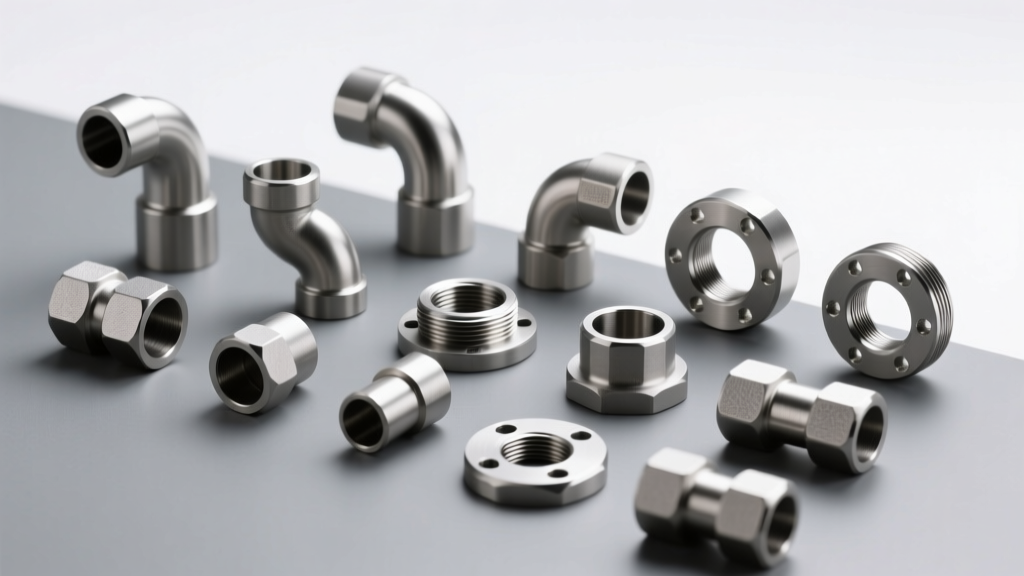
Types of Flexible Hydraulic Hoses for Agriculture
A flexible hydraulic hose is a critical component in agricultural machinery, enabling the efficient transfer of hydraulic fluid under pressure to power implements such as loaders, plows, mowers, and irrigation systems. These hoses must endure extreme operating conditions including high pressure, temperature fluctuations, abrasion, UV exposure, and chemical contact. Choosing the right type ensures optimal performance, safety, and longevity of farm equipment.
Rubber Hydraulic Hoses
One of the most widely used types in agriculture, rubber hoses are valued for their balance of flexibility, durability, and resistance to environmental stressors.
Advantages
- Excellent flexibility for routing around tight spaces
- High resistance to oil-based hydraulic fluids
- Durable under varying temperatures (-40°C to +100°C)
- Vibration-dampening properties protect connected components
- Available in natural or synthetic (e.g., nitrile) rubber compounds
Limitations
- Less UV-resistant than thermoplastics without protective covers
- Can degrade over time with ozone or chemical exposure
- Heavier than thermoplastic alternatives
Best for: General-purpose tractors, loaders, and implements with moderate exposure to sunlight and chemicals
Reinforced Rubber Hoses
An enhanced version of standard rubber hoses, these include internal layers of steel wire braid or spiral reinforcement to handle significantly higher pressures.
Advantages
- Extremely high pressure tolerance (up to 6,000 psi depending on construction)
- Resists kinking and collapse under vacuum
- Long service life in demanding hydraulic circuits
- Multi-layer design prevents fluid leakage and blowouts
- Compatible with most agricultural hydraulic fluids
Limitations
- Stiffer than non-reinforced hoses, requiring more space for bends
- Higher cost due to complex manufacturing
- Requires proper crimping tools for fittings installation
Best for: High-pressure systems like backhoes, hydraulic rams, and precision farming equipment
Thermoplastic Hoses
Engineered for resilience in harsh outdoor environments, thermoplastic hydraulic hoses are increasingly popular in modern agricultural applications.
Advantages
- Superior resistance to UV radiation and ozone
- Lightweight design reduces overall equipment weight
- Excellent chemical resistance to fertilizers, pesticides, and fuels
- High abrasion resistance extends field life
- Remains flexible even in cold weather conditions
Limitations
- Lower heat resistance compared to rubber (typically max 90–100°C)
- Can be more expensive than standard rubber hoses
- Limited availability in some regions
Best for: Sprayers, irrigation systems, and equipment used in direct sunlight or chemically intensive operations
Metal Hoses (Stainless Steel)
Though less common in general farm use, metal hydraulic hoses provide unmatched durability in specialized, high-stress applications.
Advantages
- Exceptional resistance to extreme temperatures (-200°C to +600°C)
- Immune to UV, ozone, and most chemicals
- Extremely high pressure and burst resistance
- Longest service life when properly maintained
- Fire-resistant and non-combustible
Limitations
- Heavy and inflexible, limiting routing options
- Higher installation complexity and cost
- Conducts vibration, potentially damaging connected components
- Potential for galvanic corrosion if not isolated properly
Best for: Permanent installations, high-temperature systems, irrigation pumps, and heavy-duty machinery requiring maximum reliability
| Type | Pressure Rating | Temperature Range | Durability | Best Agricultural Use |
|---|---|---|---|---|
| Rubber Hose | Medium to High | -40°C to +100°C | Good | Tractors, loaders, general implements |
| Reinforced Rubber | Very High | -40°C to +100°C | Excellent | Backhoes, hydraulic cylinders, high-pressure tools |
| Thermoplastic | Medium to High | -40°C to +90°C | Very Good | Sprayers, irrigation, chemical handling |
| Metal (Stainless Steel) | Extremely High | -200°C to +600°C | Exceptional | Permanent systems, high-temp applications |
Expert Tip: Always inspect hydraulic hoses regularly for signs of cracking, bulging, abrasion, or leaks. Replace hoses every 3–5 years or sooner if exposed to extreme conditions. Use proper hose guards in high-wear areas to extend service life and prevent unexpected failures in the field.
Installation Note: Ensure all fittings are compatible with the hose type and properly crimped. Mismatched components or improper assembly can lead to catastrophic failures under pressure, posing serious safety risks.
Key Features of a Flexible Hydraulic Hose for Agricultural Applications
Flexible hydraulic hoses are essential components in modern agricultural machinery, enabling efficient and reliable fluid transfer under demanding field conditions. These hoses serve as the lifelines of hydraulic systems in tractors, harvesters, sprayers, and other farm equipment. Their performance directly impacts operational efficiency, equipment uptime, and overall farm productivity. Understanding the core features of agricultural hydraulic hoses allows farmers and maintenance teams to make informed decisions when selecting, installing, and maintaining these critical components.
Durability and Flexibility
Environmental Resistance
Agricultural hydraulic hoses are engineered to withstand harsh environmental conditions commonly encountered in farming operations. This includes prolonged exposure to ultraviolet (UV) radiation from sunlight, which can degrade standard rubber compounds over time. High-quality hoses incorporate UV-resistant outer covers to prevent cracking and surface deterioration.
In addition, they are resistant to common agricultural chemicals such as fertilizers, pesticides, herbicides, and diesel fuel. The materials used—typically synthetic rubber or thermoplastic elastomers—are specifically formulated to resist chemical breakdown, ensuring long-term integrity even in chemically intensive environments.
Mechanical Flexibility
The flexibility of a hydraulic hose is crucial for applications where movement, vibration, and tight routing are common. These hoses are constructed with reinforced layers that allow them to bend repeatedly without kinking, collapsing, or weakening at the bend points.
This flexibility enables seamless integration into complex machinery layouts, especially in articulated arms, steering systems, and implements that require constant motion. It also reduces stress on connected components, minimizing the risk of leaks or premature failure due to fatigue.
Enhanced Pressure Ratings
High-Pressure Performance
Modern agricultural equipment often operates under high hydraulic pressures to deliver the necessary force for tasks like lifting heavy loads, operating tillage tools, or powering hydraulic motors. Flexible agricultural hydraulic hoses are designed with multiple reinforcement layers—typically braided or spiral-wound steel wire—to handle working pressures ranging from 2,000 psi to over 4,000 psi, depending on the hose type and size.
These pressure ratings are tested rigorously to ensure safety margins, with burst pressures typically 3 to 4 times higher than the maximum working pressure. This ensures reliable operation even during pressure spikes caused by sudden load changes or system shocks.
Pressure Stability and Productivity
Consistent pressure delivery is vital for smooth and predictable equipment performance. A hose that maintains its integrity under pressure prevents flow restrictions, pressure drops, or sudden failures that could halt operations.
By minimizing downtime due to hose bursts or leaks, high-pressure-rated hoses contribute directly to increased productivity, especially during critical periods like planting or harvest seasons when equipment availability is paramount.
Operating Temperature Range
Wide Thermal Tolerance
Agricultural operations span all seasons and climates, exposing hydraulic systems to extreme temperatures. Premium flexible hydraulic hoses are designed to function reliably in a broad temperature range, typically from **-40°C (-40°F) to +100°C (212°F)**, with some specialized variants rated up to 120°C.
At low temperatures, the hose material remains pliable and resistant to cracking, ensuring reliable performance in cold-weather operations such as winter grain handling or early spring fieldwork. At high temperatures, the hose resists softening, swelling, or degradation, maintaining structural integrity even when exposed to hot engine compartments or direct sun.
Fluid Compatibility Across Temperatures
The internal tube of the hose is formulated to remain chemically stable across this temperature spectrum, preventing breakdown when in contact with hydraulic fluids such as mineral oils, synthetic lubricants, or biodegradable fluids. This ensures consistent flow characteristics and prevents internal delamination or particle contamination of the hydraulic system.
This thermal resilience makes the hoses suitable for diverse applications—from refrigerated irrigation controls to high-heat engine-driven pumps—without requiring frequent replacements.
Couplings and Fittings
Secure, Leak-Proof Connections
The performance of a hydraulic hose is only as strong as its weakest connection. Agricultural hydraulic hoses use precision-engineered couplings and fittings made from durable materials such as carbon steel, stainless steel, or brass, often coated with zinc or other corrosion-resistant finishes.
These fittings are permanently crimped or swaged onto the hose using calibrated tools to ensure airtight, high-strength joints that can withstand vibration, pressure cycling, and mechanical stress. Properly installed couplings prevent leaks, fluid loss, and contamination ingress—critical factors in maintaining system efficiency and cleanliness.
Compatibility and Maintenance
Standardized fitting types (such as JIC, ORFS, NPT, or ISO 8434) ensure compatibility across a wide range of agricultural machinery brands and models. This standardization simplifies field repairs and reduces downtime, as replacement hoses or fittings can be sourced quickly and installed with common tools.
Many manufacturers also offer pre-assembled hose kits or quick-connect couplings for rapid maintenance, allowing farmers to swap out damaged lines without specialized equipment. This ease of serviceability enhances operational continuity and reduces reliance on external technicians.
| Feature | Typical Specification | Benefits in Agriculture |
|---|---|---|
| Durability (UV/Chemical) | EPDM or thermoplastic outer cover | Resists sun damage and chemical exposure in field environments |
| Working Pressure | 2,000 – 4,000 psi (varies by size) | Supports high-force implements like loaders and tillers |
| Temperature Range | -40°C to +100°C (-40°F to 212°F) | Operates reliably in all seasons and climates |
| Fitting Types | JIC, ORFS, NPT, ISO | Ensures universal compatibility and easy replacement |
| Flex Life | Rated for millions of bend cycles | Long service life in dynamic machinery applications |
Important: Always match the hydraulic hose specifications—including pressure rating, temperature range, fluid compatibility, and fitting type—to your equipment’s requirements. Using undersized or incompatible hoses can lead to catastrophic failures, safety hazards, and costly downtime. Regular inspection for abrasion, bulging, leaks, or coupling damage is essential for preventing unexpected breakdowns. When replacing hoses, use only OEM-recommended or industry-standard (SAE/ISO) certified components to ensure reliability and safety.
Uses of a Flexible Hydraulic Hose for Agriculture
A flexible hydraulic hose is a critical component in modern agricultural machinery and systems, enabling the efficient transfer of pressurized fluid to power various mechanical operations. Unlike rigid piping, these hoses accommodate movement, vibration, and articulation in complex farm equipment. Hydraulic systems generate and control fluid pressure to perform work, and flexible hoses ensure this power is delivered reliably—even in dynamic environments. Their durability, resistance to environmental stressors, and ability to handle high pressures make them indispensable across numerous farming applications.
Did you know? High-quality agricultural hydraulic hoses are designed to resist UV degradation, extreme temperatures, abrasion, and exposure to chemicals—key factors in ensuring long service life in demanding field conditions.
Irrigation Systems
Flexible hydraulic hoses play a vital role in both center-pivot and linear-move irrigation systems. They transmit hydraulic power to drive motors that rotate pivot arms or propel irrigation lines across fields. These hoses are engineered to handle not only water but also the high-pressure hydraulic fluid that controls directional movement, elevation adjustments, and automated start-stop functions.
- Enable smooth rotation and lateral movement of pivot irrigation systems
- Resist corrosion from prolonged exposure to water and moisture
- Withstand constant flexing and outdoor UV radiation without cracking
- Facilitate remote control and automation of irrigation timing and coverage
Key benefit: Ensures consistent water distribution and reduces system downtime due to hose failure.
Livestock Feeding Systems
In modern livestock operations, automated feeding systems rely on hydraulic power to deliver feed efficiently. Flexible hydraulic hoses connect to hydraulic motors and cylinders that drive augers, conveyors, and dispensing mechanisms. This automation improves feeding accuracy, reduces labor costs, and ensures animals receive consistent nutrition on schedule.
- Power hydraulic actuators in feed mixers and distribution augers
- Operate gates and valves in bulk feed storage and delivery systems
- Support continuous operation in dusty, humid barn environments
- Reduce maintenance needs compared to mechanical linkages
Efficiency gain: Automating feed delivery with hydraulic systems can reduce labor time by up to 70% in large-scale operations.
Crop Spraying Equipment
Hydraulic hoses are essential in sprayers used for applying pesticides, herbicides, fertilizers, and liquid soil amendments. They deliver pressurized hydraulic fluid to power pump systems, control boom articulation, and adjust nozzle height. These hoses must be chemically resistant to prevent degradation from aggressive agricultural chemicals.
- Power high-pressure spray pumps for uniform chemical distribution
- Enable precise boom leveling and folding mechanisms on large sprayers
- Resist breakdown from exposure to solvents, acids, and fertilizers
- Accommodate movement between tractor and sprayer units during operation
Performance tip: Use multi-layer, chemical-resistant hoses with PTFE liners for extended life in spraying applications.
Pressurized Cleaning Systems
Hygiene and sanitation are crucial in dairy farms, poultry houses, and equipment maintenance. Flexible hydraulic hoses are used in high-pressure washers and steam cleaning systems to deliver the force needed to remove organic buildup, mud, and pathogens. These hoses endure extreme pressure and temperature fluctuations during cleaning cycles.
- Transfer high-pressure water or steam in wash-down systems
- Connect to hydraulic-driven pumps in mobile cleaning units
- Resist kinking and abrasion in tight or cluttered barn environments
- Facilitate quick disconnection and repositioning during cleaning routines
Health advantage: Effective cleaning powered by hydraulic systems helps prevent disease outbreaks in livestock facilities.
Greenhouse Automation Systems
Modern greenhouses use hydraulic systems for climate control, ventilation, shading, and irrigation. Flexible hydraulic hoses provide the necessary fluid transfer to operate actuators that open and close vents, deploy shade cloths, and adjust irrigation arms. Their flexibility allows integration into compact, moving parts without leakage or failure.
- Control automated venting systems for optimal temperature regulation
- Drive retractable roof and side-wall mechanisms in advanced greenhouses
- Operate hydraulic dampers in heating and cooling distribution units
- Function reliably in humid, warm environments with minimal maintenance
Innovation note: Hydraulic automation allows precise environmental control, improving crop yield and energy efficiency in greenhouses.
Additional Applications and Best Practices
- Harvesting Equipment: Used in combines and forage harvesters to power header lifts, auger drives, and cutting mechanisms.
- Material Handling: Found in telehandlers and skid steers for lifting, tilting, and dumping operations on the farm.
- Manure Management: Operate pumps and agitation systems in slurry tanks and manure spreaders.
- Hose Selection Tip: Always match hose pressure rating (PSI) and chemical compatibility to the specific application.
- Maintenance Advice: Inspect hoses regularly for bulges, cracks, leaks, and abrasion—replace every 3–5 years depending on usage.
- Safety Note: Never exceed the recommended operating pressure; use proper couplings and fittings to prevent blowouts.
| Application | Typical Hose Type | Pressure Range (PSI) | Key Requirements |
|---|---|---|---|
| Irrigation Systems | Multi-spiral wire reinforced | 1,500 – 3,000 | UV resistance, flexibility, water compatibility |
| Livestock Feeding | Braided synthetic rubber | 1,000 – 2,500 | Dust resistance, durability, moderate pressure |
| Crop Spraying | PTFE-lined chemical-resistant | 2,000 – 4,000 | Chemical resistance, high pressure, anti-kink |
| Pressurized Cleaning | High-temp thermoplastic | 2,500 – 5,000 | Heat resistance, abrasion resistance, flexibility |
| Greenhouse Systems | Low-pressure synthetic rubber | 500 – 1,500 | Humidity resistance, compact bend radius |
Professional Recommendation: When selecting hydraulic hoses for agricultural use, prioritize hoses with reinforced layers, proper chemical compatibility, and weather-resistant covers. Investing in high-quality, application-specific hoses reduces downtime, enhances safety, and lowers long-term maintenance costs. Always follow manufacturer guidelines for installation and replacement intervals to ensure optimal performance and safety.
How to Choose a Flexible Hydraulic Hose for Agriculture
Selecting the right flexible hydraulic hose for agricultural applications is a critical decision that directly impacts equipment performance, safety, and operational efficiency. While it may seem straightforward, the selection process involves several interdependent factors unique to farming environments—from extreme weather conditions and high-pressure systems to chemical exposure and mechanical stress. This comprehensive guide outlines the key considerations to help farmers, equipment operators, and maintenance teams make informed decisions when choosing hydraulic hoses for tractors, harvesters, sprayers, irrigation systems, and other farm machinery.
Safety & Performance Warning: Using an improperly rated hydraulic hose can lead to sudden failure, fluid injection injuries, equipment damage, or fire hazards. Always match the hose specifications to your system’s requirements and follow manufacturer guidelines for installation and maintenance.
1. Operating Pressure: Matching Hose Strength to System Demands
Agricultural hydraulic systems vary significantly in pressure requirements depending on the application. High-performance machinery such as combine harvesters, balers, and front-end loaders often operate under intense pressure—sometimes exceeding 3,000 psi. In contrast, simpler systems like hydraulic gates or animal-handling equipment may function at much lower pressures.
To ensure long-term reliability and safety, always select a hydraulic hose with a maximum working pressure rating at least 20–25% higher than your system’s peak operating pressure. This safety margin accounts for pressure spikes during operation and reduces the risk of hose fatigue or burst failure.
- Check your equipment’s hydraulic pump specifications for maximum pressure output
- Look for hoses labeled with SAE (Society of Automotive Engineers) or ISO pressure ratings
- Consider multi-spiral wire-reinforced hoses for high-pressure applications (e.g., 4SP or 4SH)
- Avoid using low-pressure hoses (e.g., textile braid) in dynamic or high-stress environments
2. Length and Diameter: Optimizing Flow and Efficiency
The physical dimensions of a hydraulic hose—its inner diameter (ID) and overall length—play a crucial role in maintaining optimal fluid dynamics. An improperly sized hose can lead to pressure drops, heat buildup, reduced efficiency, and premature wear.
Inner Diameter: Must be matched precisely to the flow rate (GPM) and pressure of the system. Too small a diameter increases fluid velocity and turbulence, causing energy loss and overheating. Too large a diameter adds unnecessary weight and cost without performance benefits.
Length: Keep hoses as short as possible while allowing for full range of motion. Excess length increases pressure drop and the risk of kinking or snagging. Agricultural experts recommend minimizing hose length to reduce fluid resistance and improve system responsiveness.
- Use flow calculators or consult manufacturer charts to determine correct hose ID
- Account for hose expansion under pressure (typically 2–4% in length)
- Ensure proper bend radius is maintained to prevent kinking
- Use swivel fittings where frequent movement occurs to reduce stress
3. Temperature Range: Withstanding Harsh Farm Conditions
Farming operations often take place in extreme climates—from scorching summer fields to freezing winter conditions. Hydraulic hoses must perform reliably across a wide temperature spectrum, both in ambient environment and within the hydraulic fluid itself.
Most standard hydraulic hoses operate safely between -40°F (-40°C) and +212°F (100°C). However, high-performance synthetic hoses can withstand fluid temperatures up to 250°F (121°C), which is essential for heavy-duty equipment that generates significant heat during prolonged use.
- Choose hoses with wide operating temperature ranges for year-round use
- Ensure compatibility with hot hydraulic oil, especially in enclosed systems
- Use insulated or heat-resistant sleeves near exhaust components
- Avoid exposing hoses to direct sunlight for extended periods when possible
4. Chemical and Fluid Compatibility: Resisting Degradation
Agricultural hydraulic hoses are routinely exposed to a variety of aggressive substances beyond standard hydraulic oil. These include diesel fuel, gasoline, fertilizers, pesticides, greases, and cleaning solvents—all of which can degrade rubber compounds and lead to hose failure.
The hose’s inner tube material must be chemically compatible with the specific fluid used in your system. For example, nitrile rubber (NBR) offers excellent resistance to petroleum-based oils, while fluorocarbon (FKM) or PTFE liners are better suited for synthetic or ester-based fluids.
- Verify hose material compatibility with your hydraulic fluid (check manufacturer datasheets)
- Use fuel-resistant covers if hoses are near fuel lines or tanks
- Consider Teflon-lined hoses for aggressive chemical exposure
- Regularly inspect for swelling, cracking, or softening—signs of chemical incompatibility
5. Environmental Durability: Protection Against the Elements
Field conditions subject hydraulic hoses to constant challenges: UV radiation, dirt, dust, mud, manure, and abrasive surfaces like rocks or metal edges. Over time, these factors can degrade the outer cover, leading to reinforcement layer exposure and eventual failure.
Choose hoses with rugged, abrasion-resistant covers designed for outdoor use. Many premium agricultural hoses feature ozone-resistant synthetic rubber (EPDM) or thermoplastic covers that resist cracking and weathering.
- Look for hoses with UV-stabilized outer covers to prevent sun damage
- Use protective sleeves or conduit in high-abrasion zones (e.g., near moving arms)
- Install hoses away from sharp edges or pinch points whenever possible
- Regularly clean hoses to remove chemical residues and abrasive debris
| Hose Selection Factor | Recommended Specification | Risk of Mismatch | Inspection Tip |
|---|---|---|---|
| Operating Pressure | 20–25% above system max pressure | Burst, leakage, injury | Check for bulging or pulsation |
| Hose Diameter | Matched to flow rate and pressure | Overheating, inefficiency | Monitor fluid temperature rise |
| Temperature Range | -40°F to 250°F (-40°C to 121°C) | Crack, hardening, failure | Inspect for brittleness in cold |
| Chemical Resistance | NBR or FKM inner tube | Swelling, degradation | Check for soft spots or leaks |
| Environmental Protection | EPDM or thermoplastic cover | Abrasion, UV damage | Look for cuts, cracks, exposed wire |
Expert Tip: Implement a preventive maintenance schedule for hydraulic hoses. Inspect them monthly for signs of wear, twisting, kinking, or leakage. Replace hoses every 3–5 years, even if they appear intact—rubber degrades over time due to internal stress and environmental exposure.
Additional Best Practices for Agricultural Use
- Always use proper crimping tools and fittings—improper assembly is a leading cause of hose failure
- Label hoses with installation date and system function for easier tracking
- Keep spare hoses on hand for critical equipment to minimize downtime
- Train operators to avoid dragging hoses across rough terrain or sharp objects
- Use quick-connect couplings for frequently disconnected implements (e.g., mowers, sprayers)
Choosing the right flexible hydraulic hose isn't just about matching size and pressure—it's about understanding the full operational context of agricultural machinery. By carefully evaluating pressure, dimensions, temperature, chemical exposure, and environmental conditions, you can select a hose that delivers reliable performance, enhances safety, and reduces costly downtime. When in doubt, consult your equipment manufacturer or a hydraulic specialist to ensure optimal component selection.
Frequently Asked Questions About Agricultural Hydraulic Hoses
Q1: What is the lifespan of a flexible hydraulic hose for agriculture?Modern advancements in hydraulic hose technology have significantly extended their operational life. Under optimal conditions and with proper maintenance, most flexible agricultural hydraulic hoses can last between 5 to 7 years. However, several environmental and operational factors can shorten this lifespan:
- Extreme Temperatures: Prolonged exposure to intense heat or freezing cold can degrade rubber compounds and weaken the hose structure.
- Chemical Exposure: Contact with fertilizers, pesticides, oils, and cleaning agents may cause corrosion or material breakdown.
- Mechanical Stress: Frequent bending, twisting, or abrasion against sharp edges accelerates wear.
- UV Radiation: Sunlight exposure over time leads to cracking and loss of elasticity in non-UV-resistant hoses.
- Operating Pressure: Consistently running above recommended pressure limits stresses the hose layers, increasing the risk of failure.
Regular inspection and adherence to manufacturer guidelines help maximize longevity and prevent unexpected downtime during critical farming operations.
Q2: Can flexible hydraulic hoses be repaired instead of replaced?In most cases, replacement is safer and more cost-effective than repair, especially for field repairs. While minor damage might seem fixable, hydraulic systems operate under high pressure, and compromised integrity can lead to sudden failures. That said, some specialized scenarios allow for professional repair:
- High-Value Hoses: Long or custom-length hoses with expensive fittings may be candidates for professional re-tipping or coupling replacement.
- Minor End Damage: If only the fitting is damaged and the hose body remains intact, a hydraulic technician can cut the end and install a new coupling.
- Mobile Repair Services: Some companies offer on-site hose crimping services, effectively replacing the damaged section rather than attempting a patch.
Important Note: Field repairs using clamps, tape, or epoxy are not recommended—they cannot withstand high pressure and pose serious safety risks. Always prioritize safety and system reliability over temporary fixes.
Q3: What is the ideal way to maintain a flexible hydraulic hose for agriculture?Proper maintenance is crucial for extending hose life and ensuring equipment reliability. Farmers should adopt a proactive care routine:
- Regular Visual Inspections: Check hoses before and after use for signs of wear, including abrasions, cuts, swelling, kinks, and loose fittings.
- Look for Leaks: Even small drips indicate potential seal or fitting failure—address them immediately.
- Avoid Kinking: Never bend a hose beyond its minimum bend radius; kinks restrict flow and damage internal reinforcement.
- Clean Systems: Flush contaminants from hydraulic fluid and clean hose exteriors to prevent buildup of dirt and chemicals.
- Proper Storage: When not in use, store equipment in a dry, shaded area. Coil hoses loosely and protect them from direct sunlight, moisture, and pests.
- Use Protective Sleeving: Install spiral guards or abrasion-resistant sleeves in high-wear areas to shield against rubbing and impact.
Implementing these practices reduces unplanned breakdowns and helps maintain peak performance during planting, harvesting, and other critical seasons.
Q4: What are the common indicators of a worn-out hydraulic hose?Recognizing early warning signs of hose degradation is essential for preventing catastrophic failures. Key indicators include:
- Visible Cracks or Crazing: Small surface cracks (especially on the outer cover) signal aging and material fatigue.
- Bulges or Blisters: Swelling along the hose length indicates internal reinforcement failure—immediate replacement is required.
- Fluid Leaks: Oozing or spraying hydraulic fluid from the hose body or connections is a clear sign of damage.
- Reduced Equipment Performance: Slow actuator response, loss of power, or inconsistent operation may stem from internal hose collapse or debris.
- Twisting or Deformation: A hose that appears twisted, flattened, or misshapen has likely suffered structural damage.
- Stiffness or Hardening: Loss of flexibility often means the rubber has degraded due to heat or chemical exposure.
Ignoring these symptoms can lead to sudden hose bursts, equipment damage, fluid contamination, and even injury. A preventive replacement strategy based on inspection and usage history is far more economical than emergency repairs.
Q5: Are agricultural hydraulic hoses used on machinery outside of farming?Yes, while designed with agricultural demands in mind—such as durability in dusty, uneven terrain and compatibility with common farm implements—flexible hydraulic hoses are widely used across multiple industries. Their robust construction makes them suitable for various high-pressure applications:
| Industry | Common Applications | Key Requirements |
|---|---|---|
| Construction | Excavators, loaders, backhoes, cranes | High burst pressure, abrasion resistance, flexibility in tight spaces |
| Industrial Manufacturing | Presses, conveyors, robotic arms | Consistent performance, temperature resistance, long service life |
| Mining | Drills, haul trucks, crushers | Extreme durability, resistance to oils and chemicals |
| Material Handling | Forklifts, telehandlers, dump trucks | Vibration resistance, secure fittings, ease of replacement |
The key to cross-industry compatibility lies in meeting specific performance standards such as SAE 100R series ratings, proper pressure ratings, fluid compatibility, and temperature ranges. Always verify that the hose meets the technical specifications of the intended application, regardless of its original design purpose.