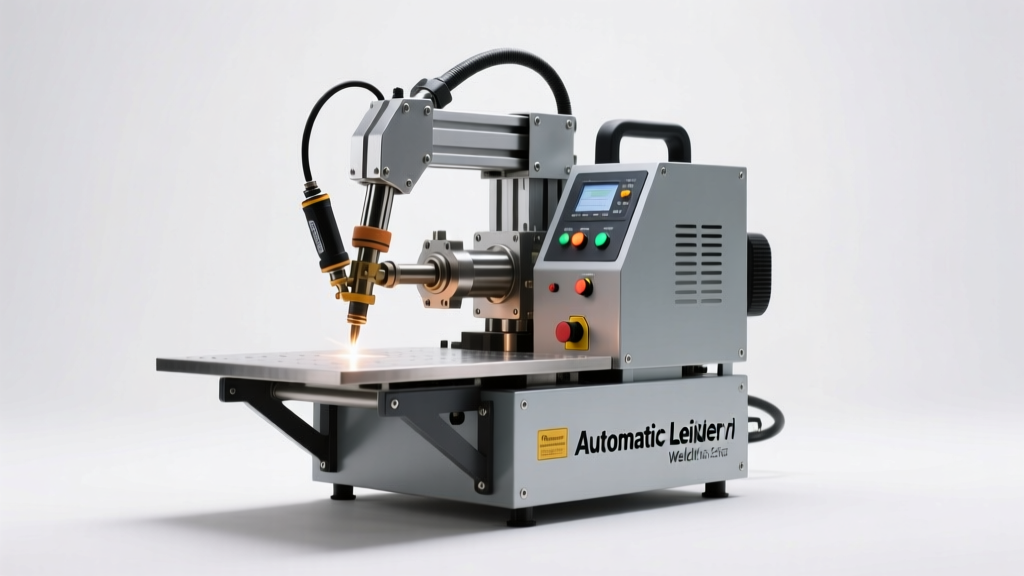
Types of Hot Sale Bearing Spindles
A bearing spindle is a critical rotating component in industrial machinery that supports and enables precise rotational motion. These spindles are essential in applications ranging from CNC machining to heavy-duty manufacturing. Suppliers often offer various types of high-demand spindles designed for specific performance needs, including precision, durability, and speed. Choosing the right type depends on factors such as load capacity, operating environment, lubrication method, and required accuracy.
CNC Spindle Bearings
Engineered for high-precision computerized numerical control (CNC) machines, these spindles utilize advanced angular contact ball bearings preloaded tightly to eliminate play and ensure maximum rigidity during high-speed operations.
Advantages
- Exceptional rotational accuracy and stability
- Handles combined radial and axial loads efficiently
- Minimizes vibration for superior surface finish
- Ideal for high-speed machining applications
Limitations
- Higher cost due to precision engineering
- Requires careful installation and alignment
- Sensitive to contamination without proper sealing
Best for: CNC milling machines, lathes, grinding equipment, and other precision machining centers
Hydraulic Spindle Bearings
These spindles incorporate hydraulic systems to dynamically adjust bearing stiffness by modulating fluid pressure, allowing real-time control over cutting force and tool engagement.
Advantages
- Adjustable stiffness for variable cutting conditions
- Improved damping of vibrations and chatter
- Enhanced tool life and machining precision
- Suitable for hard materials and deep cuts
Limitations
- Complex system requiring hydraulic power unit
- Higher maintenance and operational costs
- Not ideal for compact or mobile setups
Best for: Heavy-duty metalworking, composite material processing, aerospace component manufacturing
Grease-Lubricated Spindles
One of the most common and reliable spindle types, these use high-performance grease to reduce friction between rolling elements. They are sealed units designed for long-term operation with minimal maintenance.
Advantages
- Simple, cost-effective design
- Low maintenance and easy to install
- Effective in a wide range of temperatures
- Long service life under normal conditions
Limitations
- Not suitable for very high-speed continuous use
- Heat dissipation is less efficient than oil-based systems
- Re-lubrication can be challenging in sealed models
Best for: Low-to-medium speed applications, small workshops, general-purpose machinery, and light industrial use
Electric Spindle Bearings
Integrated motor spindles where the electric motor is built directly into the spindle housing, eliminating belts, gears, and external drive systems for direct power transmission.
Advantages
- High power density and torque efficiency
- Compact design with reduced mechanical losses
- Supports variable speed control for flexible machining
- Lower noise and vibration levels
Limitations
- Higher initial investment cost
- Requires specialized cooling systems (air or liquid)
- More complex troubleshooting and repair
Best for: High-speed machining centers, automated production lines, EV manufacturing, and advanced robotics
| Type | Speed Range | Maintenance | Precision Level | Typical Applications |
|---|---|---|---|---|
| CNC Spindle Bearings | High (10,000–40,000 RPM) | Moderate | Very High | Precision machining, aerospace, medical devices |
| Hydraulic Spindle Bearings | Medium-High (5,000–20,000 RPM) | High | High | Heavy metal cutting, composite shaping |
| Grease-Lubricated Spindles | Low-Medium (1,000–10,000 RPM) | Low | Moderate | General manufacturing, small workshops |
| Electric Spindle Bearings | Very High (20,000–100,000 RPM) | Moderate-High | Very High | Digital manufacturing, automation, EVs |
Expert Tip: When selecting a spindle bearing, always consider the duty cycle, ambient temperature, and load profile. For high-speed applications, proper cooling and preload adjustment are crucial to prevent premature wear and thermal expansion issues.
Industrial Applications of High-Demand Bearing Spindles
Bearing spindles are essential mechanical components that enable precise rotational motion in a wide range of industrial machinery. High-demand or "hot sale" bearing spindles are engineered for durability, accuracy, and performance under rigorous operating conditions. Their widespread adoption across various sectors underscores their critical role in enhancing efficiency, reliability, and product quality. Below is an in-depth look at the key industries leveraging these advanced components.
Automotive Industry
In automotive engineering, bearing spindles are integral to the wheel hub and steering assemblies, serving as the central shaft around which wheels rotate. They provide structural support, ensure smooth wheel articulation, and maintain alignment between the suspension, brakes, and tires. Precision-engineered spindles contribute directly to vehicle stability, handling accuracy, and ride comfort.
The growing demand for enhanced driving safety and performance—especially in electric and high-performance vehicles—has significantly increased the need for high-quality bearing spindles. Manufacturers prioritize low friction, high load capacity, and resistance to wear and corrosion, making advanced spindle technology a key factor in modern vehicle design and after-market upgrades.
Machining Centers
Machining centers rely heavily on bearing spindles to achieve high-speed, high-precision cutting, drilling, and milling operations. These spindles are typically lubricated using either hydraulic systems or grease-based mechanisms to minimize heat buildup and reduce wear during continuous use.
Equipped with precision bearings, machining center spindles ensure minimal runout and vibration, which is crucial for maintaining tight tolerances and surface finish quality. Whether working with metals, composites, or plastics, the consistency and rigidity of the spindle directly influence the accuracy and repeatability of manufactured parts—making them indispensable in CNC manufacturing, aerospace component production, and custom fabrication.
Wind Turbines (Windmills)
In wind energy systems, bearing spindles serve as the critical link between the turbine blades and the main rotor shaft. They support the rotational forces generated by wind-driven blades and transmit mechanical power to the generator, enabling efficient electricity production.
Given the harsh environmental conditions—such as extreme weather, continuous operation, and high dynamic loads—spindles used in wind turbines must be exceptionally robust and resistant to fatigue. High-performance bearing spindles help maximize energy conversion efficiency, reduce maintenance frequency, and extend the operational lifespan of wind farms, contributing significantly to the global shift toward renewable energy sources.
Grinding Machines
Grinding machines utilize bearing spindles to securely hold and rotate grinding wheels at high speeds, enabling precise material removal for finishing operations. These spindles are available in both hydraulic and electric configurations, each optimized for specific grinding applications such as surface, cylindrical, or tool grinding.
The precision of the spindle directly affects the quality of the final surface finish. High-speed stability, minimal vibration, and thermal resistance are essential for achieving fine cuts, smooth polishing, and consistent dimensional accuracy. As industries like aerospace, automotive, and toolmaking demand tighter tolerances and superior surface finishes, the reliance on advanced grinding spindles continues to grow.
Lathes (Conventional & CNC)
Both conventional and computer numerical control (CNC) lathes depend on bearing spindles to rotate workpieces with exceptional precision during turning, facing, threading, and boring operations. The spindle holds the workpiece or cutting tool and must maintain exact rotational alignment to ensure uniform material removal and dimensional accuracy.
The performance and longevity of a lathe are closely tied to the quality of its spindle. High-quality bearing spindles reduce vibration, support high RPMs, and maintain rigidity under cutting loads, all of which enhance productivity and part consistency. In automated CNC environments, where uptime and repeatability are paramount, reliable spindles are vital for maintaining profitability and minimizing unplanned downtime.
| Industry | Primary Function of Bearing Spindle | Performance Requirements |
|---|---|---|
| Automotive | Support wheel rotation and steering alignment | High load capacity, durability, corrosion resistance |
| Machining Centers | Enable high-precision cutting and milling | Low runout, thermal stability, high RPM capability |
| Wind Turbines | Transfer rotational energy from blades to generator | Fatigue resistance, long service life, weather resilience |
| Grinding Machines | Drive grinding wheels for fine surface finishing | Vibration control, high-speed accuracy, rigidity |
| Lathes | Rotate workpieces or tools during turning operations | Precision alignment, minimal deflection, consistent RPM |
Important: Selecting the right bearing spindle for each application requires careful consideration of speed, load, environmental conditions, and maintenance needs. Using substandard or incompatible components can lead to premature failure, reduced efficiency, and safety hazards. Always consult manufacturer specifications and industry standards when integrating or replacing spindle systems.
Product Specifications and Features of Hot-Sale Bearing Spindles
Bearing spindles are critical components in a wide range of industrial, automotive, and machining applications. High-quality spindles ensure smooth rotation, precision performance, and long-term reliability. This guide provides a comprehensive overview of the technical specifications, installation procedures, applications, and maintenance practices essential for maximizing the performance and lifespan of your hot-sale bearing spindle.
Technical Specifications
Understanding the key technical parameters of a bearing spindle is essential for selecting the right component for your application. These specifications determine the spindle’s load capacity, speed capabilities, and overall performance under operational stress.
- Dynamic Load Rating: This measures the maximum radial or axial load a spindle can withstand while in motion, expressed in Newtons (N). A higher dynamic load rating indicates superior durability under operating conditions, making it ideal for high-stress applications such as CNC machining or heavy-duty industrial equipment.
- Static Load Rating: Refers to the maximum load the spindle can support when stationary. This is crucial during startup, shutdown, or holding phases where the spindle isn’t rotating but still under mechanical stress. Exceeding this rating can lead to permanent deformation or brinelling.
- Maximum Speed (RPM): Each spindle has a defined maximum rotational speed, typically measured in revolutions per minute (rpm). High-speed spindles (e.g., 10,000–20,000 rpm) are designed for precision machining, while lower-speed variants suit automotive or conveyor applications. Always ensure the spindle's speed rating matches your system’s operational requirements.
- Rotational Accuracy: Precision is measured in microns (µm), indicating how closely the spindle maintains concentric rotation. High-accuracy spindles (±2–5 µm) are essential for CNC lathes, grinding machines, and other applications requiring tight tolerances and smooth surface finishes.
Key Insight: Always cross-reference load and speed ratings with your application demands to prevent premature wear or failure.
Installation Guidelines
Proper installation ensures optimal performance and extends the service life of the bearing spindle. Incorrect installation is a leading cause of early failure due to misalignment, contamination, or improper preload.
- Clean the Mounting Area: Thoroughly clean the hub, housing, and surrounding surfaces before installation. Remove old grease, dirt, rust, or debris that could compromise alignment or introduce contaminants into the bearing.
- Remove the Old Spindle: Use appropriate tools such as a wrench to loosen the retaining nut and a dedicated spindle puller to safely extract the old unit. Avoid hammering or forcing removal, which can damage the hub or axle.
- Install the New Spindle: Carefully insert the new spindle into the hub, ensuring proper alignment. Secure it with a new locking nut and torque to the manufacturer’s specification to prevent loosening during operation.
- Reattach the Wheel or Component: Reinstall the wheel or machine component, hand-tightening the lug nuts initially to allow for proper seating.
- Lower the Vehicle or Machine: Safely lower the equipment from the jack stand or lift, transferring full weight onto the spindle.
- Final Torque Adjustment: Use a torque wrench to tighten the lug nuts or retaining hardware to the exact specification. This ensures even load distribution and prevents vibration or loosening during use.
Pro Tip: Always replace worn seals, spacers, and hardware during installation to maintain system integrity.
Applications and Usage
Bearing spindles are versatile components used across multiple industries. Their design enables reliable rotation under various loads and speeds, making them indispensable in precision and heavy-duty environments.
- Turning Operations (Lathes): In CNC and manual lathes, spindles rotate the workpiece at precise speeds, enabling accurate cutting, threading, and facing operations. High rigidity and thermal stability are critical for consistent results.
- CNC Machining Centers: Spindles drive cutting tools (e.g., end mills, drills) at high RPMs, requiring excellent balance and minimal runout. Precision spindles enhance surface finish and tool life.
- Grinding Processes: Used to mount grinding wheels in surface, cylindrical, or tool grinding machines. The spindle must maintain extreme accuracy to achieve fine surface finishes and tight dimensional tolerances.
- Automotive Applications: Wheel spindles support hub and rotor assemblies, enabling smooth wheel rotation. They are integral to suspension systems and must endure dynamic loads, vibration, and environmental exposure.
Note: Select spindles based on application-specific requirements—high-speed for machining, high-load for automotive, and high-precision for metrology equipment.
Maintenance and Repair
Regular maintenance is vital to prevent unexpected downtime and extend spindle lifespan. A proactive care routine minimizes wear, reduces friction, and maintains operational efficiency.
- Regular Cleaning: Keep the spindle housing and surrounding areas free from dirt, metal shavings, brake dust, and moisture. Buildup can lead to contamination, corrosion, or restricted movement.
- Proper Lubrication: Lubricate according to the spindle type and manufacturer guidelines. Use high-quality grease for sealed or open bearings, and hydraulic oil only if specified for specialized spindle designs. Over- or under-lubrication can both cause damage.
- Periodic Inspection: Inspect spindles regularly for signs of wear, pitting, corrosion, or abnormal noise. Check for excessive play or axial movement, which may indicate bearing failure.
- Alignment Checks: Ensure the spindle is perfectly aligned with mating components (e.g., motor shaft, pulley). Misalignment causes uneven loading, increased friction, and accelerated wear.
- Load Management: Never exceed the manufacturer-specified dynamic or static load ratings. Overloading generates excessive heat and stress, leading to premature fatigue and potential catastrophic failure.
Best Practice: Implement a scheduled maintenance log to track inspections, lubrication dates, and replacement intervals.
Professional Recommendation: For high-performance applications, invest in spindles with precision-ground shafts, high-grade bearing steel (e.g., SUJ2), and advanced sealing systems. These features significantly improve longevity and reduce maintenance frequency. When in doubt, consult the OEM manual or technical support to confirm compatibility and specifications.
| Application Type | Recommended Spindle Feature | Typical Load Rating (Dynamic) | Max Speed Range (RPM) |
|---|---|---|---|
| CNC Milling | High precision, sealed bearings | 8,000–15,000 N | 8,000–20,000 |
| Lathe Turning | High rigidity, low runout | 6,000–12,000 N | 3,000–10,000 |
| Automotive Wheel Hub | Durable, corrosion-resistant | 10,000–25,000 N | 1,500–4,000 |
| Industrial Grinding | Ultra-precision, thermal stability | 4,000–9,000 N | 6,000–15,000 |
Additional Considerations for Optimal Performance
- Environmental Protection: Use spindles with double-lip seals or labyrinth seals in dusty, wet, or corrosive environments to prevent contamination.
- Thermal Management: High-speed spindles may require cooling systems (air or liquid) to dissipate heat and maintain dimensional stability.
- Noise and Vibration: Precision-balanced spindles reduce operational noise and vibration, improving both performance and operator comfort.
- Material Quality: Look for spindles made from hardened alloy steel or stainless steel for enhanced strength and resistance to wear.
- Warranty and Support: Choose suppliers offering technical support and extended warranties as indicators of product confidence and reliability.
Quality and Safety Considerations of Hot Sale Bearing Spindles
Bearing spindles are critical components in vehicle wheel systems, directly influencing driving safety, performance, and longevity. As demand grows for high-volume "hot sale" spindles, it's essential to understand the key quality and safety factors that differentiate reliable components from substandard ones. This guide explores the most important considerations—material quality, friction reduction, proper installation, lubrication, and load management—to help vehicle owners and technicians make informed decisions and maintain optimal performance.
Safety Warning: A failed or improperly maintained bearing spindle can lead to catastrophic wheel detachment, loss of vehicle control, and serious accidents. Always inspect spindles regularly and replace worn or damaged components immediately. Never compromise on quality when selecting replacement parts.
Check for Bearing Spindle Quality
Investing in high-quality bearing spindles is one of the most effective ways to ensure long-term vehicle safety and reliability. Premium spindles are manufactured from durable, high-strength alloys such as forged chromoly steel or heat-treated carbon steel, which resist deformation under stress and provide structural integrity over time.
High-quality spindles feature precision-machined bearing seats and smooth surface finishes that reduce wear and ensure proper fitment. They are often subjected to rigorous testing for hardness, fatigue resistance, and dimensional accuracy. Look for spindles that meet or exceed OEM (Original Equipment Manufacturer) specifications and are certified by recognized industry standards such as ISO, SAE, or DIN.
- Verify material composition and heat treatment processes used in manufacturing
- Inspect for clean welds (if applicable), absence of casting defects, and consistent finish
- Purchase from reputable suppliers with verifiable quality control procedures
- Avoid counterfeit or unbranded "budget" spindles that may lack proper metallurgical properties
Low Friction Bearings for Enhanced Performance
Low-friction bearing spindles significantly improve driving comfort, fuel efficiency, and component lifespan. Bearings with reduced internal friction allow wheels to rotate more freely, minimizing heat buildup and energy loss. This is particularly important during prolonged driving, high-speed operation, or frequent stop-and-go conditions.
Modern spindles often incorporate sealed ball or roller bearings with advanced cage designs and high-grade steel races that minimize rolling resistance. Some premium models use ceramic hybrid bearings or specialized coatings to further reduce friction and resist corrosion.
Benefits of low-friction systems include:
- Reduced operating temperatures, preventing thermal expansion and premature wear
- Improved fuel economy due to less rotational drag
- Smaller wear rates on tires, hubs, and drivetrain components
- Enhanced responsiveness and smoother ride quality on asphalt, concrete, and rough terrain
Proper Installation and Alignment
Even the highest-quality spindle will fail prematurely if installed incorrectly. Proper alignment and fitting are crucial to ensuring balanced rotation, minimizing vibration, and preventing uneven load distribution.
Misaligned spindles can cause a range of issues, including wobbling wheels, abnormal tire wear, steering instability, and accelerated bearing degradation. In extreme cases, improper installation can lead to spindle breakage or complete wheel separation.
To ensure correct installation:
- Follow manufacturer torque specifications for spindle mounting bolts and hub nuts
- Use precision alignment tools to verify spindle perpendicularity to the axle and chassis
- Ensure all mating surfaces are clean, flat, and free of debris or corrosion
- Double-check bearing preload and endplay according to service manual guidelines
- After installation, perform a thorough inspection of wheel runout and balance
Improperly installed spindles not only endanger the driver but also increase the risk of accidents affecting other road users.
Using Correct Lubrication
Lubrication is vital for reducing friction between the moving parts within the spindle assembly, particularly the bearings. Without adequate lubrication, metal-to-metal contact occurs, leading to rapid wear, overheating, galling, and eventual seizure.
High-performance spindle bearings require the right type, amount, and consistency of grease or oil. Most modern applications use lithium-based or synthetic greases with high-temperature stability and water resistance. Always use lubricants that meet or exceed the manufacturer’s recommendations (e.g., NLGI #2 grade with EP additives).
Best practices for lubrication include:
- Repack wheel bearings during every major service or inspection interval (typically every 30,000–50,000 miles)
- Use clean tools and containers to avoid contamination with dirt or moisture
- Ensure seals are intact and functioning to keep lubricant in and contaminants out
- Replace old, degraded grease completely—do not mix different types or brands
Well-lubricated bearings operate cooler, last longer, and contribute to overall vehicle safety by maintaining consistent performance under varying loads and temperatures.
Load Management and Avoiding Overloading
Exceeding the designed load capacity of a bearing spindle places excessive stress on all components, leading to accelerated wear, deformation, and potential failure. Overloading increases friction, generates excess heat, and can cause micro-cracking in the spindle shaft or housing.
Every spindle is rated for a specific maximum load based on its design, material strength, and bearing configuration. Exceeding this limit—even occasionally—can compromise structural integrity and shorten service life.
To manage load effectively:
- Know your vehicle’s Gross Axle Weight Rating (GAWR) and adhere to it strictly
- Distribute cargo evenly across axles to prevent localized overloading
- Avoid towing or hauling beyond manufacturer specifications
- Upgrade to heavy-duty spindles if operating in demanding conditions (e.g., commercial use, off-road)
- Regularly inspect spindles for signs of stress, such as bending, cracking, or discoloration from overheating
Note: The original text contains a typo ("moderating smartphones load")—this has been corrected to reflect proper context around vehicle load management.
| Safety Factor | Best Practices | Risks of Neglect | Recommended Tools/Products |
|---|---|---|---|
| Spindle Quality | Select OEM-spec or certified aftermarket parts | Structural failure, wheel detachment | Certified spindles, material test reports |
| Friction Control | Use low-friction bearings and smooth finishes | Overheating, increased fuel consumption | Hybrid bearings, precision gauges |
| Installation Accuracy | Follow torque specs and alignment procedures | Vibration, uneven wear, instability | Torque wrench, dial indicator, alignment jig |
| Lubrication | Repack bearings regularly with proper grease | Bearing seizure, corrosion, noise | Synthetic grease, bearing packer, seal installer |
| Load Management | Stay within rated capacity and distribute weight | Spindle bending, fatigue cracks, failure | Load scale, weight distribution chart |
Expert Tip: After installing or servicing a bearing spindle, conduct a break-in inspection after the first 500 miles. Recheck hub nut torque, listen for unusual noises, and feel for heat buildup at the wheel end. This early check can catch developing issues before they become serious safety hazards.
Maintenance Recommendations
- Inspect spindles and bearings during every tire rotation or brake service
- Monitor for signs of play, grinding noises, or excessive heat after driving
- Keep service records documenting inspections, lubrication, and replacements
- Train technicians on proper spindle handling and installation techniques
- Replace both left and right spindles as a set if one shows significant wear
Ultimately, the safety and performance of your vehicle depend heavily on the integrity of its wheel-end components. While "hot sale" bearing spindles may offer attractive pricing, always prioritize quality, proper installation, and preventive maintenance to protect yourself, your passengers, and others on the road. When in doubt, consult a qualified automotive technician for inspection and repair.
Frequently Asked Questions About Bearing Spindles
Q1: What parts define a bearing spindle?A bearing spindle is a precision-engineered rotating shaft that is supported by one or more bearings and is typically integrated into machinery, tool holders, or workpieces. It functions as a critical component in transferring rotational motion and power across mechanical systems. The spindle itself consists of several key parts:
- Shaft: The central rotating element that transmits torque and holds tools or components.
- Bearings: These support the spindle, reduce friction, and ensure smooth rotation under radial and axial loads.
- Housing: The structure that encloses and aligns the spindle and bearings, providing stability and protection.
- Seals and Lubrication System: Prevent contamination and maintain optimal operating temperature by managing lubricant flow.
- Drive Mechanism: May include belts, motors, or gears that provide rotational input to the spindle.
In high-performance applications like CNC machines, spindles are designed for rigidity, minimal runout, and thermal stability to maintain accuracy during extended use.
Q2: Which bearings are suitable for spindle applications?Spindle performance heavily depends on the type of bearing used. The most common rolling element (anti-friction) bearings employed in spindle systems include:
- Ball Bearings: Ideal for high-speed applications with moderate loads; offer low friction and high precision.
- Tapered Roller Bearings: Handle combined radial and axial loads effectively; often used in heavy-duty machine tools.
- Cylindrical Roller Bearings: Provide high radial load capacity and stiffness, suitable for precision grinding spindles.
- Spherical Roller Bearings: Accommodate misalignment and shock loads, though less common in high-speed spindles.
For optimal performance, spindles frequently use thin-section bearings or angular contact ball bearings, which minimize heat generation and allow tighter tolerances. Factors such as speed, load, required lifespan, and environmental conditions determine the best bearing choice. Preloaded bearings are often used to enhance rigidity and eliminate play in precision machining environments.
Q3: Do bearing spindles have a special role in industrial applications?Yes, bearing spindles play a vital and specialized role across multiple industries due to their ability to deliver precise, reliable rotation. Key applications include:
- Machining Tools (e.g., CNC Mills, Lathes): Hold cutting tools and enable high-speed, accurate material removal through drilling, milling, or grinding operations.
- Wind Turbines: Connect turbine blades to the generator via the main shaft, converting wind energy into rotational motion and ultimately electricity. These spindles must endure variable loads and harsh weather conditions.
- Automotive Industry: Found in wheel hub assemblies, where they support the vehicle’s weight while enabling smooth wheel rotation. Modern hub units integrate bearings and sensors for ABS and stability control.
- Aerospace and Robotics: Used in actuators, gyros, and precision positioning systems where reliability and minimal vibration are crucial.
Their role in ensuring operational efficiency, accuracy, and durability makes spindles indispensable in advanced mechanical systems.
Q4: What are the common materials used in spindle manufacturing?The material selection for spindles directly impacts strength, durability, thermal stability, and resistance to wear and corrosion. Common materials include:
| Material | Properties | Typical Applications |
|---|---|---|
| High-Carbon Steel | High strength, rigidity, excellent wear resistance, and cost-effective. | General-purpose machine tool spindles, automotive hubs. |
| Alloy Steels (e.g., 4140, 4340) | Enhanced toughness, fatigue resistance, and hardenability through heat treatment. | Heavy-duty spindles subjected to high stress and cyclic loading. |
| Stainless Steel (e.g., 440C) | Good corrosion resistance and moderate hardness; suitable for clean or wet environments. | Medical devices, food processing equipment, marine applications. |
| Titanium Alloys | Exceptional strength-to-weight ratio, corrosion resistance, and performance at elevated temperatures. | Aerospace components, high-performance racing, and portable precision tools. |
| Ceramic Hybrids (e.g., Si₃N₄ rollers) | Used in hybrid bearings; reduce weight, heat, and friction for ultra-high-speed operation. | High-speed spindles in CNC machining and dental handpieces. |
Advanced spindles may also incorporate surface treatments like nitriding or coatings (e.g., DLC – Diamond-Like Carbon) to further improve performance and lifespan.
Q5: When should a spindle be replaced?Timely spindle replacement is essential for maintaining safety, precision, and equipment longevity. Signs indicating replacement is necessary include:
- Abnormal Rotation: Rough, jerky, or uneven spinning may indicate internal bearing damage, shaft deformation, or misalignment.
- Excessive Vibration: Unusual shaking during operation can degrade machining quality and damage surrounding components.
- Unusual Noises: Grinding, screeching, or knocking sounds often point to worn or fractured bearings or lubrication failure.
- Visible Wear or Damage: Cracks, scoring, or corrosion on the spindle shaft or housing compromise structural integrity.
- Leakage of Lubricant: Oil or grease seeping from seals suggests seal failure, which can lead to contamination and accelerated wear.
- Poor Machining Results: Inconsistent finishes, dimensional inaccuracies, or tool chatter may stem from spindle runout or lost rigidity.
If any of these symptoms occur, a thorough inspection by a qualified technician is recommended. While minor issues may be repairable, severe damage typically requires full spindle replacement to restore performance and prevent further system failure.