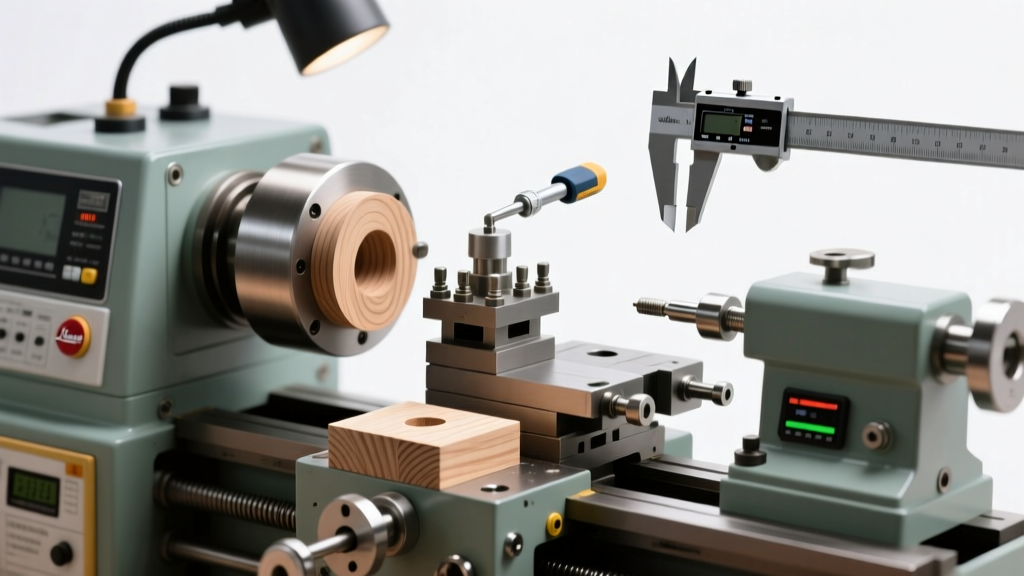
Types of Grooved Piping Systems
Grooved piping systems are widely used in industrial, commercial, and residential applications due to their ease of installation, reliability, and ability to handle high-pressure environments. These systems utilize mechanical couplings that fit into grooves machined into the ends of pipes, creating secure, leak-resistant joints without welding. The choice of pipe material significantly impacts performance, durability, and suitability for specific environments. Below is a detailed breakdown of the most common types of grooved piping materials used today.
Copper Pipes
Renowned for their malleability and corrosion resistance, copper pipes are a top choice for grooved piping in HVAC, refrigeration, and potable water systems.
Advantages
- Highly ductile and easy to groove without cracking
- Excellent thermal conductivity for HVAC efficiency
- Natural resistance to microbial growth and corrosion
- Long service life with minimal maintenance
- Recyclable and environmentally friendly
Limitations
- Higher initial cost compared to steel or PVC
- Vulnerable to acidic water conditions over time
- Softer metal may dent under heavy impact
Best for: HVAC systems, refrigerant lines, residential plumbing, medical gas piping
Stainless Steel Grooved Pipe
A premium solution for demanding environments, stainless steel offers unmatched strength and corrosion resistance in grooved piping applications.
Advantages
- Exceptional resistance to rust, chemicals, and extreme temperatures
- High tensile strength for high-pressure systems
- Smooth internal surface reduces friction and improves flow efficiency
- Hygienic and ideal for food, pharmaceutical, and cleanroom applications
- Fire-resistant and non-combustible
Limitations
- Premium cost compared to other materials
- Heavier weight increases structural support needs
- Requires specialized tools for grooving and cutting
Best for: Industrial processing, chemical plants, high-rise buildings, marine environments
Galvanized Steel Pipes
Coated with a protective layer of zinc, galvanized steel provides a cost-effective and durable option for many grooved piping installations.
Advantages
- Zinc coating prevents rust and extends lifespan
- High strength and pressure tolerance
- Widely available and economical
- Suitable for both indoor and outdoor use
- Compatible with standard grooving equipment
Limitations
- Less flexible than copper or plastic alternatives
- Can develop internal scale over time, reducing flow efficiency
- Not recommended for highly acidic or alkaline environments
- Heavier than PVC or copper, increasing labor costs
Best for: Fire protection systems, structural applications, outdoor plumbing, industrial frameworks
PVC Grooved Pipe
Polyvinyl chloride (PVC) is a lightweight, chemically inert plastic ideal for low-pressure grooved piping in drainage and utility systems.
Advantages
- Highly resistant to corrosion and chemical degradation
- Lightweight and easy to handle and install
- Low cost and widely accessible
- Non-conductive, making it safe for electrical conduit use
- Smooth interior minimizes friction and clogging
Limitations
- Not suitable for high-temperature or high-pressure applications
- Can become brittle in extreme cold
- UV exposure degrades material over time (unless UV-stabilized)
- Limited structural strength compared to metal pipes
Best for: Wastewater systems, irrigation, drainage, chemical transfer (low pressure), electrical raceways
| Material | Durability | Corrosion Resistance | Pressure Rating | Best Applications |
|---|---|---|---|---|
| Copper | Very Good | Excellent | Good | HVAC, refrigeration, potable water |
| Stainless Steel | Excellent | Excellent | Excellent | Industrial, marine, high-pressure systems |
| Galvanized Steel | Good | Good | Very Good | Fire sprinklers, outdoor plumbing, structural |
| PVC | Fair | Excellent | Fair | Drainage, irrigation, low-pressure chemical |
Expert Tip: When installing grooved piping systems, ensure proper groove dimensions and coupling selection based on pipe material and operating conditions. Mismatched components can lead to leaks or joint failure, especially under thermal expansion or vibration.
Industry Applications of Grooved Piping Systems
Grooved piping systems have revolutionized fluid conveyance across multiple industries due to their reliability, ease of installation, and long-term performance. Unlike traditional welded or threaded connections, grooved piping uses mechanical couplings that lock into precision-engineered grooves on pipe ends, enabling rapid assembly without special skills or equipment. This innovative design enhances safety, reduces labor costs, and minimizes downtime during installation and maintenance. Below is a detailed exploration of how grooved piping is utilized across key industrial sectors.
Waterworks and Municipal Infrastructure
Valves and water pipes are foundational components in public water supply networks and local water treatment facilities. Grooved piping plays a critical role in transporting potable water efficiently across cities and communities, ensuring consistent pressure and optimal flow rates.
The mechanical joint system of grooved pipes significantly reduces the risk of leaks and structural failures, which are common with aging infrastructure. Their ability to accommodate minor misalignments and thermal expansion makes them ideal for underground installations where ground movement may occur. Additionally, the quick-connect nature of grooved couplings allows for faster repairs and system expansions, minimizing service disruptions.
Construction and Building Services
In commercial and residential construction, grooved piping is widely used in plumbing, heating, ventilation, and air conditioning (HVAC) systems. These systems require reliable transport of water, chilled or heated fluids, and air throughout large buildings.
The smooth internal profile of grooved pipes reduces turbulence and flow resistance, enhancing energy efficiency in pumping systems. Their modular design allows for flexible routing around structural elements, simplifying retrofitting and renovation projects. Contractors benefit from reduced installation time and lower labor costs, while building owners enjoy improved system longevity and reduced maintenance needs.
Mining and Slurry Transport
The mining industry relies heavily on grooved piping for slurry transport—moving mixtures of water, ore, and abrasive minerals from extraction sites to processing plants. These environments demand high durability and resistance to clogging and erosion.
Grooved piping systems excel in this application due to their robust couplings and ability to handle fluctuating flow rates and particulate-laden fluids. The groove-and-coupling mechanism prevents joint separation under high pressure and vibration, common in mining operations. Moreover, the design minimizes sediment buildup and blockages, ensuring consistent throughput and reducing unplanned maintenance shutdowns.
Fire Protection and Sprinkler Systems
Grooved piping is a cornerstone of modern fire protection systems, including automatic sprinklers, standpipes, and fire pumps. These life-safety systems require rapid installation, leak-free performance, and long-term reliability.
With grooved connections, pipes can be assembled quickly without open flames or hot work permits, enhancing jobsite safety. The coupling design ensures secure, vibration-resistant joints that maintain integrity during fire events. Fire protection contractors prefer grooved systems for their scalability and ease of inspection, making them ideal for high-rise buildings, industrial facilities, and data centers where fire safety is paramount.
Chemical Processing and Industrial Manufacturing
In chemical processing plants, grooved piping is employed to transfer both corrosive and non-corrosive fluids, including acids, solvents, and process water. The system’s compatibility with various materials—such as stainless steel, coated carbon steel, and specialty alloys—ensures resistance to chemical degradation.
The sealed coupling design prevents leaks and contamination, crucial in environments where even minor spills can pose safety or environmental hazards. Maintenance is streamlined due to the ability to disassemble and reassemble joints without damaging the pipe ends, allowing for quick replacement of valves or sections. This contributes to process stability, reduced downtime, and lower lifecycle costs.
| Industry | Key Benefits of Grooved Piping | Common Applications |
|---|---|---|
| Waterworks | Leak resistance, rapid repair, pressure stability | Municipal water mains, pumping stations, reservoirs |
| Building Construction | Fast installation, low noise, energy efficiency | HVAC loops, domestic water supply, radiant heating |
| Mining | High-pressure tolerance, reduced clogging, durability | Slurry pipelines, tailings transport, dewatering systems |
| Fire Protection | No welding required, reliable sealing, quick assembly | Sprinkler networks, fire mains, emergency standpipes |
| Chemical Processing | Corrosion resistance, easy maintenance, process safety | Reactor feeds, waste transfer, cooling circuits |
Why Grooved Piping Is Preferred Across Industries
Important: While grooved piping offers numerous advantages, proper installation according to manufacturer specifications is critical. Misaligned couplings, improper groove dimensions, or incorrect torque can compromise system integrity. Always use certified components and trained personnel to ensure long-term performance and compliance with industry standards such as NFPA, ASTM, and ASME.
Specifications and Maintenance of Grooved Piping Systems
Grooved piping systems are widely used in fire protection, HVAC, industrial processing, and water distribution due to their ease of installation, reliability, and adaptability. Understanding both the technical specifications and proper maintenance practices is essential for ensuring system longevity, safety, and performance. This guide provides a comprehensive overview of key design standards and proactive maintenance strategies for grooved piping installations.
Key Specifications for Grooved Piping
Proper selection and installation of grooved piping require adherence to strict engineering and material standards. These specifications ensure compatibility, pressure integrity, and long-term durability under various operating conditions.
Material Standards
Grooved piping is manufactured from a range of materials—each selected based on the application's environmental and operational demands. Common materials include:
- Stainless Steel: Ideal for corrosive environments, high-temperature applications, and food/pharmaceutical industries due to its resistance to rust and contamination (ASTM A790/A312 compliant).
- Copper: Frequently used in potable water and HVAC systems for its excellent thermal conductivity and corrosion resistance (ASTM B88/B42 compliant).
- PVC and CPVC: Lightweight and corrosion-resistant, these are common in chemical handling and low-pressure water systems (ASTM D1785/D2846 compliant).
Best Practice: Always verify material certifications and compliance with ASTM, ISO, or ASME standards before installation.
Pipe Diameter and Wall Thickness
Grooved piping is available in nominal diameters ranging from 1 inch to 12 inches, with larger sizes used in industrial and municipal applications. Wall thickness is determined by:
- Operating pressure (e.g., Schedule 40 for medium pressure, Schedule 80 for high pressure)
- Temperature fluctuations
- External load conditions (e.g., underground vs. overhead)
For example, fire sprinkler systems per NFPA 13 typically use Schedule 40 steel pipe, while high-pressure steam lines may require thicker-walled Schedule 80 or 120 piping.
Critical Note: Mismatched wall thickness can lead to coupling misalignment and premature joint failure.
Groove Design and Dimensions
The groove is a precision-machined channel near the end of the pipe that accepts the coupling’s gasket and housing. The most common groove profile is the trapezoidal shape, standardized by organizations such as:
- NFPA 13 (Fire Protection) – Specifies groove depth, width, and taper for fire sprinkler systems.
- UL/FM Approvals – Ensures compatibility with listed mechanical couplings.
- Manufacturer-Specific Standards – Companies like Victaulic, GF, and Armstrong provide detailed groove templates.
Improper grooving (e.g., incorrect depth or burrs) can compromise seal integrity and lead to leaks under pressure.
Pro Tip: Use calibrated grooving tools and inspect each groove with a go/no-go gauge.
Coupling Design and Selection
Couplings are the heart of a grooved piping system, providing leak-proof joints while allowing for slight misalignment and thermal movement. Key considerations include:
- Materials: Forged steel (high strength), ductile iron (cost-effective), or aluminum (lightweight, corrosion-resistant).
- Types: Rigid couplings (for fixed joints), flexible couplings (accommodate 5°–10° angular deflection), and transition couplings (connect dissimilar materials).
- Seals: EPDM (general water), Nitrile (oil-resistant), or Viton (high-temp/chemical).
Safety Reminder: Always use manufacturer-recommended torque values when tightening coupling nuts to avoid over-compression or gasket damage.
Maintenance Best Practices for Long-Term Reliability
Regular maintenance prevents system failures, reduces downtime, and extends the service life of grooved piping. A proactive maintenance plan should include the following key activities.
Regular Inspections
Visual and physical inspections are critical for early detection of potential issues. Recommended inspection frequency:
- Every 6 months: General systems (HVAC, water supply)
- Quarterly: Critical systems (fire protection, chemical lines)
- After seismic events or system modifications: Immediate inspection
Focus areas: Coupling nuts, gasket extrusion, groove corrosion, and pipe support integrity.
Inspection Tip: Use a flashlight and mirror to check hard-to-reach joints.
Corrosion Protection
Corrosion is a leading cause of piping system degradation, especially in galvanized steel and copper lines. Preventive measures include:
- Applying protective coatings (e.g., zinc-rich paint, epoxy wraps) to exposed steel surfaces.
- Using dielectric unions to prevent galvanic corrosion between dissimilar metals.
- Installing sacrificial anodes in buried or submerged systems.
- Monitoring water chemistry (pH, chlorides) in closed-loop systems.
Longevity Boost: Cathodic protection systems can extend pipe life by 15–25 years in aggressive environments.
Cleaning and Debris Removal
Accumulated sediment, scale, or biological growth can restrict flow and damage seals. Cleaning frequency depends on the transported medium:
- Slurry or wastewater systems: Clean every 3–6 months
- Potable water: Annual flushing recommended
- HVAC systems: Chemical cleaning every 2–3 years
Use pigging, hydro-jetting, or chemical descaling as appropriate. Always isolate sections before cleaning to protect couplings.
Efficiency Note: A 20% reduction in pipe diameter due to buildup can increase pumping energy costs by up to 50%.
Pressure Testing and Leak Checks
Hydrostatic or pneumatic pressure testing verifies system integrity. Required:
- Annually: For fire protection and critical process lines
- After any repair or modification: Mandatory retest
- Test pressure: Typically 1.5x working pressure (per ASME B31.1/B31.9)
Inspect all joints with soapy water or electronic leak detectors. Record results for compliance and audit purposes.
Compliance Alert: NFPA 25 requires annual inspection and testing of fire protection piping systems.
Lubrication of Moving Components
While the piping itself is static, associated components like adjustable hangers, expansion joints, or isolation valves may require lubrication.
- Lubricate threaded rods and pivot points with water-resistant grease (e.g., lithium-based).
- Frequency: Quarterly for high-vibration areas; semi-annually for stable environments.
- Avoid over-greasing, which can attract dirt and cause buildup.
Maintenance Efficiency: Tag and log lubrication points for scheduled service tracking.
Professional Recommendation: Implement a digital maintenance log to track inspection dates, pressure test results, and repair history. This not only ensures compliance with OSHA, NFPA, and local codes but also provides valuable data for predictive maintenance planning. For high-risk environments (chemical plants, offshore platforms), consider upgrading to stainless steel or lined piping with smart monitoring sensors for real-time condition assessment.
| Maintenance Task | Recommended Frequency | Key Tools/Methods | Compliance Standard |
|---|---|---|---|
| Visual Inspection | 6 months (12 months for non-critical) | Flashlight, inspection mirror | NFPA 25, ASME B31.9 |
| Corrosion Protection | Annually or as needed | Coating thickness gauge, wire brush | ASTM D4541, NACE SP0169 |
| System Cleaning | 3–12 months (based on service) | Pigging, hydro-jetting, chemical flush | SMACNA, CIBSE Guide G |
| Pressure Testing | Annually or post-modification | Test pump, pressure gauge, leak detector | ASME B31.1, NFPA 13/25 |
| Lubrication of Supports | Quarterly to semi-annually | Grease gun, log sheet | Manufacturer Guidelines |
Additional Considerations
- Environmental Conditions: Outdoor or coastal installations require enhanced corrosion protection (e.g., 316 stainless steel, epoxy-coated couplings).
- Thermal Expansion: Use flexible couplings or expansion loops in systems subject to wide temperature swings.
- Seismic Bracing: In earthquake-prone areas, ensure piping is secured with NFPA-compliant seismic restraints.
- Training: Technicians should be certified in grooving, coupling installation, and safety procedures.
- Documentation: Maintain as-built drawings, material test reports (MTRs), and maintenance records for audits and insurance purposes.
Quality Control and Testing of Grooved Piping
Ensuring the reliability and safety of grooved piping systems is critical in industrial, commercial, and fire protection applications. These systems must withstand high pressures, thermal cycling, and mechanical stress while maintaining leak-free performance. A comprehensive quality control and testing protocol is essential throughout the manufacturing process to meet stringent industry standards and ensure long-term durability. This guide outlines the key stages of quality assurance, from raw material inspection to final product validation.
Important Note: All testing procedures should comply with recognized standards such as ASTM, ISO, ASME, and NFPA where applicable. Deviations from these standards may compromise system integrity and void manufacturer warranties.
Comprehensive Quality Control Stages
- Material Inspection
Prior to fabrication, all raw materials—such as galvanized steel, carbon steel, stainless steel, and copper—are subjected to rigorous quality assessments to verify compliance with international standards including ASTM A53, ASTM A106, ISO 6579, and EN 10255. Each batch is traceable through mill test reports (MTRs) that confirm chemical composition and mechanical properties.
Non-destructive testing (NDT) methods like ultrasonic testing (UT) and magnetic particle inspection (MPI) are employed to detect internal discontinuities, inclusions, or laminations without damaging the material. This ensures structural soundness before any machining begins.
- Manufacturing Process Controls
During the groove-forming stage, precision machinery equipped with real-time monitoring systems ensures consistent groove geometry, depth, and profile accuracy. Automated sensors measure dimensional tolerances to within ±0.002 inches, maintaining compatibility with coupling systems.
Statistical Process Control (SPC) is implemented to continuously analyze production data, identifying trends or deviations early. When variations exceed acceptable limits, corrective actions are triggered immediately. Additionally, Six Sigma methodologies are applied to minimize process variability and reduce defect rates, improving overall yield and consistency across large production runs.
- Testing for Structural Integrity
To evaluate mechanical performance, grooved pipes undergo standardized mechanical tests that simulate real-world stresses. Tensile testing measures the ultimate tensile strength (UTS), yield strength, and elongation percentage—key indicators of a pipe’s ability to resist deformation and fracture under load.
Bend tests are conducted to assess ductility and weld integrity (if applicable), ensuring the pipe can endure bending forces during installation and operation. Elongation values—typically required to be at least 15–20% depending on material type—are calculated after the specimen fractures under maximum load, providing insight into material toughness and flexibility.
- Pressure Testing
Hydrostatic pressure testing is a critical validation step performed on every pipe section or sampled batches, depending on quality protocols. Pipes are sealed and filled with water, then pressurized to 1.5 times their rated working pressure (or as specified by standards like API 5L or ASME B31.1).
The pressure is held for a minimum of 5–10 minutes while inspectors monitor for leaks, bulges, or permanent deformation. This test verifies the pipe’s ability to safely contain operating pressures and identifies potential weaknesses in the wall or groove area. In some cases, pneumatic testing may be used, though it requires additional safety precautions due to the compressibility of gases.
- Final Inspection and Assembly Verification
Before packaging and shipment, each pipe undergoes a comprehensive final inspection conducted by certified quality personnel. This includes dimensional checks using calibrated gauges to confirm outer diameter, wall thickness, groove depth, and pitch accuracy.
Surface finish is evaluated for defects such as scratches, dents, or corrosion that could affect sealing performance. Visual inspection under bright lighting ensures compliance with aesthetic and functional requirements.
Additionally, functional tests are performed using standard grooved couplings and gaskets to verify proper fit and alignment. This coupling compatibility check ensures ease of field assembly and leak-tight connections when installed on-site.
| Testing Stage | Purpose | Common Standards | Inspection Tools/Methods |
|---|---|---|---|
| Material Inspection | Verify chemical and physical properties of raw materials | ASTM A53, ASTM A106, ISO 6579 | Spectrometers, UT equipment, MTR review |
| Process Monitoring | Maintain dimensional accuracy during grooving | ISO 9001, Six Sigma DMAIC | Laser micrometers, SPC software, CNC feedback systems |
| Mechanical Testing | Assess strength, ductility, and deformation resistance | ASTM E8 (tensile), ASTM E290 (bend) | Tensile testers, bend jigs, strain gauges |
| Hydrostatic Testing | Validate pressure containment and leak integrity | API 5L, ASME B31.1, NFPA 13 | Pressure pumps, digital gauges, water tanks |
| Final Inspection | Ensure product meets all specifications pre-shipment | ISO 9001, MIL-STD-1916 | Go/no-go gauges, visual inspection, coupling test kits |
Expert Tip: Implementing a full traceability system—from raw material lot numbers to finished product serials—enhances accountability and simplifies root cause analysis in case of field failures. This is especially valuable in mission-critical applications like fire sprinkler systems or high-pressure process piping.
Additional Best Practices for Quality Assurance
- Train quality inspectors regularly on updated standards and inspection techniques
- Maintain calibration records for all measurement and testing equipment
- Conduct internal audits to ensure compliance with ISO 9001 or other quality management systems
- Perform periodic third-party testing for independent verification of product quality
- Document all test results and retain them for minimum of 10 years for traceability
- Use barcode or RFID tagging for batch-level tracking throughout the supply chain
By adhering to a structured quality control framework, manufacturers can ensure that grooved piping systems deliver reliable, safe, and long-lasting performance in demanding environments. These rigorous checks not only meet regulatory and insurance requirements but also build trust with contractors, engineers, and end-users who depend on leak-free, durable installations.
Frequently Asked Questions About Grooved Piping Systems
Q1: What are the advantages of using grooved pipes?Grooved piping systems offer numerous benefits that make them a preferred choice in modern industrial and commercial installations. One of the most significant advantages is the ease and speed of installation. Unlike traditional welded systems, grooved pipe connections eliminate the need for on-site welding, which not only reduces labor time but also enhances job site safety by removing fire hazards and fumes.
- Cost-Effective Installation: Reduces labor and equipment costs due to faster assembly times and fewer skilled workers required.
- Improved Safety: Eliminates hot work permits and risks associated with welding, making it ideal for sensitive environments like chemical plants or confined spaces.
- Flexibility and Reusability: Grooved couplings allow for angular and axial movement, accommodating misalignment and thermal expansion. Components can also be disassembled and reused during system modifications.
- Versatile Applications: Widely used across industries such as construction, fire protection, HVAC, water treatment, oil & gas, and power generation due to their reliability and adaptability.
These features collectively contribute to shorter project timelines and lower total cost of ownership, making grooved piping an efficient solution for both new builds and retrofits.
Q2: What makes grooved piping important for the plumbing system?Grooved piping plays a crucial role in modern plumbing and fluid conveyance systems due to its engineered design that supports efficient and reliable flow of liquids and gases. The precision-machined grooves at the ends of the pipes create a secure, leak-resistant connection when paired with mechanical couplings, ensuring system integrity under continuous operation.
- Reduced Flow Resistance: Smooth internal bore and alignment between pipes minimize turbulence and friction, allowing for optimal fluid dynamics and energy efficiency.
- Leak-Proof Sealing: Elastomeric gaskets within the coupling provide a tight seal that accommodates minor movement without compromising performance.
- Multi-Fluid Compatibility: Suitable for transporting water, steam, compressed air, chemicals, and other media when constructed from appropriate materials (e.g., carbon steel, stainless steel, or coated variants).
- Scalable Design: Easily adapted for small-scale plumbing networks or large industrial systems, supporting modular expansion and maintenance access.
Because of these characteristics, grooved piping enhances system longevity, reduces maintenance downtime, and ensures consistent performance in critical applications such as fire sprinkler systems and process piping.
Q3: Are grooved pipes suitable for high-pressure systems?Yes, grooved piping systems are engineered to handle moderate to high-pressure applications, provided they are properly selected, installed, and maintained according to industry standards. The pressure rating depends on several key factors:
| Factor | Impact on Pressure Rating |
|---|---|
| Pipe Material | Carbon steel and stainless steel variants can withstand pressures up to 300+ psi depending on schedule and wall thickness. |
| End Treatment (Groove Type) | Standard grooves support common working pressures; reinforced or heavy-duty grooves are used for higher stress applications. |
| Coupling Design | Mechanical couplings are rated for specific pressure classes (e.g., 200 psi, 300 psi) and must match system requirements. |
| Installation Quality | Proper groove dimensions, bolt torque, and alignment are essential to maintain pressure integrity. |
Always consult the manufacturer’s technical data sheets and adhere to standards such as NFPA 13 (for fire protection) or ASME B31.1/B31.9 (for power and building piping) to verify compatibility with your system’s pressure, temperature, and environmental conditions.
Q4: How to maintain grooved pipes to ensure long-term durability?To maximize the lifespan and reliability of grooved piping systems, a proactive maintenance strategy should be implemented. Regular inspections and preventive care help detect issues early and prevent costly failures or service interruptions.
- Visual Inspections: Check for signs of corrosion, leaks, loose coupling bolts, or physical damage at connection points every 3–6 months, especially in harsh environments.
- Cleaning and Debris Removal: Flush the system periodically to remove sediment, scale, or foreign particles that could impair flow or damage seals.
- Corrosion Protection: Apply protective coatings, cathodic protection, or use corrosion-resistant materials (e.g., galvanized or stainless steel) in corrosive atmospheres or outdoor installations.
- Pressure Testing: Conduct hydrostatic or pneumatic tests annually or after major modifications to verify system integrity.
- Torque Verification: Recheck coupling bolt tightness during scheduled maintenance to account for settling or thermal cycling.
By following a structured maintenance plan and documenting all activities, facility managers can extend the service life of grooved piping systems beyond 25 years while maintaining peak operational efficiency and safety compliance.