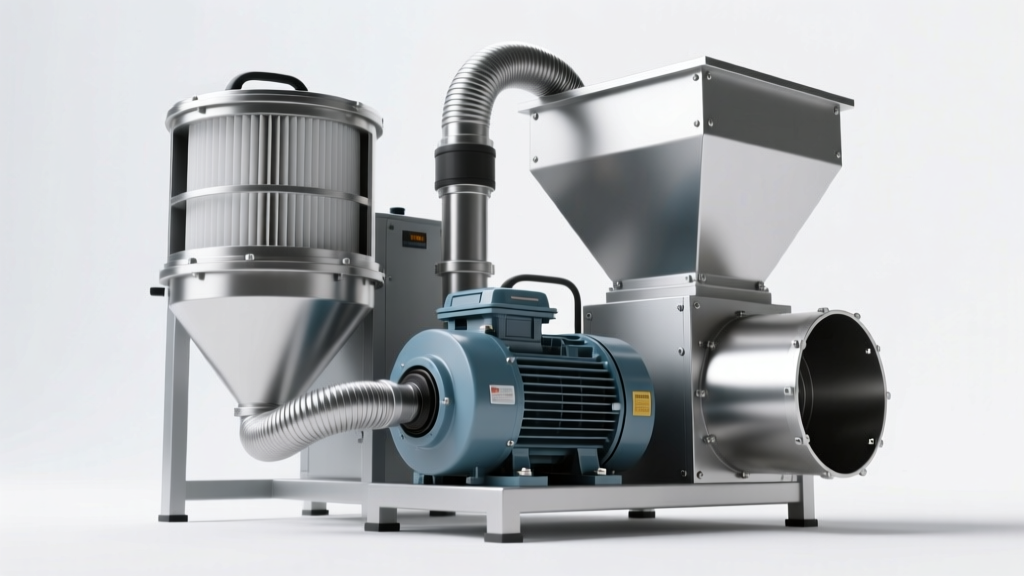
Types of Grinding Wheel Knife Sharpeners
A grinding wheel knife sharpener is an essential tool for maintaining sharp, precise blades across various applications—from kitchen cutlery to industrial tools. These sharpeners use rotating abrasive wheels to remove metal and reform the cutting edge. Different configurations offer unique advantages in control, precision, durability, and suitability for specific knife types. Understanding the key types helps users select the best option based on their sharpening frequency, blade size, and desired edge quality.
Horizontal Grinding Wheel
Features a grinding wheel mounted in a horizontal orientation, providing a broad, stable surface ideal for large or heavy-duty blades.
Advantages
- Excellent stability for large blades (e.g., machetes, cleavers)
- Promotes consistent grinding angles
- Efficient for high-volume or commercial sharpening
- Supports even pressure distribution across the blade
Limitations
- Bulky design requires more workspace
- Less precision for small or detailed blades
- May be overpowered for delicate kitchen knives
- Higher risk of overheating thin blades if not carefully managed
Best for: Outdoor tools, heavy-duty knives, commercial kitchens, bulk sharpening operations
Vertical Grinding Wheel
Equipped with a grinding wheel positioned upright, allowing for greater control and precision during sharpening.
Advantages
- Superior angle control and accuracy
- Ideal for small, intricate, or specialty blades
- Easier to maintain consistent edge geometry
- Often includes adjustable angle guides for customization
Limitations
- Less efficient for long blades or high-volume use
- Requires more user skill to avoid uneven sharpening
- Limited surface contact may slow down material removal
Best for: Pocket knives, precision tools, custom knifemakers, hobbyists, detailed edge work
Circular Grinding Wheel
Utilizes a fully circular wheel that rotates parallel to the ground, offering a continuous grinding surface for smooth, uniform sharpening.
Advantages
- Provides consistent, smooth contact along the blade edge
- Highly effective for achieving mirror-like finishes
- Suitable for both coarse and fine sharpening stages
- Frequently used in professional knife shops and manufacturing
Limitations
- Takes up significant space due to rotating mechanism
- Higher initial cost and maintenance requirements
- May require specialized training for optimal results
- Overheating risk if feed rate isn't properly controlled
Best for: Professional sharpeners, production environments, high-precision applications, finishing edges
Diamond Grinding Wheel
Uses industrial-grade diamonds embedded in a metal or resin bond to create an ultra-durable grinding surface capable of sharpening hardened steels.
Advantages
- Exceptional hardness and longevity
- Can sharpen extremely hard materials (e.g., tool steels, ceramics)
- Maintains shape and cutting efficiency over time
- Requires less frequent dressing or replacement
Limitations
- Higher cost compared to standard abrasive wheels
- Can be too aggressive for softer blades if not used carefully
- May generate excessive heat without proper cooling
- Limited availability and specialized mounting requirements
Best for: Hardened steel tools, industrial applications, professional workshops, long-term durability needs
| Type | Best For Blade Size | Precision Level | Durability | Recommended Use |
|---|---|---|---|---|
| Horizontal Grinding Wheel | Large | Moderate | High | Bulk sharpening, heavy-duty tools |
| Vertical Grinding Wheel | Small to Medium | Very High | Medium to High | Detail work, custom knives |
| Circular Grinding Wheel | All Sizes | High | High | Professional, finishing work |
| Diamond Grinding Wheel | Any (especially hard alloys) | Very High | Exceptional | Industrial, high-hardness materials |
Expert Tip: Always use coolant or water when operating grinding wheels—especially diamond or high-speed models—to prevent blade overheating, which can ruin the temper and reduce edge retention. A simple drip system or periodic dipping can make a significant difference in blade longevity.
Safety Note: Wear protective eyewear and gloves when using any grinding wheel sharpener. Ensure the wheel guard is properly installed and never apply excessive pressure to the blade during sharpening to avoid kickback or wheel damage.
Industrial Applications of Grinding Wheel Sharpener Knives
Grinding wheel sharpener knives are critical components in industrial sharpening systems, enabling the precise restoration of cutting edges across a wide range of tools and machinery. These specialized knives, used in conjunction with grinding wheels, ensure consistent, high-quality sharpening that enhances tool performance, extends service life, and maintains operational efficiency. Their use spans multiple industries where precision, durability, and reliability are paramount.
Tool and Cutter Grinding
One of the most vital applications of grinding wheel sharpener knives is in tool and cutter grinding operations. These knives are used to recondition cutting tools such as end mills, drills, reamers, and milling cutters, which are essential in machining processes. Over time, these tools lose their sharpness due to friction and heat exposure, leading to reduced accuracy and increased power consumption.
Grinding wheel sharpener knives help restore the original geometry and cutting angle of these tools, ensuring they maintain optimal performance. This process not only improves cutting precision but also reduces material waste and enhances production consistency in CNC machining, mold making, and die manufacturing environments.
Metalworking
In metalworking industries, grinding wheel sharpener knives play a crucial role in maintaining the sharpness of hand and machine tools such as chisels, shears, planer blades, and lathe tools. These tools are subjected to intense stress and wear during metal cutting, shaping, and finishing operations.
By using precision grinding systems equipped with sharpener knives, workshops can achieve clean, burr-free edges that improve cut quality and reduce operator fatigue. Regular sharpening increases tool longevity, minimizes downtime, and supports high-efficiency workflows in fabrication shops, foundries, and steel processing plants.
Aerospace Industry
The aerospace industry demands extreme precision and reliability in every component, from turbine blades to landing gear parts. Grinding wheel sharpener knives are integral to the maintenance and manufacturing of high-performance cutting tools used in machining superalloys like Inconel and titanium.
These materials are notoriously difficult to cut and rapidly dull conventional tools. Therefore, the ability to frequently and accurately resharpen cutting instruments using advanced grinding systems ensures consistent tool performance and adherence to strict safety and quality standards. Additionally, automated grinding setups with calibrated sharpener knives reduce human error and support repeatability in large-scale aerospace production.
Agriculture
In agricultural operations, the efficiency of farming equipment directly impacts productivity and yield. Tools such as plowshares, harrow discs, mower blades, and cultivator tines are exposed to abrasive soil, rocks, and debris, causing rapid dulling.
Grinding wheel sharpener knives are used in both on-site and centralized maintenance facilities to restore these implements to peak condition. Sharpened tools require less tractor power, reduce fuel consumption, and provide cleaner cuts in soil or crops, improving seedbed preparation and overall farm efficiency. Regular maintenance using precision grinding extends the service life of expensive agricultural machinery and reduces replacement costs.
Maintenance and Repair Workshops
Maintenance and repair workshops rely heavily on grinding wheel sharpener knives to keep a wide variety of tools in optimal working condition. From wrenches and hammers to drill bits and screwdrivers, many hand tools benefit from periodic edge refinement to maintain functionality.
These workshops often service equipment used across construction, automotive, and industrial sectors, making tool reliability essential. By integrating grinding systems with durable sharpener knives, technicians can quickly restore worn tools, minimizing downtime and reducing the need for frequent replacements. This not only improves operational efficiency but also supports cost-effective, sustainable maintenance practices by extending tool lifecycles.
| Industry | Common Tools Sharpened | Benefits of Using Sharpener Knives |
|---|---|---|
| Tool & Cutter Grinding | End mills, drills, reamers, milling cutters | Restores precision geometry, improves machining accuracy, reduces tool wear |
| Metalworking | Chisels, shears, lathe tools, planer blades | Enhances cutting efficiency, reduces operator effort, lowers material waste |
| Aerospace | Titanium cutters, turbine tooling, precision inserts | Ensures compliance with safety standards, supports high-reliability manufacturing |
| Agriculture | Plowshares, mower blades, harrow discs | Improves soil engagement, reduces fuel usage, extends equipment life |
| Maintenance & Repair | Drill bits, wrenches, hammers, saw blades | Reduces replacement costs, increases workshop efficiency, promotes sustainability |
Important: Always ensure that grinding wheel sharpener knives are properly aligned and maintained according to manufacturer specifications. Using worn or misaligned knives can result in uneven sharpening, tool damage, or safety hazards. Regular inspection, cleaning, and timely replacement of sharpener knives are essential for consistent performance and operator safety across all industrial applications.
Product Specifications and Features of Grinding Wheel Knife Sharpeners
Grinding wheel knife sharpeners are essential tools for maintaining sharp, efficient cutting edges on knives, chisels, and other edged tools. These sharpeners combine precision engineering with durable materials to deliver consistent results across various applications—from home kitchens to professional workshops and industrial settings. Understanding their specifications and features helps users choose the right model and maintain optimal performance over time.
Grinding Wheel Material
The type of abrasive material used in the grinding wheel significantly impacts performance, durability, and suitability for different materials.
- Diamond Wheels: Ideal for extremely hard materials like carbide, ceramics, or hardened steel. They offer superior longevity and precision but come at a higher cost.
- CBN (Cubic Boron Nitride): Excellent for high-speed steels and tool steels. CBN is second only to diamond in hardness and provides excellent heat resistance, making it perfect for frequent or heavy-duty sharpening.
- Aluminum Oxide: A cost-effective, versatile option suitable for general-purpose sharpening of carbon steel and mild alloys. Common in entry-level and mid-range sharpeners.
Pro Tip: Match the wheel material to your most commonly sharpened tools—diamond for carbide-tipped tools, CBN for high-performance blades, and aluminum oxide for everyday kitchen or workshop knives.
Motor Power & Performance
Motor power determines the sharpener’s ability to handle tough jobs without bogging down.
- Power typically ranges from 200W to 800W, with higher wattage models offering smoother operation under load.
- Lower-powered units (200–400W) are sufficient for light-duty tasks like sharpening kitchen knives or small tools.
- High-powered motors (600–800W+) excel in industrial environments or when sharpening thick, hardened blades and chisels.
- Look for motors with thermal overload protection to prevent burnout during extended use.
Key Insight: Adequate motor power ensures consistent RPM under pressure, reducing heat buildup that can damage blade temper.
Wheel Diameter & Size Options
Wheel diameter affects contact surface, stability, and versatility.
- Common diameters range from 100mm to 250mm.
- Smaller wheels (100–150mm) are compact and ideal for precision work or limited spaces.
- Larger wheels (200–250mm) provide longer grinding surfaces, better heat dissipation, and smoother finishes—perfect for long blades and frequent use.
- Some models feature dual wheels (e.g., coarse + fine) for multi-stage sharpening in one setup.
Note: Larger wheels maintain speed more consistently and require less frequent dressing.
Speed (RPM) & Variable Control
Rotational speed influences the sharpness and finish of the edge.
- Most sharpeners operate between 1,500 and 3,500 RPM.
- Higher speeds produce finer, polished edges—ideal for finishing chisels or delicate blades.
- Lower speeds reduce heat generation and are better for aggressive stock removal or sensitive steels.
- Advanced models offer variable speed control, allowing users to optimize RPM based on material and task.
Safety Note: Always match wheel RPM rating to the motor speed to avoid dangerous wheel disintegration.
Adjustable Angle Settings
Precision angle control is crucial for achieving optimal edge geometry.
- Most sharpeners allow adjustments between 15° and 20°, catering to Western (20°) and Asian (15°) knife styles.
- Some models include preset angle guides or magnetic jigs for repeatable, accurate sharpening.
- Micro-adjustable supports enable fine-tuning for specialized tools like fillet knives or pocket knives.
- Dual-angle systems support both primary bevels and secondary micro-bevels.
Expert Tip: Use a marker and test stroke to verify contact across the entire edge before full sharpening.
Safety & Build Quality
A well-built sharpener enhances safety, accuracy, and longevity.
- Look for sturdy cast iron or steel bases that minimize vibration.
- Protective wheel guards shield users from sparks and debris.
- Tool rests should be adjustable and securely locked in place.
- Non-slip feet or mounting holes ensure stability during operation.
Critical: Never operate a grinder without proper eye and hand protection.
How to Install Your Grinding Wheel Knife Sharpener
Proper installation ensures safe, efficient, and vibration-free operation. Follow these steps carefully:
- Prepare the Workspace: Clear the area of clutter, ensure adequate lighting, and keep flammable materials away. Wear safety goggles and cut-resistant gloves.
- Secure Mounting: Place the sharpener on a stable, level surface. If equipped with mounting holes, bolt it securely to a workbench to prevent movement during use.
- Install the Grinding Wheel: Follow the manufacturer's instructions precisely. Use the correct wrench and tighten the arbor nut to the specified torque. Ensure the wheel rotates freely without wobbling.
- Set the Tool Rest & Angle: Adjust the tool rest to within 2–3mm of the wheel and set the desired sharpening angle using the guide or jig. Lock all adjustments firmly.
- Test Run: Power on the sharpener without applying any tool. Observe for excessive vibration, unusual noises, or wobble. Shut down immediately if issues are detected and recheck installation.
Safety Reminder: Always allow the wheel to reach full speed before beginning sharpening, and never apply lateral pressure that could crack the wheel.
How to Maintain Your Grinding Wheel Sharpener
Regular maintenance extends the life of your sharpener and ensures consistent, high-quality results.
- Routine Cleaning: After each use, remove metal filings and debris with a soft brush or compressed air. Accumulated grit can scratch blades and reduce efficiency.
- Wheel Dressing: Over time, the grinding surface glazes or becomes uneven. Use a wheel dresser or diamond tool to restore flatness and expose fresh abrasive grains. Dress wheels every 10–20 hours of use.
- Wheel Replacement: Inspect for cracks, excessive wear, or imbalance. Replace wheels that are worn beyond the minimum diameter or show signs of damage.
- Lubrication: Lubricate motor bearings and moving parts as specified in the manual—typically every 6–12 months. Over-lubrication can attract dust and cause buildup.
- Inspection: Regularly check belts (if applicable), electrical cords, and switches for wear. Replace damaged components promptly.
- Proper Storage: Cover the sharpener or store it in a dry, dust-free environment. Moisture leads to rust on metal parts and degradation of electrical components.
| Feature | Entry-Level Model | Mid-Range Model | Premium/Professional Model |
|---|---|---|---|
| Motor Power | 200–400W | 400–600W | 600–800W+ |
| Wheel Material | Aluminum Oxide | Aluminum Oxide or CBN | Diamond or CBN |
| Wheel Diameter | 100–150mm | 150–200mm | 200–250mm |
| Speed (RPM) | Fixed: ~2,800 RPM | Fixed or 2-Speed | Variable Speed (1,500–3,500 RPM) |
| Angle Adjustment | Manual Guide | Preset Jigs | Micro-Adjustable Digital Guide |
| Maintenance Features | Basic cleaning | Wheel dresser included | Auto-lubrication, vibration sensors |
Additional Considerations for Optimal Use
- Noise Level: Higher-powered models may generate more noise; consider sound-dampening enclosures in shared workspaces.
- Dust Extraction: Some advanced models include ports for dust collection systems, improving air quality and cleanliness.
- Energy Efficiency: Look for motors with high efficiency ratings to reduce long-term operating costs.
- Warranty & Support: Premium brands often offer 2–5 year warranties and accessible customer service for technical support.
- User Skill Level: Beginners benefit from guided systems and safety features, while professionals may prefer customizable, high-performance setups.
Professional Recommendation: For most users, a mid-range sharpener with a CBN wheel, 200mm diameter, and adjustable angle guide offers the best balance of performance, durability, and value. Pair it with regular dressing and cleaning to maximize lifespan and sharpening consistency. Always prioritize safety—never rush the setup or skip protective gear.
Quality and Safety Considerations of Grinding Wheel Knife Sharpeners
Using a grinding wheel knife sharpener safely and effectively requires careful attention to both equipment quality and operational procedures. These tools are powerful and efficient, but improper use or substandard components can lead to serious injury. This guide outlines essential safety and quality factors to consider when selecting, inspecting, and operating grinding wheel sharpeners in industrial, workshop, or home environments.
Safety Warning: Grinding wheels operate at high speeds and can fail catastrophically if damaged, improperly mounted, or mismatched to the machine. Always wear ANSI-approved safety goggles, face shields, gloves, and hearing protection. Never stand directly in front of a rotating wheel during startup.
Key Quality and Safety Factors
- Blade and Wheel Material Compatibility: High-quality sharpening depends on the correct pairing of grinding wheel and blade material. The wheel must be harder than the blade to ensure efficient material removal without clogging. Diamond or tungsten carbide grinding wheels are recommended for hardened steel blades due to their superior durability and heat resistance. Using an incompatible wheel can cause overheating, blade warping, or wheel glazing.
- Integrity of Straight Wheels: Before each use, visually inspect straight grinding wheels for cracks, chips, or structural damage. Even small fractures can expand under centrifugal force, leading to wheel disintegration. Perform a "ring test" by gently tapping the wheel with a non-metallic object—if the sound is dull instead of clear, the wheel may be compromised and should be replaced.
- Abnormal Noise Detection: Unusual sounds such as grinding, scraping, or vibration during operation are red flags. These may indicate internal cracks, imbalance, or bearing failure. Immediately power down the sharpener and disconnect it from the power source. Do not resume use until the wheel and machine have been thoroughly inspected and cleared for operation.
- Proper Mounting and Alignment: Secure mounting is critical to prevent wobbling or runout. Ensure the wheel fits snugly on the arbor with appropriate flanges and hardware. Overtightening can damage the wheel, while under-tightening leads to slippage. Always follow the manufacturer’s torque specifications and confirm the wheel spins freely without lateral movement before use.
- Protective Covers and Shields: A robust, properly adjusted guard must cover at least 75% of the grinding wheel’s surface. The shield should be made of impact-resistant material (such as polycarbonate or metal) and positioned to contain flying fragments in case of wheel burst. Never operate a sharpener with a missing or damaged guard.
- Adherence to Specifications: Match the grinding wheel’s diameter, bore size, and maximum RPM rating exactly to the grinder’s specifications. Using an over-speed wheel (i.e., one rated below the grinder’s RPM) is extremely dangerous and can cause explosive failure. Always check the wheel’s label and cross-reference it with the machine’s manual.
- Emergency Stop Functionality: The sharpener should be equipped with an easily accessible emergency stop button that immediately cuts power to the motor. This feature is essential for quickly halting operation in case of wheel failure, jamming, or user error, minimizing the risk of injury.
- Two-Hand Operation Design: For enhanced control and safety, opt for sharpeners that require both hands to operate. This design prevents accidental starts and ensures the user maintains a stable, balanced posture during sharpening, reducing the chance of slips or loss of control.
- Safe Cutting Techniques and Workholding: Always direct the cutting motion away from your body and limbs. Never position yourself in the path of potential debris or wheel fragments. After adjusting any movable components (such as angle guides or rests), ensure they are securely locked in place to prevent sudden shifts during operation, which could lead to inconsistent sharpening or blade slippage.
| Safety Factor | Best Practice | Risk of Neglect | Recommended Inspection Frequency |
|---|---|---|---|
| Wheel Integrity | Visual inspection + ring test | Wheel explosion, flying debris | Before each use |
| Mounting | Use correct flanges, proper torque | Vibration, uneven sharpening, wheel slippage | During wheel change |
| Guard/Shield | Secure, properly positioned | Exposure to fragments, eye injury | Daily or per shift |
| Noise/Vibration | Immediate shutdown if abnormal | Catastrophic wheel failure | During operation |
| Specifications | Match RPM, size, and type | Over-speed failure, machine damage | Before installation |
Expert Tip: Store grinding wheels in a dry, temperature-stable environment. Exposure to moisture or extreme temperatures can weaken bonding agents and compromise structural integrity, even in unused wheels.
Additional Safety Recommendations
- Keep the work area clean and well-lit to avoid tripping hazards and ensure clear visibility of the sharpening process.
- Use a tool rest positioned within 1/8 inch (3 mm) of the wheel to support the blade and prevent deflection.
- Avoid applying excessive pressure on the blade—let the wheel do the work to prevent overheating and glazing.
- Allow the wheel to reach full speed before contacting the blade, and let it stop naturally after use—never use objects to stop it manually.
- Train all users on emergency procedures and proper shutdown protocols.
By adhering to these quality and safety guidelines, you significantly reduce the risk of accidents and extend the life of both your grinding wheel sharpener and the knives being sharpened. Regular maintenance, proper setup, and vigilant operation are key to safe and effective performance. When in doubt, consult the manufacturer’s manual or a qualified technician before proceeding.
Frequently Asked Questions About Grinding Wheel Knife Sharpeners
Q1: How Can One Choose the Right Grinding Wheel Knife Sharpener?Selecting the ideal grinding wheel knife sharpener involves evaluating your specific needs and usage patterns. The right choice ensures efficient sharpening, extends knife life, and enhances safety during use.
- Type of Knives: Different knives—such as chef’s knives, pocket knives, serrated blades, or hunting knives—require different sharpening angles and wheel grits. For example, fine-grit wheels (600–1000) are best for precision edges, while coarse grits (40–100) remove material quickly for damaged blades.
- Usage Frequency: Professionals in kitchens or workshops may benefit from electric or industrial-grade horizontal grinders that handle high-volume sharpening with minimal downtime. These models often include cooling systems to prevent overheating blades.
- Sharpening Method Preference: Manual sharpeners offer greater control and are ideal for hobbyists or those who enjoy hands-on maintenance. They are compact, affordable, and perfect for occasional touch-ups at home.
- Portability and Space: Consider where you’ll use the sharpener. Countertop electric models are powerful but less portable, whereas handheld manual devices are travel-friendly for outdoor enthusiasts.
Ultimately, assess your sharpening goals—whether it's speed, precision, or convenience—and match them with a model that supports those priorities.
Q2: What Is the Difference Between Electric and Manual Knife Sharpeners?The core difference lies in automation, speed, and user involvement. Each type has distinct advantages depending on your sharpening requirements and skill level.
| Feature | Electric Sharpeners | Manual Sharpeners |
|---|---|---|
| Operation | Motorized grinding wheels automatically sharpen blades with minimal user input. | Require hand-powered motion; users manually draw the blade across the grinding surface. |
| Speed & Efficiency | Fast and consistent—ideal for multiple knives or commercial environments. | Slower process, but allows for careful, deliberate sharpening. |
| User Control | Less control over angle and pressure; preset guides ensure uniformity. | Greater control over angle, speed, and pressure—suited for delicate or specialty blades. |
| Best For | Kitchens, restaurants, or workshops needing quick turnaround. | Hobbyists, outdoor use, or maintaining high-end or collectible cutlery. |
| Maintenance & Cost | Higher initial cost and may require motor servicing; wheels need periodic replacement. | Low maintenance, durable, and generally more affordable. |
In summary, electric sharpeners excel in consistency and throughput, while manual models offer precision and a traditional sharpening experience.
Q3: Which Factors Make a Knife Sharpener Suitable for Long-Term Use?Durability and reliability are key when investing in a knife sharpener, especially for frequent or professional use. Several design and material factors contribute to long-term performance:
- Build Quality: Look for sharpeners made with robust materials like cast iron frames, stainless steel components, or reinforced plastics that resist wear and vibration over time.
- Motor Longevity (Electric Models): A high-quality, thermally protected motor can endure extended use without overheating, making it essential for commercial settings.
- Grinding Wheel Composition: Premium abrasive wheels (e.g., aluminum oxide or diamond-coated) last longer and maintain their cutting efficiency better than low-grade alternatives.
- Bearing and Axle Stability: Solid bearings reduce wobble and ensure smooth rotation, minimizing wear on both the machine and the blade.
- Ease of Maintenance: Models with accessible components, dust collection systems, and easy wheel replacement extend the device’s usable life.
- Consistent Performance: A well-engineered sharpener maintains its sharpening angle and pressure over years of use, preventing inconsistent edge quality.
Investing in a reputable brand with proven track records and available replacement parts ensures your sharpener remains functional and effective for many years.
Q4: What Role Does the Motor Play in an Electric Knife Sharpener?The motor is the heart of any electric knife sharpener, directly influencing performance, efficiency, and versatility. Its primary functions include powering the grinding wheel and maintaining consistent rotational speed under load.
- Power and Speed: Measured in RPM (revolutions per minute) and wattage, a more powerful motor enables faster material removal and quicker sharpening cycles. Motors ranging from 80–150 watts are typical for home models, while commercial units may exceed 200 watts.
- Handling Tough Blades: High-torque motors can effectively sharpen thick, hardened steel blades (like cleavers or machetes) without bogging down, ensuring smooth operation even under pressure.
- Heat Management: Advanced motors often include thermal overload protection and cooling fans to prevent overheating during prolonged use, which also protects the blade from heat damage that can ruin its temper.
- Consistency: A stable motor maintains constant speed, delivering uniform sharpening results across multiple blades and sessions—critical in professional kitchens.
- Lifespan: Motors built with sealed bearings and durable windings last longer and require less maintenance, reducing long-term ownership costs.
In essence, the motor determines not only how fast and effectively a sharpener works but also how reliably it performs over time—making it one of the most important considerations when choosing an electric model.