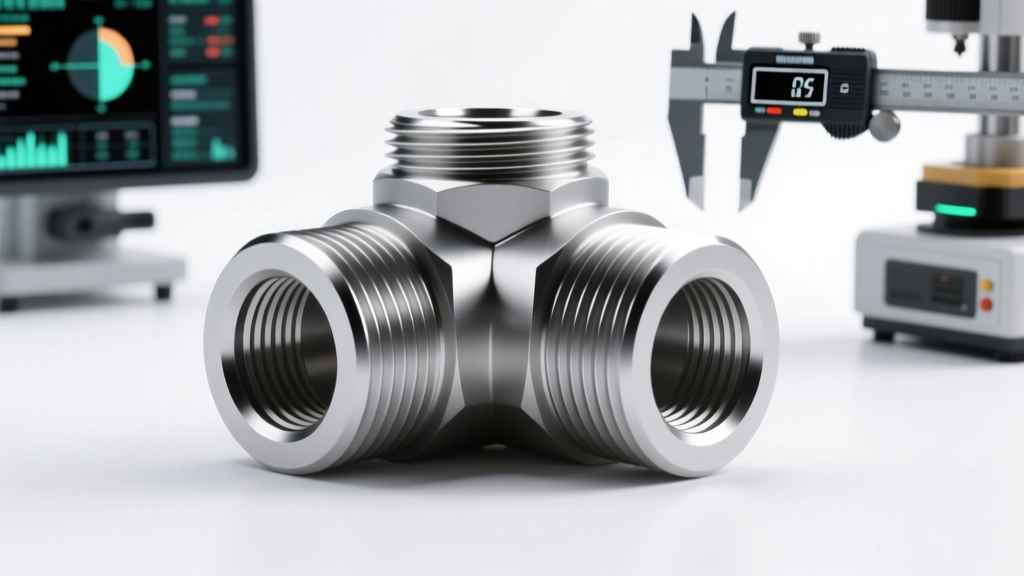
Types of Reducing Bushing Pipe Connectors
A reducing bushing is a vital plumbing and piping component used to connect two pipes of different diameters. These fittings allow for seamless transitions in pipe size, ensuring consistent flow and structural integrity in fluid transport systems. Available in various materials, reducing bushings are selected based on pressure requirements, environmental conditions, chemical exposure, and application needs.
Choosing the right type of reducing bushing ensures long-term reliability, leak prevention, and optimal system performance. Below is a comprehensive overview of the most common types used across residential, industrial, and commercial applications.
Brass Reducing Bushing
Durable and corrosion-resistant, brass bushings are widely used in water supply lines and HVAC systems.
Advantages
- High resistance to corrosion and rust
- Excellent performance under high pressure
- Suitable for both indoor and outdoor installations
- Good thermal conductivity and longevity
Limitations
- More expensive than plastic alternatives
- Can develop dezincification in aggressive water conditions
- Heavier than polymer-based fittings
Best for: Potable water systems, residential plumbing, high-pressure applications
Stainless Steel Reducing Bushing
Known for exceptional strength and chemical resistance, ideal for demanding industrial environments.
Advantages
- Superior resistance to rust, heat, and chemicals
- High tensile strength and durability
- Hygienic and non-reactive – perfect for sensitive fluids
- Long service life in harsh conditions
Limitations
- Premium cost compared to other materials
- Requires specialized tools for installation
- Can be over-engineered for simple residential uses
Best for: Food and beverage processing, pharmaceuticals, chemical plants, marine environments
Plastic Reducing Bushing (PVC, CPVC, Nylon)
Lightweight and cost-effective, plastic bushings are commonly used in low-pressure and corrosive environments.
Advantages
- Resistant to rust and chemical corrosion
- Inexpensive and easy to install
- Lightweight – reduces strain on piping systems
- Ideal for irrigation, drainage, and ventilation systems
Limitations
- Lower pressure and temperature tolerance
- Less durable under mechanical stress
- UV degradation possible in prolonged sun exposure
Best for: Sprinkler systems, agricultural irrigation, drainage, chemical transfer lines
Copper Reducing Bushing
Commonly used in plumbing and HVAC systems due to excellent thermal conductivity and reliability.
Advantages
- Excellent heat transfer properties
- Compatible with soldered and press-fit systems
- Smooth interior reduces flow resistance
- Widely accepted in building codes
Limitations
- Prone to corrosion in acidic or alkaline water
- Higher cost than plastic options
- Requires skilled labor for proper installation
Best for: Residential plumbing, radiant heating, refrigerant lines in HVAC systems
Galvanized Steel Reducing Bushing
Steel fittings coated with zinc to resist rust, commonly used in industrial and outdoor applications.
Advantages
- Zinc coating provides strong rust protection
- High strength and pressure handling capability
- Cost-effective for heavy-duty applications
- Durable in outdoor and underground installations
Limitations
- Can corrode over time if coating is damaged
- Heavier and harder to work with than plastic or brass
- Internal buildup possible with prolonged water use
Best for: Fire sprinkler systems, outdoor water lines, industrial frameworks, gas pipelines
| Material | Pressure Rating | Corrosion Resistance | Temperature Tolerance | Typical Applications |
|---|---|---|---|---|
| Brass | High | Very Good | Up to 200°C | Water lines, residential plumbing, HVAC |
| Stainless Steel | Very High | Excellent | Up to 600°C | Chemical plants, food processing, marine |
| Plastic (PVC/Nylon) | Low to Medium | Excellent (chemicals) | Up to 80°C | Irrigation, drainage, ventilation |
| Copper | Medium to High | Good | Up to 250°C | Plumbing, heating systems, refrigerant lines |
| Galvanized Steel | High | Good (with coating) | Up to 200°C | Industrial, outdoor, fire protection systems |
Expert Tip: Always match the reducing bushing material to the pipe type and operating environment. For example, avoid mixing dissimilar metals (like copper and galvanized steel) directly, as this can cause galvanic corrosion. Use dielectric unions when connecting different metal types.
Features of Reducing Bushing Pipe Connectors
Reducing bushing pipe connectors are essential components in modern plumbing and industrial piping systems, enabling seamless transitions between pipes of different diameters. These fittings ensure reliable, leak-free connections while maintaining system integrity under varying pressure and environmental conditions. Engineered for performance and longevity, reducing bushings are widely used across residential, commercial, and industrial applications.
Key Features and Benefits
Size Variations
Reducing bushings are specifically designed to connect two pipes of differing diameters, effectively bridging a larger inlet to a smaller outlet. This adaptability makes them indispensable in complex plumbing layouts where uniform pipe sizing is not feasible.
Available in a wide range of standard sizes (e.g., 1/2" to 3/4", 1" to 3/4", etc.), they support NPT (National Pipe Thread), BSP (British Standard Pipe), and other threading standards. Their compatibility with various pipe materials—such as PVC, steel, and copper—further enhances their utility in diverse system configurations.
Durability and Strength
Manufactured from robust materials like brass, stainless steel, and galvanized steel, reducing bushings are built to withstand high-pressure environments commonly found in industrial and commercial fluid and gas transfer systems.
Their structural rigidity prevents deformation under stress, minimizing the risk of leaks or catastrophic failures. These bushings maintain integrity even in systems operating at pressures exceeding 300 psi, making them suitable for critical applications in manufacturing, oil & gas, and power generation.
Corrosion Resistance
Exposure to moisture, chemicals, and fluctuating temperatures can degrade standard fittings over time. High-quality reducing bushings made from brass, stainless steel, and copper offer superior resistance to rust, oxidation, and chemical corrosion.
This corrosion resistance is particularly valuable in HVAC systems, marine environments, chemical processing plants, and outdoor installations where longevity and reliability are paramount. It significantly reduces maintenance frequency and extends service life, lowering total cost of ownership.
Easy Installation
Designed for simplicity, reducing bushings feature tapered threads (NPT or BSP) that create a tight, secure seal when screwed into place using basic plumbing tools such as wrenches and thread sealant tape.
The straightforward installation process minimizes downtime during system assembly or repairs. No welding or specialized equipment is required, making them ideal for both professional plumbers and DIY users. Pre-lubricated or sealant-coated variants are also available for faster, more reliable connections.
Versatile Applications
Reducing bushings are among the most versatile fittings in the piping industry. Their ability to adapt between different pipe sizes makes them essential in systems requiring flexibility in design and function.
Common applications include:
- HVAC Systems: Connecting ductwork and refrigerant lines
- Water Supply Networks: Adapting main lines to smaller branch pipes
- Chemical Processing: Handling corrosive fluids with sealed, durable joints
- Irrigation Systems: Transitioning between main and lateral lines
- Industrial Machinery: Integrating hydraulic and pneumatic components
Material Options and Selection
The choice of material impacts performance, compatibility, and lifespan:
- Brass: Excellent corrosion resistance and machinability; ideal for water and gas lines
- Stainless Steel: Superior strength and chemical resistance; used in harsh environments
- Copper: Naturally corrosion-resistant and suitable for potable water systems
- Galvanized Steel: Cost-effective and durable for general-purpose use
Selecting the right material ensures compatibility with the transported medium and environmental conditions, preventing premature failure and contamination risks.
| Feature | Benefit | Recommended Use Cases |
|---|---|---|
| Multiple Size Options | Enables smooth transitions between different pipe diameters | Plumbing retrofits, mixed-diameter systems |
| High-Pressure Tolerance | Prevents leaks and bursts in pressurized systems | Industrial hydraulics, compressed air lines |
| Corrosion-Resistant Materials | Extends service life and reduces maintenance | Marine, chemical, outdoor installations |
| Tapered Thread Design | Ensures a watertight, secure connection | Residential plumbing, HVAC |
| No Special Tools Required | Reduces labor time and installation costs | Emergency repairs, field installations |
Best Practices for Optimal Performance
Important: Always verify compatibility between the reducing bushing, pipe material, and the substance being transported (e.g., water, gas, chemicals). Using an incompatible fitting can lead to leaks, contamination, or system failure. Consult engineering guidelines or a qualified professional when in doubt, especially in high-pressure or hazardous environments.
How to Choose the Right Reducing Bushing for Pipe Connections
Selecting the correct reducing bushing is essential for ensuring a secure, leak-free, and efficient pipe connection. A reducing bushing allows two pipes of different diameters to be joined seamlessly, maintaining system integrity under pressure and environmental stress. Below are the key factors to consider when choosing the optimal reducing bushing for your application.
Material Selection
Reducing bushings are commonly manufactured from brass, stainless steel, copper, and various plastics. The choice of material directly impacts performance, longevity, and compatibility with the conveyed media.
- Stainless steel offers excellent corrosion resistance, making it ideal for harsh environments, marine applications, or systems exposed to chemicals and moisture.
- Brass provides good strength and moderate corrosion resistance, suitable for water, air, and fuel lines in residential and commercial settings.
- Copper is often used in plumbing and HVAC systems due to its thermal conductivity and compatibility with soldering.
- Plastic (e.g., PVC, CPVC, or PTFE) is preferred for corrosive fluids, low-pressure systems, or when electrical isolation is required.
Pro tip: In mixed-material systems, use dielectric unions or non-metallic bushings to prevent galvanic corrosion.
Bushing Sizes & Dimensional Fit
Accurate sizing is critical to ensure a proper seal and maintain flow efficiency. A mismatched bushing can lead to leaks, turbulence, blockages, or mechanical stress on the piping system.
- Measure both the outer diameter (OD) and inner diameter (ID) of the connecting pipes precisely.
- Reducing bushings are typically specified by their larger and smaller thread sizes (e.g., 1" to 3/4").
- Ensure the bushing matches both pipe threads—tapered to tapered, straight to straight—to avoid cross-threading or incomplete engagement.
- Use calipers or thread gauges for accurate measurement, especially in retrofit or repair scenarios.
Key consideration: Always verify size specifications using industry standards (e.g., NPT, BSP) to ensure compatibility.
Thread Types & Sealing Mechanism
The type of thread determines how the connection seals and withstands pressure. Choosing the correct thread type ensures a secure, leak-proof joint.
- Tapered threads (e.g., NPT – National Pipe Taper) create a seal through thread deformation as they are tightened. Common in water, gas, and hydraulic systems.
- Dryseal threads (e.g., NPTF – National Pipe Taper Fuel) are designed to form a pressure-tight seal without additional sealants, ideal for fuel and high-pressure applications.
- Straight threads (e.g., BSPP – British Standard Pipe Parallel) require an O-ring or gasket to seal and are often used in hydraulic and industrial equipment.
- Always match the bushing thread type to the existing piping system to prevent leaks and damage.
Installation tip: Use thread sealant tape (PTFE tape) or pipe dope appropriately—overuse can cause contamination or restrict flow.
Pressure and Temperature Ratings
Reducing bushings must withstand the operational pressure and temperature of the system. Exceeding these limits can lead to joint failure, leaks, or safety hazards.
- Select a bushing with a pressure rating higher than the system’s maximum operating pressure (typically 1.5x safety margin).
- Check temperature compatibility—brass and stainless steel perform well under high heat, while plastics have lower thermal limits.
- In high-vibration environments (e.g., pumps, compressors), use reinforced or locking bushings to prevent loosening.
- For steam or high-pressure gas lines, consult engineering standards (ASME, ANSI) for approved materials and ratings.
Safety note: Regular inspection of bushings in high-stress systems can prevent unexpected failures.
Compatibility & Chemical Resistance
Ensure the bushing material is chemically compatible with the fluid or gas being transported to prevent degradation, leaks, or contamination.
- Stainless steel resists oxidation and performs well with acids, alkalis, and saltwater.
- Brass may corrode when exposed to ammonia or certain chlorides—verify compatibility for HVAC or refrigeration systems.
- Plastic bushings are excellent for corrosive chemicals but may degrade under UV exposure or high temperatures.
- In mixed-material systems, avoid direct contact between dissimilar metals to prevent galvanic corrosion.
Best practice: Refer to chemical resistance charts when working with aggressive media like solvents, acids, or fertilizers.
Application-Specific Considerations
Different industries and environments demand tailored solutions for optimal performance and safety.
- Plumbing & HVAC: Use brass or copper bushings with NPT threads for water and refrigerant lines.
- Industrial & Process Systems: Stainless steel or alloy bushings with high pressure/temperature ratings are preferred.
- Agricultural & Irrigation: Plastic or coated metal bushings resist rust and chemical exposure from fertilizers.
- Marine & Offshore: Marine-grade stainless steel (e.g., 316 SS) prevents saltwater corrosion.
Expert advice: When in doubt, choose a higher-grade material—it often saves on maintenance and downtime.
Professional Recommendation: For most general applications, a brass NPT reducing bushing offers a reliable balance of cost, durability, and ease of installation. In critical or corrosive environments, invest in stainless steel or engineered plastic alternatives. Always double-check size, thread type, and material compatibility before installation to ensure long-term system reliability and safety.
| Application Type | Recommended Material | Thread Type | Pressure Rating (PSI) | Lifespan (Est.) |
|---|---|---|---|---|
| Residential Plumbing | Brass | NPT | 300–600 | 10–15 years |
| Industrial Hydraulics | Stainless Steel | NPTF / BSPP | 3,000–6,000 | 15+ years |
| Chemical Processing | PTFE / PVC | Threaded with O-ring | 100–200 | 5–8 years |
| Marine Systems | 316 Stainless Steel | NPT | 500–1,000 | 12–20 years |
Additional Tips for Optimal Performance
- Sealing Methods: Use PTFE tape for NPT threads or liquid thread sealants for high-pressure systems. Avoid over-tightening, which can crack fittings.
- Maintenance: Inspect bushings periodically for signs of wear, corrosion, or leakage, especially in high-cycle systems.
- Standards Compliance: Choose bushings that meet recognized standards (ASTM, ISO, ASME) for quality assurance.
- Environmental Factors: Consider UV exposure, thermal cycling, and vibration when selecting materials and installation methods.
- Inventory Management: Stock common sizes and materials to reduce downtime during repairs.
How to Install, Operate, and Mount a Reducing Bushing for Pipe Connections
A reducing bushing is a crucial plumbing and piping component used to connect two pipes of different diameters. Proper installation ensures a leak-free, durable, and efficient connection in both residential and industrial systems. This comprehensive guide walks you through the complete process of preparing, installing, and verifying a reducing bushing connection, with expert tips and safety considerations for optimal results.
Safety Warning: Always shut off the fluid supply and relieve system pressure before beginning any pipe work. Wear safety glasses and gloves to protect against sharp edges, metal shavings, and chemical exposure from sealants.
Step-by-Step Installation Process
- Preparation of Pipes
Begin by accurately measuring and marking the locations where the pipes will be cut to accommodate the reducing bushing. Use a precision pipe cutter or fine-toothed hacksaw to make clean, perpendicular cuts on both the larger and smaller diameter pipes. A square cut ensures maximum contact surface with the bushing threads, minimizing misalignment and potential leaks.
Pro Tip: Rotate the pipe while cutting to maintain a uniform cut and avoid oval deformation, especially in softer materials like PVC or copper.
- Cleaning the Pipe Ends
After cutting, thoroughly clean the exterior ends of both pipes to remove burrs, metal shavings, rust, or debris. Use a deburring tool, fine-grit sandpaper, or a wire brush depending on the pipe material (metal, PVC, CPVC, etc.). Clean threads and smooth surfaces ensure a tight, secure fit and prevent damage to the bushing during installation.
For threaded pipes, inspect the threads for damage. Damaged threads can compromise the integrity of the joint and should be re-tapped or replaced if necessary.
- Applying Thread Sealant (If Needed)
Apply an appropriate thread sealant based on the pipe and bushing material. For threaded metal connections (e.g., steel, brass), use either PTFE (Teflon) tape or pipe dope (thread sealant compound). Wrap Teflon tape clockwise around the male threads (2–3 layers), ensuring full coverage without overlapping excessively.
Note: Sealants are often unnecessary for precision-machined stainless steel or brass bushings where the metal-to-metal fit provides a natural seal. Additionally, some reducing bushings are designed with integrated seals or are used in non-pressurized systems, eliminating the need for additional sealants.
- Installing the Reducing Bushing
Screw the reducing bushing into the threaded end of the larger pipe by hand first, ensuring correct orientation (larger thread side facing the large pipe). Hand-tighten to avoid cross-threading. Once fully engaged, use an adjustable wrench or pipe wrench to gently tighten the bushing an additional ½ to ¾ turn.
Caution: Avoid overtightening, as this can strip threads, deform the bushing, or crack fittings—especially in plastic or thin-walled metal systems.
- Connecting the Pipes
Attach the smaller-diameter pipe to the smaller-threaded side of the reducing bushing. Hold the larger pipe securely with a wrench near the connection point to prevent torque from damaging the initial joint. Hand-start the connection, then tighten with a second wrench if needed.
Maintain alignment during tightening to prevent stress on the joint. Over-tightening can lead to leaks or fitting failure, so follow manufacturer torque specifications when available.
| Installation Step | Best Practices | Common Mistakes | Recommended Tools |
|---|---|---|---|
| Pipe Preparation | Clean, square cuts; accurate measurements | Angled cuts, incorrect pipe length | Pipe cutter, hacksaw, measuring tape |
| Cleaning | Deburr and remove all debris | Leaving burrs or rust | Wire brush, sandpaper, deburring tool |
| Sealant Application | Correct tape wrap direction and thickness | Over-wrapping, wrong sealant type | PTFE tape, pipe dope, applicator brush |
| Bushing Installation | Hand-start, then gentle wrench tightening | Overtightening, cross-threading | Adjustable wrench, pipe wrench |
| Final Connection | Stabilize base pipe; align properly | Twisting bushing, misalignment | Two wrenches, thread gauge |
Expert Tip: After installation, perform a pressure test by slowly introducing fluid into the system. Check all connections for leaks, especially at the bushing interface. If a leak occurs, disassemble, reapply sealant if needed, and re-tighten carefully.
Additional Recommendations for Long-Term Performance
- Label connections with pipe size and date of installation for future maintenance.
- Inspect bushing connections periodically, especially in high-vibration or temperature-fluctuating environments.
- Use thread sealant compatible with the fluid type (e.g., oxygen-safe for gas lines, NSF-certified for potable water).
- Consider using locking nuts or thread-locking compounds in systems subject to vibration.
- Always refer to manufacturer specifications for torque values, material compatibility, and pressure ratings.
Proper installation of a reducing bushing ensures a reliable transition between different pipe sizes, maintaining system integrity and flow efficiency. Whether in plumbing, HVAC, or industrial applications, following these steps carefully will help prevent leaks, reduce maintenance needs, and extend the life of your piping system. When in doubt, consult a licensed plumber or engineer for critical or high-pressure installations.
Frequently Asked Questions About Reducing Bushings in Plumbing Systems
Q1: Can reducing bushings be used with any type of pipe?Reducing bushings can be used across various piping systems, but compatibility depends on both material and size. To ensure a secure, leak-free connection, the bushing must match the material of the pipes it connects. For instance:
- Plastic bushings (such as PVC or CPVC) should only be used with plastic piping systems. These are ideal for drainage, irrigation, and low-pressure water lines due to their corrosion resistance and ease of installation.
- Copper bushings are designed for copper piping and are commonly used in potable water and HVAC systems. They can be soldered (sweated) into place for a permanent, durable seal.
- Steel or brass bushings are typically used in high-pressure applications like gas lines, industrial systems, or threaded steel pipe setups.
Mixing materials (e.g., plastic bushings with metal pipes) can lead to galvanic corrosion, leaks, or mechanical failure due to differing expansion rates and thread compatibility. Always verify material compatibility and adhere to local plumbing codes before installation.
Q2: Is sealant really necessary when installing reducing bushings?The need for sealant depends on the type of threading and materials involved. While some connections are self-sealing, others require additional protection to prevent leaks:
- NPT (National Pipe Taper) threads: These tapered threads rely on thread deformation to create a seal. However, thread sealant—such as pipe dope or PTFE (Teflon) tape—is strongly recommended to fill microscopic gaps and enhance leak resistance, especially in water, air, or low-pressure systems.
- Parallel threads (e.g., BSPP): These require a sealing washer or O-ring and often benefit from a small amount of sealant for added security.
- Sweated (soldered) joints: In copper systems, no sealant is needed because the joint is sealed through soldering.
- Plastic threads: PTFE tape is often used, but over-tightening should be avoided to prevent cracking.
In high-pressure or critical systems, skipping sealant can lead to gradual leaks or joint failure. Always follow manufacturer guidelines and industry standards when deciding whether to use sealant.
Q3: How do you maintain or replace reducing bushings?Reducing bushings are generally maintenance-free components, meaning they do not require routine cleaning or lubrication. However, they should be inspected periodically as part of regular plumbing system maintenance:
- Visual Inspection: Check for signs of corrosion, cracking, leaks, or physical damage—especially in environments with high moisture, temperature fluctuations, or chemical exposure.
- Replacement Process: Replacing a bushing is typically straightforward. Shut off the system, relieve pressure, disassemble the connection, remove the old bushing, and install a new one with appropriate sealant or soldering as needed.
- Preventive Measures: In systems prone to vibration or thermal cycling, consider using locking compounds or backup nuts to prevent loosening over time.
- When to Replace: If a bushing shows signs of wear, deformation, or leakage, it should be replaced immediately to avoid system failure.
Since bushings are relatively inexpensive and critical to system integrity, proactive replacement during major repairs or upgrades is often a wise decision.
Q4: Are plastic reducing bushings effective in high-temperature applications?No, plastic reducing bushings are not suitable for high-temperature environments. Most plastic bushings (e.g., PVC, CPVC, or polypropylene) have temperature limitations that restrict their use:
| Material | Max Operating Temperature | Recommended Applications | Not Suitable For |
|---|---|---|---|
| PVC | 140°F (60°C) | Cold water, drainage, irrigation | Hot water, steam, heating systems |
| CPVC | 200°F (93°C) | Hot and cold water distribution | Steam or industrial high-heat processes |
| Brass/Stainless Steel | 400°F+ (204°C+) | Steam, industrial, high-pressure systems | Not required for low-temp uses |
For applications exceeding 200°F, metal bushings (brass, stainless steel, or copper) are strongly recommended. Plastic components can soften, deform, or fail under high heat, leading to leaks or catastrophic system breakdown. Always consult manufacturer specifications and local codes when selecting bushings for temperature-sensitive systems.