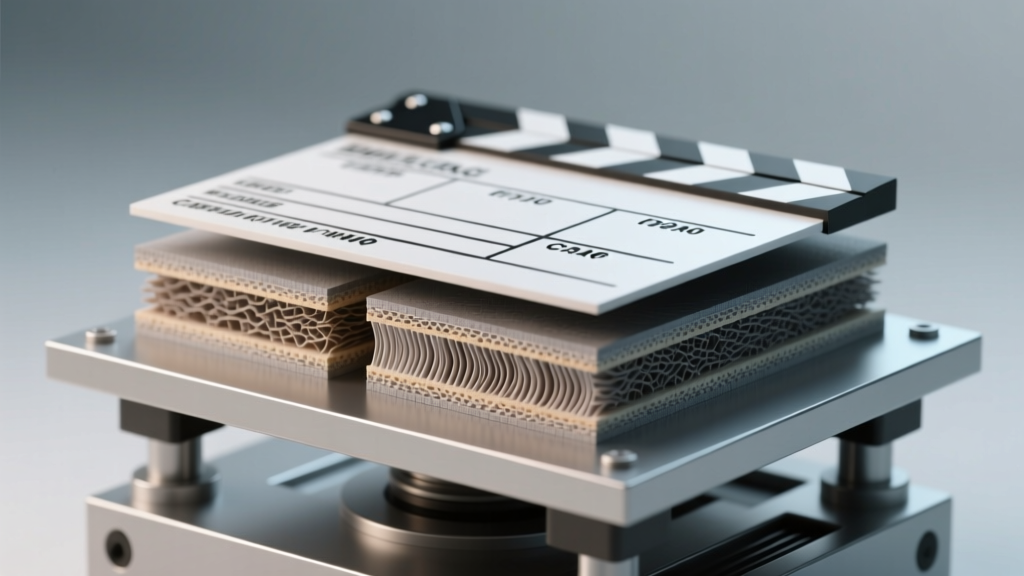
Types of Film Production Boards
A film production board is an essential tool used throughout the filmmaking process to organize, communicate, and streamline various aspects of production. These boards serve specific roles—from synchronizing audio and video to planning visual sequences and managing daily operations—ensuring that the production runs efficiently and cohesively.
Each type of board is designed with a unique function in mind, catering to different departments such as direction, sound, acting, and production management. Choosing the right board for the right task enhances collaboration, reduces errors, and saves valuable time and resources on set.
Shooting Slate (Clapboard)
The classic shooting slate, commonly known as a clapboard, is a fundamental tool for synchronizing audio and visual recordings during post-production. It features a hinged top that creates a sharp clapping sound when closed, aligning perfectly with the visual frame.
Advantages
- Accurate audio-video sync via clap sound and visual marker
- Clear labeling of scene, take, and timecode
- Reusable with chalkboard or dry-erase surface
- Inexpensive and widely available
Limitations
- Manual entry prone to human error
- Limited data capacity
- Not suitable for silent filming environments
Best for: Traditional film sets, indie productions, and any shoot requiring precise post-production syncing
Digital Production Board
A modern upgrade to the physical slate, the digital production board uses an LCD or LED screen to display dynamic production data such as scene number, take, director, project name, and timecode. Many models integrate with digital cameras and sound systems for automatic synchronization.
Advantages
- Automated timecode synchronization
- Editable digital fields reduce errors
- Stores multiple scene configurations
- Compatible with digital editing software
Limitations
- Higher cost than traditional slates
- Requires battery or power source
- Potential technical malfunctions
Best for: High-end productions, digital workflows, and teams using timecode-based editing systems
Dialogue Coach Board
Specially designed for language and accent coaching, this board assists actors in mastering dialects, pronunciation, and phonetic nuances. It often includes phonetic spellings, notations, and linguistic tips tailored to specific scenes or characters.
Advantages
- Improves actor performance in foreign accents or dialects
- Reduces retakes due to mispronunciation
- Customizable for individual actors and scenes
- Supports consistency across multiple takes
Limitations
- Niche use—only relevant for dialogue-heavy or multilingual projects
- Requires expertise in phonetics or linguistics
- Not used on every production
Best for: Films with diverse accents, period pieces, or international casts requiring language coaching
Storyboards
Storyboards are visual blueprints of a film, consisting of sequential illustrations or images that represent each shot. They outline camera angles, framing, movement, lighting, and actor positioning, serving as a guide for the entire crew.
Advantages
- Visualizes the director’s creative vision
- Facilitates pre-production planning and shot efficiency
- Reduces reshoots and on-set confusion
- Essential for complex action or special effects sequences
Limitations
- Time-consuming to create in detail
- May become outdated if scenes change during filming
- Requires skilled artists or digital tools
Best for: Directors, cinematographers, and VFX teams; ideal for action films, animations, and visually complex narratives
Call Sheets
Call sheets are the operational backbone of daily film production. Distributed by production managers or assistant directors, they provide a comprehensive schedule including scene details, shooting locations, cast and crew call times, equipment needs, and weather conditions.
Advantages
- Ensures all cast and crew know their responsibilities and schedules
- Improves time management and set organization
- Includes emergency contacts and safety protocols
- Available in digital formats for real-time updates
Limitations
- Must be updated frequently as schedules change
- Potential for miscommunication if not distributed properly
- Can become lengthy and overwhelming if not well-organized
Best for: All film sets—essential for coordination, timekeeping, and logistics management
| Board Type | Primary Function | Key Users | Production Stage | Digital Compatibility |
|---|---|---|---|---|
| Shooting Slate | Audio-video synchronization | Sound Department, Camera Crew | Principal Photography | Yes (Digital Clapboards) |
| Digital Production Board | Automated data display & sync | Director, Sound, Post-Production | Principal Photography | Full Digital Integration |
| Dialogue Coach Board | Accent & pronunciation guidance | Actors, Dialogue Coach | Rehearsal & Filming | Limited (Digital Notes Possible) |
| Storyboards | Visual shot planning | Director, Cinematographer, Artists | Pre-Production & Filming | High (Digital Storyboarding Tools) |
| Call Sheets | Daily scheduling & logistics | All Departments | Pre-Production & Filming | Yes (Digital Call Sheet Apps) |
Pro Tip: For hybrid productions, consider integrating digital slates with cloud-based call sheet platforms to ensure real-time updates across departments, minimizing miscommunication and maximizing on-set efficiency.
Industry Applications of Film Production Board
A film production board is a crucial organizational tool used across the media and entertainment industries to streamline workflows, enhance communication, and ensure precise coordination among production teams. Originally rooted in traditional filmmaking, its utility has expanded significantly with digital advancements, making it indispensable in both linear and interactive content creation. Below is a detailed exploration of how various industries leverage film production boards to improve efficiency, reduce errors, and maintain creative alignment.
Film and Television Production
Film production boards remain a cornerstone in both large-scale cinematic productions and independent television series. They serve as centralized planning tools that outline shot sequences, scene breakdowns, scheduling timelines, cast availability, equipment needs, and technical specifications such as camera angles, lighting setups, and sound requirements.
For major motion pictures, digital production boards integrated with project management software allow real-time updates across departments—from directors and cinematographers to costume designers and location managers. In contrast, indie filmmakers often use simplified physical or digital boards to maintain flexibility while maximizing limited resources. These boards help prevent costly reshoots by ensuring every scene is pre-visualized and accounted for before filming begins.
Advertising and Commercial Production
In the fast-paced world of advertising, where shoots are typically short (often just one or two days) and budgets are tightly controlled, production boards are essential for maintaining precision and efficiency. Agencies and production houses use them to map out every second of a commercial, aligning visual elements with voiceovers, music cues, and branding messages.
These boards help creative directors and producers adjust shot sequences on the fly, minimize downtime between setups, and avoid miscommunication between departments. By clearly defining each segment of the shoot in advance, production teams can reduce errors, eliminate redundant takes, and stay on schedule—critical factors when working under strict client deadlines and time constraints.
Live Event Streaming
With the growing demand for high-quality live broadcasts of sports events, concerts, award shows, and corporate webinars, digital production boards have become vital for synchronizing complex multi-camera operations. These boards function as real-time cue sheets, guiding technical crews through transitions, camera cuts, graphics insertion, and audio mixing.
Unlike pre-recorded content, live streaming leaves no room for error, making accurate timing and coordination paramount. Digital production boards—often integrated with broadcast switchers and timecode systems—ensure that all team members, including directors, camera operators, and audio engineers, are aligned throughout the event. This level of synchronization enhances production quality and viewer experience, especially during dynamic moments like live interviews or performances.
Animation Production
In animation, the term "production board" often refers to storyboards that evolve into animatics—rough animated versions of scenes with temporary sound and timing. These boards are fundamental during pre-production, allowing directors, animators, and voice actors to visualize narrative flow, pacing, and emotional beats before full-scale animation begins.
Each frame on the board represents a key moment in the story, annotated with dialogue, camera movements, and timing notes. This visual scripting process enables creative teams to identify potential issues early, make revisions efficiently, and maintain consistency across episodes or sequences. In studios producing long-form animated series or feature films, production boards also help manage asset creation, rendering schedules, and voice recording sessions.
Virtual Reality (VR) and Augmented Reality (AR) Production
As immersive media technologies advance, production boards are being adapted to meet the unique demands of VR and AR content creation. These formats require meticulous planning of 360-degree environments, user interaction points, spatial audio placement, and non-linear storytelling paths.
Production boards in VR/AR serve as interactive blueprints, mapping out user journeys, scene transitions, and trigger events within virtual spaces. They help teams coordinate between 3D modelers, software developers, and experience designers to ensure seamless integration of visuals, sound, and interactivity. Given the complexity of spatial video mapping and real-time rendering, these boards are critical for aligning technical execution with creative vision and delivering engaging, immersive experiences.
| Industry | Primary Use of Production Board | Key Benefits |
|---|---|---|
| Film & TV | Shot scheduling, scene tracking, crew coordination | Reduces reshoots, improves workflow efficiency, enhances pre-visualization |
| Advertising | Time-critical shoot planning, creative alignment | Maximizes productivity in short shoots, ensures brand message accuracy |
| Live Streaming | Real-time cue management, multi-camera coordination | Enables precise timing, prevents broadcast errors, supports complex switching |
| Animation | Storyboarding, animatics, voice recording sync | Clarifies narrative flow, streamlines animation pipeline, reduces rework |
| VR/AR | Interactive scenario mapping, spatial design planning | Supports non-linear storytelling, coordinates multidisciplinary teams, ensures immersion |
Important: While the format and functionality of production boards may vary across industries—from physical corkboards with index cards to cloud-based collaborative platforms—their core purpose remains the same: to provide a clear, shared vision of the production process. Neglecting proper board management can lead to miscommunication, scheduling conflicts, and compromised creative outcomes. Investing time in creating and maintaining an accurate production board significantly increases the likelihood of a successful, on-time, and on-budget project.
Product Specifications and Features of Film Production Boards
Film production boards are essential tools on any film set, serving as visual and organizational aids that streamline communication, enhance coordination, and ensure continuity across departments. From physical clapboards to digital slates and storyboards, these tools play a critical role in both pre-production planning and on-set execution. Understanding their technical features, proper usage, and maintenance ensures maximum efficiency and longevity.
Material Composition
Film production boards are constructed from a variety of materials, each selected based on durability, portability, and intended use. Traditional boards are often made from wood or high-impact plastic, providing a sturdy surface for writing with chalk or dry-erase markers. Paper-based boards are commonly used for call sheets and storyboards, while digital production boards utilize LCD or LED screens powered by rechargeable batteries.
- Wooden clapboards offer classic durability and a professional aesthetic, ideal for high-budget productions.
- Plastic slates are lightweight, weather-resistant, and cost-effective for independent filmmakers.
- Digital slates integrate wireless syncing with cameras and audio devices, reducing post-production time.
- Paper and foam-core boards are best for temporary use, such as storyboards or call sheets displayed on set.
Pro tip: Choose materials based on shooting environment—waterproof plastics for outdoor shoots, digital displays for fast-paced productions.
Size and Portability
The standard size for most physical production boards—especially clapboards—is approximately 12 x 8 inches, striking a balance between visibility and ease of transport. However, sizes can vary significantly depending on function and user preference. Digital slates may feature larger screens (up to 10 inches), while storyboards can span full poster boards or be compiled in binders.
- Compact slates (8 x 6 in) are ideal for handheld or drone filming where space is limited.
- Large-format storyboards (18 x 24 in) allow directors and cinematographers to visualize complex scenes clearly.
- Foldable or roll-up boards enhance portability for location shoots.
- Clapboard arms are designed to fit comfortably in one hand while allowing clear camera framing.
Key consideration: Ensure the board size allows legible text from a distance without obstructing the shot.
Customizable Fields & Functionality
One of the most valuable features of production boards is their adaptability. Most boards include editable fields that can be updated per scene, shoot day, or project phase. Clapboards typically feature sections for project title, scene number, take, director, and date, while digital versions allow dynamic text entry via touchscreens or apps.
- Storyboards can be customized panel-by-panel to reflect camera angles, lighting setups, and character blocking.
- Digital slates support metadata tagging (e.g., camera roll, timecode, sound roll) for seamless editing.
- Call sheets include customizable fields for call times, locations, cast availability, and equipment needs.
- Some smart boards sync with production management software like StudioBinder or Celtx.
Technical note: Customization enhances pre-visualization and reduces miscommunication between departments.
Durability & Environmental Resistance
Production boards must endure demanding on-set conditions, including dust, moisture, temperature extremes, and frequent handling. High-quality boards are built to resist warping, cracking, and fading under prolonged use.
- Weather-resistant coatings protect wooden and paper boards from humidity and light rain.
- Rubberized edges on digital slates absorb shocks from accidental drops.
- UV-resistant inks prevent fading when used in direct sunlight.
- Sealed battery compartments in digital devices guard against dust and moisture ingress.
Critical factor: Invest in ruggedized models for outdoor, action, or documentary filming.
How to Use Film Production Boards Effectively
Each type of production board serves a unique purpose in the filmmaking workflow. Proper usage ensures accurate documentation, efficient communication, and smooth post-production syncing.
Using a Shooting Slate (Clapperboard)
At the start of each take, the clapper loader writes the scene and take number on the slate using chalk or a marker. The top sticks are then clapped shut in front of the camera, creating a visual and audio sync point. This action generates a sharp sound recorded by the sound team, which editors use to align picture and audio tracks precisely.
- Hold the slate at a slight angle to avoid glare and ensure readability.
- Speak the scene and take aloud before clapping for audio logs.
- Digital slates automatically embed timecode, eliminating manual entry errors.
Best practice: Always double-check scene/take numbers with the script supervisor before rolling.
Using a Dialogue Coach Board
This specialized board assists actors in mastering accents, pronunciation, or complex dialogue. It displays phonetic spellings, reference audio cues, or side notes for challenging lines. The dialogue coach uses it off-camera to guide performers during rehearsals or between takes.
- Use color-coded text to highlight stress patterns or syllable breaks.
- Pair with headphones for private playback of reference recordings.
- Digital versions can include embedded audio clips for instant access.
Pro tip: Keep the board discreetly visible to the actor without entering the frame.
Using Storyboards
Storyboard artists translate the screenplay into a sequence of illustrated panels, depicting camera angles, movement, composition, and key actions. Directors use these during pre-production to align the vision with department heads, including cinematography, lighting, and special effects teams.
- Include annotations for lens type, camera motion (dolly, pan, tilt), and lighting cues.
- Digital storyboards allow animation previews and real-time collaboration.
- Printed versions are often mounted on set walls for quick reference.
Creative benefit: Visualizing scenes in advance helps identify logistical challenges early.
Using Call Sheets
Generated by assistant directors, call sheets are distributed daily to all cast and crew members. They outline the shooting schedule, scene numbers, locations, call times, meal breaks, and required equipment. Physical or digital boards often display the day’s call sheet for easy access.
- Highlight last call and wrap times for principal cast members.
- Include weather forecasts and contingency plans for outdoor shoots.
- Digital call sheets can be updated in real-time and pushed to mobile devices.
Time-saving tip: Post the call sheet in common areas like the green room or craft services.
Maintenance and Repair Guidelines
Proper care extends the life of production boards and ensures consistent performance throughout a shoot. Maintenance needs vary by type, but all benefit from careful handling and storage.
Maintenance of Physical Shooting Slates
After each use, wipe the slate surface with a microfiber or damp cloth to remove chalk, marker residue, or dirt. Inspect the clapper mechanism regularly and tighten loose screws or hinges to maintain alignment. Store in a padded case to prevent scratches or warping.
- Clean wooden slates with a mild wood cleaner to preserve finish.
- Avoid abrasive materials that could scratch plastic surfaces.
- Lubricate moving parts occasionally with silicone spray.
Preventive measure: Label spare slates to avoid confusion during fast-paced shoots.
Maintenance of Digital Production Boards
Digital slates and smart boards require regular charging and system updates. Perform diagnostic checks before each shoot day to confirm screen clarity, touch responsiveness, and wireless connectivity. Keep firmware updated to ensure compatibility with cameras and editing software.
- Use screen protectors to prevent scratches and glare.
- Carry spare batteries or power banks for extended shoots.
- Back up slate data to cloud storage or external drives.
Technical note: Calibrate touchscreens periodically for accurate input.
Care for Storyboards and Call Sheet Boards
Paper-based boards should be stored in dry, shaded environments to prevent fading, curling, or water damage. Use protective sleeves or laminated covers for long-term use. Foam-core boards are prone to dents and should be handled with care.
- Avoid direct sunlight to prevent ink from fading.
- Use clips or Velcro mounts instead of tape to avoid residue.
- Digitize physical boards for backup and remote sharing.
Best practice: Archive completed storyboards for future reference or pitch reels.
Repair and Replacement
Most production boards require minimal repair. Broken clapper mechanisms or cracked digital screens usually necessitate replacement rather than repair. However, minor issues like loose hinges or faded surfaces can often be fixed with basic tools or cleaning.
- Keep spare clapsticks or digital slates on hand for emergencies.
- Use waterproof tape as a temporary fix for cracked boards.
- Replace worn-out dry-erase surfaces with adhesive film overlays.
Smart investment: Choose modular or repairable designs to reduce long-term costs.
Professional Recommendation: For most productions, a combination of durable physical slates and reliable digital tools offers the best balance of functionality and resilience. Always prioritize quality over cost—well-made boards reduce downtime and errors. Train crew members on proper usage and care to maintain consistency across departments. In digital workflows, ensure all devices are synced and backed up daily to prevent data loss.
| Board Type | Primary Use | Lifespan (Typical) | Maintenance Frequency |
|---|---|---|---|
| Wooden Clapboard | Scene/take identification & audio sync | 5+ years (with care) | After each shoot day |
| Digital Slate | Timecode syncing & metadata entry | 3–5 years | Daily battery check, weekly diagnostics |
| Storyboard Board | Pre-visualization & shot planning | 1 shoot (disposable) or reusable | As needed (keep dry and flat) |
| Call Sheet Display | Daily schedule & logistics | 1 day to 1 season (digital) | Daily update and review |
Additional Considerations
- Standardization: Use consistent formatting across all boards to improve clarity and reduce confusion.
- Eco-Friendly Options: Recycled paper boards and energy-efficient digital slates support sustainable production practices.
- Integration: Modern digital boards integrate with editing software (e.g., Avid, Premiere Pro) via timecode and metadata.
- Training: Onboard new crew members with a quick guide to board usage and protocols.
- Backup Systems: Always have physical backups for digital boards in case of power or technical failure.
Quality and Safety Considerations of Film Production Boards
Film production boards—ranging from traditional clapperboards to digital slates and storyboard displays—are essential tools on any film set. They ensure continuity, streamline communication, and support efficient post-production workflows. However, their effectiveness depends heavily on both quality construction and adherence to safety standards. This guide explores the critical quality and safety considerations when selecting and using production boards across various filming environments, from studio shoots to on-location outdoor scenes.
Safety & Quality Warning: Poorly designed or damaged production boards can compromise crew safety and disrupt filming. Always inspect equipment before use and prioritize non-toxic, durable, and ergonomically sound designs—especially when working with minors or in extreme environmental conditions.
Quality Considerations for Film Production Boards
High-quality production boards enhance efficiency, reduce errors, and withstand the rigors of professional filmmaking. Below are key quality factors to evaluate when choosing or designing a production board.
- Durability
Film sets are dynamic and often harsh environments—filled with dust, movement, moisture, and constant handling. Production boards, particularly clapperboards, must be built to endure repeated impacts, drops, and rough transport. High-impact plastics, reinforced wood, or lightweight metals (like aluminum) are ideal materials. Boards should maintain structural integrity even after frequent clapping, outdoor exposure, or being packed in equipment cases. For long-term productions, investing in rugged, professionally manufactured boards reduces replacement costs and downtime.
- Legibility
Clear visibility is crucial for accurate scene logging and post-production synchronization. Information displayed on production boards—including scene numbers, take counts, timecodes, and director names—must be readable from multiple angles and distances. Use large, high-contrast fonts (e.g., white text on black background or vice versa) and avoid decorative typefaces. Digital slates should feature bright LED or OLED displays with anti-glare coatings for outdoor readability. For physical boards, consider waterproof markers or engraved labels that won’t smudge under humid or rainy conditions.
- Functionality
A well-designed production board includes all necessary features for seamless integration into the filmmaking process. Analog slates should have clearly labeled fields for essential metadata. Digital slates offer advanced functionality such as timecode synchronization, wireless connectivity, and compatibility with editing software like Avid Media Composer or DaVinci Resolve. Customizable templates, barcode generation, and audio sync markers improve workflow efficiency. Boards lacking proper functionality can lead to miscommunication, retakes, and costly delays in post-production.
- Water and Environmental Resistance
Outdoor shoots expose equipment to rain, humidity, dust, and temperature fluctuations. Production boards used in these conditions should be water-resistant or fully waterproof. Sealed enclosures for digital components, UV-resistant coatings, and corrosion-proof fasteners help extend lifespan. For example, a digital slate with an IP65 rating ensures protection against dust and low-pressure water jets. Similarly, dry-erase boards used on set should resist warping in high heat or moisture to prevent data loss and maintain professional appearance.
Safety Considerations for Film Production Boards
Safety on set is paramount. Even seemingly minor equipment like production boards can pose risks if not properly designed or handled. The following safety guidelines help prevent injuries and ensure compliance with occupational health standards.
- Avoid Sharp Edges and Corners
Clapperboards and other handheld boards should feature rounded edges and smooth finishes to prevent cuts, bruises, or eye injuries during handling or clapping. This is especially important during fast-paced shoots where boards are passed quickly between crew members. Manufacturers should adhere to ergonomic design principles, and production teams should inspect boards regularly for splinters (in wooden slates) or cracked plastic edges that could become hazardous.
- Use Non-Toxic Materials
Materials used in production boards—especially those involving writing surfaces like chalkboards or dry-erase boards—must be non-toxic and safe for all cast and crew. Chalk dust and marker fumes can trigger respiratory issues, particularly in enclosed spaces or when children are present. Opt for low-odor, non-toxic dry-erase markers and dust-free chalk alternatives. Additionally, ensure that paints, adhesives, and plastics used in board construction comply with safety standards such as ASTM D-4236 (toxicity labeling) or REACH regulations.
- Ensure Secure Mounting for Fixed Boards
Storyboard boards, call sheets, or scheduling displays mounted on walls or stands must be securely fastened to prevent tipping or falling. Use industrial-grade brackets, wall anchors, or weighted bases to stabilize large boards. In high-traffic areas, position displays out of walkways and at safe heights. Regularly check mounting hardware for wear or loosening, especially after moving sets or during multi-day shoots. A falling board can cause serious injury or damage to nearby equipment.
- Maintain Electrical Safety for Digital Components
Digital slates and smart production boards often include batteries, charging ports, and internal circuitry. These devices must be properly insulated and grounded to prevent electrical hazards. Avoid using frayed cables, damaged charging units, or third-party adapters that don’t meet voltage specifications. Store and charge devices away from water sources and flammable materials. For extended outdoor use, ensure all electrical components are rated for outdoor environments and protected against moisture ingress.
| Consideration Type | Key Feature | Best Practices | Potential Risks if Ignored |
|---|---|---|---|
| Quality | Durability | Use impact-resistant materials; inspect for wear before each shoot | Board failure, data loss, production delays |
| Quality | Legibility | High-contrast text, anti-glare screens, large fonts | Misread scene info, sync errors in editing |
| Quality | Functionality | Timecode support, software integration, customizable fields | Inefficient workflow, communication breakdowns |
| Quality | Environmental Resistance | Waterproof seals, UV protection, sealed electronics | Equipment damage, data corruption |
| Safety | Edge Safety | Rounded corners, smooth finishes, regular inspections | Cuts, bruises, liability incidents |
| Safety | Material Safety | Non-toxic markers, low-emission materials | Respiratory issues, health complaints |
| Safety | Mounting Security | Wall anchors, weighted stands, secure fasteners | Falling objects, injuries, property damage |
| Safety | Electrical Safety | Insulated wiring, proper grounding, outdoor-rated enclosures | Shocks, short circuits, fire hazards |
Expert Tip: Conduct a pre-shoot inspection of all production boards—check for legibility, structural integrity, battery life (for digital units), and secure mounting. Treat even simple tools like clapperboards as mission-critical equipment; their reliability directly impacts both safety and post-production accuracy.
Additional Recommendations
- Standardize production board models across departments to ensure consistency and ease of training.
- Label digital slates with asset tags and track them in inventory management systems.
- Train crew members on proper handling, storage, and emergency procedures for electrical boards.
- Replace worn or damaged boards immediately—do not attempt field repairs that compromise safety.
- Consider eco-friendly options, such as recyclable materials or energy-efficient digital displays, to support sustainable production practices.
In conclusion, the quality and safety of film production boards go beyond aesthetics—they are vital components of a professional, efficient, and safe filming environment. By prioritizing durability, clarity, functionality, and hazard prevention, production teams can minimize risks, enhance workflow precision, and ensure smooth operations from pre-production to post. Always choose equipment that meets industry standards and supports the well-being of everyone on set.
Frequently Asked Questions About Film Production Boards and Equipment
Q1: What is the function of a shooting slate in film production?A shooting slate, commonly referred to as a clapboard, plays a crucial role in synchronizing audio and video during post-production. When the clapper is snapped shut, it creates a distinct visual and audio marker that aligns the separate sound and picture recordings. This synchronization ensures that editors can accurately match dialogue, sound effects, and visuals across multiple takes.
Beyond synchronization, the slate displays key production details such as:
- Production Title: Identifies the film or project.
- Scene and Take Number: Helps organize footage during editing.
- Director and Camera Operator: Credits crew members for each shot.
- Date and Time: Useful for continuity and scheduling records.
Modern digital slates may also include timecode generators and LED displays for precise frame-level syncing, especially in multi-camera setups or complex productions.
Q2: How do storyboards benefit animated film production?Storyboards are essential visual planning tools in animated film production, serving as a blueprint for the entire project. They break down the script into sequential panels—much like a comic strip—each illustrating a key moment in the scene. This process allows directors, animators, and producers to visualize the narrative flow before any animation begins.
Key benefits include:
- Visualizing Camera Movement: Storyboards depict pans, zooms, and tracking shots, helping the team understand spatial relationships and timing.
- Planning Character Animation: Animators can map out gestures, expressions, and movement arcs based on storyboard cues.
- Streamlining Collaboration: Provides a shared reference point for writers, voice actors, and sound designers to align their work.
- Reducing Production Costs: By identifying potential issues early (e.g., illogical scene transitions), storyboards minimize costly revisions later in the pipeline.
- Enhancing Pacing and Timing: Editors use storyboards to estimate shot duration and rhythm, contributing to a cohesive final product.
In animation, where every frame is meticulously crafted, storyboards significantly reduce guesswork and rework, making them indispensable for efficient and creative storytelling.
Q3: What materials are film production boards made of?Film production boards vary widely in construction, depending on their purpose and technological era. They fall into two main categories: traditional physical boards and modern digital alternatives.
| Type of Board | Common Materials | Use Case |
|---|---|---|
| Shooting Slate (Clapboard) | Wood (e.g., birch), plastic, or lightweight composite materials with a hinged clapper on top. | Used on set for live-action filming to sync audio and video. |
| Storyboard Boards | Cardstock paper, foam core, or corkboard for pinning sketches; often mounted on walls in editing rooms. | Used during pre-production to plan scenes and sequences visually. |
| Digital Slate Systems | LED or LCD screens integrated into handheld or camera-mounted devices, powered by rechargeable batteries. | Used in high-end productions for timecode syncing and metadata display. |
| Production Management Boards | Whiteboards, magnetic boards, or tablets running production software (e.g., StudioBinder, ShotPro). | Used for scheduling, shot tracking, and task management. |
The choice of material often depends on durability needs, shooting environment, and budget. For example, wooden slates are favored for their classic look and acoustic clarity, while digital slates offer advanced features like wireless timecode syncing.
Q4: Are film production boards waterproof?Not all film production boards are waterproof, but many are designed to withstand challenging outdoor conditions. The level of water resistance depends on the board type and intended use:
- Traditional Wooden Slates: Typically not waterproof unless treated with sealants or varnish. Prolonged exposure to moisture can warp the wood or damage markings.
- Plastic or Composite Slates: Often water-resistant and more durable in humid or rainy environments. These are preferred for location shoots in unpredictable weather.
- Digital Slates: Higher-end models may feature IP-rated enclosures (e.g., IP65) that protect against dust and water splashes, making them suitable for outdoor or action-heavy scenes.
- Storyboard & Production Boards: Paper-based versions are vulnerable to moisture, but digital tablets or laminated boards offer better protection in wet conditions.
For productions shooting in rain, snow, or near water, it’s advisable to use weather-resistant equipment or apply protective covers. Some manufacturers offer ruggedized versions specifically built for extreme environments.
Q5: What safety measures should be considered for electrical components of film production boards?When using digital or electronically enhanced production boards—such as LED slates, smart monitors, or tablet-based systems—safety is paramount, especially on sets with high electrical loads and variable conditions. Key precautions include:
- Proper Grounding: Ensure all devices are grounded to prevent electric shock, particularly when used near metal structures or wet surfaces.
- Inspected Cables and Connectors: Regularly check for frayed wires, damaged insulation, or loose connections that could cause short circuits or fire hazards.
- Use of GFCI Outlets: On location, power digital boards through Ground Fault Circuit Interrupter (GFCI) outlets to automatically cut power in case of a fault.
- Compliance with Safety Standards: Verify that all electronic components meet regional safety certifications (e.g., UL in the U.S., CE in Europe) and are rated for film set voltages.
- Battery Management: For battery-powered boards, use only manufacturer-approved chargers and avoid overcharging. Store batteries in fire-resistant containers when not in use.
- Environmental Protection: Avoid exposing electronics to extreme temperatures, moisture, or direct sunlight for extended periods to prevent overheating or component failure.
Additionally, crew members should be trained in basic electrical safety, and a qualified electrician should oversee power distribution on set. These practices not only protect equipment but also ensure the safety of cast and crew during filming.