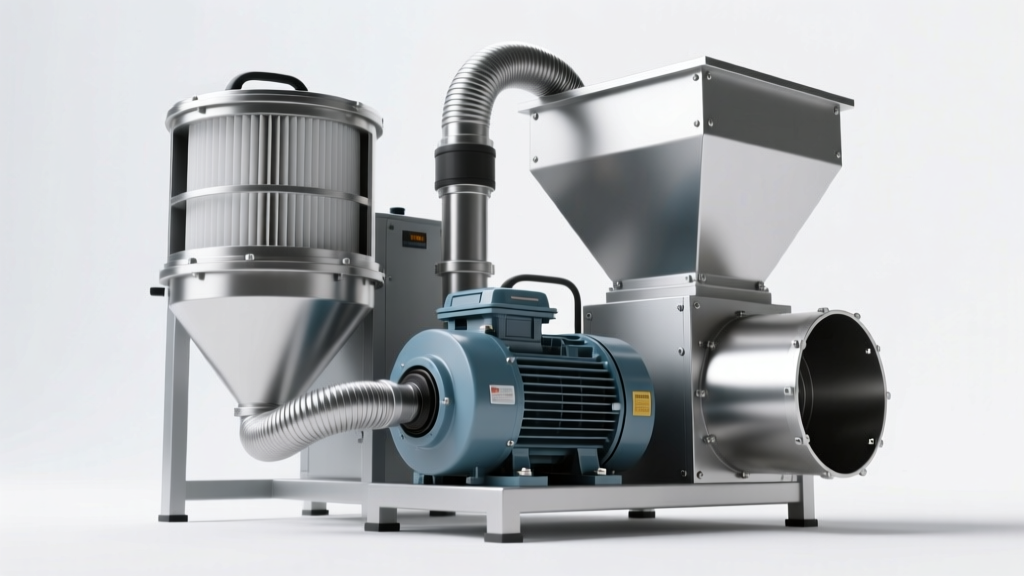
Different Types of Fan Spur Gear Systems
A fan spur gear system is a mechanical arrangement that transfers rotational force between parallel shafts using spur gears, which are characterized by straight teeth aligned parallel to the gear axis. These systems are integral to various industrial, automotive, and HVAC applications where reliable airflow generation and mechanical efficiency are essential. By coupling fans with different gear configurations, engineers can optimize performance for airflow volume, noise, energy efficiency, and durability.
Single Gear Fan
Features a single spur gear directly connected to the fan motor, providing a straightforward and efficient power transmission system.
Advantages
- Simple design with minimal moving parts
- Low maintenance requirements
- Cost-effective manufacturing and repair
- Stable and consistent airflow output
Limitations
- Limited airflow amplification
- Not suitable for high-demand cooling
- Lower torque transfer capability
Best for: Small electronics, household appliances, low-power ventilation systems
Twin Gear Fan
Utilizes two interlocking spur gears where one drives the other, effectively increasing rotational output and airflow capacity.
Advantages
- Higher airflow rate due to gear multiplication
- Improved cooling efficiency
- Suitable for compact high-output designs
- Balanced load distribution between gears
Limitations
- Increased mechanical complexity
- Requires precise alignment
- Higher wear at gear contact points
Best for: Server racks, industrial electronics, power supplies, and high-heat environments
Cylindrical Gear Fan
Incorporates spur gears mounted on a cylindrical housing, allowing for radial airflow distribution and enhanced structural stability.
Advantages
- Uniform airflow distribution around the circumference
- Excellent stability under continuous operation
- Ideal for ducted airflow systems
- Reduced vibration due to symmetrical design
Limitations
- Bulkier design compared to axial fans
- Higher manufacturing precision required
- More expensive materials and assembly
Best for: HVAC systems, air handling units, liquid cooling loops, and ventilation ducts
Helical Gear Fan
Employs helical gears—featuring angled teeth—for smoother meshing and quieter operation compared to traditional spur gears.
Advantages
- Quieter operation with reduced noise levels
- Higher efficiency due to gradual tooth engagement
- Less vibration and mechanical stress
- Longer service life under heavy loads
Limitations
- Generates axial thrust requiring additional bearings
- More complex and costly to manufacture
- Slight energy loss due to sliding friction
Best for: Automotive radiators, precision industrial coolers, residential HVAC, and noise-sensitive environments
External Gear Fan
Uses spur gears positioned externally to the fan housing, enabling greater torque transmission and access for maintenance.
Advantages
- High torque and airflow output
- Excellent heat dissipation from external components
- Easier access for lubrication and servicing
- Scalable design for high-performance needs
Limitations
- Exposed gears vulnerable to contamination
- Requires protective shielding in harsh environments
- Larger footprint and weight
Best for: Aerospace systems, high-speed machinery, turbo blowers, and industrial turbines
| Type | Noise Level | Airflow Capacity | Durability | Primary Applications |
|---|---|---|---|---|
| Single Gear Fan | Low | Low to Moderate | High | Consumer electronics, small appliances |
| Twin Gear Fan | Moderate | High | Good | Data centers, industrial electronics |
| Cylindrical Gear Fan | Low to Moderate | High (Uniform) | Very Good | HVAC, ducted ventilation, fluid systems |
| Helical Gear Fan | Very Low | Moderate to High | Excellent | Automotive, residential cooling, precision equipment |
| External Gear Fan | Moderate | Very High | Good (with maintenance) | Aerospace, high-speed machinery, turbines |
Expert Tip: When selecting a fan spur gear system, consider the operating environment—high dust or moisture levels may require sealed gear housings or corrosion-resistant materials like stainless steel or engineered polymers to ensure longevity and performance.
Industrial Applications of Spur Gear Fans: Performance, Reliability, and Sector-Specific Benefits
Spur gear fans—driven by spur gear motors—are essential components in industrial environments where consistent, efficient, and reliable airflow is critical. These fans combine the mechanical simplicity of spur gears with robust motor integration, offering high torque transmission, low noise operation, and long service life. Their precision engineering makes them ideal for demanding applications across multiple sectors, from climate control to aerospace systems.
Key Advantages of Spur Gear Fans
HVAC Systems: Ensuring Comfort and Climate Control
In heating, ventilation, and air conditioning (HVAC) systems, spur gear fan units play a pivotal role in circulating conditioned air throughout commercial buildings, hospitals, and industrial facilities. These fans maintain precise airflow rates, ensuring temperature uniformity and indoor air quality—even during extreme weather conditions.
Their reliability supports continuous operation in 24/7 environments such as data centers or manufacturing plants. Additionally, the ability to integrate with variable speed drives allows for energy-efficient modulation based on real-time demand, reducing operational costs over time.
Cooling Electronic Equipment
In high-density computing environments like data centers, servers, and telecommunications cabinets, thermal management is paramount. Overheating can lead to hardware failure, data loss, and costly downtime.
Spur gear fan units provide quiet, accurate, and reliable cooling with minimal vibration—critical for protecting sensitive circuitry. Their consistent performance under sustained load ensures optimal heat dissipation, extending equipment lifespan and maintaining system stability.
Advanced models include thermal sensors and speed control mechanisms that adjust airflow dynamically, enhancing both efficiency and safety in mission-critical applications.
Automotive Industry: Engine and Component Cooling
Spur gear fans are widely used in automotive radiators to regulate engine temperature, especially in heavy-duty trucks, buses, and industrial vehicles where passive airflow is insufficient at low speeds or idle conditions.
Mounted directly to the radiator or integrated into electric cooling modules, these fans deliver targeted airflow that enhances heat exchange efficiency. This results in improved engine performance, reduced thermal stress, and lower emissions.
Their rugged construction allows them to endure harsh conditions, including dust, moisture, and wide temperature fluctuations, making them indispensable in off-road and commercial vehicle applications.
Industrial Machinery: Ventilation and Fume Extraction
In large-scale manufacturing and processing plants, machinery generates significant heat and potentially hazardous fumes. Spur gear fans are employed in ventilation systems to extract hot air, vapors, and contaminants, promoting a safer and more comfortable working environment.
These fans are commonly found in CNC machines, welding stations, and chemical processing units. Their strength and durability enable continuous operation in corrosive, dusty, or high-temperature environments without degradation in performance.
Additionally, their compatibility with ducted systems allows for strategic placement and remote airflow management, optimizing plant-wide air quality and equipment longevity.
Aerospace: Precision Airflow for Safety and Comfort
The aerospace industry demands components that offer unmatched reliability and precision under extreme conditions. Fans with motor gears are utilized in various aircraft systems, including cabin pressurization, avionics cooling, and environmental control systems (ECS).
These fans must operate efficiently at high altitudes, low pressures, and fluctuating temperatures. Spur gear designs meet these challenges by delivering consistent airflow with minimal maintenance requirements.
Because safety and redundancy are paramount in aviation, many spur gear fan systems are built with fail-safe mechanisms and monitored in real time to ensure uninterrupted operation during flight.
| Industry | Primary Function | Key Benefits of Spur Gear Fans |
|---|---|---|
| HVAC Systems | Air circulation and climate control | Energy efficiency, durability, quiet operation, consistent airflow |
| Electronics Cooling | Thermal management of servers and circuitry | Precise airflow, low noise, vibration resistance, long service life |
| Automotive | Engine and component cooling | High torque, reliability under load, resistance to environmental stress |
| Industrial Machinery | Heat dissipation and fume extraction | Rugged design, continuous operation, compatibility with duct systems |
| Aerospace | Cabin pressurization and avionics cooling | High performance in extreme conditions, precision control, safety compliance |
Important: When selecting spur gear fans for industrial use, always consider operating environment, required airflow (CFM), static pressure, noise levels, and power specifications. Using undersized or incompatible fans can lead to overheating, reduced efficiency, and premature equipment failure. Consult engineering guidelines and manufacturer data sheets to ensure optimal integration and performance.
Product Specifications and Features of Spur Gear Fans
Spur gear fans are precision-engineered cooling solutions widely used in electronics, industrial machinery, HVAC systems, and automotive applications. Their unique gear-driven mechanism enables precise airflow control, enhanced durability, and quiet operation—making them ideal for environments where reliability and efficiency are paramount. These fans are available in various configurations to meet diverse operational demands, from compact electronic enclosures to large-scale industrial cooling systems.
Motor Power Range
Motor power is a critical determinant of a spur gear fan’s cooling capacity and energy efficiency. The motor must be appropriately sized to ensure optimal airflow without excessive power consumption.
- Low-power models (10W–100W): Ideal for small electronics, control panels, and office equipment where minimal heat is generated.
- Mid-range (100W–500W): Commonly used in server racks, industrial automation systems, and medical devices requiring consistent thermal management.
- High-power (500W–2000W): Designed for heavy-duty applications such as power converters, large enclosures, and outdoor telecom cabinets exposed to high ambient temperatures.
Key insight: Selecting the right motor power ensures energy-efficient cooling while avoiding premature motor wear due to overloading.
Speed & RPM Control
Spur gear fans offer adjustable speed settings via integrated gearboxes, allowing fine-tuned airflow regulation based on thermal load.
- Operates up to 3000 RPM, enabling rapid heat dissipation in high-temperature environments.
- Gearbox allows speed reduction for applications requiring quieter operation or lower airflow.
- Variable speed drives (VSDs) can be integrated for automatic temperature-responsive control.
- Lower speeds (800–1500 RPM) are preferred in noise-sensitive areas like laboratories and hospitals.
Performance tip: Use PWM or voltage control to dynamically adjust fan speed and extend motor life.
Fan Diameter & Airflow Capacity
Fan diameter directly influences air volume displacement and static pressure capability. Proper sizing ensures effective cooling within spatial and thermal constraints.
- Compact (50mm–120mm): Used in circuit boards, LED lighting, and consumer electronics with limited space.
- Medium (120mm–300mm): Standard for industrial control cabinets, HVAC units, and battery cooling systems.
- Large (300mm–500mm): Employed in data centers, power generation units, and large machinery requiring high-volume airflow.
- Larger diameters move more air at lower RPMs, reducing noise and energy use.
Design note: Larger fans often provide better efficiency and longer service life due to reduced rotational stress.
Gear Ratio & Torque Optimization
The gear ratio determines the relationship between motor input speed and fan blade output speed, directly affecting torque and airflow characteristics.
- Common ratios range from 1:1 (direct drive) to 10:1 (high torque reduction).
- Low ratios (1:1–3:1) maintain high speed with moderate torque—suitable for light-duty cooling.
- High ratios (5:1–10:1) increase torque for moving air through restrictive environments (e.g., filters, ducts).
- Custom gear trains allow precise matching of fan performance to system impedance.
Engineering advantage: High-torque configurations enable reliable operation in dusty or high-static-pressure environments.
Material Composition
The choice of materials impacts durability, weight, corrosion resistance, and thermal stability—critical for long-term reliability in harsh conditions.
- Polypropylene (PP): Lightweight, chemically resistant, and cost-effective; ideal for indoor and non-extreme environments.
- Polycarbonate (PC): Offers high impact strength and transparency; used in applications requiring visual inspection or ruggedness.
- Metal alloys (aluminum, steel): Provide superior heat dissipation and mechanical strength for industrial and outdoor use.
- Gears may be made from reinforced nylon or stainless steel for wear resistance and quiet meshing.
Durability factor: Corrosion-resistant coatings or UV-stabilized plastics enhance lifespan in humid or outdoor installations.
Environmental Tolerance
Spur gear fans are engineered to perform reliably across a wide range of environmental conditions.
- Operating temperature range: Typically **-20°C to +70°C**, with specialized versions up to 100°C.
- IP ratings from **IP54 (dust and splash resistant)** to **IP68 (fully sealed)** for use in wet or dusty environments.
- Available with conformal coating for protection against moisture and contaminants in electronics.
- Vibration-resistant mounting options ensure stability in mobile or high-vibration applications (e.g., vehicles, machinery).
Installation tip: Always verify environmental compatibility to prevent premature failure.
Key Features and Performance Benefits
- Durability & Long Service Life: Constructed from high-grade thermoplastics and metal alloys, these fans withstand continuous operation in demanding environments. Sealed bearings and robust gear trains reduce maintenance needs and extend operational life.
- Low Noise Operation: Precision-machined gears and aerodynamically optimized blades minimize turbulence and vibration. Sound levels can be as low as 25–35 dBA, making them suitable for hospitals, offices, and residential applications.
- Precise & Stable Airflow: The spur gear mechanism ensures consistent rotational speed and smooth airflow delivery, critical for sensitive electronics and thermal-sensitive processes in labs and data centers.
- Versatile Application Range: Widely used across industries including HVAC, automotive radiators, aerospace systems, industrial automation, and renewable energy systems (e.g., solar inverters).
- Wear Resistance: Gear teeth are hardened and lubricated to resist pitting, chipping, and abrasion. This ensures long-term efficiency even under frequent start-stop cycles or continuous duty.
- Energy Efficiency: Optimized motor-gear-blade integration reduces power consumption while maintaining effective cooling performance, contributing to lower operating costs.
Expert Recommendation: When selecting a spur gear fan, consider not only the technical specs but also the total operating environment—temperature, dust, moisture, and noise requirements. For critical applications, opt for fans with IP65 or higher ratings and integrated thermal protection. Pairing the fan with a smart controller can further enhance efficiency and system responsiveness.
| Application Type | Recommended Fan Size | Power Range | Key Feature Emphasis |
|---|---|---|---|
| Electronics Cooling (PCBs, Enclosures) | 50mm – 120mm | 10W – 100W | Low noise, compact size, precision airflow |
| Industrial Control Cabinets | 120mm – 300mm | 100W – 500W | Durability, dust resistance, stable performance |
| Data Centers & Server Racks | 200mm – 400mm | 300W – 1000W | High airflow, energy efficiency, low noise |
| Outdoor Telecom & Power Units | 300mm – 500mm | 500W – 2000W | Weather resistance, high torque, corrosion protection |
Additional Considerations for Optimal Selection
- Mounting Options: Available with flange, bracket, or panel-mount designs for easy integration into existing systems.
- Smart Monitoring: Some models include tachometer outputs or IoT connectivity for remote performance tracking.
- Lubrication Type: Pre-lubricated or maintenance-free bearings reduce downtime and service costs.
- EMI/RFI Shielding: Critical for sensitive electronic environments to prevent interference.
- Compliance Standards: Look for certifications such as CE, UL, RoHS, and ISO 9001 to ensure quality and safety.
How to Choose Spur Gear Fans: A Comprehensive Buyer's Guide
Selecting the right spur gear fan is essential for achieving optimal airflow, energy efficiency, and system longevity. Whether you're designing HVAC systems, cooling electronic enclosures, or ventilating industrial spaces, understanding the key selection criteria ensures reliable performance and reduced maintenance. This guide breaks down the critical factors in choosing spur gear fans, offering practical insights and expert recommendations to help you make informed decisions.
Safety & Performance Note: Always match fan specifications to your system’s operational environment. Incorrect fan selection can lead to overheating, increased energy costs, or premature equipment failure. When in doubt, consult engineering specifications or a qualified HVAC/mechanical professional.
Key Factors in Selecting Spur Gear Fans
- Application Requirements
The intended use of the fan is the primary factor in selection. Different environments demand different performance characteristics:
- HVAC Systems: Require high-volume airflow over long duct runs; durability and static pressure handling are critical.
- Electronics Cooling (e.g., CPUs, Servers): Need precise, consistent airflow with minimal noise and compact size.
- Industrial Ventilation: Often involve high-temperature or dusty environments requiring robust construction and high torque.
- Automotive or Aerospace: Demand lightweight, vibration-resistant designs with high reliability under variable conditions.
Understanding your application helps narrow down fan types and gear configurations effectively.
- Power Requirements
Power consumption directly impacts efficiency and operating costs. Match the fan’s wattage to your system’s electrical capacity:
- Large industrial fans (e.g., in exhaust hoods) typically require 100W or more and may need dedicated circuits.
- Small electronic cooling fans (e.g., 40mm–80mm) usually operate between 1–10W and are powered via low-voltage DC sources.
- Always verify voltage compatibility (12V, 24V, 110V, 220V) and ensure power supply stability.
- Consider energy-efficient models with variable speed controls to reduce long-term costs.
- Fan Speed (RPM)
Fan speed, measured in revolutions per minute (RPM), determines airflow volume and cooling effectiveness:
- Higher RPM = greater airflow but potentially more noise and wear.
- Lower RPM fans are suitable for continuous operation in noise-sensitive areas (e.g., offices, medical equipment).
- Applications like server rooms may use variable-speed fans that adjust based on temperature (PWM control).
- Balance speed with system resistance—high-static-pressure environments may require high-torque, moderate-RPM fans.
- Fan Size and Dimensions
Physical fit is non-negotiable. Measure available space carefully:
- Common sizes range from 40mm (electronics) to 600mm+ (industrial blowers).
- Consider both diameter and depth—some enclosures have depth limitations.
- Ensure clearance around the fan for proper air intake and exhaust.
- Mounting options (screw holes, brackets, snap-in) should align with your housing design.
- Material Construction
The fan material affects durability, weight, noise, and environmental resistance:
- Metal (Aluminum/Steel): Ideal for high-temperature, high-vibration, or corrosive environments. Offers superior strength but adds weight and cost.
- Plastic (ABS, PBT, Nylon): Lightweight, cost-effective, and quiet. Resistant to rust and suitable for cleanroom or indoor applications.
- Composite Materials: Used in specialized applications requiring both strength and low weight.
- Sealed bearings and IP-rated housings enhance performance in dusty or humid conditions.
- Gear Ratio and Torque Performance
The spur gear ratio influences how the motor’s output translates to fan blade movement:
- High Gear Ratio: Increases torque at lower speeds—ideal for overcoming air resistance in ducted systems or dirty filters.
- Low Gear Ratio: Enables higher fan speeds with less torque—suited for open-space cooling where airflow resistance is minimal.
- Match the gear ratio to your system’s airflow impedance. Use computational fluid dynamics (CFD) or pressure drop charts for precision.
- Integrated gearboxes should be lubricated and sealed to prevent wear and contamination.
- Noise Level (Acoustic Performance)
Noise is a critical consideration in occupied or sensitive environments:
- Spur gear fans are generally quieter than direct-drive or bevel gear systems due to smoother power transmission.
- Noise is measured in decibels (dBA); aim for <30 dBA in quiet spaces and <55 dBA in industrial settings.
- Helical gears are an excellent upgrade for noise reduction—teeth engage gradually, minimizing vibration and acoustic turbulence.
- Use rubber mounts, acoustic enclosures, or variable-speed drives to further reduce operational noise.
| Selection Factor | Ideal For | Avoid In | Recommended Tools/Checks |
|---|---|---|---|
| High Gear Ratio | Ducted systems, dirty environments, high static pressure | Low-resistance open cooling | Pressure gauge, torque calculator, system schematics |
| Low Noise Design | Hospitals, labs, offices, residential HVAC | High-dust industrial zones (unless sealed) | Sound meter, helical gear options, vibration dampeners |
| Plastic Housing | Indoor electronics, cleanrooms, lightweight setups | High-heat or abrasive environments | Temperature rating check, IP rating verification |
| Metal Construction | Foundries, ovens, outdoor industrial units | Corrosive atmospheres (unless coated) | Corrosion resistance test, thermal imaging |
| Variable Speed Control | Temperature-sensitive equipment, energy savings | Simple on/off systems | PWM controller, thermostat integration, fan curves |
Expert Tip: When replacing or upgrading a spur gear fan, document the existing model number, voltage, RPM, and airflow (CFM). This ensures compatibility and simplifies sourcing replacements. Consider upgrading to brushless DC (BLDC) motors for longer life and better speed control.
Additional Selection Tips
- Check for certifications: Look for CE, UL, RoHS, or IP ratings depending on your region and application.
- Evaluate bearing type: Ball bearings last longer than sleeve bearings, especially in vertical installations.
- Monitor temperature rise: A fan should prevent component temperatures from exceeding safe operating limits.
- Plan for maintenance: Ensure easy access for cleaning and inspection, especially in dusty environments.
- Consider smart features: Fans with tachometer outputs or fault alarms can integrate into monitoring systems.
Choosing the right spur gear fan involves balancing performance, environment, and efficiency. By carefully evaluating application needs, power, size, material, gear ratio, and noise, you can select a fan that delivers reliable cooling for years. When designing new systems, prototyping with different fan options can reveal optimal configurations before full-scale deployment.
Frequently Asked Questions About Spur Gear Fans
Q1: What are the common uses of spur gear fans?Spur gear fans are widely used in applications where consistent, reliable airflow is critical for performance and safety. These fans excel in environments that demand precise thermal management and dependable ventilation. Key applications include:
- Electronics Cooling: In computers, servers, and telecommunications equipment, spur gear fans dissipate heat generated by processors and power supplies, helping maintain optimal operating temperatures and prevent overheating.
- Automotive Systems: They are commonly used in radiator cooling, engine compartments, and battery thermal management in electric vehicles, ensuring components operate within safe temperature ranges.
- HVAC Systems: In heating, ventilation, and air conditioning units, spur gear fan motors regulate indoor air quality and temperature by efficiently circulating air throughout residential, commercial, and industrial buildings.
- Industrial Machinery: Used in manufacturing equipment, control panels, and enclosed machinery to remove excess heat and airborne contaminants, improving system longevity and worker safety.
- Sound-Sensitive Environments: Due to their quiet operation, these fans are ideal for use in offices, hospitals, laboratories, and recording studios where low noise levels are essential.
Their robust design and ability to deliver steady airflow make spur gear fans a preferred choice across diverse sectors requiring durable and efficient cooling solutions.
Q2: How does a spur gear fan work?A spur gear fan operates through a mechanical transmission system that converts electrical energy into controlled airflow. Here's how it works:
- An electric motor provides rotational power to a set of spur gears—cylindrical gears with straight teeth that mesh together in parallel axes.
- The gear train transmits torque from the motor to the fan shaft, regulating speed and ensuring smooth, consistent rotation.
- As the fan blades rotate, they draw air in axially (from the front), accelerate it across the blade surface, and expel it radially or axially (depending on design) to create a continuous flow of air.
- The gear system acts as a speed reducer or stabilizer, minimizing fluctuations and vibrations, which results in uniform airflow and reduced turbulence.
This mechanism allows spur gear fans to deliver stable, efficient cooling even under variable load conditions, making them especially effective in precision-dependent applications like electronics and medical devices.
Q3: How is a spur gear fan maintained?Proper maintenance is crucial to ensure long-term reliability and performance of spur gear fans. A comprehensive maintenance routine includes the following steps:
- Regular Cleaning: Dust, dirt, and debris can accumulate on blades and within the housing, reducing airflow efficiency. Clean the fan periodically using compressed air or a soft brush to avoid damaging components.
- Lubrication: The motor bearings and gear system require regular lubrication according to the manufacturer’s recommendations. Use only specified lubricants to minimize friction, reduce wear on gear teeth, and prevent premature failure.
- Inspection for Wear and Tear: Routinely inspect fan blades, gears, shafts, and mounting hardware for signs of cracking, corrosion, or misalignment. Replace worn parts immediately to prevent cascading damage.
- Functional Testing: Periodically run the fan and monitor for unusual noises, vibrations, or reduced airflow. Use tachometers or sensors to verify rotational speed accuracy.
- Alignment Checks: Ensure the motor, gears, and fan shaft remain properly aligned. Misalignment can cause excessive vibration, noise, and accelerated wear. Adjust or realign as needed during servicing.
Following a scheduled maintenance plan extends the lifespan of the fan, maintains cooling efficiency, and reduces the risk of unexpected downtime in critical systems.
Q4: Are there benefits to spur gear fans over other cooling fans?Yes, spur gear fans offer several distinct advantages over other types of cooling fans, such as direct-drive or belt-driven models. These benefits stem from their unique mechanical design and operational characteristics:
| Feature | Spur Gear Fans | Other Cooling Fans |
|---|---|---|
| Noise Level | Low to moderate noise due to smooth gear engagement and controlled rotation. | Often noisier, especially at high speeds; direct-drive fans may produce higher-pitched whine. |
| Durability | High durability with reduced wear thanks to even load distribution across gear teeth. | Shorter lifespan in high-load scenarios; belt-driven systems suffer from belt degradation. |
| Speed Control | Precise speed regulation via gear ratio, ideal for sensitive thermal environments. | Less consistent speed control; may require electronic speed controllers. |
| Environmental Tolerance | Performs well in extreme temperatures, dusty, or high-vibration environments. | Sensitive to dust and temperature extremes; seals may degrade over time. |
| Versatility | Adaptable to compact electronics and large industrial systems alike. | Size and configuration often limit application flexibility. |
Overall, spur gear fans strike an excellent balance between performance, noise reduction, durability, and adaptability. Their ability to deliver consistent, reliable airflow makes them a superior choice for mission-critical cooling applications across industries.