Apple’s AirTag has revolutionized how we keep track of everyday essentials—from keys to backpacks. But while the device itself is built with precision, it lacks inherent protection against drops, moisture, and scratches. That’s where a high-quality protective keychain comes in. More than just an accessory, the right keychain safeguards your AirTag, enhances its functionality, and reflects your personal style. With countless options flooding the market, selecting the ideal one requires careful consideration. From material durability to attachment security, every detail matters.
Understand Your Use Case First
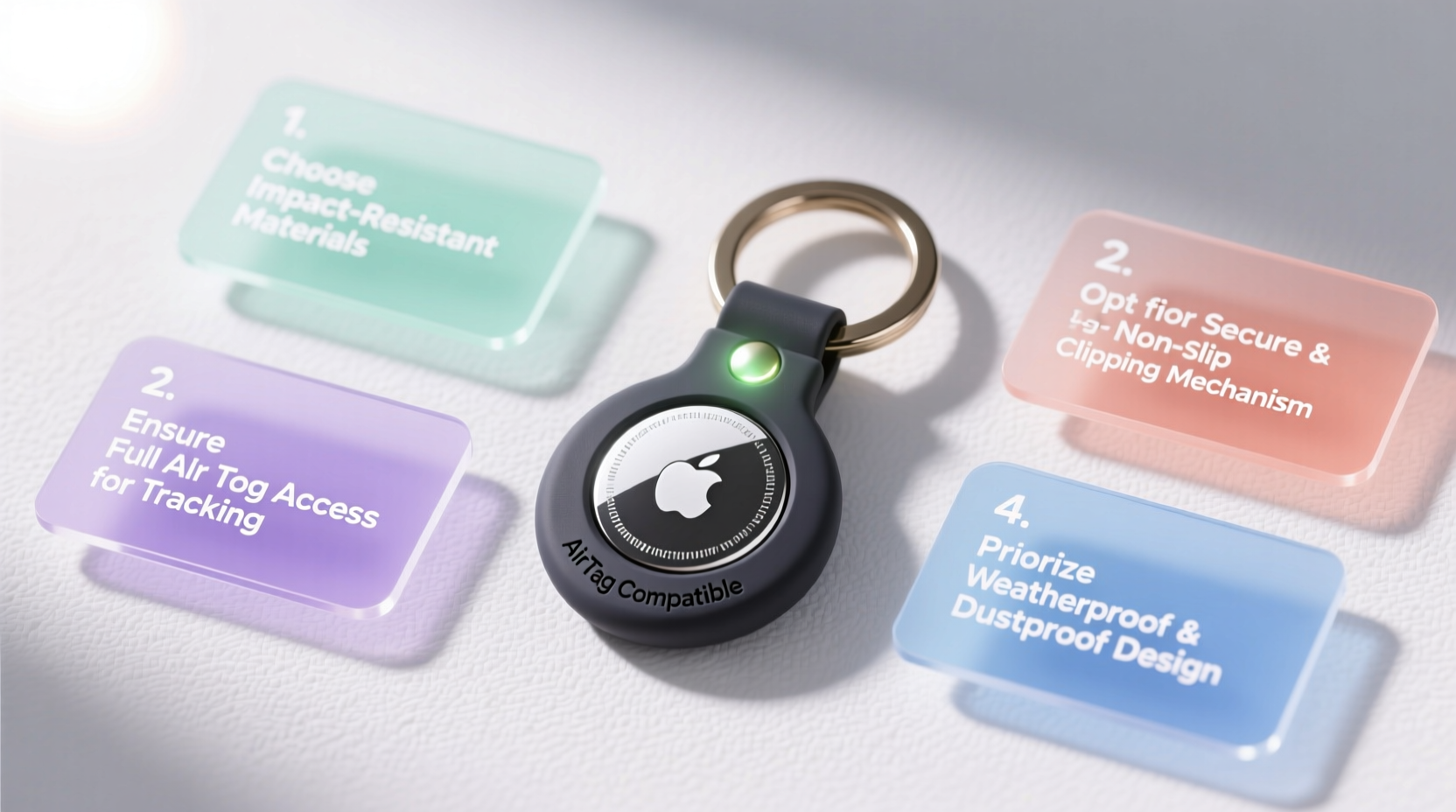
Before browsing product listings, ask yourself: Where will this AirTag go? The answer shapes everything from design preference to material selection. Are you attaching it to car keys that endure daily wear? Or perhaps to a designer handbag where aesthetics matter most? Maybe it’s for outdoor gear exposed to rain and mud. Each scenario demands different features.
A parent tracking a child’s school bag needs a rugged, tamper-proof case. A frequent traveler might prioritize slim profiles that won’t snag in luggage. Office professionals may lean toward minimalist metal designs that complement business accessories. Defining your primary use ensures you don’t overpay for unnecessary features or underprotect in high-risk environments.
Tip: Match the keychain’s durability to your lifestyle—if it goes on hiking gear, it should survive dirt, water, and impact.Material Matters: Balancing Protection and Style
The material of your AirTag keychain directly affects longevity, weight, and appearance. Common options include silicone, leather, metal, and polycarbonate. Each has strengths and trade-offs.
- Silicone: Offers excellent shock absorption and flexibility. Ideal for active users but can attract lint and degrade over time in UV light.
- Leather: Adds elegance and ages beautifully. Best for wallets or bags but less suited for wet conditions unless treated.
- Aluminum or Stainless Steel: Provides superior durability and scratch resistance. Heavier, but highly secure and premium-feeling.
- Polycarbonate: Lightweight and impact-resistant. Often used in hybrid cases with rubberized interiors.
Hybrid models—like aluminum shells with silicone inner linings—are increasingly popular because they combine the best of both worlds: rigid outer protection and snug internal cushioning.
“Most AirTag damage occurs not from drops, but from repeated micro-impacts and moisture ingress at weak seams.” — David Lin, Product Durability Analyst at TechShield Labs
Secure Attachment: Prevent Loss Before It Happens
No matter how stylish or durable a keychain is, if it doesn’t securely hold your AirTag, it fails its core purpose. The AirTag fits snugly inside a housing, but poor design can allow it to slip out during movement or impact.
Look for keychains with locking mechanisms such as screw-on caps, snap-tight enclosures, or magnetic closures with physical latches. Avoid models that rely solely on friction fit—these are prone to accidental ejection when jostled.
Equally important is the keyring attachment point. Weak links often occur where the ring connects to the case. Reinforced hinge pins, welded joints, or integrated loops (rather than add-on rings) significantly reduce breakage risk.
| Attachment Type | Security Level | Durability Notes |
|---|---|---|
| Friction-fit + basic ring | Low | Prone to AirTag loss; common in budget models |
| Screw-on cap + metal ring | High | Best for heavy-duty use; requires tool for access |
| Magnetic with latch | Medium-High | Convenient access; ensure magnet strength is tested |
| Snap closure + reinforced loop | Medium | Balances ease and safety; check for fatigue over time |
Design and Practicality: Function Meets Form
A well-designed keychain doesn’t interfere with AirTag functionality. Ensure the case allows unobstructed Bluetooth and UWB signal transmission—avoid thick metallic shields that block connectivity. Most reputable brands test for signal transparency.
Consider size and ergonomics. Bulky cases make keys harder to manage in tight pockets or lock mechanisms. Slim, contoured designs integrate seamlessly without adding bulk. Some models even incorporate additional features like bottle openers, USB storage, or replaceable straps.
Also evaluate accessibility. Can you easily remove the AirTag for battery replacement? Models requiring tools may be secure but inconvenient. Opt for user-friendly designs that don’t sacrifice safety for convenience.
Tip: Choose a keychain with a visible serial number window so you can register your AirTag without removing it.Real-World Example: Sarah’s Travel Dilemma
Sarah, a digital nomad, attached her AirTag to her carry-on using a flimsy silicone band she picked up online. Midway through a layover in Bangkok, the band snapped at the airport carousel. She only realized her AirTag was missing when checking her Find My app later that night. After losing two more inexpensive cases, she invested in a machined aluminum keychain with a threaded closure. Two years and 17 countries later, it remains intact, surviving baggage handling, humidity, and daily use. Her advice? “Spend more upfront. Losing an AirTag mid-trip costs far more than $20 extra on a good case.”
Step-by-Step Guide to Choosing the Right Keychain
- Define your usage: Will it be on keys, luggage, or a pet’s collar?
- Evaluate environmental exposure: Does it face water, dust, or extreme temperatures?
- Check compatibility: Confirm the case supports AirTag removal for battery changes.
- Test attachment security: Look for reviews mentioning long-term durability and no accidental drops.
- Assess aesthetics: Pick a finish that matches your personal style—brushed metal, matte black, or natural leather.
- Verify signal performance: Ensure the brand confirms no interference with Find My network accuracy.
- Compare warranties: Reputable manufacturers offer at least a 1-year guarantee against defects.
Top Checklist Before Buying
- ✅ Secure AirTag retention (no wobble or easy ejection)
- ✅ Durable materials suited to your environment
- ✅ Unobstructed speaker hole for sound alerts
- ✅ Easy access for CR2032 battery replacement
- ✅ Strong keyring connection (welded or integrated)
- ✅ Minimal impact on Bluetooth/UWB signal
- ✅ Positive long-term user reviews (12+ months)
Frequently Asked Questions
Can any keychain damage my AirTag?
Yes. Poorly designed cases can trap moisture, block the speaker, or apply pressure to the circuitry. Metal cases without proper lining may cause overheating in direct sunlight. Always choose a model specifically engineered for AirTag dimensions and ventilation.
Do I need a waterproof case?
If your AirTag will be exposed to rain, snow, or spills, yes. While the AirTag itself has IP67 rating (dust and splash resistant), prolonged moisture exposure through poorly sealed cases can lead to corrosion. Fully sealed keychains with O-rings provide better long-term protection.
Are expensive keychains worth it?
For frequent users, yes. Premium keychains use aerospace-grade materials, undergo stress testing, and offer modular designs. They last longer and protect your investment. Budget cases may save money short-term but often fail within months under regular use.
Final Thoughts: Protect What You Track
Your AirTag is only as reliable as the protection it receives. A thoughtful keychain isn’t an afterthought—it’s essential infrastructure for maintaining peace of mind. Whether you’re safeguarding car keys, travel bags, or valuable equipment, the right case combines resilience, intelligent design, and seamless integration.
Don’t let a loose fit or flimsy build compromise your tracking system. Take the time to assess your needs, compare trusted models, and invest in quality. When you do, your AirTag will perform reliably for years, quietly doing its job—right where you left it.
🚀 Ready to upgrade your AirTag setup? Review your current keychain against this guide and consider switching to a more secure, durable option today. Share your favorite model in the comments to help others make smarter choices!