
Electric meters are essential components of any residential or commercial power system, measuring energy consumption accurately for billing and monitoring purposes. However, these devices are often exposed to environmental hazards, tampering risks, and physical damage that can compromise their functionality and safety. Installing durable covers and shields is a proactive measure to safeguard your meter, maintain data integrity, and prevent costly repairs or violations. This guide explores practical, code-compliant strategies to effectively protect your electric meter using high-quality shielding solutions.
Why Electric Meter Protection Matters
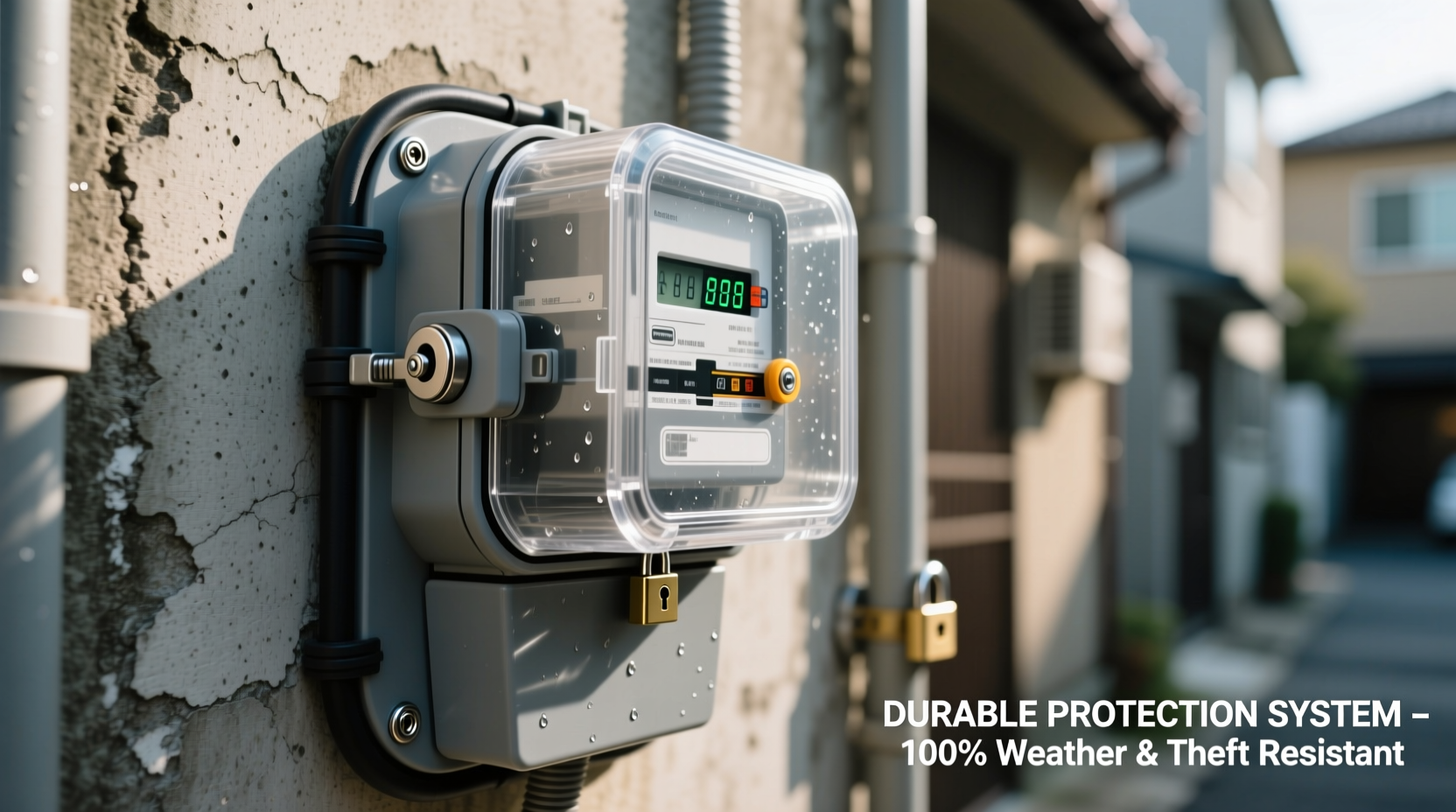
Left unshielded, electric meters face numerous threats. Rain, snow, dust, and extreme temperatures can degrade internal components over time. In outdoor installations, UV exposure may weaken plastic casings, while pests like rodents can chew through wiring. Additionally, unauthorized access or tampering not only poses safety risks but can also lead to legal penalties and inaccurate readings.
Proper protection ensures long-term reliability and compliance with utility regulations. A well-designed cover acts as the first line of defense—blocking debris, minimizing moisture ingress, and discouraging interference—without obstructing visibility for meter readers or maintenance personnel.
“Meter integrity directly affects billing accuracy and electrical safety. A protective shield isn’t just physical armor—it’s part of responsible energy management.” — James Ralston, Senior Electrical Inspector, National Grid Safety Division
Choosing the Right Cover: Materials and Design Features
Not all meter covers are created equal. The effectiveness of a shield depends on its construction material, fit, ventilation, and adherence to local codes. Below is a comparison of common materials used in durable meter protection:
| Material | Pros | Cons | Best For |
|---|---|---|---|
| Polycarbonate Plastic | UV-resistant, lightweight, shatterproof, transparent for easy reading | Can yellow over time if low-grade | Residential outdoor use |
| Stainless Steel | Durable, tamper-resistant, corrosion-proof | Heavier, more expensive, blocks visibility | Commercial sites, high-theft areas |
| Aluminum Alloy | Lightweight, rust-resistant, good heat dissipation | Less impact-resistant than steel | Industrial zones with moderate exposure |
| Weatherproof ABS Plastic | Affordable, easy to install, decent insulation | Limited lifespan in harsh climates | Temporary setups or sheltered locations |
When selecting a cover, ensure it allows adequate airflow to prevent condensation buildup inside the enclosure. Look for models with gasket seals, lockable designs (where permitted), and clear viewing windows made from polycarbonate. Avoid makeshift enclosures such as wood boxes or metal drums, which violate electrical codes and create fire hazards.
Tip: Always verify that your chosen cover meets NEMA 3R or IP65 standards for outdoor electrical enclosures—these ratings guarantee protection against rain, sleet, and dust.Step-by-Step Guide to Installing a Protective Meter Shield
Installing a durable cover correctly is crucial to maintaining both protection and compliance. Follow this sequence to ensure a safe and effective setup:
- Turn Off Power at the Main Breaker: Before touching any component near the meter, shut off electricity at the main service panel. Confirm power is off using a non-contact voltage tester.
- Inspect the Meter Base: Check for cracks, corrosion, or loose connections. Address any issues before proceeding—do not install a cover over damaged equipment.
- Select a Compatible Cover: Match the model number of your meter base with manufacturer-recommended shields. Universal fits exist but may leave gaps.
- Position and Align the Cover: Place the shield over the meter without forcing it. Ensure knockouts or conduit entries align properly.
- Secure Fasteners: Use stainless steel screws or clips provided by the manufacturer. Do not overtighten, as this can crack plastic housings.
- Verify Clearance and Ventilation: Leave at least 6 inches of clearance around the meter for air circulation and future access.
- Restore Power and Test Visibility: Turn the main breaker back on and confirm the utility can still read the meter remotely or visually.
If your property uses a smart meter, ensure the cover does not block wireless signal transmission (e.g., RF or cellular). Some modern shields are designed with signal-transparent materials to accommodate digital communication.
Common Mistakes to Avoid
Even well-intentioned efforts can backfire if proper precautions aren’t taken. Here are frequent errors homeowners and contractors make when protecting electric meters:
- Using Non-Listed Enclosures: Covers not certified by UL or ETL may fail under stress and void insurance coverage.
- Blocking Utility Access: Locking a meter without prior approval from the power company can result in fines or disconnection.
- Ignoring Local Codes: Municipalities often have specific rules about enclosure types, mounting height, and setbacks.
- Sealing Too Tightly: Complete waterproof sealing traps moisture; instead, opt for drip loops and vented designs.
- DIY Modifications: Drilling holes or altering factory fittings compromises structural integrity and safety ratings.
Real-World Example: Coastal Home Protection Upgrade
In Wilmington, North Carolina, homeowner Linda Tran noticed erratic readings during hurricane season. Her aluminum-sided house was prone to salt spray, and the original plastic meter cover had become brittle and cracked after five years. After consulting an electrician, she replaced it with a NEMA 4X-rated polycarbonate shield featuring marine-grade seals and a hinged, lockable design.
The new cover resisted wind-driven rain during Hurricane Idalia, prevented sand intrusion, and allowed seamless remote reading. “I used to worry every storm would knock out the meter,” Linda said. “Now I feel confident it’s built to last.”
Essential Checklist for Meter Shield Installation
Use this checklist to ensure your electric meter protection project meets safety and performance standards:
- ☐ Confirmed compatibility between cover and meter model
- ☐ Verified NEMA/IP rating suitable for outdoor exposure
- ☐ Ensured unobstructed visibility for manual or automated readings
- ☐ Installed with corrosion-resistant fasteners
- ☐ Maintained required clearance (minimum 30 inches in front, 36 inches overhead)
- ☐ Checked for proper grounding continuity
- ☐ Notified utility company of upgrade (if required)
- ☐ Scheduled periodic inspections (at least annually)
Frequently Asked Questions
Can I paint my meter cover?
No. Painting a plastic or metal cover can trap heat, degrade materials faster, and potentially violate fire codes. If aesthetics matter, choose a cover in a color that blends with your siding.
Are lockable meter covers legal?
Only if authorized by your utility provider. Unauthorized locks may be considered obstruction of service and lead to penalties. Many jurisdictions allow locks only when accompanied by a master key agreement with the utility.
How often should I inspect the cover?
Inspect at least once per year, preferably before storm season. Look for warping, discoloration, seal degradation, or signs of animal nesting.
Final Thoughts: Secure Your Meter, Protect Your Property
A durable cover or shield for your electric meter is more than a simple accessory—it's a critical investment in safety, accuracy, and infrastructure resilience. Whether you're in a region prone to storms, wildlife activity, or urban vandalism, the right protection extends the life of your meter and prevents avoidable disruptions. By choosing code-compliant materials, following correct installation procedures, and staying informed about utility requirements, you take meaningful steps toward a safer, more reliable electrical system.
🚀 Ready to upgrade your meter protection? Start by checking with your local utility for approved cover models, then schedule a professional inspection to ensure full compliance. Your meter—and your peace of mind—will thank you.