
A well-chosen customer gift does more than say “thank you.” It reinforces your brand’s values, deepens emotional connections, and turns satisfied buyers into loyal advocates. In a world where transactions are increasingly digital and impersonal, a physical gesture can stand out powerfully. The key isn’t just spending money—it’s investing in meaning. The most memorable gifts feel personal, useful, and aligned with the recipient’s lifestyle or needs.
Whether you're marking a milestone, celebrating a holiday, or simply expressing appreciation, the right gift elevates your relationship beyond business-as-usual. But what makes a gift truly impressive? It should reflect thoughtfulness, quality, and relevance—not just your logo slapped on a mug. Let’s explore how to select and deliver customer gifts that genuinely delight.
Why Customer Gifting Matters More Than Ever
In competitive markets, service and product quality are table stakes. What differentiates one brand from another is often the experience—the subtle touches that make customers feel seen and valued. A 2023 study by the Incentive Research Foundation found that 89% of recipients view branded gifts as a sign of appreciation, and 76% are more likely to recommend a company that gives meaningful tokens of gratitude.
But not all gifts have the same impact. Mass-produced promotional items often end up unused or discarded. To leave a lasting impression, your gift must transcend utility and tap into emotion. It should spark a moment of surprise, joy, or recognition—“They really get me.”
“Gifts aren’t about cost; they’re about context. The best ones feel intentional, not transactional.” — Sarah Lin, Customer Experience Strategist at BrandLoyalty Group
Criteria for Selecting Impressive Customer Gifts
Before diving into specific ideas, establish a framework for decision-making. Use these five filters to evaluate any potential gift:
- Relevance: Does it align with your customer’s interests, industry, or daily life?
- Quality: Is it durable, well-made, and something someone would proudly keep?
- Uniqueness: Does it stand out from typical corporate swag?
- Brand Integration: Can your brand be included tastefully without overshadowing the gift itself?
- Scalability: Can you deliver this consistently across your customer base without sacrificing quality?
Top Gift Ideas That Impress and Delight
The following ideas balance practicality, elegance, and emotional resonance. Each has been tested by brands across industries—from SaaS companies to boutique retailers—and consistently earns positive feedback.
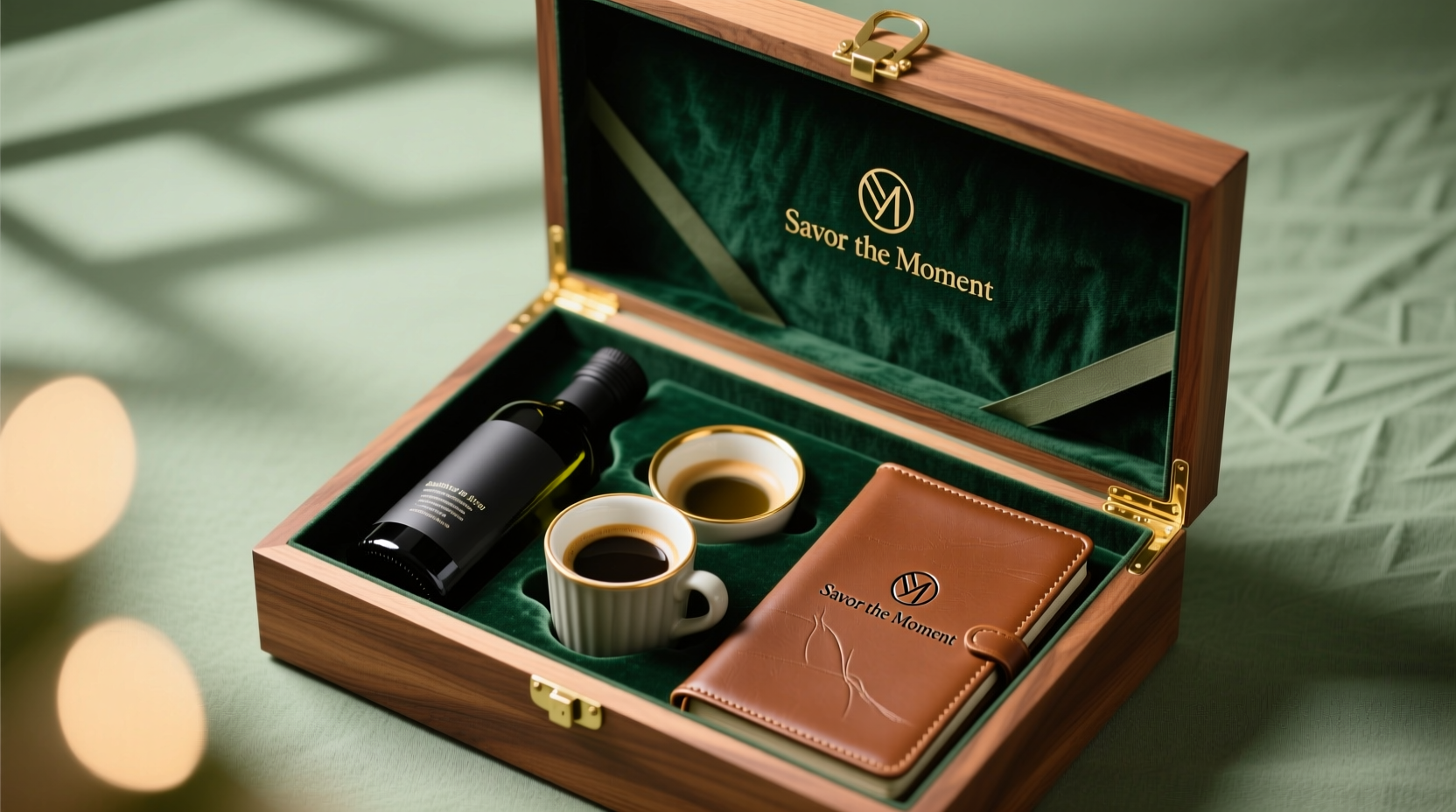
- Premium Coffee or Tea Sets: Curated collections from artisan roasters or rare tea blenders, packaged in reusable wooden boxes or ceramic tins. Include a handwritten note and a QR code linking to brewing tips or the story behind the blend.
- Personalized Leather Journals: High-quality notebooks embossed with the customer’s name or initials. Pair with a fine pen for executives or creatives who value organization and craftsmanship.
- Local Artisan Boxes: Collaborate with nearby makers to assemble region-specific gift crates—think small-batch honey, handmade soap, and craft chocolate. Supports local economies and adds authenticity.
- Digital Wellness Subscriptions: Offer a three-month membership to Calm, Headspace, or MasterClass. Include access via a custom-branded email invite with a personal message.
- Custom Illustrations: Commission an artist to create a stylized portrait of the customer’s team, office, or pet. Frame it digitally or print it on archival paper.
- Sustainable Home Essentials: Bamboo cutting boards, organic cotton towels, or solar-powered chargers. Emphasize eco-values while delivering everyday usefulness.
- Experiential Vouchers: Cooking classes, wine tastings, or concert tickets. For B2B clients, consider executive dining experiences or VIP event passes.
Real Example: How a Tech Startup Won Over Enterprise Clients
A mid-sized SaaS company specializing in project management tools wanted to strengthen relationships with its top 50 clients. Instead of sending holiday chocolates, they launched a “Year in Review” gifting campaign. Each client received a beautifully printed booklet summarizing their usage stats, team achievements, and personalized insights—all wrapped in a linen folio with a hand-signed thank-you letter.
Inside was also a $50 donation made in the client’s name to a charity of their choice, along with a seed paper thank-you card (plantable to grow wildflowers). The response was overwhelming: 42 clients replied personally, two referred new business, and several mentioned the gift in case studies. One CEO called it “the most thoughtful corporate gift we’ve ever received.”
Do’s and Don’ts of Customer Gifting
| Do | Don't |
|---|---|
| Personalize when possible (name, role, or recent achievement) | Send mass, undifferentiated gifts with no personal touch |
| Choose high-quality materials that reflect your brand standards | Select the cheapest option just to check a box |
| Include a handwritten note or custom message | Rely solely on printed labels or automated emails |
| Time gifts strategically (anniversaries, milestones, post-purchase) | Only give during holidays or under pressure |
| Follow up with a simple thank-you email after delivery | Assume the gift speaks for itself without follow-up |
Step-by-Step Guide to Launching a Customer Gifting Program
Impressive gifting doesn’t happen by accident. Follow this six-step process to build a scalable, impactful program:
- Define Your Objective: Is it retention, referral generation, or relationship building? Align gifts with your goal.
- Segment Your Customers: Prioritize top-tier clients, long-term users, or those who recently achieved a milestone.
- Budget & Scale: Decide per-gift spend (e.g., $50–$150) and total allocation. Start small and expand based on ROI.
- Select & Source Gifts: Test 2–3 options with internal teams or pilot customers before full rollout.
- Personalize & Package: Add names, notes, and branding subtly. Invest in premium unboxing experiences—custom wraps, tissue paper, seals.
- Measure Impact: Track responses, social shares, NPS changes, or referral spikes post-gift. Adjust annually.
Frequently Asked Questions
How much should we spend on a customer gift?
There’s no one-size-fits-all answer, but a common benchmark is $50–$100 for key clients. For broader programs, $25–$40 can still make an impact if the gift is thoughtful. Focus on perceived value over actual cost—presentation and personalization amplify impact.
Should we include our logo on the gift?
Yes, but subtly. Engraving your logo on the inside of a journal, printing it on a thank-you card, or using branded packaging tape is enough. The gift should feel generous, not like an ad.
What if we have hundreds of customers? Isn’t this too expensive?
Scale matters. Consider tiered gifting: high-touch gifts for top 10%, curated digital gifts (e-books, courses) for mid-tier, and a heartfelt email + discount for the rest. Thoughtfulness scales through segmentation, not uniformity.
Final Thoughts: Turn Gratitude Into Growth
The most powerful customer gifts don’t just sit on a desk—they start conversations, strengthen trust, and become stories people want to share. When done right, gifting becomes a strategic lever, not just a seasonal expense. It signals that you see your customers as partners, not transactions.
Start small. Pick one client segment. Choose one exceptional gift. Add a human touch. Then measure, refine, and expand. Over time, your gifting program can become a signature part of your brand experience—one that customers remember long after the product is delivered.
🚀 Ready to transform your customer relationships? Choose one idea from this list, implement it this quarter, and watch how a simple gesture creates lasting loyalty.