
Traveling with your dog in a motorhome can be one of life’s greatest joys—freedom, fresh air, and companionship on open roads. But without thoughtful planning, what starts as an adventure can quickly become stressful—for both you and your pet. Ensuring your dog’s comfort and safety isn’t just about tossing in a bed and hitting the highway. It requires deliberate choices in vehicle selection, interior layout, gear, and daily routines. The right motorhome doesn’t just transport you; it supports a healthy, happy life on wheels for your four-legged co-pilot.
Choosing a Motorhome Built for Pet-Friendly Living
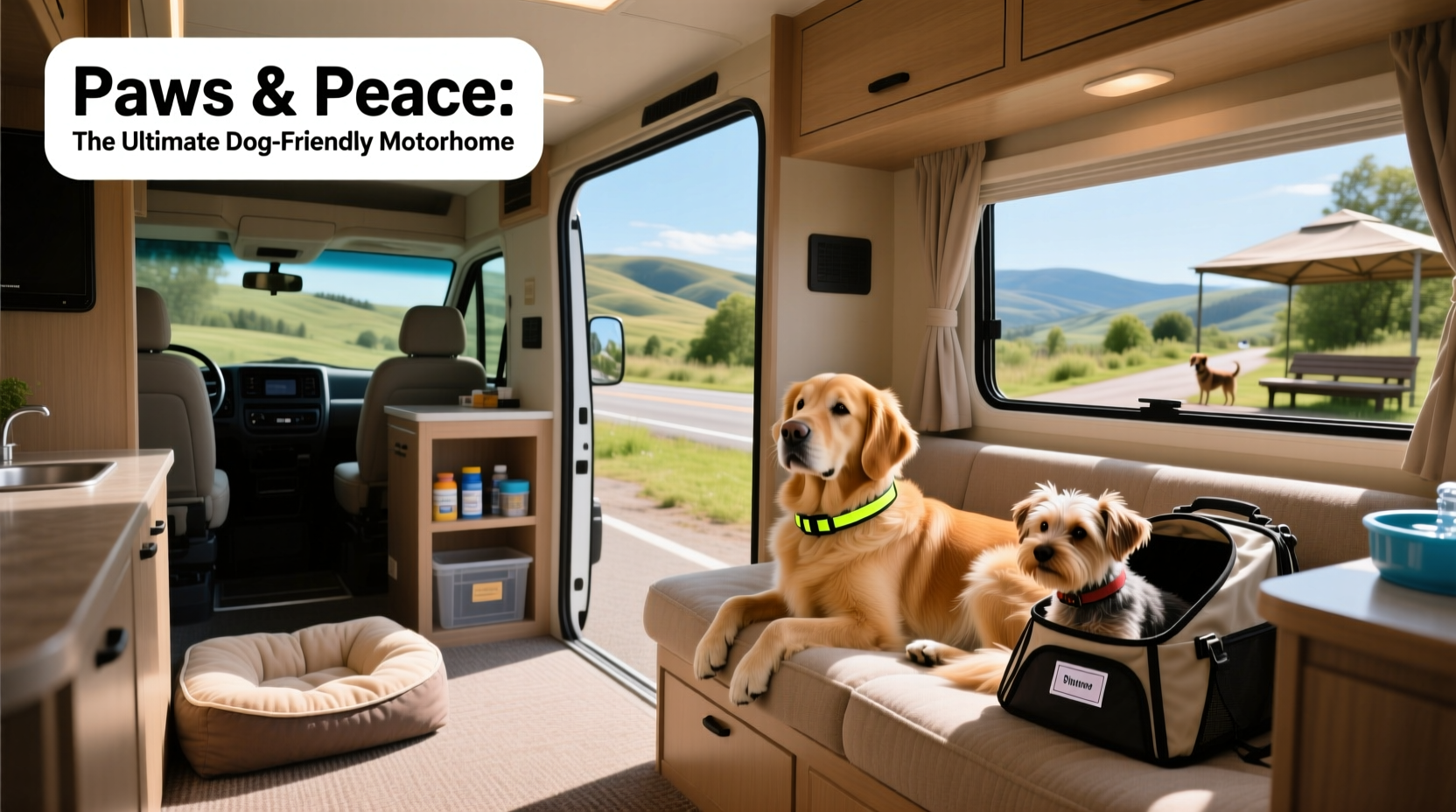
The foundation of a safe and comfortable journey begins with selecting the right motorhome. While floor plans and engine specs matter, pet-specific considerations should be front and center. Size is critical: larger models like Class A or Class C motorhomes often offer more space for dogs to move freely, but compact Class B vans can be ideal for smaller breeds if properly outfitted. Prioritize layouts that allow for clear pathways and designated pet zones away from high-traffic areas like the galley or entry door.
Flooring plays a surprisingly large role in pet comfort. Vinyl or rubber flooring resists scratches, is easy to clean, and provides better traction than tile or laminate—critical when navigating turns or sudden stops. Avoid deep-pile carpets that trap odors and are difficult to sanitize. Look for models with large windows or skylights to reduce motion sickness by allowing your dog visual reference points during travel.
Tip: Test the interior acoustics before buying—a noisy cabin can increase anxiety in sound-sensitive dogs.Designing a Safe and Comfortable Interior Zone
Just as humans need personal space, dogs thrive when they have a consistent, secure area within the motorhome. This zone should include bedding, water access, and familiar toys. Anchor a supportive orthopedic bed in a low-traffic corner using non-slip mats or Velcro straps to prevent sliding during transit. For added security, consider installing a lightweight pet gate between the driving cabin and living area—this prevents roaming while still allowing visibility and airflow.
Ventilation is essential. Even mild temperatures can turn a parked motorhome into a heat trap. Ensure your unit has roof vents, fans, or an auxiliary air conditioning system that runs on battery or shore power. Never leave your dog unattended in a motorhome without climate control, even for short periods.
| Feature | Recommended for Dogs | Not Recommended |
|---|---|---|
| Flooring | Rubber, vinyl, or sealed laminate | Loose rugs, plush carpet |
| Bedding | Washable, memory foam pet beds | Thin cushions or human pillows |
| Water Access | Wall-mounted spill-proof bowl | Open bowls on countertops |
| Storage | Dedicated cabinet for leashes, waste bags, food | Mixed storage with cleaning chemicals |
Essential Safety Practices While Driving
Many owners assume their dog is safe simply because they’re inside the vehicle. But unrestrained pets pose serious risks. In a collision at just 30 mph, a 50-pound dog can exert over 1,500 pounds of force. That endangers both the animal and human passengers.
Use a crash-tested harness connected to a seatbelt anchor or a secured travel crate. Crates should be airline-approved, well-ventilated, and anchored to prevent tipping. Forward-facing crates behind the driver’s seat are safest. If using a harness, ensure it distributes force across the chest, not the neck. Never allow dogs to ride in the passenger seat unrestrained or stick their heads out windows.
“Unrestrained pets are a major distraction and safety hazard. A secure dog is a safer dog—and a safer driver.” — Dr. Lena Torres, Veterinary Behavior Specialist
Step-by-Step: Securing Your Dog During Transit
- Choose a restraint method: harness with seatbelt tether or secured crate.
- Practice using the system at home so your dog associates it with calmness.
- Position the crate or harness in a quiet, shaded area of the motorhome.
- Check all connections before departure—tethers should have no slack.
- Monitor your dog via rearview mirror or backup camera during drives.
- Stop every 2–3 hours for bathroom breaks, hydration, and light exercise.
Real-World Example: The Miller Family’s Cross-Country Trip
The Millers traveled from Oregon to Maine with their 7-year-old Golden Retriever, Daisy. Initially, they allowed her to roam freely in their Class C motorhome. After two weeks, Daisy developed anxiety, refused to lie down, and barked at passing vehicles. Concerned, they consulted a mobile vet who suggested environmental stressors: noise, lack of routine, and poor restraint.
They retrofitted their motorhome with a custom-fit crate behind the cab, installed sound-dampening curtains, and began using a white noise machine at night. They also established a strict schedule: walks at 7 a.m. and 6 p.m., meals at fixed times, and chew sessions during long drives. Within days, Daisy relaxed, began sleeping through the night, and eagerly greeted each new campsite. Their experience underscores that structure and thoughtful design matter as much as affection.
Tip: Record a 10-minute video of your dog’s behavior during a drive to identify stress triggers like noise, motion, or confinement.Pet-Specific Features Worth the Investment
Certain upgrades dramatically improve quality of life for traveling dogs. A built-in pet door leading to an outdoor run or awning area allows quick potty access without waking the entire household. Some high-end models now include underfloor heating—ideal for older dogs with joint pain during cold-weather camping.
Portable ramps help small or senior dogs enter and exit the motorhome safely. Pair them with non-slip stair treads for added stability. Water filtration systems eliminate the need to carry bottled water for your pet, ensuring safe hydration at every stop. Finally, consider installing a dual-battery system to keep cooling fans or heated beds running overnight without draining the main engine battery.
Pre-Trip Checklist: Motorhome Readiness for Dogs
- ✅ Install a crash-tested harness or secure crate
- ✅ Stock up on food, medications, and vet records
- ✅ Confirm pet policies at planned campsites and parks
- ✅ Test AC, heater, and ventilation systems with dog inside
- ✅ Label all pet items with owner contact info
- ✅ Pack a first-aid kit including pet-safe wound cleaner and tick removers
- ✅ Program emergency vet locations into GPS
- ✅ Practice short test drives to observe your dog’s reaction
Frequently Asked Questions
Can I leave my dog alone in the motorhome?
Only if the temperature is stable (between 65°F and 75°F), the environment is secure, and you’re nearby. Never leave a dog unattended in extreme weather, even with windows cracked. Use a remote camera to monitor them if necessary.
How do I manage shedding and odors in a small space?
Vacuum daily with a pet-specific handheld model. Use washable furniture covers and enzymatic cleaners for accidents. Groom your dog weekly and consider an air purifier with a HEPA filter to reduce dander.
Are certain dog breeds less suited for motorhome life?
High-energy breeds like Border Collies or Huskies require more exercise and may struggle in confined spaces without structured activity. Similarly, brachycephalic breeds (e.g., Pugs, Bulldogs) are prone to overheating. These dogs can adapt, but demand more planning around exercise and climate control.
Final Thoughts: Building a Life on Wheels Together
Finding the best motorhome for dogs isn’t about luxury—it’s about creating a mobile sanctuary where your pet feels safe, calm, and loved. The right vehicle, combined with smart routines and pet-centered design, transforms road travel from a logistical challenge into a deeply bonding experience. Whether you're planning a weekend getaway or a year-long tour of national parks, your dog deserves more than just a seat in the back. They deserve a home on wheels that honors their needs as much as your own.
🚀 Ready to hit the road with confidence? Start by auditing your current setup using the checklist above, then make one improvement this week. Share your motorhome pet tips in the comments and inspire others to travel safer and smarter.