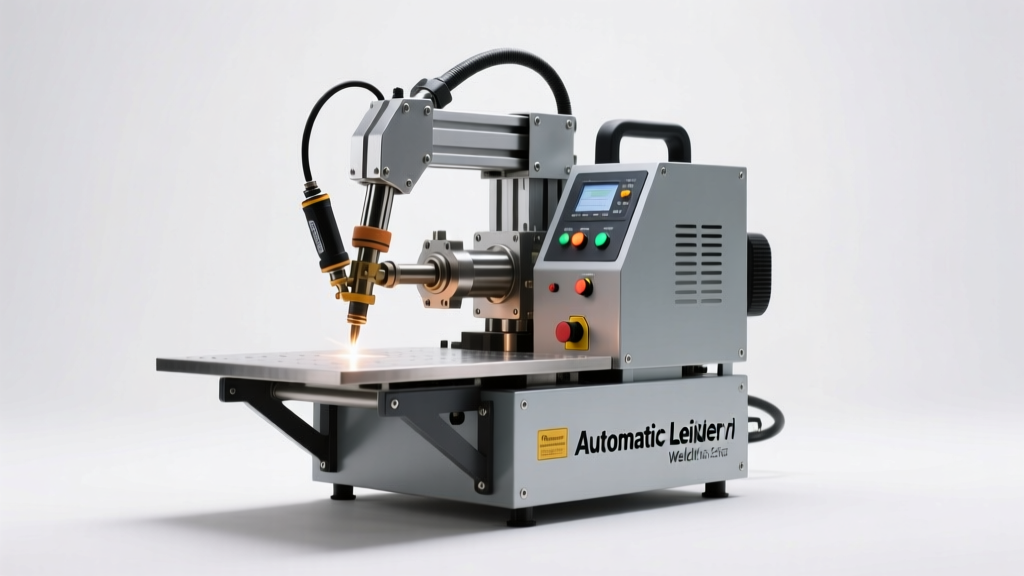
Types of CNC Metal Folder Tools
A CNC metal folder (also known as a CNC press brake or sheet metal folder) is a precision machine used in metal fabrication to bend and fold sheet metal with high accuracy and repeatability. These machines are essential in industries such as automotive, aerospace, construction, and manufacturing, where consistent, high-quality bends are required.
There are several types of CNC metal folder tools, each utilizing a different power source and mechanical system. These differences influence their performance, precision, energy efficiency, and suitability for specific applications. Understanding the distinctions helps manufacturers choose the right machine for their production needs.
CNC Hydraulic Folders
Hydraulic CNC folders use fluid pressure to drive the ram and folding beam, offering powerful and controlled bending operations.
Advantages
- High tonnage capacity for thick or multiple metal sheets
- Consistent pressure application ensures uniform bends
- Excellent durability and reliability in heavy-duty environments
- Precise control over stroke and pressure settings
Limitations
- Higher energy consumption compared to electric models
- Potential for hydraulic fluid leaks requiring maintenance
- Slower cycle times than electric or pneumatic systems
Best for: Industrial fabrication, heavy-gauge steel, large-scale production runs
CNC Electric Folders
These folders use servo motors to drive the bending mechanism, providing high-speed and energy-efficient operation.
Advantages
- High precision and repeatability with digital feedback
- Fast cycle times and quick setup
- Energy efficient with lower operating costs
- Quiet operation and minimal maintenance
Limitations
- Limited tonnage, making them less suitable for thick materials
- Higher initial investment cost
- May require more advanced technical knowledge for programming
Best for: Precision sheet metal work, prototyping, small to medium batch production
CNC Mechanical Folders
Mechanical folders use a crank or toggle mechanism driven by a motor to deliver powerful, repeatable strokes.
Advantages
- High-speed operation ideal for mass production
- Robust and durable with long service life
- Capable of deep and complex folds
- Lower maintenance than hydraulic systems
Limitations
- Less flexibility in stroke adjustment
- Higher noise levels during operation
- Fixed stroke length limits versatility
Best for: High-volume manufacturing, deep-draw applications, heavy industrial use
CNC Pneumatic Folders
These compact machines use compressed air to actuate the folding mechanism, offering lightweight and portable solutions.
Advantages
- Lightweight and easy to move
- Ideal for small workshops and limited spaces
- Low maintenance and clean operation (no oil or fluid)
- Cost-effective for light-duty tasks
Limitations
- Lower power output restricts use to thin gauge materials
- Requires a constant supply of compressed air
- Less precise than electric or hydraulic systems
Best for: Light fabrication, repair shops, educational settings, prototyping
| Type | Power Source | Material Thickness | Speed | Best Application |
|---|---|---|---|---|
| CNC Hydraulic | Hydraulic Fluid | High (up to 12mm+ steel) | Moderate | Heavy industrial, large-scale fabrication |
| CNC Electric | Servo Motor | Low to Medium (0.5–6mm) | High | Precision work, small batch production |
| CNC Mechanical | Mechanical Drive (Crank/Toggle) | High (6–10mm+) | Very High | Mass production, deep folding |
| CNC Pneumatic | Compressed Air | Low (up to 3mm) | Low to Moderate | Light-duty, portable applications |
Expert Tip: When selecting a CNC folder, consider not only the material thickness and production volume but also the required bend accuracy and available floor space. Electric and pneumatic models are excellent for clean, quiet environments, while hydraulic and mechanical systems dominate in heavy industrial settings.
Advantages of CNC Metal Folding Tools in Modern Manufacturing
Computer Numerical Control (CNC) metal folding tools have revolutionized sheet metal fabrication by combining automation, precision, and flexibility. These advanced machines are essential in industries ranging from aerospace and automotive to construction and electronics. Below are the key advantages that make CNC metal folders a preferred choice for high-quality, efficient production.
CNC metal folding machines deliver exceptional precision by using computer-controlled systems to execute exact folding angles and dimensions. This eliminates the inconsistencies associated with manual operation, significantly reducing human error. As a result, manufacturers can consistently produce parts that meet tight tolerances and strict engineering specifications—critical in sectors where even a fraction of a millimeter can impact performance or safety.
By automating the folding process, CNC tools streamline production workflows and reduce cycle times. These machines can perform rapid, repetitive folds with minimal downtime, enabling higher throughput compared to traditional manual or semi-automatic methods. This increased efficiency is especially beneficial in high-volume manufacturing environments, where faster turnaround times directly translate into improved productivity and reduced labor costs.
CNC metal folders are highly adaptable machines capable of handling a wide range of materials—including mild steel, stainless steel, aluminum, and copper—across various thicknesses. With programmable tooling and adjustable backgauges, they can accommodate complex geometries and custom designs without requiring extensive retooling. This versatility allows manufacturers to diversify their product offerings and respond quickly to changing customer demands using a single machine platform.
Automation reduces the need for operators to manually handle heavy or sharp metal sheets, minimizing the risk of injuries related to lifting, pinching, or cutting. Modern CNC folding machines are equipped with advanced safety features such as light curtains, emergency stop systems, and guarded work zones, creating a safer working environment. This not only protects personnel but also reduces workplace incident rates and associated downtime.
One of the most powerful benefits of CNC technology is its ability to reproduce identical parts with zero variation over time. Once a folding program is created and verified, it can be reused indefinitely to produce consistent results across multiple production runs. This repeatability ensures uniformity in mass production, supports quality control standards, and strengthens customer confidence in product reliability and performance.
Did You Know? Many CNC folding machines now integrate with CAD/CAM software, allowing engineers to design a part digitally and automatically generate the machine code needed for folding—reducing setup time and enhancing design-to-production accuracy.
Traditional Manual Folding
Relies on operator skill and physical effort, leading to variability in results. Best suited for low-volume or prototype work but limited in precision and repeatability. Higher risk of workplace injury due to manual handling.
CNC Automated Folding
Offers consistent, high-precision results through programmable automation. Ideal for both small batches and large-scale production. Enhances safety, reduces labor intensity, and improves overall manufacturing scalability.
Investing in CNC metal folding technology not only improves product quality and operational efficiency but also positions manufacturing businesses to meet evolving industry standards and customer expectations in a competitive global market.
Specification and Maintenance of CNC Metal Folder Tools
Selecting and maintaining CNC metal folding tools is essential for achieving precision, efficiency, and longevity in sheet metal fabrication. Whether used in industrial manufacturing or custom fabrication shops, understanding both the technical specifications and proper maintenance procedures ensures consistent performance and minimizes downtime.
This guide provides a comprehensive overview of key specifications to consider when choosing CNC folding equipment and outlines best practices for ongoing maintenance to maximize reliability and output quality.
Key Specifications of CNC Metal Folder Tools
Understanding the technical capabilities of CNC folding machines enables operators and engineers to match the right tool to the job. Below are the most critical specifications that define performance and application suitability.
Working Surface & Material Capacity
The working surface determines the maximum thickness and type of material the machine can effectively fold. This varies significantly between hydraulic and electric models, directly impacting their application scope.
- Hydraulic folders typically handle sheet metal ranging from 4 mm to 20 mm, making them ideal for heavy-duty industrial applications such as structural steel fabrication.
- Electric folders are designed for lighter workloads, generally accommodating materials up to 6 mm thick, suitable for precision tasks in electronics enclosures or HVAC components.
- Advanced models feature adjustable beam supports and backgauges to maintain accuracy across varying material widths and thicknesses.
Note: Always verify material yield strength compatibility—high-tensile alloys may require derating machine capacity.
Bending Angle Range and Precision
Precision in angle control is one of the defining features of CNC folding technology. These machines offer highly accurate adjustments critical for complex fabrication workflows.
- Standard bending angles range from 0° to 180°, allowing for acute, right-angle, and obtuse folds.
- Modern CNC systems achieve angular accuracy within ±0.2° using laser angle measurement feedback loops.
- Some high-end models support programmable spring-back compensation, automatically adjusting for material elasticity.
- Tooling design (e.g., punch and die geometry) also influences minimum bend radius and edge clearance.
Pro tip: Use real-time angle monitoring systems for repetitive high-precision jobs to reduce scrap rates.
Input Voltage and Power Requirements
CNC folding machines require stable power inputs to operate hydraulic pumps, servo motors, and control electronics reliably.
- Most industrial-grade machines operate on standard three-phase power: 220V to 380V AC.
- Smaller electric models may run on single-phase 220V, suitable for workshops without three-phase infrastructure.
- Power consumption varies by model—hydraulic units can draw 7.5 kW to 15 kW during peak operation.
- Voltage fluctuations beyond ±10% can damage sensitive CNC controllers and reduce system lifespan.
Key consideration: Install voltage stabilizers or uninterruptible power supplies (UPS) in areas with unstable grid power.
Programmable Control System
The CNC control system is the brain of the folding machine, enabling automation, repeatability, and integration with CAD/CAM software.
- Most systems use industry-standard interfaces like Delem, Eren, or Cybelec with intuitive touchscreen panels.
- Operators can store and recall folding programs for batch production, reducing setup time.
- Integration with SheetMetal for SolidWorks or Autodesk Inventor allows direct import of flat patterns and bend sequences.
- Advanced controls offer simulation modes to preview tool paths and detect collisions before execution.
Smart feature: Look for systems with remote diagnostics and cloud-based job management for predictive maintenance.
Essential Maintenance Practices for Longevity and Performance
Regular maintenance not only extends the life of CNC folding tools but also ensures consistent accuracy, reduces unplanned downtime, and maintains workplace safety. Below are critical maintenance routines categorized by frequency and function.
Regular Cleaning
Metal shavings, coolant residue, and dust accumulation can interfere with sensor readings, damage linear guides, and cause premature wear.
- Clean the workbench, backgauge, and tooling surfaces daily using a soft cloth and non-abrasive cleaner.
- Use a soft-bristled brush to remove debris from grooves and moving tracks.
- Avoid high-pressure water jets which can force contaminants into bearings and seals.
- Keep the CNC control panel free from dust to prevent overheating and touchscreen malfunctions.
Best practice: Schedule cleaning at the end of each shift to maintain optimal hygiene and readiness.
Lubrication of Moving Parts
Proper lubrication reduces friction, prevents rust, and ensures smooth motion of critical components.
- Lubricate linear rails, ball screws, hinges, and pivot points weekly using manufacturer-recommended grease or oil.
- Hydraulic cylinders and linkage joints should be checked bi-weekly for dryness or contamination.
- Over-lubrication can attract metal particles and form abrasive pastes—apply only as specified.
- Use food-grade or synthetic lubricants in environments with strict contamination control requirements.
Critical reminder: Follow the lubrication chart provided in the operator’s manual—different points may require different lubricants.
Hydraulic System Check (for Hydraulic Folders)
The hydraulic system powers the bending force and must be maintained to ensure consistent pressure and responsiveness.
- Check hydraulic fluid levels weekly; top off with ISO VG 46 or equivalent hydraulic oil as needed.
- Inspect hoses, fittings, and valves monthly for leaks, bulges, or corrosion.
- Replace hydraulic filters every 500–1,000 operating hours to prevent contamination.
- Change hydraulic fluid annually or per manufacturer guidelines (typically every 2,000 hours).
- Monitor system pressure via gauge readings; deviations may indicate pump wear or valve issues.
Warning: Leaks not only reduce efficiency but pose slip hazards and environmental risks—repair immediately.
Software Updates and System Calibration
For CNC-controlled folders, software integrity and system calibration are crucial for precision and feature availability.
- Install firmware and software updates regularly to benefit from bug fixes, enhanced security, and new functionalities.
- Update frequency varies—check manufacturer websites quarterly or subscribe to update alerts.
- Re-calibrate the backgauge and angle measurement system monthly or after major impacts.
- Back up custom programs and settings before performing updates to prevent data loss.
- Ensure antivirus protection on integrated PCs to prevent malware from disrupting operations.
Pro tip: Enable automatic backups and version control for critical production programs.
Regular Inspections and Preventive Maintenance
Systematic inspections help identify early signs of wear, misalignment, or component failure before they lead to costly breakdowns.
- Conduct visual inspections daily for loose bolts, damaged tooling, or abnormal noises.
- Perform detailed mechanical checks monthly: inspect belts, couplings, motors, and electrical connections.
- Check tool holder clamping mechanisms for wear or play that could affect bending accuracy.
- Verify emergency stop functionality and safety interlocks weekly for compliance with OSHA or CE standards.
- Keep a digital maintenance log to track service intervals and predict replacement needs.
Expert advice: Partner with certified technicians for annual servicing, including alignment checks and controller diagnostics.
Professional Recommendation: Implement a preventive maintenance (PM) schedule based on machine usage (hours/day) rather than calendar time. High-utilization shops should perform lubrication and cleaning daily, hydraulic checks weekly, and full system audits quarterly. For CNC systems, combine software updates with scheduled backups and operator training to maximize ROI and minimize downtime.
| Maintenance Task | Frequency | Tools/Supplies Needed | Expected Outcome |
|---|---|---|---|
| Work surface cleaning | Daily | Soft cloth, brush, degreaser | Prevents contamination and scoring |
| Lubrication of rails and screws | Weekly | Grease gun, specified lubricant | Ensures smooth motion and reduces wear |
| Hydraulic fluid and filter check | Monthly | Fluid gauge, replacement filter | Maintains consistent pressure and flow |
| Backgauge calibration | Monthly | Digital caliper, alignment jig | Guarantees dimensional accuracy |
| Full system inspection | Quarterly | Multimeter, torque wrench, diagnostic software | Identifies hidden issues early |
| Software/firmware update | As released | USB drive, internet access | Improves functionality and security |
Additional Considerations for Optimal Operation
- Operator Training: Ensure all users are trained on both operation and basic maintenance to promote responsible usage and early issue detection.
- Tooling Compatibility: Use only manufacturer-approved or ISO-compliant tooling to avoid damage and maintain warranty coverage.
- Environmental Conditions: Operate machines in clean, dry environments with stable temperatures (15°C–30°C) to protect electronics and hydraulics.
- Noise and Vibration: Address unusual sounds immediately—these may indicate misalignment, bearing failure, or loose components.
- Documentation: Keep manuals, schematics, and service records digitally accessible for quick troubleshooting.
Collaborating and Purchasing Strategy for CNC Metal Folder Tools
When investing in CNC metal folder tools, one of the most critical considerations is cost-effectiveness. Whether a business chooses to purchase equipment outright or establish a long-term partnership with a supplier, strategic planning is essential for maximizing value, minimizing downtime, and ensuring operational efficiency. This comprehensive guide explores the key factors involved in developing a smart purchasing and collaboration strategy for CNC metal folding systems—covering budget planning, supplier relationship management, and decision-making models to support sustainable growth.
Strategic Insight: The right purchasing strategy doesn’t just reduce upfront costs—it enhances long-term productivity, ensures access to technical support, and improves return on investment (ROI) through optimized equipment performance and lifecycle management.
Budget Considerations
Effective financial planning is the foundation of any successful equipment acquisition. A thorough evaluation of both immediate and ongoing expenses ensures that businesses make informed decisions aligned with their production goals and financial capabilities.
- Initial Investment
The initial cost of CNC metal folder tools varies significantly based on machine specifications, automation level, tonnage capacity, and technological features such as CNC controls, laser alignment, or integrated safety systems. High-precision hydraulic or servo-electric folders typically command higher prices due to advanced engineering and tighter tolerances.
Collaborating with suppliers may involve an upfront investment—such as tooling customization, installation setup, or training—but often results in long-term benefits like volume discounts, extended warranties, or preferential pricing on future upgrades. Businesses should view this initial outlay as part of a strategic capital investment rather than a simple expense.
- Operational Costs
Beyond the purchase price, companies must account for ongoing operational costs, including energy consumption, routine maintenance, spare parts, software updates, and labor for operation and troubleshooting. Energy-efficient models may have a higher sticker price but offer substantial savings over time.
Material waste is another often-overlooked factor. Advanced CNC folders with precise bend calculations and backgauging systems reduce scrap rates by minimizing human error. By analyzing expected throughput, material usage, and maintenance schedules, businesses can project total cost of ownership (TCO) and compare it against anticipated revenue generation to assess true affordability.
Supplier Relationships
Building strong, transparent relationships with suppliers goes beyond transactional exchanges—it fosters collaboration, innovation, and mutual growth. A reliable supplier becomes a strategic partner in maintaining uptime, improving quality, and adapting to changing production demands.
- Communication
Clear, consistent communication is the cornerstone of a successful supplier relationship. Businesses must clearly articulate technical requirements, delivery timelines, quality standards, and integration needs. Equally important is actively listening to supplier feedback regarding design limitations, alternative solutions, lead times, or potential bottlenecks.
Regular check-ins, technical meetings, and documented change orders help prevent misunderstandings and ensure alignment throughout the procurement and implementation process. Open dialogue also enables faster resolution of issues and encourages innovation through shared problem-solving.
- Long-Term Partnerships
While short-term, project-based engagements are common, cultivating long-term partnerships with trusted suppliers delivers significant advantages. These include negotiated pricing, flexible payment terms, priority service during peak demand, faster response times for repairs, and early access to new technologies or beta testing opportunities.
In return, suppliers value consistent order volumes and long-term contracts, which allow them to plan production and allocate resources efficiently. This symbiotic relationship strengthens supply chain resilience and supports continuous improvement initiatives such as just-in-time (JIT) manufacturing or lean production practices.
Purchasing Decisions
The method of acquisition—whether direct purchasing or collaborative buying—has a profound impact on cost structure, scalability, and risk exposure. Each approach has distinct advantages and trade-offs that should be evaluated based on company size, production volume, and strategic objectives.
- Direct Purchasing
Directly purchasing CNC metal folder tools from a manufacturer or distributor offers full control over equipment selection, customization, and deployment. This model allows businesses to access cutting-edge technologies, tailor machine configurations to specific applications (e.g., sheet thickness, bend length, angular precision), and receive dedicated technical support directly from the OEM.
However, direct purchasing typically requires a substantial upfront capital investment and places the full burden of maintenance, training, and obsolescence management on the buyer. It’s best suited for medium to large manufacturers with stable demand, in-house technical expertise, and long-term production plans.
- Collaborative Purchasing
Also known as consortium or group purchasing, this strategy involves multiple organizations—often within the same industry or geographic region—pooling their buying power to negotiate better terms with suppliers. By combining orders, participants achieve economies of scale, resulting in lower per-unit costs, reduced shipping fees, and enhanced service agreements.
Collaborative purchasing also promotes knowledge sharing. Members can exchange best practices, maintenance tips, and application insights, collectively improving operational efficiency. Smaller fabricators benefit significantly from this model, gaining access to high-end machinery and support services that would otherwise be cost-prohibitive.
Challenges include coordination complexity, differing requirements among members, and dependency on group decision-making. However, with proper governance and clear agreements, collaborative purchasing can be a powerful tool for cost optimization and competitive advantage.
| Purchasing Approach | Key Benefits | Potential Drawbacks | Best For |
|---|---|---|---|
| Direct Purchasing | Full customization, direct OEM support, immediate availability | High upfront cost, full responsibility for maintenance and upgrades | Established manufacturers with dedicated production lines |
| Long-Term Supplier Partnership | Discounted pricing, priority service, technical collaboration | Requires commitment and consistent order volume | Companies seeking stable supply and innovation support |
| Collaborative Purchasing | Cost savings, shared expertise, access to premium equipment | Coordination challenges, less individual control | SMEs, industry consortia, regional manufacturing hubs |
| Leasing/Rental Options | Lower initial cost, flexibility to upgrade, included maintenance | Higher long-term cost, no asset ownership | Short-term projects, seasonal demand, startups |
Expert Tip: Consider a hybrid approach—combine direct purchases for core production equipment with collaborative buying for auxiliary tools or consumables. This balances control and cost-efficiency while maintaining flexibility in your supply chain.
Additional Strategic Recommendations
- Evaluate total cost of ownership (TCO), not just purchase price, when comparing options
- Negotiate service-level agreements (SLAs) that include response times, spare parts availability, and remote diagnostics
- Request live demonstrations or trial periods before finalizing major purchases
- Explore financing options such as leasing, vendor credit, or government-backed industrial loans
- Involve operations, maintenance, and finance teams in the decision-making process for holistic input
- Document supplier performance metrics (on-time delivery, defect rate, support responsiveness) to inform future decisions
Ultimately, the most effective purchasing strategy for CNC metal folder tools aligns with your company’s production scale, financial health, and long-term vision. Whether through direct investment, strategic partnerships, or collaborative networks, the goal is to acquire reliable, high-performance equipment that supports precision manufacturing and drives competitive advantage. By carefully weighing budget constraints, supplier reliability, and acquisition models, businesses can make informed decisions that deliver lasting value and operational excellence.
Frequently Asked Questions About CNC Metal Folders
Q1: Are CNC metal folders worth the investment for small businesses?A1: Yes, CNC metal folders can be a highly valuable investment for small businesses—especially those handling moderate to high volumes of sheet metal folding. While the initial cost may seem significant, the long-term benefits often justify the expense:
- Increased Efficiency: Automation reduces cycle times and allows operators to produce more parts in less time compared to manual methods.
- Improved Accuracy: CNC-controlled systems ensure consistent, precise folds with minimal deviation, reducing material waste and rework.
- Labor Savings: One operator can manage complex folding tasks, decreasing reliance on multiple skilled laborers.
- Scalability: As demand grows, CNC folders enable seamless scaling without proportional increases in labor or errors.
For small fabrication shops aiming to compete with larger manufacturers, investing in a CNC metal folder enhances professionalism, quality control, and delivery speed—key factors in client satisfaction and business growth.
Q2: What materials can CNC metal folders handle?A2: Modern CNC hydraulic metal folding machines are designed to work with a wide range of sheet metals, offering versatility across various industrial applications. Commonly processed materials include:
- Stainless Steel: Ideal for food processing, medical, and architectural applications due to its corrosion resistance and durability.
- Aluminum: Lightweight and non-magnetic, frequently used in aerospace, automotive, and electronics enclosures.
- Copper: Excellent electrical conductivity makes it suitable for electrical panels and heat exchangers.
- Brass: Often used for decorative or plumbing components due to its aesthetic appeal and malleability.
- Mild Steel: Most common for general fabrication, including brackets, frames, and structural components.
Depending on machine tonnage and tooling, thicknesses typically range from 0.5 mm up to 6 mm (or more on heavy-duty models). Always consult the manufacturer’s specifications to ensure compatibility with your intended material type and gauge.
Q3: How does one ensure CNC metal folders have a long lifespan?A3: Maximizing the longevity and performance of a CNC metal folder requires a proactive maintenance strategy. Key practices include:
- Regular Lubrication: Keep all moving parts—including hinges, bearings, and guide rails—well-lubricated to prevent wear and ensure smooth operation.
- Cleaning: Remove metal shavings, dust, and coolant residue daily to avoid buildup that could damage sensors or hydraulic components.
- Software Updates: Install firmware and software updates from the manufacturer to maintain optimal control system performance, access new features, and fix bugs.
- Tooling Inspection: Check folding tools for signs of chipping, cracking, or misalignment, and replace them as needed to maintain precision.
- Hydraulic System Checks: Monitor fluid levels and condition, inspect hoses for leaks, and change filters according to the maintenance schedule.
- Operator Training: Ensure staff are properly trained to use the machine correctly and safely, minimizing stress on components from improper use.
Following a scheduled maintenance plan not only extends the machine’s life but also ensures consistent output quality and reduces unexpected downtime.
Q4: What is the difference between CNC metal folders and manual folding?A4: The primary differences between CNC and manual metal folding lie in precision, efficiency, consistency, and operational demands. Here's a breakdown:
| Feature | CNC Metal Folders | Manual Folding |
|---|---|---|
| Accuracy | High precision with tolerances within ±0.1°; ideal for complex geometries. | Dependent on operator skill; prone to human error and inconsistency. |
| Speed | Fast, automated cycles with minimal setup time between jobs. | Slower due to manual positioning and repeated adjustments. |
| Consistency | Produces identical parts repeatedly using stored programs. | Variability between folds increases with operator fatigue. |
| Labor Requirements | One operator can manage multiple tasks or machines. | Requires skilled labor and physical effort for each fold. |
| Complexity Handling | Can handle multi-step bends and intricate designs with ease. | Limited to simple bends; complex parts require multiple setups. |
In summary, while manual folding may suffice for occasional or low-volume work, CNC folders offer superior repeatability, speed, and scalability—making them the preferred choice for professional fabrication environments.
Q5: What types of industries benefit from using CNC metal folders?A5: CNC metal folders are widely used across numerous industries where precision sheet metal forming is essential. Key sectors include:
- Automotive: Manufacturing brackets, chassis components, engine enclosures, and custom body parts with tight tolerances.
- Aerospace: Producing lightweight, high-strength components such as ducting, panels, and support structures that meet strict regulatory standards.
- Construction & Architecture: Creating structural supports, cladding panels, roofing elements, and custom façade components with clean, accurate folds.
- Electronics & Enclosures: Fabricating server racks, control cabinets, and protective housings from aluminum or steel with precise bend lines.
- Energy & Utilities: Building enclosures for transformers, solar panel frames, and wind turbine components requiring durable, weather-resistant construction.
- Medical Equipment: Producing hygienic, dimensionally accurate enclosures and frames for diagnostic and surgical devices.
These machines empower manufacturers to deliver high-quality, repeatable products efficiently—making them indispensable in modern metalworking operations across both high-tech and traditional industries.