Types of CNC Mechanical Parts Rapid Prototypes
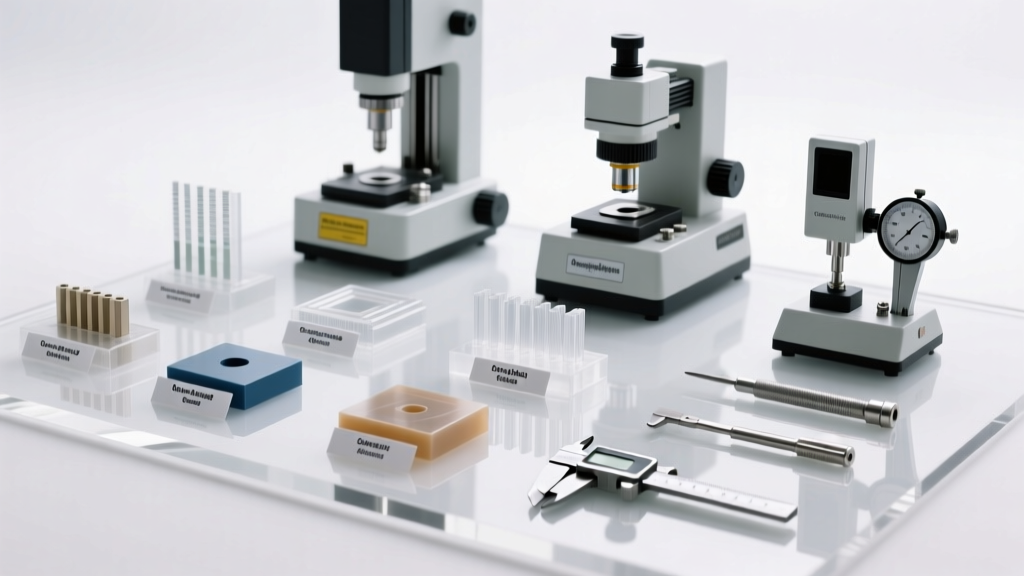
CNC mechanical parts rapid prototyping refers to the use of computer-controlled manufacturing processes to quickly produce functional prototypes with high precision. By leveraging Computer Numerical Control (CNC) technology—machines such as lathes, mills, and routers—engineers can accurately shape materials like metals, plastics, wood, and composites based on digital designs. Unlike traditional methods, CNC rapid prototyping allows for faster iteration, tighter tolerances, and superior repeatability. When combined with techniques like 3D printing, it forms a cornerstone of modern product development, enabling swift design validation, performance testing, and time-to-market acceleration.
CNC Milling Prototypes
Utilizing multi-axis cutting tools, CNC milling removes material from a solid workpiece to create complex 3D geometries based on CAD models. This subtractive process excels in producing high-precision, functional prototypes from rigid materials.
Advantages
- Exceptional dimensional accuracy (±0.005 mm typical)
- Superior surface finish and tight tolerances
- Compatible with a wide range of materials including aluminum, steel, brass, and engineering plastics
- Ideal for functional testing and end-use part simulation
Limitations
- Higher material waste due to subtractive nature
- Tool access limitations for deep internal cavities
- Longer setup times for complex multi-axis operations
Best for: Aerospace components, engine parts, electronic housings, and precision machinery prototypes
CNC Turning Prototypes
Performed on a lathe, CNC turning rotates the workpiece while a stationary cutting tool shapes it into symmetrical, cylindrical forms. This process is highly efficient for producing round or tubular components with excellent concentricity.
Advantages
- High precision in diameter and length control
- Excellent surface finish on rotational surfaces
- Faster production for axially symmetric parts
- Cost-effective for high-volume cylindrical prototypes
Limitations
- Limited to rotationally symmetric geometries
- Less suitable for flat or irregular non-circular shapes
- Requires careful fixturing for long or thin parts
Best for: Shafts, bushings, pulleys, fittings, and hydraulic components requiring balance and symmetry
CNC Routing Prototypes
CNC routing uses a high-speed rotating bit to carve and shape large blocks of softer materials such as wood, foam, plastics, and MDF. Commonly used in architectural modeling, signage, and large-scale prototyping, this method supports rapid design iteration and intricate detailing.
Advantages
- Ideal for large-format prototypes and full-scale models
- High-speed material removal for quick turnaround
- Excellent for complex 2.5D and 3D contours
- Easy to modify designs digitally and re-run toolpaths
Limitations
- Lower precision compared to milling (typically ±0.1 mm)
- Not suitable for hard metals or high-strength alloys
- Surface finish may require post-processing (sanding, filling)
Best for: Architectural models, exhibition displays, furniture prototypes, foam mockups, and signage
| Prototype Type | Primary Machine | Material Compatibility | Precision Level | Typical Applications |
|---|---|---|---|---|
| CNC Milling | Milling Machine (3-axis to 5-axis) | Metals, Plastics, Composites | Very High (±0.005 mm) | Functional testing, aerospace, medical devices |
| CNC Turning | Lathe (Manual or CNC) | Metals, Plastics, Wood | High (±0.01 mm on diameter) | Shafts, connectors, rotational components |
| CNC Routing | Router (3-axis typical) | Wood, Foam, Acrylic, MDF | Moderate (±0.1 mm) | Models, molds, large-scale prototypes |
Expert Tip: For hybrid prototyping, combine CNC machining with 3D printing—use additive methods for complex internal geometries and CNC for high-precision external surfaces and mating features. This approach maximizes both design flexibility and functional accuracy.
Materials for CNC Mechanical Parts in Rapid Prototyping
CNC machining is a cornerstone of modern rapid prototyping, enabling precise fabrication of complex mechanical components across industries. The choice of material plays a critical role in determining the functionality, durability, and suitability of prototypes for real-world testing and application. Each material offers unique mechanical, thermal, electrical, and aesthetic properties that align with specific design goals and environmental conditions.
Below is a comprehensive overview of the most commonly used materials in CNC rapid prototyping—aluminium, steel, plastics, brass, and composites—along with their advantages, ideal applications, and key engineering considerations.
1. Aluminium – Lightweight Strength with High Conductivity
Properties & Benefits
Aluminium and its alloys (such as 6061, 7075, and 2024) are among the most popular materials in CNC prototyping due to their excellent strength-to-weight ratio, corrosion resistance, and machinability. With a low density (~2.7 g/cm³), aluminium reduces overall part weight without sacrificing structural integrity.
It also exhibits high thermal and electrical conductivity, making it ideal for heat sinks, enclosures, and electronic housings. Its natural oxide layer provides inherent protection against rust and environmental degradation.
Applications & Considerations
Widely used in aerospace, automotive, robotics, and consumer electronics, aluminium is perfect for functional prototypes requiring lightweight performance under stress. It's easily anodized for improved wear resistance and aesthetic finishes.
While not as strong as steel, it strikes an optimal balance between durability and weight savings. Ideal for iterative testing where frequent modifications are expected.
2. Steel – Superior Durability and Structural Integrity
Properties & Benefits
Steel—particularly carbon steel and stainless steel (e.g., 304, 316)—is chosen when maximum strength, toughness, and wear resistance are required. Carbon steel offers exceptional hardness and load-bearing capacity, while stainless steel adds corrosion resistance and a clean, professional finish.
These materials can withstand high stress, impact, and elevated temperatures, making them suitable for demanding mechanical systems and safety-critical components.
Applications & Considerations
Commonly used in industrial machinery, tooling, jigs, fixtures, and structural frames. Stainless steel is preferred in medical devices, food processing equipment, and outdoor applications due to its hygienic and weather-resistant qualities.
However, steel is heavier and more challenging to machine than aluminium, requiring more robust tooling and longer cycle times. Post-machining treatments like passivation or coating may be necessary for enhanced performance.
3. Plastics – Versatility and Design Flexibility
Common Types & Characteristics
Engineering plastics such as polycarbonate (PC), nylon (PA6/PA66), polypropylene (PP), acetal (POM), and ABS are widely used in CNC prototyping. These materials are lightweight, chemically resistant, and easy to machine into intricate geometries with tight tolerances.
They exhibit low friction, minimal warping, and excellent dimensional stability. Many offer inherent electrical insulation, making them ideal for non-conductive housings, gears, and consumer product components.
Applications & Advantages
Perfect for dynamic parts like gears, bearings, and snap-fit enclosures, as well as consumer-facing products where aesthetics and ergonomics matter. Transparent polycarbonate allows for visibility in covers and lenses.
Plastics enable rapid iteration at lower cost and weight. However, they have lower thermal and mechanical limits compared to metals, so selection must consider operating temperature and load requirements.
4. Brass – Aesthetic Appeal with Functional Conductivity
Properties & Benefits
Brass is a non-ferrous alloy of copper and zinc known for its excellent machinability, corrosion resistance, and distinctive golden appearance. It maintains good electrical conductivity and is naturally antimicrobial, which benefits certain medical and marine applications.
Its low friction coefficient makes it suitable for bushings, valves, and threaded components. Unlike steel, it does not spark, enhancing safety in explosive environments.
Applications & Considerations
Frequently used in electrical connectors, plumbing fittings, decorative hardware, and architectural prototypes. The attractive finish often eliminates the need for painting or plating.
While not as strong as steel or as light as aluminium, brass excels in applications where appearance, conductivity, and moderate strength are prioritized. It’s heavier than aluminium and more expensive than some plastics.
5. Composites – High Performance for Extreme Conditions
Types & Advantages
Composite materials like carbon fiber-reinforced polymers (CFRP) and fiberglass (GFRP) offer an outstanding strength-to-weight ratio, rivaling metals while being significantly lighter. They are highly resistant to fatigue, UV radiation, and chemical exposure.
Their low coefficient of thermal expansion ensures dimensional stability across wide temperature ranges, minimizing warping or deformation during use.
Applications & Challenges
Ideal for aerospace, motorsports, drones, and high-performance sporting goods where weight reduction and structural efficiency are paramount. Often used in aerodynamic shells, chassis components, and load-bearing frames.
Machining composites requires specialized tooling to prevent fraying or delamination. Dust control is essential due to health hazards from fine particulates. Generally more costly than metals or standard plastics, but justified in performance-critical applications.
| Material | Key Advantages | Typical Applications | Machinability |
|---|---|---|---|
| Aluminium Alloys | Lightweight, strong, corrosion-resistant, conductive | Aerospace, electronics, automotive | Excellent |
| Stainless/Carbon Steel | High strength, wear-resistant, durable | Industrial machinery, structural parts | Good (harder than Al) |
| Engineering Plastics | Lightweight, insulating, easy to shape | Consumer products, gears, enclosures | Very Good |
| Brass | Aesthetic, corrosion-resistant, conductive | Electrical connectors, decorative hardware | Excellent |
| Carbon Fiber/Fiberglass | Ultra-light, high strength-to-weight ratio | Sports equipment, aerospace, racing | Moderate (requires care) |
Important: Material selection should be based on the prototype’s intended function, environmental exposure, mechanical loads, and production scalability. Always consult material datasheets and consider post-processing needs (e.g., finishing, coating, heat treatment). Choosing the right material early in the design phase reduces rework, accelerates development, and improves the accuracy of performance testing.
Key Usage Scenarios for CNC Mechanical Parts Rapid Prototyping
CNC mechanical parts rapid prototyping is a transformative process in modern manufacturing, enabling engineers and designers to quickly produce high-precision physical models of components. This technology plays a critical role across various stages of product development and industrial maintenance. Below are the primary usage scenarios where rapid prototyping delivers significant value.
Fit Testing
Rapid prototyping allows for accurate fit testing by producing physical models that can be integrated into actual assemblies. This enables engineers to verify dimensional accuracy, clearance, and alignment before committing to full-scale production.
- Identifies design flaws such as interference or misalignment early in development
- Enables tactile and visual inspection of part integration within complex systems
- Reduces rework costs by catching fit issues before tooling and molds are finalized
- Supports iterative design improvements through quick turnaround of revised prototypes
Best practice: Use high-tolerance CNC machining to ensure dimensional fidelity matching final production specs
Functional Testing
Functional testing with CNC prototypes ensures that mechanical parts operate as intended under real-world conditions. Unlike 3D-printed models, CNC-machined prototypes are made from actual engineering materials, providing reliable performance data.
- Validates load-bearing capacity, wear resistance, and mechanical behavior
- Tests dynamic performance such as rotation, articulation, or load transfer
- Enables integration with sensors or actuators for system-level validation
- Supports stress and fatigue analysis using production-grade materials like aluminum, steel, or engineering plastics
Key advantage: CNC prototypes offer superior strength and thermal stability compared to additive manufacturing alternatives
Design Validation
CNC rapid prototyping is essential for design validation, allowing engineers to confirm that a part meets both functional and aesthetic requirements. By creating precise replicas of digital models, teams can verify design intent with confidence.
- Validates geometric accuracy, surface finish, and feature placement
- Facilitates ergonomic and usability assessments for user-facing components
- Supports aesthetic evaluation including texture, color (via finishing), and form
- Enables stakeholder review and client approval before production launch
Pro insight: Combine CAD simulation with physical prototype testing for comprehensive design verification
Mass Production Preparation
Rapid prototyping serves as a bridge between design and mass production, offering critical insights into manufacturability, assembly processes, and supply chain planning.
- Identifies potential bottlenecks in assembly lines through real-world mockups
- Guides fixture and tooling design based on actual part geometry
- Enables pilot runs and process optimization before full-scale tooling investment
- Supports quality control development by establishing inspection benchmarks
Strategic benefit: Reduces time-to-market by aligning engineering, manufacturing, and quality teams early in the process
Maintenance and Repair Prototyping
In industrial settings, rapid prototyping is increasingly used for on-demand reproduction of obsolete, damaged, or hard-to-source mechanical components, minimizing downtime and operational disruption.
- Recreates legacy parts when original blueprints or suppliers are unavailable
- Produces custom repair components for specialized machinery
- Enables just-in-time manufacturing of spare parts, reducing inventory costs
- Supports emergency repairs in critical infrastructure, automotive, or aerospace systems
Operational impact: Can reduce equipment downtime by up to 70% when integrated into predictive maintenance programs
Additional Applications
Beyond core engineering functions, CNC rapid prototyping supports innovation and problem-solving across multiple domains.
- Training & Demonstration: Creates realistic models for technician training and client presentations
- Regulatory Compliance: Produces test samples for certification and safety testing
- Customization: Enables low-volume production of tailored components for niche applications
- Reverse Engineering: Facilitates recreation of parts from physical samples when documentation is missing
Emerging trend: Integration with digital twins and IoT systems for real-time performance monitoring of prototype-derived designs
Expert Recommendation: For maximum ROI, combine CNC rapid prototyping with digital simulation tools. This hybrid approach allows for virtual stress testing and performance modeling before physical production, reducing iterations and accelerating development cycles. Always prioritize material selection that mirrors final production specs to ensure test validity.
| Usage Scenario | Primary Benefit | Typical Industries | Lead Time Impact |
|---|---|---|---|
| Fit Testing | Early detection of assembly issues | Automotive, Aerospace, Consumer Electronics | Reduces redesign cycle by 40–60% |
| Functional Testing | Real-world performance validation | Mechanical Engineering, Robotics, Industrial Equipment | Accelerates testing phase by 50% |
| Design Validation | Confirms design intent and aesthetics | Product Design, Medical Devices, Luxury Goods | Reduces late-stage changes by 70% |
| Mass Production Prep | Optimizes manufacturing readiness | Heavy Machinery, Automotive, Appliances | Shortens production ramp-up by 30–50% |
| Maintenance & Repair | Minimizes equipment downtime | Manufacturing, Energy, Transportation | Repairs completed in hours vs. weeks |
Best Practices for Effective Prototyping
- Material Matching: Use the same or equivalent materials in prototypes as in final production to ensure accurate performance data
- Design for Manufacturability (DFM): Incorporate feedback from prototype testing into final designs to enhance producibility
- Documentation: Maintain detailed records of prototype iterations, test results, and modifications for traceability
- Collaboration: Involve cross-functional teams (engineering, manufacturing, quality) in prototype evaluation
- Iterative Approach: Embrace multiple prototype versions to refine design, rather than seeking perfection in the first model
How to Choose the Right CNC Mechanical Parts Rapid Prototyping Service
Selecting the appropriate rapid prototyping solution for CNC mechanical parts is a critical decision in product development. The right choice ensures functional accuracy, accelerates time-to-market, and reduces long-term production risks. This comprehensive guide outlines the key factors to consider when evaluating CNC prototyping services, helping engineers, designers, and product managers make informed decisions that align with both technical requirements and business goals.
Important Note: Rapid prototyping is not just about speed—it's about creating a functional, testable model that accurately represents the final product. Prioritize quality, material fidelity, and design support over cost-cutting alone.
Key Factors in CNC Rapid Prototyping Selection
- Material Compatibility
The choice of material significantly influences the performance, durability, and realism of your prototype. Select a material that closely matches the mechanical, thermal, and chemical properties of the intended production environment. For example:
- Metals (Aluminum, Steel, Titanium): Ideal for high-strength, heat-resistant, or load-bearing applications. Commonly used in aerospace, automotive, and industrial machinery prototypes.
- Engineering Plastics (ABS, Nylon, PEEK): Suitable for lightweight, flexible, or chemically resistant components. Often used in consumer products, robotics, and medical devices.
- Specialty Alloys and Composites: For extreme conditions such as high temperatures or corrosive environments.
Ensure the prototyping service offers material testing data or certifications if your application demands regulatory compliance or performance validation.
- Precision and Tolerances
CNC machining is renowned for its high precision, typically achieving tolerances within ±0.005 mm (±0.0002 in), depending on the machine and process. When evaluating a service provider:
- Determine the required dimensional accuracy based on your design’s functional fit, assembly requirements, and performance criteria.
- Ask about the CNC equipment used (e.g., 3-axis vs. 5-axis machines) and whether they perform in-process inspections or use coordinate measuring machines (CMM) for quality control.
- Verify if the shop maintains consistent tolerances across multiple prototypes, which is crucial for iterative testing and design validation.
High precision ensures that your prototype behaves like the final product, reducing the risk of design flaws going undetected until production.
- Prototyping Speed and Turnaround Time
Speed is a defining feature of rapid prototyping, especially in agile development cycles. However, “rapid” can vary widely between providers:
- Standard lead times range from 3 to 7 business days, but rush services may deliver in 24–72 hours for urgent projects.
- Inquire about their workflow efficiency, including design review, material sourcing, machining, finishing, and shipping logistics.
- Consider digital quoting and file upload systems that streamline the ordering process and reduce administrative delays.
Balancing speed with quality is essential—rushing may compromise surface finish or dimensional accuracy if not managed properly.
- Cost Considerations and Value
While budget constraints are real, cost should not be the sole deciding factor. Pricing depends on several variables:
- Material Type: Exotic metals or high-performance polymers increase costs.
- Design Complexity: Intricate geometries, tight tolerances, and internal features require more machining time and expertise.
- Volume: While prototyping is typically low-volume, some shops offer discounts for multiple iterations.
- Finishing Options: Additional processes like anodizing, polishing, or bead blasting add to the final price.
Investing in a slightly more expensive but higher-quality prototype can save significant costs later by catching design issues early and avoiding costly tooling changes in mass production.
- After-Sales Service and Technical Support
Exceptional prototyping services go beyond manufacturing—they act as development partners. Look for providers that offer:
- Design for Manufacturability (DFM) Feedback: Expert analysis to optimize your part for CNC machining, reducing costs and improving performance.
- Iterative Revisions: Willingness to make adjustments based on test results or design changes without excessive delays or charges.
- Documentation and Traceability: Provision of inspection reports, material certificates, and process logs for quality assurance.
- Scalability Support: Guidance on transitioning from prototype to full-scale production, including tooling and process planning.
A responsive, knowledgeable support team can significantly accelerate your product development timeline and improve final outcomes.
| Selection Factor | Critical Questions to Ask | Red Flags | Best Practices |
|---|---|---|---|
| Material Compatibility | Do you offer the exact material I need? Can you provide material property data? | Limited material options or no documentation | Request sample swatches or test coupons for evaluation |
| Precision & Tolerances | What tolerances can you consistently achieve? Do you perform quality checks? | Vague answers or no inspection process | Ask for a sample part or inspection report |
| Prototyping Speed | What is your standard lead time? Do you offer expedited services? | No clear turnaround estimates | Plan ahead and communicate deadlines early |
| Cost & Value | Is pricing transparent? Are there hidden fees for setup or finishing? | Unusually low prices without justification | Compare total cost, not just unit price |
| Support & Service | Do you provide DFM feedback? Can you assist with revisions? | Minimal communication or no technical team | Choose a partner, not just a vendor |
Pro Tip: Request a small test run or sample part before committing to a full prototype batch. This allows you to evaluate the shop’s quality, communication, and adherence to specifications with minimal risk.
Final Recommendations
- Always provide detailed CAD models with clear annotations for tolerances, finishes, and critical features.
- Engage with the CNC provider early in the design phase to leverage their expertise in manufacturability.
- Keep a log of prototype iterations, including performance feedback and modifications made.
- Consider environmental and regulatory requirements (e.g., RoHS, REACH) when selecting materials.
- Build long-term relationships with reliable prototyping partners to streamline future projects.
Choosing the right CNC rapid prototyping service is a strategic decision that impacts the success of your entire product development cycle. By carefully evaluating material compatibility, precision, speed, cost, and support, you can select a partner that delivers not just parts—but confidence in your design.
Frequently Asked Questions About CNC Mechanical Parts Rapid Prototyping
Q1: What is CNC mechanical parts rapid prototyping?CNC mechanical parts rapid prototyping is an advanced manufacturing process that combines the precision of Computer Numerical Control (CNC) machining with the speed and flexibility of rapid prototyping techniques. This method involves using computer-guided machines to accurately cut, shape, and mill raw materials into functional prototype components based on digital 3D models.
Unlike traditional handcrafting or slower production methods, CNC rapid prototyping allows engineers and designers to quickly transform conceptual designs into tangible, high-fidelity prototypes. It's widely used in industries such as aerospace, automotive, medical devices, and consumer electronics for developing parts that require tight tolerances, complex geometries, and material performance similar to final production components.
Q2: What are the benefits of rapid prototyping CNC mechanical parts?Utilizing CNC for rapid prototyping offers several key advantages that accelerate product development and improve design outcomes:
- Speed to Market: Reduces development time by enabling quick turnaround from design to physical prototype—often within days.
- High Precision and Repeatability: CNC machines offer micron-level accuracy, ensuring consistent results across multiple iterations.
- Material Versatility: Supports a wide range of engineering-grade materials, including metals, plastics, and composites, allowing realistic performance testing.
- Functional Testing: Produces durable, end-use-like parts ideal for fit checks, stress tests, thermal evaluations, and dynamic simulations.
- Cost Efficiency for Low Volumes: Eliminates the need for expensive tooling (e.g., molds or dies), making it economical for small batches and iterative design changes.
- Design Flexibility: Easily accommodates design modifications without significant retooling, supporting agile development cycles.
These benefits make CNC rapid prototyping a preferred choice for startups, R&D departments, and established manufacturers aiming to validate concepts efficiently.
Q3: What materials can CNC mechanical parts rapid prototypes be made of?CNC rapid prototyping supports a broad spectrum of materials, enabling prototypes to closely mimic the mechanical, thermal, and aesthetic properties of final production parts. Commonly used materials include:
| Material Type | Common Examples | Typical Applications |
|---|---|---|
| Metals | Aluminum 6061, 7075; Stainless Steel 303, 316; Titanium; Brass | Aerospace components, engine parts, medical instruments, structural prototypes |
| Plastics | ABS, Polycarbonate (PC), Nylon (PA), PEEK, Acrylic (PMMA) | Enclosures, housings, gears, consumer products, transparent components |
| Composites & Engineering Materials | Carbon fiber-reinforced plastics, PTFE, Delrin (POM) | High-stress mechanical parts, wear-resistant components, lightweight structures |
The selection depends on factors like required strength, weight, temperature resistance, machinability, and budget. Material choice directly impacts the prototype’s functionality and suitability for real-world testing.
Q4: How does rapid prototyping help in product development?Rapid prototyping plays a crucial role in modern product development by bridging the gap between digital design and physical realization. Its impact includes:
- Early Design Validation: Allows teams to assess form, fit, and function before committing to mass production.
- Faster Iteration: Enables quick identification and correction of design flaws, reducing costly late-stage changes.
- Stakeholder Engagement: Provides tangible models for client reviews, investor presentations, and user feedback sessions.
- Performance Testing: Facilitates mechanical, thermal, and environmental testing under real conditions.
- Regulatory & Compliance Checks: Helps meet certification requirements by producing accurate, testable samples.
- Manufacturing Readiness: Identifies potential production challenges (e.g., assembly issues, tool access) early in the process.
By integrating rapid prototyping into the development cycle, companies can minimize risks, reduce time-to-market, and enhance overall product quality through data-driven decision-making.
Q5: Is rapid prototyping cost-effective for small businesses?Yes, CNC rapid prototyping is particularly cost-effective for small businesses and startups due to several factors:
- No Upfront Tooling Costs: Unlike injection molding or die casting, CNC machining doesn’t require expensive molds or fixtures, lowering initial investment.
- Low Minimum Order Quantities: Ideal for producing one-off prototypes or small batch runs without economies of scale pressure.
- Reduced Risk: Early detection of design issues prevents costly errors during large-scale manufacturing.
- Access to Advanced Technology: Many contract manufacturers and online CNC services offer pay-per-part models, giving small firms access to industrial-grade equipment without capital expenditure.
- Faster Development Cycles: Accelerates time to prototype, helping small businesses respond quickly to market demands and investor timelines.
With the growing availability of cloud-based design tools and on-demand manufacturing platforms, even resource-limited businesses can leverage CNC rapid prototyping to compete with larger players and bring innovative products to market efficiently.