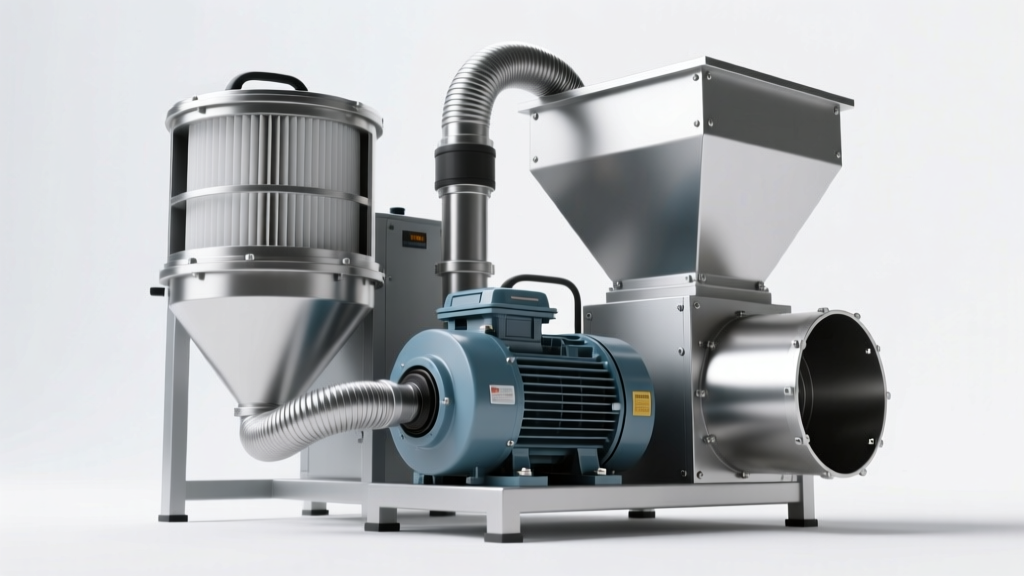
Types of Cassava Starch Airflow Dryers
An airflow dryer is a critical component in the cassava starch processing chain, enabling efficient moisture removal while preserving the starch’s functional and physical properties. These dryers utilize controlled hot air circulation to evaporate moisture from wet starch, ensuring consistent quality, extended shelf life, and improved handling characteristics. Given their importance in both research and large-scale production, airflow dryers are available in various configurations tailored to specific operational needs—from laboratory testing to high-volume industrial processing.
The choice of dryer significantly impacts drying efficiency, energy consumption, product quality, and overall operational cost. Understanding the different types of airflow dryers allows processors to select the most suitable system based on scale, throughput requirements, budget, and desired starch characteristics.
Laboratory Airflow Dryer
Compact and precision-engineered for small-scale drying, ideal for R&D and quality control settings.
Advantages
- Enables controlled experimentation with drying parameters
- Low energy and material consumption
- Ideal for optimizing drying conditions before scaling up
- Quick setup and easy monitoring
Limitations
- Not suitable for commercial production
- Limited capacity (typically grams to a few kilograms)
- May not replicate industrial drying dynamics exactly
Best for: Research institutions, pilot testing, quality assurance labs, academic studies
Industrial Airflow Dryer
High-capacity systems designed for continuous, large-scale drying in commercial starch processing plants.
Advantages
- Processes tons of starch per hour
- Automated controls ensure consistent output quality
- Integrated with upstream and downstream processing units
- Optimized for energy efficiency at scale
Limitations
- High initial investment and installation cost
- Requires skilled operators and maintenance teams
- Less flexibility for experimental adjustments
Best for: Commercial cassava starch factories, export-oriented production, bulk processing
Batch vs. Continuous Airflow Dryer
Defined by operational mode—batch dryers process discrete loads, while continuous systems operate non-stop.
Batch Dryer Advantages
- Lower initial and operational costs
- Greater flexibility in processing different starch batches
- Easier to monitor and adjust per batch
- Suitable for smaller or variable production volumes
Batch Limitations
- Lower overall throughput
- Inconsistent drying if loading varies
- Requires manual loading/unloading in some models
Continuous Dryer Advantages
- Higher productivity and steady output flow
- Better integration with automated production lines
- More uniform drying due to constant conditions
- Lower labor requirements per unit of starch
Continuous Limitations
- Higher capital and energy costs
- Less flexible for small or changing batch sizes
- Longer startup and shutdown procedures
Best for: Batch – small to medium processors; Continuous – large-scale industrial operations
Fluidized Bed Dryer
Uses upward-flowing hot air to suspend starch particles in a fluid-like state, enhancing heat and mass transfer.
Advantages
- Extremely efficient and rapid drying
- Uniform exposure of particles to hot air
- Excellent control over final moisture content
- Can operate in both batch and continuous modes
Limitations
- Higher energy consumption due to air pressure needs
- Potential for particle attrition (fines generation)
- Requires precise air velocity control to avoid blowout
Best for: High-quality starch production, applications requiring precise moisture control, fine granular products
Rotary Airflow Dryer
Features a rotating drum that tumbles starch while hot air passes through, ensuring even and thorough drying.
Advantages
- Handles high moisture content feed effectively
- Robust design suitable for continuous industrial use
- Excellent mixing and exposure to drying air
- Scalable from medium to very large capacities
Limitations
- Bulkier footprint compared to other dryers
- Higher maintenance due to moving parts (bearings, seals)
- Potential for starch degradation if temperature is not controlled
Best for: Large-scale industrial drying, plants with high moisture input, integrated processing lines
| Dryer Type | Scale | Drying Efficiency | Operating Cost | Best Application |
|---|---|---|---|---|
| Laboratory Airflow Dryer | Small (R&D) | Medium | Low | Research, testing, process optimization |
| Industrial Airflow Dryer | Large | High | Medium-High | Commercial starch production |
| Batch Airflow Dryer | Small-Medium | Medium | Low-Medium | Variable batch processing, SMEs |
| Continuous Airflow Dryer | Large | Very High | High | Mass production, automated lines |
| Fluidized Bed Dryer | Medium-Large | Very High | High | Precision drying, high-quality starch |
| Rotary Dryer | Large | High | Medium-High | High-moisture feed, industrial scale |
Expert Tip: When selecting a cassava starch dryer, consider not only capacity but also the desired final moisture content (typically 12–14%), particle integrity, and energy source availability. Fluidized bed and rotary dryers offer superior performance but require more sophisticated controls and maintenance.
How to Choose a Cassava Starch Airflow Dryer: A Comprehensive Guide
Selecting the right airflow dryer for cassava starch processing is a critical decision that directly impacts product quality, production efficiency, and long-term operational costs. With various dryer types and configurations available, it's essential to evaluate your specific needs carefully. The following guide outlines the key considerations to help you make an informed and effective choice for your cassava starch drying operation.
1. Scale of Operations
Small-Scale or Laboratory Use
For research, pilot testing, or small production batches, a compact laboratory-scale airflow dryer is ideal. These units are cost-effective, easy to operate, and require minimal space and energy. They allow for process optimization and quality control before scaling up, making them perfect for startups or quality assurance labs.
Industrial-Scale Production
Large-scale cassava starch manufacturing demands robust industrial airflow dryers capable of handling high throughput consistently. These systems are designed for continuous operation, offering advanced automation, higher drying capacity, and integration with existing production lines. Proper sizing ensures maximum efficiency and prevents bottlenecks in your processing workflow.
2. Drying Requirements and Process Parameters
Understanding your specific drying needs is crucial for selecting the appropriate dryer technology. Key factors include:
3. Energy Efficiency and Sustainability
Energy consumption is a major operational cost, especially in continuous drying processes. Modern airflow dryers incorporate energy recovery systems, variable speed fans, and optimized airflow designs to minimize power usage. Consider dryers with:
High-efficiency models may have a higher upfront cost but offer significant savings over time and contribute to a lower carbon footprint.
4. Investment and Operational Costs
| Dryer Type | Initial Cost | Energy Consumption | Maintenance Needs | Best For |
|---|---|---|---|---|
| Lab-Scale Dryer | Low | Minimal | Low | R&D, small batches, quality testing |
| Compact Industrial Dryer | Medium | Moderate | Medium | Medium-scale production |
| Full-Scale Flash Dryer | High | High (but efficient per kg) | Regular monitoring | Large-scale, continuous operations |
When evaluating costs, consider not only the purchase price but also installation, energy, maintenance, labor, and potential downtime. A total cost of ownership (TCO) analysis helps identify the most economical option over the dryer’s lifespan.
5. Product Quality Preservation
The drying process significantly affects the functional and sensory properties of cassava starch. To maintain high-quality output, ensure the dryer supports:
Important: Always consult with dryer manufacturers or process engineers to match your specific cassava starch characteristics and production goals. Conducting drying trials with sample material can validate performance before full-scale investment. Choosing the wrong dryer can lead to product degradation, increased costs, and reduced market competitiveness.
How to Use a Cassava Starch Airflow Dryer: A Complete Guide
Operating a cassava starch airflow dryer efficiently requires proper preparation, monitoring, and post-processing. Understanding each stage of the drying process ensures high-quality starch output, optimal energy use, and extended equipment life. Whether you're managing a small-scale production unit or a commercial processing facility, following best practices is essential for consistent results.
Pro Tip: Always consult the manufacturer’s manual for model-specific settings and safety instructions before starting the dryer. Proper training and adherence to operational guidelines significantly improve efficiency and product quality.
Pre-Treatment of Cassava Roots
Effective drying begins long before the material enters the airflow dryer. Pre-treatment ensures uniform moisture removal and prevents contamination or uneven drying.
- Peeling: Remove the outer skin thoroughly to eliminate dirt, microbes, and fibrous material that can affect starch purity.
- Washing: Rinse the roots under clean running water to remove soil, sand, and residual pesticides. Multiple wash cycles may be necessary in sandy environments.
- Size Reduction: Grate or finely chop the cassava to increase surface area. Smaller particles dry more evenly and reduce processing time.
- Pulp Preparation: For starch extraction, the grated cassava should be sieved or pressed to separate the starchy slurry from fibers before drying.
Key Benefit: Proper pre-treatment improves drying efficiency by up to 30% and enhances the final starch quality.
Loading the Dryer
Correct loading technique is critical for maximizing airflow and ensuring uniform drying across all batches.
- Spread the cassava pulp or starch evenly across the drying trays—avoid clumping or overloading.
- Maintain a consistent layer thickness (typically 1–2 cm) to allow hot air to penetrate uniformly.
- Ensure trays are properly aligned and secured to prevent blockages in the airflow path.
- Avoid overfilling; overcrowding reduces air circulation and leads to uneven drying and potential spoilage.
Best Practice: Rotate trays periodically (if using a multi-tray system) to balance exposure to heat and airflow.
Setting Drying Parameters
Optimal drying conditions depend on the initial moisture content, desired final moisture level, and ambient conditions.
- Temperature: Set between 50°C to 70°C for cassava starch. Exceeding 75°C may cause gelatinization or discoloration.
- Airflow Rate: Adjust fan speed to ensure sufficient air velocity (typically 1.5–3 m/s) for effective moisture evaporation.
- Drying Time: Usually ranges from 30 to 90 minutes, depending on input moisture (60–70%) and target output (below 12%).
- Humidity Control: Use exhaust vents to remove moist air and maintain low humidity within the drying chamber.
Technical Note: Use digital sensors to monitor real-time temperature and humidity for precision control.
Monitoring the Drying Process
Continuous monitoring ensures the starch dries properly without overheating or under-drying.
- Check moisture content at intervals using a moisture meter or rapid oven test.
- Observe color changes—properly dried cassava starch should remain white or slightly creamy.
- Monitor airflow consistency; blockages or reduced fan performance can create dry spots or wet zones.
- Listen for unusual noises or vibrations that may indicate mechanical issues.
Quality Check: Sample from different tray positions to verify uniformity across the batch.
Post-Drying Processing
After drying, proper handling ensures maximum recovery and purity of the final starch product.
- Allow the dried starch to cool slightly before collection to prevent condensation in storage.
- Use the dryer’s discharge system or gently remove trays to collect the dried starch.
- Pass exhaust air through a cyclone separator or bag filter to capture fine starch particles and prevent product loss.
- Sieve the dried starch to remove any agglomerates and ensure a consistent particle size.
Eco-Friendly Tip: Recycle captured starch dust from filters back into the product stream to reduce waste.
Maintenance & Safety After Use
Regular maintenance keeps the dryer operating efficiently and safely for long-term use.
- Clean trays, fans, and filters after each use to prevent mold or bacterial growth.
- Inspect heating elements and electrical connections for wear or damage.
- Lubricate moving parts as recommended by the manufacturer.
- Store the unit in a dry, covered area to protect against moisture and dust.
Safety Reminder: Always power off and cool down the dryer before cleaning or maintenance.
| Parameter | Recommended Range | Purpose | Risk of Incorrect Setting |
|---|---|---|---|
| Drying Temperature | 50–70°C | Efficient moisture removal without starch damage | Gelatinization, browning, loss of viscosity |
| Airflow Velocity | 1.5–3 m/s | Uniform drying and moisture evacuation | Uneven drying, longer processing time |
| Initial Moisture Content | 60–70% | Standard after dewatering | Excessive load on dryer if too high |
| Final Moisture Content | 10–12% | Suitable for storage and milling | Mold growth if too high; brittleness if too low |
| Drying Time | 30–90 min | Balances efficiency and quality | Overheating or incomplete drying |
Additional Tips for Optimal Performance
- Energy Efficiency: Pre-drain or press cassava pulp to reduce moisture before drying—this cuts energy costs significantly.
- Batch vs. Continuous: Choose batch dryers for small operations; continuous airflow dryers are better for high-volume production.
- Ambient Conditions: High humidity environments may require longer drying times or pre-heating of intake air.
- Product Quality: Store dried starch in airtight, moisture-proof containers away from direct sunlight.
- Automation: Consider models with programmable controllers for consistent, repeatable drying cycles.
Expert Recommendation: For best results, pair your airflow dryer with a moisture analyzer and implement a standard operating procedure (SOP) for each stage. Training operators on both technical settings and visual quality checks ensures consistent, high-grade cassava starch production across all batches.
Benefits of Cassava Starch Airflow Dryer
The cassava starch airflow dryer has become a cornerstone in modern starch processing due to its exceptional performance, reliability, and efficiency. As demand for high-quality cassava starch continues to grow globally, manufacturers and processors are turning to advanced drying technologies to meet production standards. This guide explores the key advantages of using an airflow dryer for cassava starch, highlighting why it's a preferred choice across small-scale operations and large industrial facilities alike.
Did You Know? Proper drying is one of the most critical stages in cassava starch processing. Inadequate drying can lead to clumping, microbial growth, and reduced shelf life. The airflow dryer addresses these challenges effectively while preserving the natural qualities of the starch.
Enhanced Drying Efficiency
Airflow dryers significantly accelerate the drying process compared to traditional sun-drying or passive air-drying methods. By combining controlled hot air with high-velocity airflow, moisture is rapidly evaporated and carried away from the starch particles. This dynamic drying mechanism ensures uniform moisture removal across the entire batch, reducing drying time from hours—or even days—to just minutes.
This increased speed not only boosts throughput but also minimizes the risk of spoilage during processing, making it ideal for high-volume production environments where time is a critical factor.
Preservation of Starch Quality
One of the standout features of airflow dryers is their ability to maintain the integrity of cassava starch throughout the drying process. Unlike direct flame or overheating methods that can degrade sensitive organic compounds, airflow dryers use precisely regulated temperatures to gently remove moisture without altering the starch’s chemical structure.
This gentle yet effective drying helps retain essential characteristics such as:
- Color: Prevents browning or discoloration, ensuring a bright, white final product.
- Texture: Maintains fine granular consistency, crucial for food and industrial applications.
- Nutritional Profile: Preserves native starch properties, including viscosity and gelatinization behavior.
- Purity: Reduces exposure to contaminants often present in open-air drying.
Scalability for Industrial Use
Airflow drying systems are inherently scalable, making them suitable for operations of all sizes—from pilot plants to full-scale industrial production lines. Modular designs allow for easy integration into existing processing workflows, and multiple units can be operated in parallel to increase capacity as demand grows.
Key scalability advantages include:
- Adjustable airflow and temperature settings for different batch sizes
- Compatibility with automated feeding and conveying systems
- Support for continuous operation, enabling 24/7 production cycles
- Customizable chamber sizes and configurations based on output needs
Reduced Energy Consumption
Modern airflow dryers are engineered for energy efficiency, incorporating features such as heat recovery systems, insulated drying chambers, and variable-speed fans. These innovations optimize thermal energy usage by recirculating heated air and minimizing heat loss, resulting in lower operational costs and reduced environmental impact.
Compared to older drying technologies, advanced airflow dryers can achieve up to 30–40% energy savings, making them both economically and ecologically sustainable choices for long-term use.
Versatility Across Applications
While especially effective for cassava starch, airflow dryers are highly versatile and capable of processing a wide range of agricultural and food products. Their adjustable parameters allow for customization based on moisture content, particle size, and thermal sensitivity.
Common applications include drying:
- Other root starches (e.g., potato, arrowroot)
- Grains and flours
- Vegetable powders and herbal extracts
- Fermented or wet biomass materials
This adaptability makes the airflow dryer a valuable multi-purpose asset in food processing facilities, particularly during seasonal harvests when moisture levels and input volumes fluctuate.
| Benefit | Key Advantage | Impact on Production | Best Suited For |
|---|---|---|---|
| Enhanced Drying Efficiency | Rapid moisture removal via hot air circulation | Shorter processing times, higher output | High-volume and time-sensitive operations |
| Preservation of Starch Quality | Controlled temperature prevents degradation | Consistent color, texture, and functionality | Food-grade and export-quality starch production |
| Scalability | Modular design supports expansion | Future-proof investment with growth potential | Expanding agro-processing businesses |
| Energy Efficiency | Optimized heat reuse and airflow control | Lower utility costs and carbon footprint | Sustainable and cost-conscious operations |
| Versatility | Adjustable settings for various materials | Multi-product capability in one system | Diversified processing facilities |
Expert Tip: To maximize the benefits of your airflow dryer, perform regular maintenance checks on filters, fans, and heating elements. Clean, well-maintained equipment ensures consistent airflow and temperature control, directly impacting drying performance and product quality.
Additional Considerations
- Integrate moisture sensors for real-time monitoring and automatic shut-off when target levels are reached.
- Use pre-drying thickeners or centrifuges to reduce initial moisture load and improve dryer efficiency.
- Train operators on optimal settings for different cassava varieties and harvest conditions.
- Consider pairing with packaging systems to minimize reabsorption of moisture post-drying.
In conclusion, the cassava starch airflow dryer offers a powerful combination of speed, quality preservation, energy efficiency, and scalability. Whether you're processing starch for local markets or international export, investing in a high-performance airflow drying system can significantly enhance product consistency, reduce waste, and improve overall profitability. As technology continues to evolve, these dryers remain at the forefront of innovation in starch processing.
Frequently Asked Questions About Airflow Dryers in Research and Starch Processing
Q1. Do researchers really need to use a lab airflow dryer?While not always mandatory, lab airflow dryers are essential tools in research settings for conducting controlled and reproducible drying experiments. Researchers don’t use these units to process industrial-scale volumes—such as thousands of tons of starch—but rather to perform small-scale, precise investigations into drying behavior and product characteristics.
- Pilot Testing: Lab airflow dryers allow scientists to simulate industrial drying conditions on a miniature scale, helping to determine optimal parameters like air temperature, flow rate, and residence time.
- Product Development: They are used to evaluate how different cassava varieties or modified starches respond to drying, which is crucial for quality control and innovation.
- Scalability Insights: Data gathered from lab dryers can inform the design and operation of full-scale industrial drying systems, reducing trial-and-error and saving costs.
- Reproducibility: Unlike ambient drying, lab dryers offer consistent conditions, enabling repeatable experiments critical for scientific validation.
In short, lab airflow dryers bridge the gap between theoretical research and industrial application, making them invaluable in food science, agricultural engineering, and materials processing.
Q2. Can an airflow dryer dry other materials apart from cassava starch?Absolutely! Airflow dryers—also known as flash dryers or pneumatic dryers—are highly versatile and widely used across various industries for drying a broad range of heat-sensitive and powdered materials.
- Agricultural Products: Grains (like corn and rice), legumes, and root crop flours (e.g., potato, yam) can be efficiently dried while preserving nutritional content.
- Herbs and Spices: Delicate plant materials such as mint, turmeric, and ginger benefit from rapid drying that retains color, aroma, and active compounds.
- Food Powders: Milk powder, egg powder, and protein isolates are commonly processed using airflow drying due to its fast moisture removal and low degradation risk.
- Pharmaceuticals and Chemicals: Fine powders and granules in the chemical and pharma industries use airflow dryers to ensure uniform particle drying without clumping or overheating.
The key advantage lies in the dryer’s ability to suspend particles in a high-velocity hot air stream, enabling rapid heat transfer and moisture evaporation—ideal for materials that degrade under prolonged heat exposure.
Q3. How does drying cassava starch in an airflow dryer compare to the natural air drying method?The choice between airflow drying and natural air drying significantly impacts drying efficiency, product quality, and operational feasibility. Here’s a detailed comparison:
| Factor | Airflow Dryer | Natural Air Drying |
|---|---|---|
| Drying Time | Minutes to hours—rapid drying due to controlled hot air circulation. | Days—highly dependent on weather, humidity, and sunlight. |
| Consistency | Uniform drying with minimal risk of over-drying or moisture pockets. | Inconsistent; prone to uneven drying, especially during rainy or humid periods. |
| Product Quality | Preserves starch integrity, color, and functionality; reduces microbial contamination. | Risk of contamination from dust, pests, and mold; possible discoloration or spoilage. |
| Energy Use | Higher energy input required for heating and moving air. | Energy-efficient—relies on solar and wind energy. |
| Space & Labor | Compact system with automated operation; less manual labor. | Requires large drying areas and frequent manual turning of material. |
| Weather Dependency | None—can operate year-round indoors. | Highly dependent on favorable weather conditions. |
In summary, airflow dryers offer superior speed, control, and hygiene, making them ideal for commercial production. Natural drying, while low-cost and sustainable, is better suited for small-scale or subsistence operations where time and environmental conditions permit.
Q5. Is it possible to control the temperature and humidity of the air in an airflow dryer?Yes, modern airflow dryers are equipped with advanced control systems that allow precise regulation of both temperature and humidity—critical factors in ensuring optimal drying performance and product quality.
- Temperature Control: Operators can set specific inlet and outlet air temperatures based on the material’s thermal sensitivity. For cassava starch, temperatures are typically maintained between 60°C and 120°C to prevent gelatinization while ensuring efficient moisture removal.
- Humidity Monitoring: Integrated sensors measure the moisture content of the exhaust air, enabling real-time adjustments to airflow rate and heat input for consistent drying.
- Automation: Programmable logic controllers (PLCs) or digital interfaces allow preset drying profiles, data logging, and remote monitoring, enhancing repeatability and process optimization.
- Zonal Drying: Some advanced systems feature multiple drying zones with independently controlled conditions, allowing staged drying to minimize stress on sensitive materials.
This level of control not only improves drying efficiency but also helps maintain the functional properties of cassava starch—such as viscosity, solubility, and gel strength—making it suitable for diverse food and industrial applications.