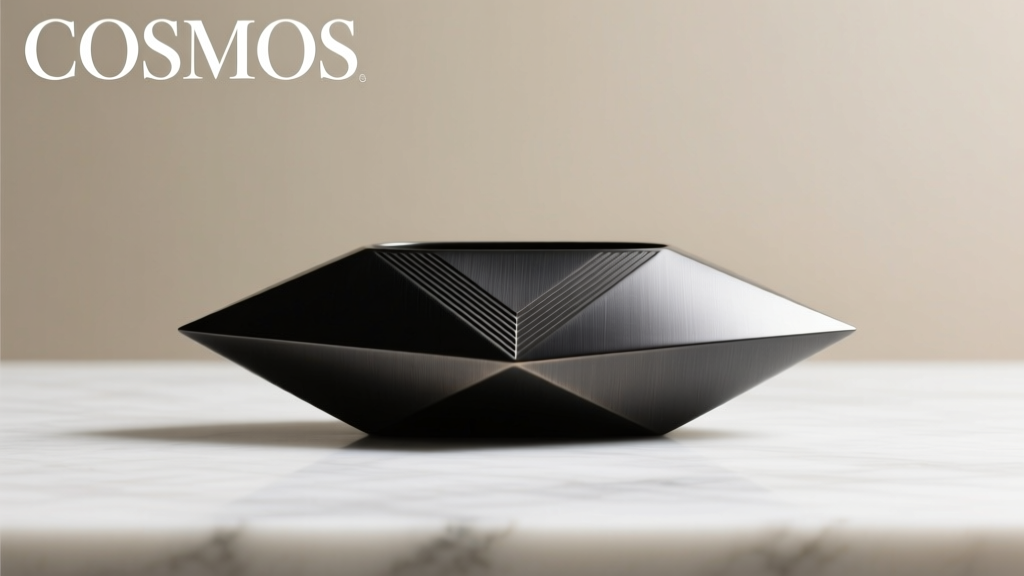
Types of Baggage Trays: A Comprehensive Guide
A baggage tray is more than just a simple carrier—it’s a functional accessory designed to enhance convenience, organization, and aesthetics across various environments. Available in multiple styles and materials, baggage trays are tailored to meet the needs of different settings, from luxury hotels to high-traffic airports. The choice of tray depends on factors such as durability, portability, design, and intended use.
Leather Baggage Tray
Crafted for elegance and durability, leather baggage trays offer a premium look and feel. Often hand-stitched or molded with reinforced edges, these trays combine functionality with sophistication.
Advantages
- Premium, timeless aesthetic
- Durable and long-lasting with proper care
- Soft surface protects delicate items
- Adds a touch of class to any room or office
Limitations
- Higher cost compared to other materials
- Requires maintenance to prevent cracking
- Less resistant to moisture and spills
Best for: Executive offices, luxury homes, hotel suites, gift items
Airport Security Trays
Engineered for high-volume environments, these rugged plastic trays are standard at airport security checkpoints. Designed for repeated use, they often feature smooth surfaces and built-in dividers.
Advantages
- Highly durable and impact-resistant
- Lightweight and easy to sanitize
- Stackable design saves space
- Helps organize personal items during screening
Limitations
- Not suitable for decorative use
- Limited load capacity per tray
- Can become scratched or worn over time
Best for: Airports, government facilities, high-traffic security zones
Hotel Luggage Trays
Commonly found in upscale hotels, these trays assist guests in transporting luggage from the lobby to guest rooms. Many feature folding legs or collapsible frames for easy storage.
Advantages
- Portable and often foldable
- Sturdy construction supports heavy luggage
- Enhances guest experience and service quality
- Variety of materials and styles available
Limitations
- May take up space when not in use
- Higher-end models can be expensive
- Requires regular cleaning in shared environments
Best for: Hotels, resorts, concierge services, hospitality training centers
Wooden Baggage Trays
Valued for their natural beauty and sturdiness, wooden trays are often handcrafted from solid hardwoods like oak, walnut, or teak. They serve both functional and decorative purposes.
Advantages
- Exceptional strength and stability
- Warm, traditional aesthetic
- Can double as home decor or serving trays
- Eco-friendly and biodegradable material
Limitations
- Heavier than plastic or metal alternatives
- Susceptible to warping in humid conditions
- Requires occasional polishing or oiling
Best for: Traditional homes, heritage hotels, decorative storage, entryway organization
Metal Baggage Trays
Typically made from stainless steel, aluminum, or powder-coated alloys, metal trays offer a sleek, modern appearance with industrial-grade strength.
Advantages
- Extremely durable and corrosion-resistant
- Easy to clean and maintain
- Modern, minimalist design
- Ideal for heavy-duty or commercial use
Limitations
- Cold, impersonal appearance
- Can scratch surfaces if not lined
- May dent under extreme impact
Best for: Modern interiors, commercial spaces, industrial settings, minimalist design themes
Stackable Baggage Trays
Designed for efficiency and space-saving, these trays (often made of plastic or lightweight metal) nest neatly when not in use, making them ideal for organized storage.
Advantages
- Maximizes storage efficiency
- Easy to transport in bulk
- Available in standardized sizes
- Reduces clutter in high-use areas
Limitations
- May lack aesthetic appeal
- Plastic versions can become brittle over time
- Limited customization options
Best for: Airports, retail stores, warehouses, event venues, logistics centers
| Type | Material | Durability | Aesthetic Appeal | Primary Use Case |
|---|---|---|---|---|
| Leather | Genuine or synthetic leather | High (with care) | Excellent | Luxury interiors, executive spaces |
| Airport Security | Rugged plastic (PP/ABS) | Very High | Low | Security checkpoints, public facilities |
| Hotel Luggage | Wood, metal, or composite | High | Good to Excellent | Hospitality, guest services |
| Wooden | Solid hardwood or engineered wood | High | Excellent | Home decor, traditional settings |
| Metal | Stainless steel, aluminum | Very High | Good (modern) | Commercial, industrial, modern design |
| Stackable | Plastic or lightweight metal | Medium to High | Fair | Storage efficiency, high-traffic areas |
Pro Tip: When selecting a baggage tray for home or office use, consider a leather or wooden model for a stylish, functional addition. For commercial or high-traffic environments, prioritize durability and ease of cleaning—opt for plastic or metal stackable trays.
Specifications and Maintenance of Security Luggage Trays
Security luggage trays are essential tools in airports, hotels, and high-traffic public areas, facilitating smooth screening processes and protecting personal belongings. To ensure longevity, safety, and aesthetic appeal, it's crucial to understand the material specifications, load capacities, and proper maintenance routines for each type of baggage tray. Below is a comprehensive guide tailored to different tray materials and usage environments.
Key Material Specifications
The performance and durability of a luggage tray largely depend on its construction material. Each material has unique advantages and limitations that must be considered for optimal use.
Paper/Cardboard Trays
Made from compressed cardboard or recycled paper fibers, these trays are lightweight and eco-friendly—ideal for temporary or low-traffic settings. However, they are highly susceptible to moisture and cannot support heavy loads. Exposure to humidity or liquids can cause warping, softening, or structural collapse.
Best for: Short-term events, eco-conscious facilities, or indoor environments with controlled conditions.
Plastic Trays
Constructed from high-density polyethylene (HDPE), polycarbonate, or ABS plastic, these trays are durable, impact-resistant, and easy to clean. They come in various grades—from lightweight economy models to heavy-duty versions used in international airports.
They are resistant to moisture, chemicals, and moderate temperature fluctuations, making them the most widely used option in security checkpoints.
Metal Trays
Typically made from aluminum or steel with a corrosion-resistant coating (such as powder coating or anodizing), metal trays offer superior strength and heat resistance. They are ideal for industrial or high-abuse environments but are heavier and more expensive.
Regular inspection is needed to ensure the protective coating remains intact and prevents rust development, especially in humid climates.
Wooden & Leather Trays
Often used in luxury hotels or boutique settings, wooden trays are typically lacquered or polished to enhance grain appearance and protect against scratches. Leather-trimmed trays add elegance but require special care to avoid drying, cracking, or staining.
These materials are more decorative than functional and are not recommended for high-volume security screening.
Load Capacity and Structural Integrity
All luggage trays are designed with a specified weight limit set by the manufacturer. Exceeding this limit can lead to deformation, cracking, or complete failure—especially in wooden, metal, and lower-grade plastic trays.
- Paper Trays: Typically support up to 10–15 lbs (4.5–6.8 kg). Avoid placing electronics, liquids, or heavy bags.
- Plastic Trays: Can handle 30–50 lbs (13.6–22.7 kg), depending on thickness and design. Reinforced models used in airports withstand repeated stacking and heavy luggage.
- Metal Trays: Support 50+ lbs (22.7+ kg) and resist bending under pressure. Ideal for transporting tools or industrial equipment through screening.
- Wooden Trays: Limited to 20–30 lbs (9–13.6 kg). Overloading may cause warping or joint separation.
Surface Finish and Scratch Prevention
A smooth, well-finished surface improves both aesthetics and functionality. Scratches not only degrade appearance but can also harbor bacteria or snag clothing.
To preserve surface integrity:
- Use felt pads or non-slip rubber feet on the bottom of trays when placed on furniture.
- Avoid dragging trays across rough surfaces; lift and place them gently.
- Keep sharp objects separated from the tray surface during use.
Cleaning and Chemical Compatibility
Proper cleaning maintains hygiene and extends tray life. However, using the wrong products can damage finishes or weaken materials.
| Tray Material | Recommended Cleaner | Cleaning Method | Avoid |
|---|---|---|---|
| Paper/Cardboard | Dry microfiber cloth | Wipe gently; never wet. Replace if soiled. | Water, sprays, disinfectants |
| Plastic | Mild soap + water or disinfectant wipes | Wash and dry thoroughly. Can be sanitized regularly. | Harsh solvents (e.g., acetone) |
| Metal | Metal polish or mild detergent | Clean with soft cloth; polish periodically for shine. | Chlorine-based cleaners |
| Wood | Wood-safe cleaner or damp cloth | Wipe lightly; dry immediately. Re-polish as needed. | Excess moisture, ammonia |
| Leather | Leather wipes or conditioner | Gently clean and condition monthly. | Alcohol, bleach, abrasive cloths |
Heat and Moisture Resistance Guidelines
Direct exposure to heat or moisture can permanently damage certain tray materials:
- Never place hot items (e.g., coffee cups, heated electronics) directly on wooden, paper, or leather trays—use coasters or insulating liners.
- Wet items should be placed in sealed bags before being set in any tray, especially paper and wood.
- Store trays in climate-controlled areas to prevent warping, mold growth, or delamination.
Storage Best Practices
Improper storage leads to warping, discoloration, and unnecessary wear.
- Stackable plastic trays: Can be stored vertically or nested when not in use. Keep away from direct sunlight to prevent UV degradation.
- Metal and wooden trays: Store flat in a dry, shaded area. Avoid stacking unless designed for it to prevent scratches or bending.
- All trays: Ensure they are completely dry before storage to prevent mold or corrosion.
Regular Inspection and Maintenance
Frequent inspection is vital—especially in high-traffic environments like airports, hotels, or corporate lobbies.
- Check for cracks, warping, loose edges, or worn finishes.
- Replace damaged trays immediately to avoid injury or malfunction during use.
- For facilities using hundreds of trays daily, implement a rotating maintenance schedule to clean, inspect, and replace units systematically.
- Train staff to identify early signs of wear and report issues promptly.
Important: Always follow the manufacturer’s care instructions for your specific tray model. Using incorrect cleaning agents or overloading trays can void warranties and create safety hazards. Proper maintenance not only preserves appearance but also ensures reliable performance in security and customer service operations.
Scenarios of Baggage Tray Usage
Baggage trays are more than just simple containers—they are essential organizational tools across a wide range of environments. Designed for durability, functionality, and ease of use, these trays serve critical roles in maintaining order, enhancing security, and improving operational efficiency. From high-traffic public spaces to private homes, baggage trays adapt to diverse needs based on material, design, and purpose.
Airport Security Checkpoints
One of the most visible and high-volume uses of baggage trays is at airport security screening areas. Passengers place their carry-on luggage, electronics, and personal items into standardized plastic trays that move through X-ray machines for inspection.
- High-impact polycarbonate trays are used for their durability and resistance to constant handling
- Color-coded or RFID-tagged trays help manage flow and reduce mix-ups in busy terminals
- Stackable design allows for efficient storage and rapid deployment during peak travel times
- Regular sanitation protocols ensure hygiene, especially post-pandemic
Did you know? Major airports process thousands of trays daily—some systems use automated conveyor returns to streamline operations.
Hotels and Hospitality
In upscale hotels and resorts, luggage trays are both functional and aesthetic. Often placed in lobbies or guest rooms, they provide a designated, elevated surface for handling suitcases and personal belongings.
- Trays made from brushed metal, walnut, or leather-look composites enhance room elegance
- Front desk staff use them during check-in/check-out to discreetly handle guest documents and keys
- Room-side trays encourage guests to keep luggage off beds, improving cleanliness standards
- Some luxury properties customize trays with branding or local design motifs
Pro tip: Hotels often pair trays with luggage racks to create a complete guest arrival experience.
Retail Environments
In retail stores—especially at checkout counters—baggage trays organize customer purchases before and after scanning. These trays prevent items from rolling or falling and help streamline the transaction process.
- Anti-slip surfaces keep fragile items secure during scanning
- Stackable models save space during off-peak hours
- Durable ABS plastic resists scratches and daily wear
- Modular designs allow integration with POS systems and conveyor belts
Efficiency boost: Supermarkets and electronics retailers use trays to reduce item damage and speed up checkout times.
Office Organization
In professional office settings, luggage trays double as elegant desktop organizers for documents, tablets, wallets, and business cards. They promote a clutter-free and productive workspace.
- Leather or wood-grain trays add sophistication to executive desks
- Designated compartments help separate incoming vs. outgoing paperwork
- Portable trays support hybrid workers who move between home and office
- Eco-friendly materials align with corporate sustainability goals
Workplace benefit: Reduces desk clutter and supports professional presentation during client meetings.
Events and Conferences
At large gatherings such as trade shows, conferences, and corporate events, baggage trays are strategically placed at entrances to manage personal items and enhance security.
- Trays allow attendees to safely place phones, coats, and bags before entering restricted zones
- Branded trays can serve as subtle marketing tools with logos or event themes
- Multipurpose use: some trays transition from security stations to serving platters for hors d'oeuvres
- Foldable or collapsible models ease transportation and storage
Event planner insight: Using color-coded trays improves crowd flow and minimizes confusion during high-traffic entry periods.
Homes and Residential Use
In homes, baggage trays act as stylish yet practical solutions for managing everyday essentials. Placed near entryways, bedrooms, or bathrooms, they create designated drop zones.
- Key trays in entryways reduce lost items and streamline morning routines
- Decorative metal or wooden trays serve as functional art pieces
- Bathroom trays organize skincare, makeup, or grooming tools
- Custom engraving adds a personal touch for gifting or family use
Lifestyle benefit: Encourages household organization and reduces clutter in high-traffic areas.
Industrial Settings
In warehouses, factories, and manufacturing facilities, heavy-duty luggage trays transport tools, components, and safety gear. Their robust construction ensures reliability in demanding environments.
- Steel or reinforced polymer trays withstand drops, vibrations, and exposure to oils/chemicals
- Used in assembly lines to carry small parts between stations
- Labeling options support inventory tracking and workflow efficiency
- Ergonomic handles reduce strain during repeated lifting
Safety advantage: Properly stored tools in trays reduce trip hazards and improve OSHA compliance.
Additional Applications
Baggage trays are increasingly finding innovative uses beyond traditional roles:
- Healthcare: Used in clinics for organizing patient documents or medical devices
- Education: Classrooms use trays for collecting assignments or storing student supplies
- Transportation: Ride-share drivers use trays to separate passenger items from personal gear
- Hospitality Tech: Smart trays with wireless charging built-in are emerging in luxury hotels
Future trend: Integration with IoT for tracking usage, location, or even contactless sanitization.
Expert Insight: When selecting baggage trays for any environment, consider material durability, ease of cleaning, portability, and aesthetic alignment with the space. For high-traffic areas like airports or retail, prioritize impact-resistant plastics; for residential or executive offices, focus on design and finish. Multi-functional trays offer the best return on investment across events, homes, and commercial spaces.
| Environment | Common Materials | Primary Function | Lifespan (Avg.) |
|---|---|---|---|
| Airport Security | Polycarbonate, ABS Plastic | Security Screening & Flow Management | 3–5 years |
| Hotels & Hospitality | Wood, Metal, Faux Leather | Guest Convenience & Aesthetics | 5+ years |
| Retail Checkout | ABS, Polypropylene | Item Organization & Damage Prevention | 2–4 years |
| Office Desks | Wood, Leather, Composite | Document & Personal Item Management | 4+ years |
| Industrial Sites | Steel, Reinforced Polymer | Tool Transport & Workplace Safety | 5–7 years |
| Residential Homes | Metal, Wood, Ceramic | Clutter Control & Decorative Storage | Indefinite (with care) |
Key Selection Criteria
- Durability: Match material strength to usage intensity—plastic for moderate use, metal for heavy-duty applications
- Hygiene: Non-porous surfaces are essential in public or medical settings for easy disinfection
- Portability: Lightweight yet sturdy designs improve usability across mobile environments
- Stackability: Saves space during storage and simplifies logistics in high-volume areas
- Aesthetics: Design should complement the environment—minimalist for offices, elegant for homes, industrial for warehouses
- Sustainability: Recycled materials and long product life reduce environmental impact
How To Choose the Perfect Baggage Tray for Your Space
Selecting the right hotel luggage tray is more than just a functional decision—it's a blend of practicality, durability, and design harmony. Whether you're outfitting a luxury hotel, a busy airport terminal, or a corporate office, the ideal baggage tray enhances both user experience and visual appeal. This comprehensive guide breaks down the essential factors to consider when choosing a luggage tray, ensuring your selection meets both aesthetic standards and performance demands in any environment.
Pro Tip: Always assess the long-term maintenance and cleaning requirements of a baggage tray. Materials like leather and wood may require special care, while plastic and metal are generally low-maintenance and resistant to spills and wear.
Key Factors to Consider When Choosing a Baggage Tray
- Material: Match Functionality with Style
The material of a luggage tray significantly influences its durability, appearance, and suitability for specific environments:
- Leather: Offers a premium, elegant look ideal for luxury hotels, executive lounges, or boutique accommodations. However, it requires regular conditioning and is less resistant to moisture and heavy use.
- Plastic (ABS or Polypropylene): Highly durable, lightweight, and easy to clean—perfect for high-traffic areas like airports, event venues, or transportation hubs. Resistant to impact and weather, making it a cost-effective long-term solution.
- Wood: Adds warmth and sophistication to hotel lobbies, home entries, or traditional office spaces. Solid hardwoods like walnut or teak offer longevity but may be prone to scratches and moisture damage if not properly sealed.
- Metal (Stainless Steel or Aluminum): Extremely strong and modern in appearance. Ideal for industrial or contemporary settings. Stainless steel is rust-resistant and hygienic, making it suitable for both public and commercial use.
- Design and Aesthetics: Complement Your Interior Theme
The design of the tray should seamlessly integrate with the surrounding décor:
- For modern or industrial spaces, opt for sleek metal or minimalist plastic trays with clean lines and neutral tones.
- In traditional or luxury environments, wooden or leather trays with handcrafted details enhance elegance and comfort.
- Consider finish and color—brushed metal, matte black, or natural wood grain can elevate the visual cohesion of the space.
- Well-designed trays not only serve a functional purpose but also act as subtle design accents that reinforce brand identity or interior style.
- Usage Frequency: Plan for Longevity
Evaluate how often the tray will be used to determine the appropriate durability level:
- High-frequency use (e.g., airports, train stations, event check-ins): Choose impact-resistant materials like reinforced plastic or stainless steel. These withstand constant loading, dragging, and exposure to the elements.
- Low to moderate use (e.g., hotel rooms, executive offices, home entryways): Leather, wood, or powder-coated metal trays are excellent choices, offering both beauty and sufficient durability.
- Always consider foot traffic volume and user behavior—public spaces demand ruggedness, while private areas allow for more decorative options.
- Size and Dimensions: Optimize Space and Functionality
Selecting the right size ensures the tray is both practical and unobtrusive:
- Large trays (20" x 14" or larger) are best for full-sized suitcases and are ideal for hotel lobbies or airport security zones.
- Compact trays (12" x 8" or smaller) work well for holding small bags, briefcases, or personal items in offices or bedrooms.
- In high-traffic corridors or narrow entryways, choose low-profile or wall-mounted trays to avoid obstruction and maintain smooth pedestrian flow.
- Ensure there’s enough clearance around the tray for easy access and movement.
- Cost and Budget: Balance Quality with Value
Investing wisely ensures long-term satisfaction and reduces replacement costs:
- Plastic trays are the most affordable and economical for bulk purchases, especially in temporary or high-wear settings.
- Metal and leather trays are higher in cost but offer superior durability and aesthetic value, justifying the investment in premium environments.
- Consider total cost of ownership—frequent replacements due to poor quality can outweigh the initial savings of cheaper options.
- Aim for a balance between upfront cost and expected lifespan to maximize return on investment.
- Stackability: Maximize Storage Efficiency
Efficient storage is crucial in dynamic environments:
- Stackable trays—common in plastic and some metal designs—allow for vertical storage when not in use, saving valuable floor space.
- Essential for airports, event venues, and conference centers where trays are used in large quantities during peak times but need to be stored compactly otherwise.
- Look for interlocking or nesting designs that prevent sliding and ensure stability during storage.
- Customization Options: Enhance Brand Identity
Personalized trays can elevate your brand presence:
- Many manufacturers offer logo engraving, embossing, or color customization—ideal for hotels, corporate offices, or event organizers.
- Custom colors or finishes can align with your brand palette, creating a cohesive and professional appearance.
- Branded trays serve as subtle yet effective marketing tools, reinforcing identity every time a guest interacts with them.
- Check with suppliers about minimum order quantities and lead times for customized orders.
| Material | Best For | Durability | Maintenance Level | Average Cost |
|---|---|---|---|---|
| Plastic | Airports, Events, High-Traffic Areas | High | Low | $ |
| Stainless Steel | Hotels, Corporate Offices, Modern Spaces | Very High | Low | $$$ |
| Wood | Luxury Hotels, Homes, Traditional Offices | Moderate | High | $$ |
| Leather | Boutique Hotels, Executive Lounges | Moderate | High | $$$ |
| Aluminum | Contemporary Spaces, Lightweight Applications | High | Low | $$ |
Expert Tip: When purchasing in bulk, request samples before placing a large order. Testing the weight, sturdiness, and finish in real-world conditions helps ensure the product meets your expectations and performs well over time.
Additional Selection Tips
- Consider ergonomic design—rounded edges and smooth surfaces prevent damage to luggage and reduce injury risk.
- Check for non-slip features such as rubber feet or textured surfaces to keep the tray stable during use.
- For outdoor or semi-outdoor areas, prioritize weather-resistant materials like UV-stabilized plastic or powder-coated metal.
- Think long-term: Choose timeless designs that won’t quickly appear outdated, especially in permanent installations.
- Ensure compliance with accessibility standards—trays should not obstruct pathways or create tripping hazards.
Selecting the right hotel luggage tray is a strategic decision that balances form, function, and longevity. By carefully evaluating material, design, usage, size, cost, and customization options, you can choose a tray that not only serves its practical purpose but also enhances the overall ambiance and professionalism of your space. Whether you're managing a five-star hotel or organizing a large-scale event, the right baggage tray makes a lasting impression—one suitcase at a time.
Frequently Asked Questions About Baggage Trays
Q1: What is the main function of a baggage tray?The primary function of a baggage tray is to offer a stable, flat surface for securely transporting and organizing luggage, personal items, or accessories in high-traffic environments such as airports, hotels, retail checkouts, and office lobbies. These trays streamline the movement of belongings, reduce clutter, and help prevent damage or loss by keeping items contained and visible during transit or storage.
In security checkpoints, for example, passengers place electronics, liquids, and carry-on bags into trays to facilitate efficient scanning. In hospitality settings, they assist staff and guests in moving luggage safely from reception to rooms.
Q2: What materials are commonly used to make baggage trays?Baggage trays are manufactured from a variety of materials, each selected based on durability, weight, cost, and aesthetic requirements:
- Plastic (e.g., ABS or Polypropylene): Lightweight, impact-resistant, and easy to clean—ideal for airport security lines and mass-use applications.
- Metal (e.g., Aluminum or Steel): Offers superior strength and longevity; often used in luxury hotels or commercial spaces where appearance and sturdiness matter.
- Wood: Provides a warm, elegant look, commonly found in boutique hotels or upscale retail environments to enhance interior design.
- Leather or Faux Leather: Used for decorative or premium trays in executive offices or luxury accommodations, combining style with functionality.
- Paper/Cardboard (disposable): Eco-friendly and cost-effective for temporary events or low-budget operations, though less durable.
The choice of material significantly influences the tray’s performance, maintenance needs, and suitability for specific environments.
Q3: Why are stackable baggage trays useful?Stackable baggage trays are designed to optimize space efficiency and operational workflow, especially in busy facilities like airports, conference centers, and large hotels. Their key benefits include:
- Space-Saving Storage: When not in use, trays can be neatly stacked vertically, minimizing floor space usage and improving organization behind counters or in storage rooms.
- Easy Transport and Handling: Stacking allows staff to carry multiple trays at once, reducing trips and increasing efficiency during peak hours.
- Quick Deployment: In event setups or temporary checkpoints, stackable trays can be rapidly distributed and collected.
- Uniform Design: Most stackable trays interlock securely to prevent slipping, ensuring stability during transport and storage.
This feature makes them a preferred choice in high-volume settings where logistics and space management are critical.
Q4: How can one maintain a metal baggage tray?To ensure long-term performance and appearance of a metal baggage tray, regular maintenance is essential. Follow these best practices:
- Cleaning: Wipe down the tray weekly (or more frequently in high-use areas) using a soft, damp cloth and mild detergent. Avoid abrasive cleaners that can scratch the surface.
- Polishing: For stainless steel or polished aluminum trays, apply a metal-safe polish monthly to maintain shine and protect against fingerprints and minor corrosion.
- Rust Prevention: If exposed to moisture (e.g., near entrances or in humid climates), dry the tray thoroughly after cleaning and consider applying a protective wax coating.
- Inspection: Regularly check for dents, loose edges, or coating damage that could compromise safety or aesthetics. Address issues promptly to prevent further deterioration.
- Storage: Store in a dry area when not in use, preferably off the floor to avoid water contact.
Proper care extends the lifespan of metal trays and maintains a professional appearance in customer-facing environments.
Q5: What role do baggage trays play in hotel settings?In hotels, baggage trays serve both functional and hospitality-enhancing roles:
- Luggage Assistance: Bellhops and housekeeping staff use trays to safely transport guest luggage from the lobby to rooms, protecting both the items and flooring from scratches or spills.
- Guest Convenience: In guest rooms, trays often provide a designated spot for placing keys, wallets, phones, or shoes, helping maintain order and prevent misplacement.
- Aesthetic Touch: Well-designed trays contribute to the room’s decor, especially when made from wood, leather, or brushed metal, enhancing the overall guest experience.
- Branding Opportunity: Some hotels customize trays with logos or colors, reinforcing brand identity and attention to detail.
By combining utility with elegance, baggage trays support seamless service and elevate perceived quality in hospitality operations.
Q6: Are baggage trays suitable for home use?Yes, baggage trays are highly suitable and increasingly popular for home organization. They offer practical solutions for managing everyday clutter:
- Entryway Organization: Place a tray near the front door to hold keys, sunglasses, wallets, and mail—reducing the chance of misplaced items.
- Bathroom or Vanity Use: Smaller trays can organize jewelry, perfumes, or grooming tools on countertops or dressers.
- Home Office: Keep pens, notepads, and chargers neatly arranged on a desk.
- Bedroom Convenience: Use a tray on a nightstand to consolidate phones, books, and glasses overnight.
Available in various sizes, styles, and materials, home-use trays blend functionality with interior design, promoting a tidy and stress-free living environment.
Q7: What defines the durability of a baggage tray?The durability of a baggage tray is determined by several interrelated factors, with material composition being the most critical:
| Material | Durability Level | Best Use Case | Lifespan (Est.) |
|---|---|---|---|
| Plastic (ABS/Polypropylene) | High | Airports, security checkpoints | 3–5 years with heavy use |
| Metal (Aluminum/Steel) | Very High | Hotels, corporate offices | 5–10+ years |
| Wood (Hardwood/Composite) | Moderate to High | Boutique hotels, homes | 5–8 years (with care) |
| Leather/Faux Leather | Moderate | Luxury interiors, desks | 3–6 years |
| Paper/Cardboard | Low | Events, temporary use | Single-use to 1 year |
Additional factors influencing durability include construction quality (e.g., reinforced edges), resistance to impact and moisture, and frequency of use. For long-term value, plastic and metal trays are typically the most resilient choices, especially in commercial or high-traffic environments.