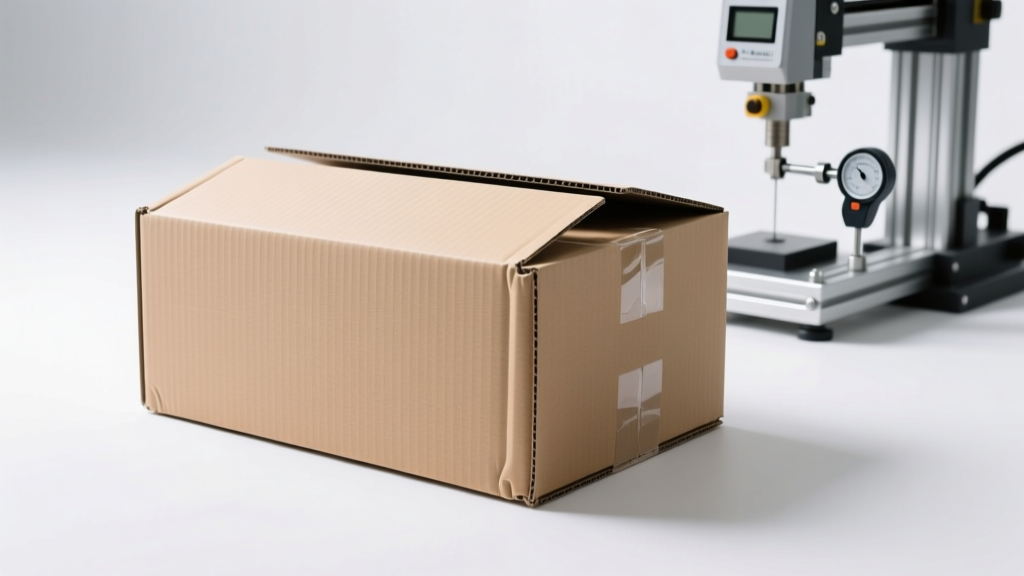
Types of Automatic Box Loading Machines
An automatic box loading machine is a vital component in modern packaging and logistics operations, designed to streamline the process of placing products into boxes with minimal human intervention. These machines are engineered to meet diverse industry requirements, varying in automation level, speed, and configuration to ensure optimal efficiency across manufacturing, warehousing, and distribution environments.
By automating repetitive tasks, these systems enhance throughput, reduce labor costs, minimize product damage, and improve workplace safety. Below is a detailed overview of the most common types of automatic box loading machines used across industries today.
Automatic Box Loading Machines
These fully automated systems handle the entire box loading process from product intake to final case closure, operating independently with high precision and speed.
Advantages
- High-speed operation (up to 20+ boxes per minute)
- Reduces dependency on manual labor
- Minimizes production bottlenecks
- Ideal for continuous, high-volume operations
Limitations
- Higher initial investment
- Requires dedicated floor space
- Needs regular maintenance for peak performance
Best for: Warehouses, distribution centers, large-scale manufacturing lines
Sealing and Packing Loaders
Integrated systems that not only load products into boxes but also seal and pack them, ensuring tamper-proof, shelf-ready packaging in a single workflow.
Advantages
- End-to-end packaging automation
- Enhances product safety and shelf life
- Creates tamper-evident seals
- Reduces need for secondary equipment
Limitations
- Less flexibility for non-standard box sizes
- Higher complexity increases maintenance needs
- May require product-specific adjustments
Best for: Food & beverage, pharmaceuticals, cosmetics, consumer goods
Horizontal Box Loaders
Designed to load products into boxes from a horizontal orientation, these machines are optimized for flat, elongated, or fragile items that benefit from gentle handling.
Advantages
- Reduces product damage during loading
- Ideal for delicate or irregularly shaped items
- Smooth, continuous feeding mechanism
- Suitable for integration with conveyor systems
Limitations
- Not suitable for vertical stacking applications
- Limited to specific product geometries
- May require custom tooling for different products
Best for: Textiles, electronics, machinery parts, automotive components
Filling and Loading Machines
Hybrid systems that fill loose or bulk products (powders, granules, liquids) directly into boxes before sealing and preparing them for shipment.
Advantages
- Precise filling control ensures consistent weight
- Minimizes material waste and overfilling
- Automates both filling and loading processes
- Supports integration with weighing and feedback systems
Limitations
- Requires cleaning between different product types
- Not suitable for pre-packed items
- Higher maintenance for filling mechanisms
Best for: Agriculture, chemicals, food processing, construction materials
Multi-Product Loaders
Highly adaptable machines capable of handling a wide variety of product types, sizes, and packaging formats within the same production line.
Advantages
- Exceptional versatility across product lines
- Reduces need for multiple dedicated machines
- Programmable settings for quick changeovers
- Ideal for facilities with frequent product rotation
Limitations
- Lower efficiency compared to specialized machines
- Requires downtime for reconfiguration
- More complex control systems increase training needs
Best for: Contract packaging, seasonal product lines, multi-category manufacturers
| Machine Type | Automation Level | Speed | Versatility | Best Industry Applications |
|---|---|---|---|---|
| Automatic Box Loading Machines | Full Automation | High (20+ boxes/min) | Moderate | Distribution, Manufacturing |
| Sealing and Packing Loaders | Integrated Automation | Medium to High | Moderate | Food & Beverage, Cosmetics |
| Horizontal Box Loaders | Semi to Full Automation | Medium | Low to Moderate | Textiles, Automotive, Electronics |
| Filling and Loading Machines | Hybrid Automation | Medium | Moderate | Agriculture, Chemicals, Food |
| Multi-Product Loaders | Programmable Automation | Variable | Very High | Contract Packaging, Diversified Production |
Expert Tip: When selecting an automatic box loading machine, consider not only current production needs but also future scalability. Machines with modular designs and programmable logic controllers (PLCs) offer greater adaptability as product lines evolve.
How to Choose the Right Automatic Box Loading Machine
Selecting the ideal automatic box loading machine is a critical decision for modern manufacturing, packaging, and distribution operations. The right machine enhances efficiency, reduces labor costs, minimizes product damage, and ensures consistent throughput. However, with a wide variety of models and configurations available, choosing the best fit requires careful evaluation of several key factors tailored to your operational needs.
1. Assess Your Production Requirements
The scale and nature of your production process should be the primary driver in selecting an automatic box loading machine. High-volume facilities—such as large-scale manufacturers, e-commerce fulfillment centers, or food and beverage processors—require high-speed systems capable of handling 20 or more boxes per minute. These machines often feature continuous motion technology and integrated buffering systems to maintain consistent output.
On the other hand, small to medium-sized businesses may benefit more from semi-automatic or mid-range automatic loaders that offer reliable performance without excessive complexity or cost. For companies handling multiple SKUs or varying product types, consider machines with quick-changeover capabilities and programmable logic controllers (PLCs) that allow seamless switching between different loading patterns.
Low-Volume Operations
Ideal for startups or niche producers. Look for compact, user-friendly models with manual loading assistance and moderate speeds (5–10 boxes/min). These systems offer a lower upfront investment and are easier to integrate into existing workflows.
High-Volume Production
Suitable for industrial-scale operations. Choose fully automatic, servo-driven machines with speeds exceeding 20 boxes per minute. These often include advanced sensors, reject mechanisms, and real-time monitoring for maximum uptime and precision.
2. Evaluate Box Types and Product Compatibility
The physical characteristics of the boxes and the products being packed are crucial to machine compatibility. Consider the following:
- Box Dimensions: Ensure the machine can accommodate the range of box sizes (length, width, height) used in your operation. Adjustable guides and programmable settings allow for flexibility across multiple box types.
- Material and Strength: Corrugated cardboard, rigid boxes, or reusable containers each have different handling requirements. The machine should provide gentle yet firm handling to prevent crushing or misalignment.
- Product Characteristics: Weight, fragility, and orientation (e.g., upright vs. horizontal) affect loading mechanisms. Machines with soft-touch grippers, vacuum systems, or pusher arms can be selected based on product sensitivity.
Some advanced systems offer vision-guided loading or weight verification to ensure correct product placement and prevent errors.
3. Integration and Automation Capabilities
A standalone box loader is rarely sufficient in modern production environments. The machine must seamlessly integrate with upstream and downstream processes such as conveyors, case erectors, labelers, and palletizers.
Key integration features to look for include:
Machines with built-in HMI (Human-Machine Interface) panels simplify operation and troubleshooting, reducing training time and downtime.
4. Space and Budget Constraints
Physical space and financial limitations are practical considerations that can significantly influence your decision.
Space Efficiency
In facilities with limited floor space, compact, vertical, or inline loading systems are preferable. Some machines are designed to fit within existing conveyor lines, minimizing footprint. Consider foldable or mobile units if space is highly constrained.
Budget and ROI
While initial cost is important, focus on long-term return on investment (ROI). A higher-priced machine with superior durability, energy efficiency, and lower maintenance may save thousands over its lifespan. Calculate potential savings from reduced labor, fewer errors, faster changeovers, and improved throughput.
Many suppliers offer leasing options, modular upgrades, or phased implementation to ease financial burden while still delivering automation benefits.
| Selection Factor | Critical Questions | Recommended Solution |
|---|---|---|
| Production Volume | How many boxes need to be loaded per hour? | <500/hr: Semi-auto; 500–1500/hr: Mid-range auto; >1500/hr: High-speed servo system |
| Box Variability | Do you use multiple box sizes or types? | Choose a machine with quick-adjust tooling or servo-controlled settings |
| Integration Needs | Is it part of a larger packaging line? | Select a model with standard I/O interfaces and conveyor synchronization |
| Available Space | What are the floor space and height limitations? | Opt for compact, inline, or L-shaped configurations |
Important: Always conduct a site assessment and consult with automation specialists before purchasing. Request live demonstrations using your actual products and packaging to verify performance. Poorly matched equipment can lead to bottlenecks, product damage, and increased operational costs. Investing time in proper selection ensures long-term reliability, scalability, and maximum efficiency.
Industrial Applications of Automatic Box Loading Machines
Automatic box loading machines have become a cornerstone of modern industrial automation, transforming packaging lines across diverse sectors. By integrating robotics, sensors, and precision control systems, these machines deliver unmatched speed, consistency, and scalability. Their deployment significantly reduces labor costs, minimizes human error, and ensures compliance with safety and hygiene standards—making them essential in industries where efficiency, accuracy, and throughput are mission-critical.
Manufacturing
In manufacturing environments—especially in electronics, automotive, and heavy machinery—automatic box loading machines streamline end-of-line packaging by handling delicate or bulky products with precision. These machines are engineered to accommodate high-volume output while protecting sensitive components from impact, vibration, and electrostatic discharge during packaging.
- Handle fragile electronics such as circuit boards, smartphones, and laptops using soft-grip robotics and anti-static conveyors
- Integrate seamlessly with existing assembly lines for continuous, uninterrupted production flow
- Reduce manual labor needs by up to 70%, lowering operational costs and minimizing workplace injuries
- Support customizable configurations for different box sizes, product orientations, and stacking patterns
Key benefit: Ensures product integrity and accelerates time-to-market for finished goods
Food and Beverage
The food and beverage industry relies on automatic box loaders to maintain hygiene, ensure product freshness, and meet strict regulatory standards. These machines are constructed from stainless steel and feature washdown designs that resist corrosion and bacterial growth, making them ideal for environments requiring frequent sanitation.
- Automatically load bottles, cans, pouches, and trays into corrugated boxes or shrink-wrapped bundles
- Integrate with sealing, labeling, and date-coding systems for end-to-end packaging automation
- Eliminate direct human contact with consumables, reducing contamination risks and improving food safety (HACCP/FSMA compliance)
- Operate efficiently in cold storage or high-humidity environments common in dairy and frozen food facilities
Pro tip: Choose IP65-rated or higher machines for wet processing zones
Pharmaceuticals & Healthcare
Precision and traceability are paramount in pharmaceutical packaging. Automatic box loading machines provide consistent, error-free handling of medications, vials, syringes, blister packs, and diagnostic kits—critical for maintaining compliance with FDA, GMP, and serialization requirements.
- Ensure accurate counting and placement of small, high-value items to prevent costly overfills or underfills
- Support serialization and aggregation by syncing with vision systems and barcode scanners
- Handle temperature-sensitive products with climate-controlled loading zones
- Minimize product damage and maintain sterility through gentle, programmable motion control
Critical advantage: Reduces risk of recalls due to packaging errors or contamination
E-Commerce & Distribution
With the explosive growth of online retail, distribution centers face unprecedented demands for speed and accuracy. Automatic box loading machines enable rapid fulfillment by sorting, boxing, and preparing thousands of SKUs daily—especially vital during peak seasons like holidays or flash sales.
- Integrate with warehouse management systems (WMS) and order-picking robots for real-time dispatch coordination
- Support mixed-SKU loading for subscription boxes, gift sets, or customized orders
- Optimize space utilization through intelligent box-sizing algorithms that reduce void fill and shipping costs
- Scale easily to handle fluctuating order volumes without additional staffing
Smart insight: ROI is often achieved within 12–18 months due to labor savings and reduced shipping waste
Expert Recommendation: When selecting an automatic box loading machine, prioritize flexibility and integration capability. Machines with modular designs and open communication protocols (e.g., EtherNet/IP, Modbus) can adapt to future production changes and connect seamlessly with other automation systems. For industries like pharma and food, validate that the machine meets industry-specific certifications (e.g., 3-A, FDA, CE) before deployment.
| Industry | Primary Use Case | Key Performance Metrics | Automation Benefits |
|---|---|---|---|
| Manufacturing | High-speed packing of electronics and machinery parts | Up to 120 boxes/min, ±1mm placement accuracy | Labor reduction, damage prevention, throughput scalability |
| Food & Beverage | Hygienic packaging of perishables and beverages | Washdown compliance, 99.9% uptime, integrated sealing | Contamination control, regulatory compliance, line efficiency |
| Pharmaceuticals | Precise loading of vials, blister packs, and medical devices | Zero error rate, full traceability, GMP compliance | Quality assurance, recall prevention, audit readiness |
| E-Commerce | Order fulfillment and mixed-SKU boxing | 50–80 orders/min, dynamic box sizing, WMS integration | Faster shipping, lower logistics costs, peak season readiness |
Additional Considerations for Implementation
- Integration with Existing Lines: Ensure compatibility with upstream (conveyors, sorters) and downstream (sealers, palletizers) equipment via standard I/O or industrial networks
- Maintenance & Downtime: Opt for machines with predictive maintenance alerts and remote diagnostics to maximize uptime
- Changeover Speed: Quick-change tooling and recipe-based settings reduce setup time for different products
- Sustainability: Machines that minimize box waste and support right-sized packaging contribute to eco-friendly operations
- Scalability: Modular systems allow incremental expansion as production needs grow
Frequently Asked Questions: Automatic Box Loading Machines
Automatic box loading machines are revolutionizing packaging operations across industries by replacing manual labor with precision automation. This comprehensive Q&A guide answers the most common questions about these systems, helping businesses understand their functionality, benefits, and applications in modern production environments.
Did You Know? Automated packaging systems can increase throughput by up to 300% compared to manual loading, while reducing product damage and labor-related errors.
Q. What is an automatic box loading machine?
A: An automatic box loading machine is an industrial system designed to streamline the packaging process by automatically placing products into boxes or containers. These machines use advanced mechanisms such as robotic arms, conveyor systems, vacuum pick-and-place units, or pusher systems to accurately and consistently load items at high speeds. Depending on the configuration, they can handle everything from small consumer goods to large industrial components, integrating seamlessly with upstream and downstream processes like labeling, sealing, and palletizing.
Q. What are the main benefits of using an automatic box loading machine?
A: Implementing an automatic box loading machine offers several strategic advantages:
- Increased Efficiency: Machines operate continuously without fatigue, significantly boosting packaging line throughput.
- Reduced Labor Costs: Automation minimizes the need for manual labor in repetitive, physically demanding tasks.
- Improved Precision and Consistency: Every box is loaded uniformly, reducing errors and ensuring product safety.
- Higher Throughput: Capable of handling thousands of units per hour, ideal for high-volume production environments.
- Enhanced Workplace Safety: Reduces worker exposure to repetitive strain injuries and hazardous packaging conditions.
- Scalability: Easily integrated into existing lines and adaptable to growing production demands.
Consideration: While the initial investment may be significant, the long-term return on investment (ROI) is often achieved within 1–3 years due to labor savings, reduced waste, and increased output.
Q. How do these machines impact labor requirements?
A: Automatic box loading machines dramatically reduce the need for manual labor in the packaging process. Instead of multiple workers loading boxes by hand, a single operator can monitor and maintain the automated system. This shift allows personnel to be redeployed to higher-value roles such as quality control, machine supervision, maintenance, or logistics coordination. Furthermore, automation supports workforce sustainability by minimizing turnover associated with monotonous or physically taxing jobs, aligning with modern industrial trends toward smart manufacturing and Industry 4.0 practices.
Q. What industries benefit most from automatic box loading machines?
A: These machines are particularly valuable in industries where speed, accuracy, hygiene, and volume are critical. Key sectors include:
- Manufacturing: For packaging electronics, automotive parts, and consumer durables.
- Food and Beverage: Ensures fast, sanitary loading of packaged goods while complying with food safety standards.
- Pharmaceuticals: Provides precise, contamination-free handling of sensitive medical products and medications.
- E-commerce and Distribution: Handles high volumes of diverse SKUs for rapid order fulfillment and shipping.
- Consumer Goods: Efficiently packages household items, cosmetics, and personal care products.
These industries benefit not only from increased speed but also from improved traceability, reduced product damage, and better compliance with regulatory standards.
Q. Do these machines handle different box sizes?
A: Yes, most modern automatic box loading machines are designed with flexibility and adaptability in mind. Many models feature:
- Adjustable Guides and Conveyors: To accommodate various box dimensions.
- Programmable Settings: Quick changeovers between different product and box configurations via touchscreen interfaces.
- Servo-Driven Components: Enable precise adjustments for height, width, and length.
- Modular Design: Allows integration of additional tooling for different packaging formats.
This versatility makes them suitable for facilities that process multiple product lines or seasonal variations, reducing downtime and increasing operational agility.
| Feature | Manual Loading | Automatic Loading | Advantage of Automation |
|---|---|---|---|
| Throughput (units/hour) | 300–600 | 1,000–5,000+ | Up to 800% increase in speed |
| Labor Requirement | 2–5 workers per line | 1 operator per system | 60–80% reduction in labor cost |
| Packaging Accuracy | Moderate (human error) | High (±1mm precision) | Near-zero misloads or damage |
| Changeover Time | 10–30 minutes | 2–10 minutes (programmable) | Faster product transitions |
| Operational Uptime | ~80% (breaks, fatigue) | ~95% (with maintenance) | Improved line efficiency |
Expert Tip: When selecting an automatic box loading machine, consider future scalability and integration capabilities. Opt for systems with IoT connectivity for real-time performance monitoring, predictive maintenance alerts, and seamless data exchange with your warehouse management system (WMS) or ERP platform.
Additional Considerations for Implementation
- Evaluate your current packaging workflow to identify bottlenecks before automation.
- Ensure proper training for operators and maintenance staff.
- Factor in space requirements and facility layout when planning installation.
- Work with suppliers who offer technical support and service agreements.
- Assess energy consumption and environmental impact of new equipment.
By understanding the capabilities and benefits of automatic box loading machines, businesses can make informed decisions that enhance productivity, improve product quality, and remain competitive in today’s fast-paced market.