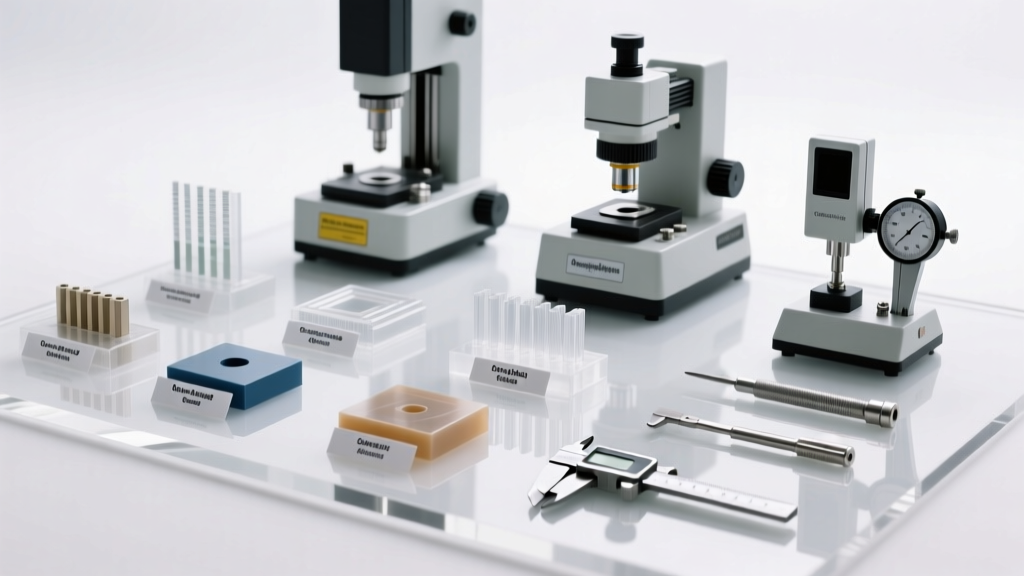
Types of Analog Force Meters
An analog force meter is a mechanical device used to measure the magnitude of applied force in various directions. Unlike digital counterparts, analog force meters use a spring mechanism and dial gauge to provide real-time readings. These instruments are widely used in engineering, quality control, material testing, and maintenance due to their reliability, durability, and ease of use without power requirements.
Depending on the nature of the load and application, analog force meters are categorized into four primary types—each designed to measure a specific kind of force. Understanding these types helps ensure accurate testing, structural integrity, and product safety.
Compression Force Meters
Designed to measure compressive forces that push or squeeze materials together.
Advantages
- High accuracy in measuring downward or axial pressure
- Essential for material strength verification
- Durable construction for repeated testing
- Widely used in industrial quality assurance
Limited To
- Compression-only applications
- Requires proper alignment to avoid skewed readings
- Not suitable for dynamic or tensile loads
Best for: Concrete testing, spring evaluation, material compression analysis, and structural integrity checks
Tension Force Meters
Engineered to measure tensile (pulling) forces that stretch or elongate materials.
Advantages
- Precise measurement of pulling forces
- Crucial for safety testing of cables and ropes
- Helps determine ultimate tensile strength (UTS)
- Used in failure analysis and load capacity verification
Limited To
- Requires secure attachment points
- Overloading can damage internal mechanisms
- Less effective for side or shear loads
Best for: Rope and cable testing, material elongation studies, structural maintenance, and tensile strength evaluation
Bending Force Meters
Used to assess the force required to bend or flex materials, determining their flexural strength and ductility.
Advantages
- Measures resistance to deformation under bending stress
- Provides insight into material rigidity and flexibility
- Essential for product design and safety validation
- Helps in compliance with industry standards (e.g., ASTM D790)
Limited To
- Narrow application scope (specific to bending)
- Sensitive to support span and loading rate
- May require specialized fixtures
Best for: Testing plastics, composites, beams, and automotive components subjected to flexing forces
Shear Force Meters
Measure forces acting parallel to the surface of a material, simulating lateral or sliding stress.
Advantages
- Identifies shear strength and failure points
- Critical for joint, bolt, and adhesive testing
- Ensures structural safety in layered materials
- Used in aerospace, automotive, and civil engineering
Limited To
- Requires precise alignment to avoid bending interference
- Specialized setups often needed
- Less common in general-purpose force testing
Best for: Evaluating fasteners, bonded joints, laminates, and materials under lateral stress
| Type | Force Direction | Primary Applications | Key Industries | Durability |
|---|---|---|---|---|
| Compression | Pushing / Squeezing | Material strength, spring testing, concrete evaluation | Construction, Manufacturing, QA | High |
| Tension | Pulling / Stretching | Cable testing, tensile strength, load verification | Marine, Aerospace, Structural Engineering | High |
| Bending | Flexing / Curving | Flexural strength, ductility, product design validation | Automotive, Plastics, R&D | Moderate to High |
| Shear | Sliding / Parallel | Joint integrity, bolt strength, adhesive performance | Aerospace, Civil Engineering, Manufacturing | Moderate |
Expert Tip: Always calibrate your analog force meter regularly and ensure it's used within its specified range to maintain accuracy and extend its service life. Avoid sudden jerks or overloads, as they can permanently damage the internal spring mechanism.
Choosing the right type of analog force meter depends on the specific force being measured and the material's expected behavior under load. Whether for quality control, research, or maintenance, selecting the appropriate meter ensures reliable data and enhances safety in engineering and manufacturing environments.
Material & Durability of Analog Force Meters
Analog force meters are essential tools in mechanical testing, quality control, and engineering applications where precise measurement of tensile, compressive, or shear forces is required. Their reliability and accuracy over time depend heavily on the materials used in construction and their ability to withstand both mechanical stress and environmental challenges. Selecting the right material ensures long-term performance, especially in demanding industrial environments.
Construction Materials and Mechanical Durability
The durability of an analog force meter is directly tied to the quality and strength of its constituent materials. Since these instruments often measure forces across dual or multiple ranges—using a probe and gauge system—they must endure repeated stress cycles without mechanical failure or calibration drift. High-quality materials resist deformation, fatigue, and wear, preserving measurement accuracy and extending service life.
Standard Commercial & Light Industrial Meters
For general-purpose applications such as packaging tests, small-scale assembly line checks, or educational use, analog force meters are typically constructed from lightweight aluminum alloys and medium-grade alloy steels. These materials offer a favorable balance of strength, cost-efficiency, and machinability.
Aluminum housings reduce overall weight, improving portability and ease of handling. However, they may be more susceptible to scratches, dents, and corrosion if not properly coated. Alloy steel components—such as load pins and internal springs—provide sufficient resilience for forces up to moderate thresholds (typically under 500 lbf).
Heavy-Duty & Precision Engineering Meters
In critical applications such as aerospace testing, structural integrity assessments, or heavy manufacturing, analog force meters are built from high-performance materials like stainless steel and tungsten carbide. Stainless steel offers excellent tensile strength, corrosion resistance, and thermal stability, making it ideal for environments with fluctuating temperatures or exposure to moisture.
Tungsten carbide, known for its extreme hardness and wear resistance, is often used in contact points and probe tips where abrasion resistance is crucial. These premium materials ensure minimal deflection under load and long-term dimensional stability, which is vital for maintaining calibration accuracy over thousands of test cycles.
Advanced Multi-Axis Force Meters
For specialized instruments like 3-axis force meters used in biomechanics, robotics, or R&D labs, material selection becomes even more complex. These devices require not only structural rigidity but also precise isolation of forces along different axes. As such, they often incorporate engineering-grade thermoplastics (e.g., PEEK or polycarbonate) that offer high impact resistance and low thermal expansion.
In addition, low-friction materials such as PTFE (Teflon) or ceramic coatings are applied at contact interfaces between the probe and metering head to minimize stiction and hysteresis, ensuring smooth movement and repeatable readings. These design choices enhance sensitivity and reduce signal noise in precision measurement scenarios.
Material Cost vs. Performance Trade-offs
There is a clear correlation between material cost and long-term performance. While budget-friendly aluminum-based meters are suitable for intermittent or low-stress use, they may require more frequent recalibration and are less resilient in harsh conditions.
Conversely, stainless steel and composite-built meters represent a higher initial investment but deliver superior longevity, accuracy, and resistance to environmental and mechanical degradation. For mission-critical operations, the increased upfront cost is often justified by reduced downtime, fewer replacements, and compliance with industry standards such as ISO 9001 or ASTM E4.
Environmental Resistance and Protective Features
Beyond mechanical strength, analog force meters must also resist environmental factors that can compromise functionality and lifespan. Exposure to humidity, dust, chemicals, and temperature extremes can lead to internal corrosion, lubricant breakdown, or electronic interference—even in analog systems with mechanical gauges.
| Material / Feature | Typical Applications | Key Benefits | Limits & Considerations |
|---|---|---|---|
| Aluminum Alloys | Commercial, education, light testing | Lightweight, cost-effective, easy to machine | Lower strength; prone to corrosion without coating |
| Alloy Steel | General industrial use | Good strength-to-cost ratio, durable | May rust if uncoated; heavier than aluminum |
| Stainless Steel | Aerospace, marine, food processing | Excellent corrosion resistance, high strength | Higher cost; more difficult to machine |
| Tungsten Carbide | Precision probes, high-wear zones | Extreme hardness, wear-resistant | Brittle under impact; very high cost |
| Engineering Plastics (PEEK, Polycarbonate) | 3-axis meters, medical devices | Lightweight, electrically insulating, low friction | Limited load capacity; sensitive to solvents |
Important: Always match the material specifications of your analog force meter to the operational environment and expected load conditions. Using a light-duty aluminum meter in a high-moisture or high-load setting can lead to premature failure and inaccurate measurements. Regular inspection, proper storage, and adherence to manufacturer guidelines for cleaning and maintenance will maximize durability and ensure consistent performance across its service life.
How to Choose an Analog Force Meter
Selecting the right analog force meter is essential for ensuring accurate, reliable, and safe force measurements across various industrial, engineering, and laboratory applications. Unlike digital models, analog force meters offer mechanical simplicity, durability, and ease of use in environments where electronic interference or power availability may be a concern. This guide outlines the key factors to consider when choosing the best analog force meter for your specific needs.
Purpose and Application
Understanding the intended use of the force meter is the first and most critical step in selection. Different types of analog force meters are designed for specific force types and materials, making application compatibility essential for valid results.
- Compression force meters are ideal for testing structural components, springs, and materials under compressive loads, commonly used in quality control and material testing labs.
- Tension force meters measure pulling forces and are frequently used for cables, ropes, chains, and fasteners in construction, rigging, and manufacturing.
- Bending force meters assess the flexural strength of beams, rods, and other structural elements, often used in civil engineering and product development.
- Shear force meters evaluate lateral stress resistance in joints, welds, and adhesives, crucial in aerospace and automotive testing.
Key consideration: Match the meter type to the force direction and material being tested to avoid measurement errors or equipment damage.
Measurement Range
The measurement range defines the minimum and maximum force values the meter can accurately measure. Selecting a meter with an appropriate range ensures precision and protects the instrument from overload.
- Choose a meter whose range covers the expected force values, ideally operating between 20% and 80% of full scale for optimal accuracy.
- Using a meter beyond its maximum capacity can permanently damage the spring mechanism or pointer system.
- Too narrow a range limits versatility, while too broad a range reduces resolution and sensitivity at lower forces.
- For variable applications, consider multi-range models or a set of meters covering different force levels.
Pro tip: Always include a safety margin��select a meter with a maximum capacity 25–50% above your highest expected load.
Accuracy and Resolution
While analog meters are generally less precise than digital ones, high-quality models still offer dependable accuracy for most mechanical testing tasks. The design of the scale, pointer, and internal mechanism significantly impacts performance.
- Look for fine scale divisions (e.g., 0.1 N or 0.2 lb increments) to improve reading precision.
- Meters with vernier scales allow for interpolated readings, enhancing resolution beyond the main scale markings.
- Parallax errors can occur if the pointer is not viewed directly from the front—opt for models with mirrored scales or anti-parallax glass for improved accuracy.
- High-quality springs and bearings reduce hysteresis and ensure consistent return to zero.
Technical note: Accuracy is typically expressed as a percentage of full scale (e.g., ±2%), so higher-end models offer tighter tolerances.
Units of Measurement
Ensure the force meter displays units compatible with your industry standards, documentation, and team familiarity. Dual-scale models provide flexibility and reduce conversion errors.
- Most analog force meters display both newtons (N) and pounds-force (lbf), making them suitable for international or mixed-unit environments.
- Some specialized models may include kilogram-force (kgf) or ounce-force (ozf) for specific applications like packaging or small component testing.
- Dual-scale dials should be clearly labeled and easy to read, with color-coding or separate concentric rings to avoid confusion.
- For compliance with ISO or ASTM standards, verify that the units align with required test specifications.
Smart choice: Opt for dual-unit meters in multi-department or global operations to streamline communication and reporting.
Portability and Durability
The physical environment and mobility requirements play a major role in selecting the right analog force meter, especially for fieldwork or production floor use.
- Portable models should be lightweight, compact, and equipped with handles or mounting options for handheld or fixture-based use.
- Rugged housings made of aluminum or reinforced plastic protect internal mechanisms from drops, vibrations, and rough handling.
- Shock-absorbing features and sealed mechanisms help maintain calibration in demanding industrial settings.
- For on-site inspections, consider meters with built-in hooks, adapters, or threaded connections for quick attachment to test samples.
Critical factor: Balance portability with stability—smaller meters may sacrifice accuracy under dynamic loading conditions.
Temperature Resistance
Environmental conditions, especially temperature extremes, can affect the mechanical properties of springs and materials within the force meter.
- High temperatures can soften spring metals, leading to permanent deformation and calibration drift.
- Low temperatures may increase material brittleness and reduce responsiveness.
- Select meters designed for extended temperature ranges (e.g., -10°C to +60°C or wider) when working in harsh environments.
- Look for models with temperature-compensated springs or those tested under thermal cycling for consistent performance.
- Avoid exposing the meter to direct sunlight, steam, or freezing conditions for prolonged periods.
Warning: Operating outside the specified temperature range can void warranties and compromise measurement validity.
Budget and Value Considerations
Analog force meters vary widely in price based on build quality, accuracy, range, and brand reputation. Understanding the balance between cost and performance helps make informed purchasing decisions.
- Economy models are suitable for light-duty, infrequent use in educational or small workshop settings.
- Mid-range meters offer better durability, finer resolution, and longer calibration life—ideal for routine quality checks.
- Premium models feature precision engineering, corrosion-resistant materials, and traceable calibration certificates for regulated industries.
- Consider long-term costs: cheaper meters may require frequent recalibration or replacement, increasing total ownership cost.
Professional insight: Invest in higher-tier meters for critical applications where accuracy and reliability directly impact safety or compliance.
Additional Features and Accessories
Beyond core functionality, certain features enhance usability, safety, and integration into existing workflows.
- Peak hold mechanism captures maximum force in dynamic tests, useful for impact or burst strength measurements.
- Mounting threads or bases allow secure attachment to test stands or fixtures for repeatable positioning.
- Calibration certificates (NIST-traceable) are essential for ISO-compliant labs and audit-ready documentation.
- Interchangeable probes or attachments expand versatility across different sample types.
- Durable carrying cases protect the meter during transport and storage.
Time-saving tip: Choose a model with included accessories (hooks, adapters, case) to reduce additional procurement needs.
Professional Recommendation: For most industrial and field applications, select a mid-to-high-tier analog force meter with a well-matched measurement range, dual-unit scale, and rugged construction. Prioritize models from reputable manufacturers that provide calibration documentation and customer support. While analog meters lack data logging capabilities, their mechanical reliability and resistance to electromagnetic interference make them indispensable in many real-world testing scenarios.
| Application Type | Recommended Force Meter Type | Typical Range | Key Features Needed |
|---|---|---|---|
| Material compression testing | Compression force meter | 50–500 N | Vernier scale, base mount, peak hold |
| Cable or rope tension | Tension force meter | 100–2000 N | Dual units, shockproof housing, hook attachment |
| Structural beam bending | Bending force meter | 200–1000 N | High accuracy, temperature compensation |
| Adhesive or weld shear testing | Shear force meter | 50–300 N | Fine resolution, parallax-free dial, calibration cert |
Final Selection Checklist
- ✓ Application Match: Confirmed force type (tension, compression, etc.) and material compatibility
- ✓ Range Suitability: Meter range covers expected forces with safety margin
- ✓ Accuracy Requirements: Scale resolution and accuracy meet test standards
- ✓ Unit Compatibility: Displays required units (N, lbf, etc.), preferably dual-scale
- ✓ Environmental Suitability: Rated for operating temperature and physical conditions
- ✓ Portability Needs: Size, weight, and durability match usage environment
- ✓ Budget Alignment: Balances initial cost with long-term reliability and support
- ✓ Calibration Support: Manufacturer offers recalibration services and documentation
Commercial Uses of Analog Force Meters: Precision in Industrial Applications
Analog force meters are essential tools across multiple industries, providing reliable and accurate measurements of tension, compression, and shear forces. Their mechanical design offers durability and ease of use in environments where digital systems may be impractical or too fragile. These instruments play a critical role in ensuring product safety, structural integrity, and compliance with industry standards. Below is a detailed exploration of how analog force meters are utilized in key commercial sectors.
Safety Note: Always ensure that analog force meters are properly calibrated and used within their specified load range. Overloading can damage the instrument and compromise measurement accuracy, potentially leading to unsafe conditions in testing and production environments.
Key Commercial Applications of Analog Force Meters
- Construction Industry
Analog force meters are indispensable in assessing the structural integrity of buildings, bridges, towers, and other civil engineering projects. Engineers use them to measure the tension in cables, compression in support beams, and shear forces at critical joints. These measurements help determine whether construction materials—such as steel, concrete, or composite elements—can withstand real-world loads including wind, seismic activity, and live/dead loads.
This data is vital for preventing both over-engineering (which increases costs unnecessarily) and under-engineering (which compromises safety). Force meters also support compliance with building codes and safety regulations, ensuring long-term durability and occupant safety in dynamic urban environments.
- Aerospace Engineering
In aerospace, precision is non-negotiable. Analog force meters are used during the testing phase of aircraft components such as wings, fuselages, landing gear, and control surfaces. By applying controlled stress and measuring the resulting forces, engineers evaluate material behavior under extreme conditions like high altitude pressure, turbulence, and thermal expansion.
These tests are critical for predicting performance under full operational load and determining maximum takeoff weight, fuel efficiency, and overall flight safety. Without accurate force data, aircraft certification would be impossible, and safety margins could be dangerously underestimated. Analog meters are often preferred in lab and field settings due to their resistance to electromagnetic interference and lack of dependency on power sources.
- Automotive Industry
Force meters play a central role in automotive safety testing, particularly in brake system evaluation. On brake test stands, analog force meters measure the clamping force generated by calipers, pedal effort, and stopping power under various conditions. This enables manufacturers to assess brake pad wear, system responsiveness, and thermal performance during repeated use.
Accurate force measurement ensures vehicles meet stringent regulatory standards such as FMVSS (Federal Motor Vehicle Safety Standards) and ECE regulations. Early detection of inconsistencies or weaknesses in braking systems helps prevent recalls, enhances consumer trust, and ultimately saves lives by reducing the risk of brake failure in real-world driving scenarios.
- Manufacturing & Quality Control
In manufacturing, analog force meters are widely used for quality assurance in the production of fasteners, springs, connectors, and assembled components. They verify that parts meet mechanical tolerance specifications—not just in dimensions, but in functional performance such as tensile strength, yield point, and load-bearing capacity.
For example, a bolt must not only fit a hole but also withstand a specific torque and tension without failing. Force meters detect substandard materials or flawed production processes before defective parts reach assembly lines or end users. This proactive testing significantly reduces the risk of product recalls, equipment failure, and workplace accidents, especially in high-stakes industries like medical devices, heavy machinery, and consumer electronics.
| Industry | Primary Use of Force Meter | Measured Force Type | Safety/Compliance Standard |
|---|---|---|---|
| Construction | Structural load testing, cable tensioning | Tension, Compression, Shear | OSHA, ISO 7500-1, ASTM E4 |
| Aerospace | Component stress testing, wing flex analysis | Tension, Bending, Fatigue | FAR Part 25, MIL-STD-810, AS9100 |
| Automotive | Brake system performance, pedal force analysis | Compression, Frictional Force | FMVSS 135, ISO 26867, ECE R13 |
| Manufacturing | Fastener testing, spring calibration, assembly verification | Tensile, Compression, Torque (indirect) | ISO 9001, IATF 16949, DIN 51221 |
Pro Tip: For optimal accuracy, perform regular calibration of analog force meters using certified weights or traceable load cells. Store the device in a protective case when not in use to prevent mechanical shock or environmental damage that could affect spring mechanism integrity.
Additional Benefits and Best Practices
- Durability: Analog force meters have no electronic components, making them ideal for harsh environments with dust, moisture, or electromagnetic interference.
- Immediate Readability: The dial face allows for quick visual assessment without requiring batteries or digital displays.
- Cost-Effective: Lower maintenance and replacement costs compared to digital alternatives, especially in high-use settings.
- Training Tool: Often used in technical education and apprenticeship programs to teach fundamental principles of force and material science.
- Integration: Can be mounted with fixtures or used handheld, offering flexibility across lab, factory floor, and field applications.
Analog force meters remain a cornerstone of industrial measurement despite advances in digital technology. Their simplicity, reliability, and precision make them a trusted choice for engineers and technicians who demand consistent performance under real-world conditions. Whether ensuring the safety of a skyscraper or verifying the reliability of a car’s brakes, these tools continue to play a vital role in maintaining quality, safety, and regulatory compliance across global industries.
Frequently Asked Questions About Analog Force Meters
Q1: What is the importance of zeroing an analog force meter?Zeroing an analog force meter is a critical first step in ensuring accurate and reliable measurements. This process involves placing the force meter on a stable surface with no load applied and adjusting the pointer or dial to align with the zero mark on the scale.
Why is this important?
- Eliminates Offset Errors: Over time or due to transportation, the internal spring mechanism may shift slightly, causing the needle to rest off-zero. Zeroing corrects this baseline error.
- Ensures Measurement Accuracy: Without proper zeroing, all subsequent readings will be offset by the same margin, leading to consistently inaccurate results.
- Environmental Compensation: Temperature changes or mechanical stress can affect the instrument’s resting state. Zeroing just before use accounts for these transient factors.
- Standardization: In laboratory or industrial settings, zeroing is part of standardized operating procedures to maintain consistency across multiple tests and users.
Always perform zeroing in the same orientation (e.g., vertical or horizontal) as the actual measurement to account for gravitational effects on internal components.
Q2: Can force meters be used outside?Yes, force meters can be used outdoors, but their suitability depends heavily on the type of meter and environmental conditions. While both analog and digital models are available, each has different strengths and limitations in external environments.
Key considerations include:
- Digital vs. Analog: Digital force meters typically offer better precision, data logging, and resistance to parallax errors. Many are built with IP-rated enclosures for dust and moisture protection, making them more suitable for harsh outdoor use.
- Temperature Sensitivity: Analog force meters use mechanical springs and gauges that can expand or contract with temperature fluctuations, potentially affecting accuracy. Extreme cold or heat may cause temporary drift or permanent damage.
- Humidity and Moisture: Prolonged exposure to rain or high humidity can lead to corrosion of internal components or rusting of load cells in analog models, especially if not properly sealed.
- Shock and Vibration: Outdoor environments often involve uneven surfaces or movement, which can impact the stability of readings. Analog meters lack damping features found in advanced digital systems.
For reliable outdoor use, consider using weather-resistant digital force meters or protecting analog units with covers and operating them under controlled conditions when possible.
Q3: Is an analog force meter really needed?While digital technology has advanced significantly, analog force meters still hold value in many practical, educational, and industrial applications. Their continued relevance stems from several key advantages:
- Cost-Effectiveness: Analog meters are generally more affordable than digital counterparts, making them accessible for schools, startups, or budget-conscious operations.
- Simplicity and Durability: With no batteries or electronic components, they are less prone to failure from power loss, software glitches, or electromagnetic interference.
- Educational Use: Widely used in science classrooms and training labs to teach fundamental principles of force, tension, compression, and measurement techniques without relying on complex interfaces.
- Field Verification: Technicians often use analog meters as secondary tools to cross-check readings from digital systems, providing a quick, independent validation method.
- Backup Reliability: In remote locations or emergency situations where power or digital devices may fail, analog force meters serve as dependable backup instruments.
Though not ideal for high-precision or automated tasks, analog force meters remain a practical, robust option for basic force measurement needs across various industries including manufacturing, construction, and quality control.
Q4: What are peak hold and other features of analog force meters?While analog force meters are mechanically simpler than digital models, some advanced versions include useful features like peak hold and damping mechanisms to enhance functionality.
Peak Hold (or Max Reading Indicator):
This feature allows the meter to capture and retain the highest force value applied during a test, even after the load is removed. It’s particularly valuable in dynamic testing scenarios such as:
- Impact or shock load testing (e.g., drop tests)
- Material stress analysis where peak force occurs momentarily
- Quality checks on springs, cables, or fasteners under sudden tension
In analog models, peak hold is often achieved through a mechanical follower needle or spring-loaded indicator that remains at the maximum deflection until manually reset.
Average Force Measurement:
Unlike digital systems that calculate averages electronically, true "average force" measurement is rare in purely analog meters. However, some users estimate average force by observing needle movement over time and taking visual approximations. For precise averaging, digital data-logging force gauges are recommended.
Other Common Analog Features:
- Damping Fluid: Some analog meters are filled with oil or glycerin to reduce needle oscillation, providing smoother and more stable readings.
- Directional Scales: Dual-scale dials (e.g., pounds and newtons) or reversible tension/compression indicators increase versatility.
- Mechanical Locks: Protect the internal mechanism during transport by preventing unintended needle movement.
While limited compared to digital capabilities, these features make certain analog force meters surprisingly functional for fieldwork and routine inspections.