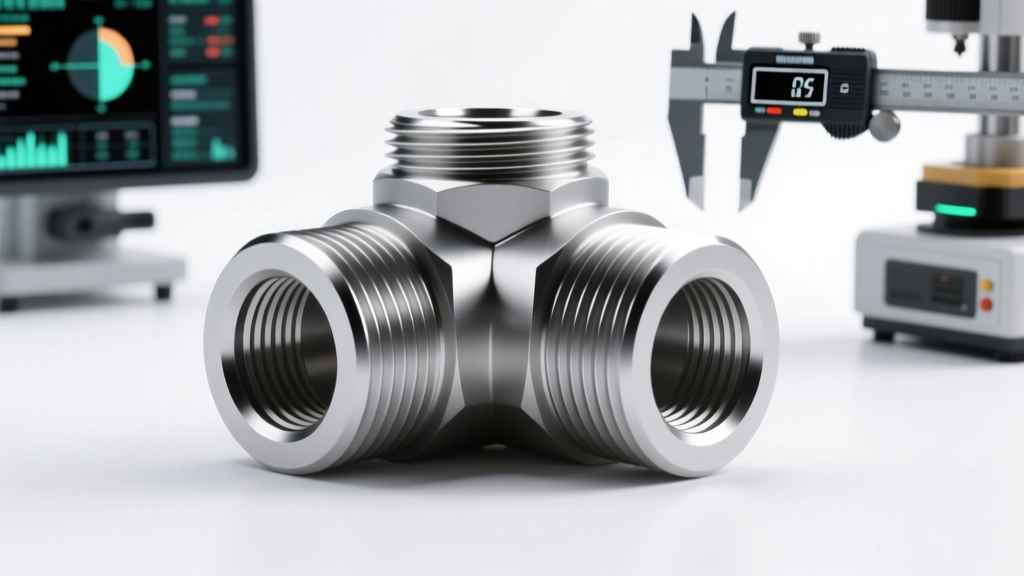
Types of AC Washer Pumps
An AC washer pump (also known as an air conditioning condensate pump) is a vital component in HVAC systems that efficiently removes excess moisture and condensate from air conditioning units. These pumps ensure proper drainage, prevent water damage, and maintain system efficiency. Selecting the right type of pump depends on system size, fluid characteristics, and operational requirements.
Centrifugal Pumps
Centrifugal AC washer pumps are widely used in large-scale commercial and industrial HVAC systems. They utilize a rotating impeller to increase the kinetic energy of the fluid, creating centrifugal force that pushes the condensate outward and through the discharge pipe.
Advantages
- High flow rate capability
- Efficient for large-volume applications
- Relatively quiet operation
- Simple design with fewer moving parts
Limitations
- Less effective with viscous or debris-laden fluids
- Sensitive to cavitation if not primed properly
- Not ideal for high-head pressure applications
Best for: Commercial HVAC systems, central air conditioning units, high-capacity environments
Diaphragm Pumps
As a type of positive displacement pump, diaphragm AC washer pumps use a flexible membrane (diaphragm) that oscillates back and forth to alternately draw in and expel fluid. This creates a sealed barrier between the motor and the pumped liquid, enhancing safety and reliability.
Advantages
- Excellent for handling contaminated or corrosive fluids
- Self-priming capability
- Leak-proof design due to sealed mechanism
- Precise flow control
Limitations
- Lower flow rates compared to centrifugal pumps
- Diaphragm may wear over time and require replacement
- Can be noisier during operation
Best for: Systems with dirty condensate, corrosive environments, applications requiring dry running tolerance
Submersible Pumps
Submersible AC washer pumps are designed to operate while fully submerged in the condensate collection tank. These pumps are energy-efficient and ideal for systems where space is limited or gravity drainage is not feasible.
Advantages
- Energy efficient with low power consumption
- Compact and space-saving design
- Quiet operation due to submersion
- Less prone to clogging in well-maintained tanks
Limitations
- Requires complete submersion to function
- Vulnerable to sediment buildup over time
- More complex maintenance procedures
Best for: Ductless mini-splits, basement installations, tight spaces with limited drainage options
Screw Pumps
Screw AC washer pumps utilize two or more intermeshing helical screws within a cylindrical chamber to move fluid axially. This design provides smooth, continuous flow and is especially effective for high-viscosity or abrasive fluids.
Advantages
- Handles high-viscosity fluids effectively
- Generates high suction and consistent pressure
- Low pulsation and vibration during operation
- Durable with long service life
Limitations
- Higher initial cost
- Bulkier design compared to other types
- More complex manufacturing and repair process
Best for: Industrial HVAC systems, facilities with thick or oily condensate, applications requiring high suction lift
Magnetic Drive Pumps
Magnetic drive (or "mag-drive") AC washer pumps use a magnetic coupling to transfer power from the motor to the impeller without a direct mechanical shaft connection. This eliminates the need for shaft seals, significantly reducing the risk of leaks.
Advantages
- Completely seal-less design prevents leakage
- Ideal for hazardous or environmentally sensitive fluids
- Low maintenance requirements
- High reliability in sealed systems
Limitations
- Higher upfront cost
- Less efficient at very high pressures
- Magnetic coupling can fail under extreme overload
Best for: Sensitive indoor environments, medical facilities, laboratories, systems where leakage cannot be tolerated
| Type | Flow Rate | Efficiency | Best For | Maintenance Level |
|---|---|---|---|---|
| Centrifugal | High | High | Large commercial systems | Low |
| Diaphragm | Medium | Medium | Contaminated or corrosive fluids | Moderate |
| Submersible | Medium to High | Very High | Space-constrained installations | Moderate |
| Screw | Medium | High | High-viscosity fluids | Low |
| Magnetic Drive | Medium | High | Leak-proof requirements | Very Low |
Expert Tip: For optimal performance and longevity, regularly inspect and clean your AC washer pump's intake filter or float switch, especially in environments with high dust or particulate levels. This helps prevent clogs and ensures reliable operation year-round.
Industrial Applications of AC Washer Pumps
AC washer pumps are essential components in a wide range of industrial processes, providing reliable, high-pressure fluid delivery for precision cleaning tasks. These electrically driven pumps are valued for their consistent performance, energy efficiency, and ability to handle various cleaning fluids—including water, detergents, and solvents. Their versatility makes them indispensable across multiple sectors where hygiene, cleanliness, and equipment longevity are critical.
Key Industries Utilizing AC Washer Pumps
Automotive Industry
In automotive manufacturing and maintenance, AC washer pumps play a vital role in ensuring precision cleaning of engine parts, chassis components, and transmission systems. They are integrated into automated wash systems to remove grease, metal shavings, and manufacturing residues before assembly or inspection.
Their high-pressure output enables deep-cleaning action without damaging sensitive surfaces, contributing to improved product quality and reduced defect rates. Additionally, these pumps support environmental compliance by enabling closed-loop washing systems that recycle cleaning fluids.
Aerospace Industry
The aerospace sector relies heavily on AC washer pumps for the meticulous cleaning of turbine blades, landing gear, hydraulic systems, and avionics housings. Given the extreme operating conditions aircraft endure, even minor contamination can lead to catastrophic failures.
These pumps deliver consistent pressure and flow rates required for ultrasonic and spray-cleaning systems, ensuring removal of oils, particulates, and corrosion inhibitors. Their reliability and compatibility with non-conductive cleaning agents make them ideal for maintaining the integrity of flight-critical components.
Electronics Industry
In semiconductor fabrication and electronics manufacturing, AC washer pumps are used in precision cleaning stations to wash silicon wafers, printed circuit boards (PCBs), connectors, and micro-electromechanical systems (MEMS). Contaminants such as dust, flux residues, and ionic particles can severely impact circuit performance and yield.
These pumps operate within controlled cleanroom environments, delivering deionized water or specialized solvents with exact flow control. Their low vibration and electromagnetic interference characteristics help maintain the sensitive conditions required in high-tech production lines.
Food and Beverage Industry
AC washer pumps are widely employed in food processing plants for cleaning raw produce, conveyor belts, mixing tanks, filling machines, and packaging equipment. They ensure compliance with strict hygiene standards such as HACCP and FDA regulations.
Constructed from corrosion-resistant materials like stainless steel and engineered with sanitary seals, these pumps prevent microbial buildup and cross-contamination. Their ability to handle hot water and food-safe sanitizers makes them ideal for CIP (Clean-in-Place) systems, minimizing downtime and maximizing operational efficiency.
Pharmaceutical Industry
In pharmaceutical manufacturing, maintaining sterile conditions is paramount. AC washer pumps are integral to cleaning reactors, bioreactors, filling lines, vials, syringes, and stoppers. They support validated cleaning protocols essential for GMP (Good Manufacturing Practice) compliance.
These pumps are often designed with hygienic features such as smooth surface finishes, minimal dead zones, and autoclave compatibility. Their precise control ensures repeatable cleaning cycles, which is crucial for eliminating biological residues and preventing batch contamination in drug production.
Manufacturing Industry
General manufacturing facilities use AC washer pumps in parts washers, CNC machine coolant systems, and maintenance bays to clean tools, molds, jigs, and heavy machinery. By removing cutting oils, metal fines, and carbon deposits, these pumps extend equipment life and improve operational safety.
Integrated into both manual and automated systems, they enhance worker productivity and reduce reliance on manual scrubbing. Energy-efficient models also contribute to lower utility costs and support sustainability goals in modern industrial settings.
Construction Industry
Construction companies utilize AC washer pumps for cleaning heavy equipment such as excavators, bulldozers, concrete mixers, and generators. Regular cleaning prevents mud, concrete residue, and salt buildup that can accelerate wear and corrosion.
Mounted on mobile wash units or fixed stations, these pumps provide powerful jet streams capable of reaching tight spaces and undercarriages. Their durability in harsh environments—dusty, wet, or outdoor conditions—makes them a dependable solution for fleet maintenance and prolonging asset life.
Emerging Applications & Cross-Industry Use
Beyond traditional sectors, AC washer pumps are finding new applications in renewable energy (e.g., solar panel cleaning), marine maintenance (deck and engine cleaning), and laboratory settings (glassware washers).
Their adaptability to different voltages, flow rates, and pressure ranges allows customization for niche uses. With advancements in smart controls and IoT integration, next-generation AC washer pumps are becoming more efficient, monitorable, and predictive in maintenance needs.
| Industry | Primary Use | Critical Requirements |
|---|---|---|
| Automotive | Component pre-assembly cleaning | High pressure, chemical resistance, repeatability |
| Aerospace | Flight-critical part maintenance | Precision control, cleanliness validation, reliability |
| Electronics | Semiconductor and PCB cleaning | Low contamination, deionized water compatibility |
| Food & Beverage | CIP systems and produce washing | Sanitary design, FDA compliance, temperature tolerance |
| Pharmaceutical | Equipment and container sterilization | Hygienic construction, validation support, leak-proof seals |
| Manufacturing | Machinery and tool maintenance | Durability, ease of integration, energy efficiency |
| Construction | Heavy equipment cleaning | Rugged build, high flow rate, outdoor resilience |
Benefits of Using AC Washer Pumps Across Industries
Important: When selecting an AC washer pump for industrial use, always consider factors such as fluid compatibility, required pressure and flow rate, ambient conditions, and regulatory standards. Using an improperly specified pump can lead to inefficiency, contamination risks, or premature failure. Consult technical datasheets and work with certified suppliers to ensure optimal performance and safety in your specific application.
Product Specifications and Features of AC Washer Pumps
AC washer pumps are essential components in automotive windshield cleaning systems, responsible for delivering washer fluid to the windshield and headlights. These electrically powered pumps ensure clear visibility during driving by effectively removing dirt, grime, and debris. Understanding their specifications, installation process, and maintenance practices helps ensure optimal performance and longevity.
Key Features of AC Washer Pumps
Modern AC washer pumps are engineered for reliability, efficiency, and durability under various driving conditions. Below are the critical features that define high-performing units:
Pressure and Flow Rate
AC washer pumps typically operate within a pressure range of 20 to 80 psi, making them suitable for most standard automotive cleaning tasks. This pressure ensures effective spray coverage across windshields and headlights without damaging wiper blades or seals.
- Flow rates generally range from 1 to 2 gallons per minute (GPM), balancing cleaning efficiency with fluid conservation.
- Higher flow models are often used in commercial vehicles or those with multiple spray nozzles.
- Precise nozzle calibration ensures even distribution and prevents overspray.
Performance Tip: Choose pumps with adjustable pressure settings for versatility across different vehicle types.
Construction Materials
The materials used in AC washer pumps significantly impact corrosion resistance, strength, and service life. Most pumps combine durable plastics and metals to optimize performance and cost.
- Thermoplastics such as nylon or polypropylene resist chemical degradation from washer fluids and prevent rust.
- Stainless steel and brass components offer superior strength and longevity, especially in high-pressure applications.
- Aluminum housings provide lightweight durability and good thermal conductivity.
Durability Note: Look for pumps with sealed bearings and O-rings made from EPDM or Viton® for enhanced leak protection.
Energy Efficiency
Modern AC washer pumps are designed to minimize electrical load on the vehicle’s system while maintaining consistent performance.
- Many use centrifugal impeller designs that require less power than older piston-style pumps.
- Efficient motors draw between 3 to 5 amps, reducing strain on the battery and alternator.
- Auto-shutoff mechanisms prevent dry running, conserving energy and protecting the pump.
Eco Advantage: Energy-efficient models contribute to lower overall vehicle emissions and improved fuel economy over time.
Noise Level
Operating noise is a key consideration, especially in luxury or electric vehicles where cabin quietness is prioritized.
- Diaphragm pumps and magnetic drive systems operate more quietly due to fewer moving parts and vibration dampening.
- Centrifugal pumps may produce a moderate hum but are generally reliable and long-lasting.
- Submersible pumps tend to be noisier due to direct fluid agitation.
Quiet Operation Tip: Install rubber grommets or isolation mounts to reduce vibration transmission to the chassis.
Ease of Installation
AC washer pumps are designed for straightforward replacement, often requiring no special tools or modifications.
- Most units feature plug-and-play connectors compatible with OEM wiring harnesses.
- Standardized mounting brackets allow quick attachment to the washer fluid reservoir or frame.
- Detailed installation instructions and alignment guides are commonly included with premium brands.
Pro Installer Tip: Label hoses and connectors before removal to avoid misalignment during reassembly.
Durability and Maintenance
Designed to withstand harsh environmental conditions—including extreme temperatures, moisture, and road contaminants—AC washer pumps are built for long-term reliability.
- Sealed motor enclosures protect against water ingress and dust accumulation.
- High-quality shaft seals prevent internal leakage and extend pump life.
- Many models are rated for over 10,000 activation cycles, ensuring years of dependable service.
Longevity Insight: Pumps with replaceable seals or serviceable impellers offer extended lifespans compared to sealed units.
Expert Recommendation: When selecting a replacement AC washer pump, prioritize OEM-equivalent or certified aftermarket brands that meet SAE J1811 standards. These ensure proper flow dynamics, voltage compatibility, and durability. For colder climates, consider pumps with integrated freeze protection or pair them with winter-grade washer fluid to prevent blockages.
How to Install an AC Washer Pump – Step-by-Step Guide
Replacing a faulty washer pump is a manageable task for DIYers and professionals alike. Follow these steps for a successful installation:
-
1. Remove the Old Pump
Begin by disconnecting the negative terminal of the car battery for safety. Locate the washer pump, usually attached to the bottom of the fluid reservoir. Disconnect the electrical connector and carefully detach the washer fluid hose(s). Unscrew or unclip the pump from its mounting bracket and remove it from the reservoir.
-
2. Install the New Pump
Insert the new pump into the reservoir opening, aligning it properly with the mounting flange. Secure it using the original clips or screws. Reconnect the fluid hose securely and attach the electrical connector, ensuring a snug fit to prevent moisture intrusion.
-
3. Test the Installation
Reconnect the battery and turn on the ignition. Activate the windshield washer system and observe the spray pattern. Check for consistent flow, proper nozzle coverage, and any signs of leakage around the pump or hose connections. If flow is weak, bleed air from the system by cycling the pump several times.
Troubleshooting Tip: If the new pump doesn’t activate, verify fuse integrity, relay function, and switch operation. A multimeter can help confirm voltage delivery to the pump connector.
How to Maintain Your AC Washer Pump
Regular maintenance prevents premature failure and ensures reliable operation. Implement these best practices:
-
Check Washer Fluid Levels Regularly
Maintain fluid levels within the recommended range on the reservoir. Running the pump dry generates excessive heat, which can warp internal components and burn out the motor.
-
Clean the Pump Inlet and Outlet
Sediment and debris can accumulate at the pump intake, restricting flow and causing cavitation. Periodically flush the reservoir and inspect the screen filter (if equipped) to ensure unobstructed fluid passage.
-
Inspect for Leaks
Check around the pump housing, hose connections, and reservoir for signs of fluid leakage. Even minor drips can lead to low fluid levels and potential pump damage over time.
-
Listen for Unusual Noises
Grinding, whining, or clicking sounds may indicate air in the line, impeller damage, or bearing wear. Address these issues promptly to avoid complete failure.
-
Inspect Electrical Connections
Corrosion or loose wiring at the connector can cause intermittent operation. Clean terminals with electrical contact cleaner and apply dielectric grease to prevent future corrosion.
| Feature | Typical Specification | Benefits | Recommended Brands |
|---|---|---|---|
| Operating Pressure | 20–80 psi | Effective cleaning without overspray | Bosch, Denso, ACDelco |
| Flow Rate | 1–2 GPM | Efficient fluid use and coverage | Standard Motor Products, Valeo |
| Voltage | 12V DC | Compatible with most passenger vehicles | Delphi, TYC, Dorman |
| Noise Level | ≤ 65 dB(A) | Quiet operation for cabin comfort | Prestolite, Mitsuba |
| Expected Lifespan | 5–8 years / 80,000+ miles | Long-term reliability | OEM and premium aftermarket |
Additional Considerations
- Winter Readiness: Use de-icing washer fluid in cold climates to prevent line freezing and pump strain.
- Nozzle Alignment: Misaligned nozzles can reduce effectiveness and increase fluid waste—adjust as needed.
- Reservoir Quality: Cracked or degraded reservoirs can introduce debris—replace if damaged.
- Environmental Impact: Choose biodegradable washer fluids to minimize ecological footprint.
- Compatibility: Always verify fitment using vehicle make, model, and year before purchase.
What to Consider When Purchasing AC Washer Pumps
Selecting the right AC washer pump is essential for ensuring efficient operation, long-term reliability, and optimal performance in air conditioning maintenance and cleaning systems. Whether you're maintaining commercial HVAC units or residential cooling systems, understanding the key selection criteria will help you make an informed decision. This guide outlines the most important factors to evaluate before purchasing an AC washer pump, including technical specifications, compatibility, durability, noise levels, cost, maintenance, and brand reputation.
Important Note: Using an incompatible or poorly matched washer pump can lead to reduced cleaning efficiency, system damage, or safety hazards. Always verify specifications against your existing equipment and consult manufacturer guidelines when in doubt.
Key Factors to Evaluate Before Purchase
- Pressure and Flow Rate
The pressure (measured in PSI) and flow rate (measured in gallons per minute or GPM) are critical performance indicators of an AC washer pump. Optimal pressure ensures effective removal of dirt, mold, and debris from evaporator coils and drain pans, while adequate flow rate guarantees consistent fluid delivery throughout the cleaning cycle. A balanced combination of moderate pressure (typically 30–60 PSI) and sufficient flow (2–5 GPM) provides effective cleaning without risking damage to delicate AC components. Always match these specifications to the requirements of your cleaning solution and application method.
- Compatibility with System
AC washer pumps must be compatible with your existing cleaning setup. Key compatibility factors include hose diameter (commonly 1/4", 3/8", or 1/2"), connector types (quick-connect, threaded, or barbed fittings), electrical requirements (12V, 120V, or 240V), and mounting options (portable, fixed, or inline). Mismatched fittings or voltage can lead to leaks, poor performance, or electrical hazards. Review your current system's design and consult the pump manufacturer’s compatibility chart to ensure seamless integration.
- Durability and Materials
Given that AC washer pumps often operate in demanding environments—exposed to moisture, cleaning chemicals, and temperature fluctuations—material quality is crucial. Look for pumps constructed from corrosion-resistant materials such as reinforced polypropylene, stainless steel, or high-impact thermoplastics. These materials resist degradation from common cleaning agents like foaming coil cleaners or biocides. Seals and diaphragms made from Viton or EPDM rubber also enhance longevity by resisting chemical breakdown and thermal stress.
- Noise Levels
Noise output is an important consideration, especially in residential, indoor, or commercial settings where quiet operation is preferred. Diaphragm pumps and magnetic drive pumps are known for their low-noise operation due to minimal mechanical vibration and lack of rotating impellers. In contrast, centrifugal and submersible pumps tend to generate more noise. If noise is a concern, look for models labeled as "quiet" or "low-decibel," typically operating below 60 dB. Sound-dampening enclosures or vibration-absorbing mounts can further reduce operational noise.
- Cost and Value
While AC washer pumps are generally affordable, prices vary significantly based on type, build quality, and features. Basic diaphragm pumps may cost under $50, while heavy-duty, commercial-grade models with advanced controls can exceed $200. Consider not just the upfront cost but also long-term value—factoring in energy efficiency, expected lifespan, and potential downtime. Investing in a slightly more expensive, high-quality pump often results in lower total cost of ownership due to reduced maintenance and replacement frequency.
- Maintenance Requirements
Maintenance needs differ across pump types. Diaphragm and magnetic drive pumps generally require minimal maintenance since they have fewer moving parts and are self-priming. Centrifugal pumps may need periodic seal replacements and impeller inspections. Consider your ability to perform routine checks, such as cleaning filters, checking for airlocks, or replacing worn seals. Pumps with accessible service points and user-replaceable components simplify upkeep and reduce long-term servicing costs.
- Brand Reputation and Warranty
Choosing a pump from a reputable manufacturer ensures access to reliable technical support, genuine replacement parts, and proven performance. Well-known brands often adhere to stricter quality control standards and offer comprehensive documentation. Additionally, a strong warranty—ideally 1 to 3 years—reflects the manufacturer’s confidence in their product. Extended warranties or service agreements may be available for commercial users. Always register your purchase and keep proof of purchase to validate warranty claims.
| Selection Factor | Ideal Specifications | Common Trade-offs | Recommended Brands/Features |
|---|---|---|---|
| Pressure & Flow Rate | 30–60 PSI, 2–5 GPM | Higher pressure may damage coils; low flow reduces cleaning speed | Shurflo, Little Giant, FlowJet – adjustable output models |
| System Compatibility | Matching voltage, hose size, and connectors | Adapters may leak; mismatched voltage risks motor burnout | Universal connectors, dual-voltage options, modular designs |
| Durability & Materials | Polypropylene, stainless steel, EPDM seals | Lower-cost plastic housings may crack over time | Chemical-resistant construction, UV-stabilized casing |
| Noise Levels | Below 60 dB (quiet operation) | Quieter pumps may have lower flow rates | Diaphragm or magnetic drive, sound-dampened housings |
| Cost Efficiency | $50–$150 for reliable performance | Budget models may lack durability or support | Mid-range pumps with proven track records |
| Maintenance Needs | Minimal disassembly, self-priming | Low-maintenance pumps may cost more upfront | Sealed motors, tool-free access, filter indicators |
| Brand & Warranty | 1–3 year warranty, reputable manufacturer | Generic brands may offer limited support | Shurflo, Graco, Wayne – strong customer service |
Expert Tip: Before finalizing your purchase, test the pump with your cleaning solution (if possible) to ensure chemical compatibility and verify spray pattern effectiveness. Some solvents can degrade internal components over time, even in chemically resistant pumps.
Additional Recommendations
- Keep spare nozzles and seals on hand to minimize downtime during maintenance
- Use inline filters to prevent clogging and extend pump life
- Store the pump in a dry, temperature-controlled environment when not in use
- Flush the system with clean water after each use to prevent residue buildup
- Consider a portable model with a built-in tank for field service flexibility
- Check for UL or ETL certification to ensure electrical safety compliance
By carefully evaluating each of these factors, you can select an AC washer pump that delivers reliable performance, integrates smoothly with your system, and stands up to the demands of regular use. Whether you're a technician, facility manager, or homeowner, making an informed choice today will save time, money, and effort in the long run. When in doubt, consult with HVAC professionals or equipment suppliers to confirm your selection meets both operational and safety standards.
Frequently Asked Questions About Windshield Washer Pumps
Q1: Can a car run without a windshield washer pump?Yes, a car can technically run without a windshield washer pump. The vehicle’s engine and core driving systems are not dependent on the washer pump to operate. However, driving without a functioning washer pump can significantly compromise safety.
- Visibility Concerns: The washer pump is responsible for spraying cleaning fluid onto the windshield to remove dirt, grime, rain, snow, and debris. Without it, maintaining clear visibility during adverse weather or on dirty roads becomes difficult.
- Legal and Safety Standards: In many regions, a working windshield washer system is a legal requirement for passing vehicle safety inspections. Driving with a non-functional washer system could result in fines or failed inspections.
- Driver Fatigue: Constantly dealing with a dirty windshield increases driver strain and distraction, especially on long trips or in poor weather conditions.
While the car will still start and drive, replacing or repairing a failed washer pump is strongly recommended for safe and compliant operation.
Q2: How long does a windshield washer pump last?The average lifespan of a windshield washer pump is around 5 years, but this can vary significantly based on several factors:
- Usage Frequency: Drivers in rainy or dusty climates may use the washer system more often, leading to earlier wear.
- Fluid Quality: Using contaminated, homemade, or inappropriate fluids (like water alone) can cause clogs or corrosion, shortening the pump’s life.
- Environmental Conditions: Exposure to extreme cold can cause fluid to freeze inside the pump, damaging internal components. Similarly, excessive heat can degrade plastic parts over time.
- Build Quality: OEM (original equipment manufacturer) pumps typically last longer than low-cost aftermarket replacements.
With proper maintenance—such as using high-quality washer fluid, avoiding dry runs, and winterizing in cold climates—some washer pumps can last 8 to 10 years or more.
Q3: What happens if the windshield washer pump fails?When a washer pump fails, the entire windshield cleaning system becomes ineffective. Common symptoms and consequences include:
- No Fluid Spray: The most obvious sign—activating the washer lever results in little or no fluid reaching the windshield.
- Weak or Uneven Spray: Reduced pressure may indicate a failing motor or clogged nozzles.
- Unusual Noises: A grinding, buzzing, or humming sound when activating the washer could mean the pump motor is struggling or damaged.
- Fluid Leaks: Cracks in the pump housing or disconnected lines can lead to fluid pooling under the hood or inside the fender liner.
- Electrical Issues: Blown fuses or wiring problems may mimic pump failure, so proper diagnostics are essential.
If any of these signs appear, it’s best to inspect and replace the pump promptly to restore visibility and prevent further damage to the system.
Q4: Do all windshield washer pumps come in the same size?No, windshield washer pumps are not one-size-fits-all. They vary in size, design, and specifications depending on the vehicle and application:
| Type of Washer Pump | Size & Design | Common Applications |
|---|---|---|
| Diaphragm Pump | Compact and lightweight; uses a flexible diaphragm to create pressure. | Most passenger cars and SUVs due to efficiency and quiet operation. |
| Centrifugal Pump | Larger with an impeller; generates higher pressure for long-distance spray. | Larger vehicles like trucks, buses, and commercial fleets with extended spray needs. |
| Submersible vs. Inline | Submersible pumps sit inside the fluid reservoir; inline pumps are mounted outside. | Varies by manufacturer design—OEMs choose based on space and performance needs. |
It’s crucial to select a replacement pump that matches your vehicle’s make, model, and year to ensure proper fit, flow rate, and electrical compatibility. Always consult your owner’s manual or a trusted auto parts guide before purchasing.