Types of MIG Welding Torch and Electrodes
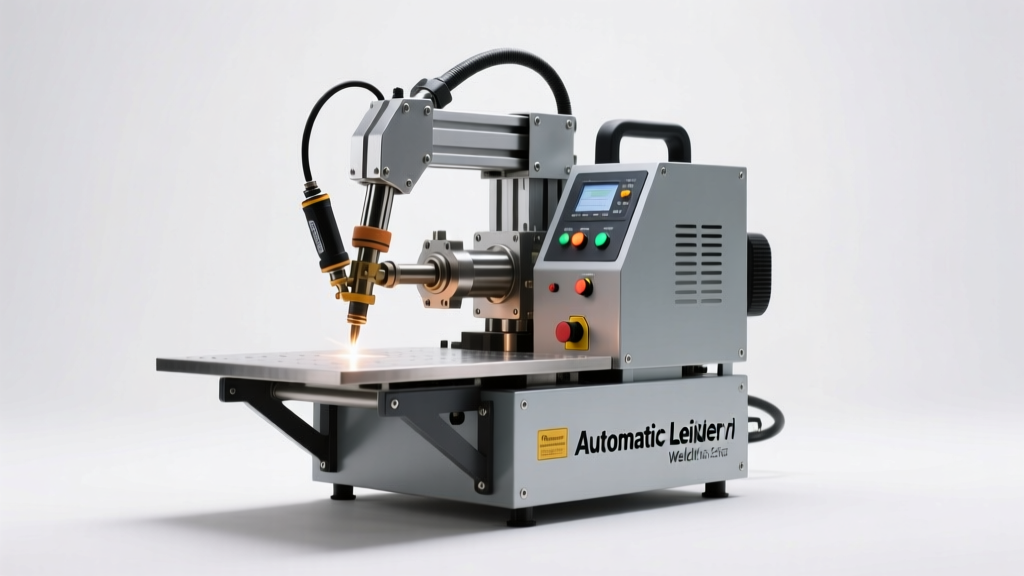
A MIG welding torch is an essential tool in modern welding operations, delivering both the electrode wire and shielding gas to create strong, clean welds. While the torch itself varies in design (such as air-cooled vs. water-cooled), the choice of welding electrode plays a critical role in determining weld quality, speed, and suitability for specific materials and environments. Based on electrode composition and shielding gas requirements, several types are commonly used in MIG and related welding processes. Below is a detailed breakdown of key electrode types and their applications.
Metal-Cored Electrodes
Engineered for high-performance welding, metal-cored electrodes consist of a hollow steel shell filled with a blend of metal powders and deoxidizers. They offer superior arc stability, deep penetration, and high deposition rates.
Advantages
- High deposition rates for faster welding
- Reduced weld metal dilution for cleaner joints
- Excellent penetration on thick materials
- Smooth arc with minimal spatter
- Can bridge gaps and tolerate slight fit-up issues
Limitations
- Higher cost compared to solid wires
- Requires precise shielding gas mix (typically argon-CO₂)
- Sensitive to incorrect voltage or wire feed settings
Best for: Heavy fabrication, shipbuilding, structural steel, and high-speed production environments
Rutile Electrodes
Named for their high titanium dioxide (rutile) content, these electrodes provide excellent arc ignition and re-ignition, making them ideal for short welds and intermittent work. Commonly used in MIG and stick welding alike.
Advantages
- Stable, easy-to-control arc
- Smooth weld bead with excellent appearance
- Low spatter and easy slag removal
- Works well in all positions
- Ideal for thin to medium gauge carbon and low-alloy steels
Limitations
- Lower mechanical strength than basic types
- Not suitable for high-stress or critical joints
- Higher hydrogen content may increase cracking risk in sensitive applications
Best for: Maintenance, automotive repairs, and general construction where weld appearance and ease of use are priorities
Basic Electrodes
Also known as low-hydrogen electrodes, these are formulated with calcium fluoride and other basic compounds. They produce welds with high toughness and excellent resistance to cracking, making them ideal for critical applications.
Advantages
- Superior resistance to hydrogen-induced cracking
- High strength and toughness in the weld metal
- Excellent performance under high stress and dynamic loads
- Stable arc with minimal spatter when properly set up
- Preferred for welding high-strength and low-alloy steels
Limitations
- Requires strict storage conditions to prevent moisture absorption
- Poorer arc stability on short circuits compared to rutile
- Slag can be harder to remove
- Less forgiving on dirty or rusty surfaces
Best for: Pressure vessels, offshore structures, bridge construction, and any application requiring maximum weld integrity
Cellulosic Electrodes
These electrodes contain a coating rich in cellulose, which decomposes during welding to produce a gaseous shield. Known for deep penetration and high welding speeds, they are often used in pipeline and field welding.
Advantages
- Deep, penetrating arc ideal for root passes
- Excellent performance in all positions, including vertical down
- High welding speeds due to rapid deposition
- Performs well outdoors and in windy conditions
- Tolerant of less-than-ideal surface conditions
Limitations
- Higher spatter levels
- Increased hydrogen content requires post-weld heat treatment in critical joints
- Noisy operation with intense arc
- Slag can be difficult to remove completely
Best for: Pipeline welding, structural field repairs, and outdoor applications where portability and penetration are crucial
Iron Powder Electrodes
These electrodes incorporate iron powder into the core or coating, significantly increasing the deposition rate. The added iron enhances filler metal volume without sacrificing arc stability.
Advantages
- High deposition efficiency for faster project completion
- Improved productivity in high-volume welding
- Good penetration and fusion characteristics
- Cost-effective for thick-section welding
- Reduces number of passes needed in heavy joints
Limitations
- May produce coarser weld bead appearance
- Less suitable for thin materials due to high heat input
- Requires higher current settings and robust equipment
Best for: Shipbuilding, heavy machinery repair, and large-scale structural fabrication where speed and volume are key
| Electrode Type | Deposition Rate | Penetration | Weld Quality | Best Application |
|---|---|---|---|---|
| Metal-Cored | Very High | Deep | Excellent | Heavy fabrication, production welding |
| Rutile | Medium | Moderate | Very Good (appearance) | General repairs, automotive, construction |
| Basic | Medium | Good | Excellent (strength) | Critical joints, pressure vessels, high-stress |
| Cellulosic | High | Very Deep | Good (performance) | Pipelines, field welding, outdoor work |
| Iron Powder | High | Good | Good (efficiency) | Thick-section welding, heavy industry |
Expert Tip: Always match your shielding gas to the electrode type—metal-cored and basic electrodes typically require 75–90% argon blends, while cellulosic types may work with higher CO₂ content. Improper gas selection can lead to porosity, spatter, or weak welds.
Materials Used to Make a 25 MIG Welding Torch: Composition, Function, and Benefits
A 25 MIG (Metal Inert Gas) welding torch is a precision-engineered tool designed to deliver consistent performance under high thermal and electrical loads. The materials used in its construction are carefully selected to ensure durability, safety, conductivity, and resistance to environmental stressors such as heat, moisture, and chemical exposure. Each component serves a specific function, and the choice of material directly impacts the torch's efficiency, lifespan, and weld quality.
Core Materials and Their Roles in MIG Torch Design
Copper Alloys
Copper alloys are the backbone of the electrical system in a MIG welding torch. Due to their exceptional electrical conductivity—second only to silver among common metals—copper alloys are ideal for critical components like contact tips, electrodes, and power conductors. These parts must efficiently transfer high amperage currents (often exceeding 200A) with minimal resistance to prevent energy loss and overheating.
Beyond conductivity, copper alloys offer excellent thermal dissipation, helping to manage the intense heat generated during prolonged welding operations. Alloys such as oxygen-free copper or tellurium copper enhance durability and wear resistance while maintaining high performance. This makes them especially suitable for continuous-duty applications in industrial settings.
Brass
Brass, an alloy of copper and zinc, is widely used in fittings, connectors, and gas diffusers within MIG torch assemblies. Its corrosion resistance is particularly valuable in environments exposed to moisture, shielding gases (like argon or CO₂), and atmospheric contaminants. This resistance helps maintain consistent gas flow and prevents clogging or degradation over time.
Brass also offers a favorable balance of strength, machinability, and moderate electrical conductivity. Its slight flexibility compared to pure copper allows for secure threading and sealing in high-vibration environments. Additionally, brass components contribute to stable arc initiation and consistent shielding gas delivery—both essential for high-quality welds free from porosity or contamination.
Ceramics
Ceramic materials play a vital insulating and protective role in MIG torches, primarily in the nozzle and internal insulator components. These areas are exposed to extreme temperatures—often exceeding 1,000°C—during welding arcs, making heat resistance a top priority. Ceramics can withstand such conditions without deforming or conducting electricity, ensuring safe operation.
In addition to thermal stability, ceramics provide excellent electrical insulation, preventing stray currents from damaging other parts or posing risks to the operator. Their inert nature also means they do not react with shielding gases or molten metal spatter, maintaining clean gas flow and protecting the weld pool. High-purity alumina ceramics are commonly used for their reliability and long service life.
Stainless Steel
Stainless steel is employed in structural and protective components of the MIG torch, including outer housings, retaining heads, and sometimes nozzles. Its high tensile strength and resistance to oxidation and corrosion make it ideal for withstanding mechanical stress, impact, and harsh workshop environments.
Unlike carbon steel, stainless steel does not rust easily when exposed to moisture or reactive gases, which is crucial for maintaining both appearance and functionality over time. It also resists chemical interactions with shielding gases, preventing contamination that could compromise weld integrity. The durability of stainless steel reduces maintenance frequency and extends the overall service life of the torch.
Rubber and Plastics
Synthetic rubber and high-performance thermoplastics are essential for ergonomic and safety-focused parts of the torch, particularly the handle, strain reliefs, gaskets, and insulation sleeves. These materials provide electrical insulation, protecting the welder from accidental shocks, and offer thermal resistance to shield hands from heat conducted along the cable.
Modern MIG torches use advanced polymers like silicone rubber, PVC, or nylon-based compounds that combine flexibility with resilience. They maintain integrity under repeated bending, exposure to UV light, oils, and solvents, and fluctuating temperatures. A well-designed rubber or plastic grip also enhances user comfort during extended use, reducing fatigue and improving control.
| Material | Primary Function | Key Properties | Common Components |
|---|---|---|---|
| Copper Alloys | Electrical Conduction | High conductivity, thermal dissipation, wear resistance | Contact tips, electrodes, power cables |
| Brass | Gas Flow & Connection Integrity | Corrosion resistance, machinability, moderate conductivity | Connectors, fittings, gas diffusers |
| Ceramics | Insulation & Heat Resistance | Thermal stability, electrical insulation, inertness | Nozzles, insulators, liners |
| Stainless Steel | Structural Support & Protection | Strength, corrosion resistance, chemical inertness | Housings, nozzles, retaining heads |
| Rubber & Plastics | Insulation & Ergonomics | Flexibility, dielectric strength, heat resistance | Handles, gaskets, cable sheathing |
Material Selection Impact on Performance and Longevity
Important: Using substandard or incompatible materials in MIG torch components can lead to premature failure, inconsistent weld quality, and safety hazards. Always ensure replacement parts are made from OEM-specified materials. Regular inspection of wear-prone components—especially contact tips, nozzles, and insulators—helps maintain optimal performance and extends the life of your welding equipment.
What Makes a 25 MIG Welding Torch Durable
A 25 MIG welding torch is a critical tool in both industrial and fabrication environments, where reliability and longevity directly impact productivity and safety. Durability in a welding torch isn't accidental—it results from thoughtful engineering, high-performance materials, and user-centered design. Below are the key factors that contribute to the long-term resilience of a 25 MIG welding torch, ensuring consistent performance even under demanding conditions.
Modular Design
One of the most significant contributors to durability is the modular construction of the 25 MIG welding torch. This design philosophy allows for individual components—such as the nozzle, contact tip, and gas diffuser—to be easily replaced without requiring a full torch replacement.
- Enables quick field repairs, minimizing downtime during production
- Reduces long-term costs by extending the life of the torch body and cable assembly
- Supports sustainability by reducing electronic and metal waste
- Facilitates upgrades or customization for different welding applications
Key benefit: Modular systems offer a "repair, not replace" approach, making them ideal for high-utilization environments.
Heat-Resistant Materials
The core structural components of a 25 MIG torch are crafted from advanced heat-resistant materials, including high-grade copper alloys, brass, and thermally stable insulators. These materials are selected for their ability to withstand prolonged exposure to extreme temperatures generated during arc welding.
- Copper alloys ensure excellent electrical conductivity while resisting thermal deformation
- Reinforced insulators prevent short circuits and protect internal wiring
- Thermal shielding layers reduce heat transfer to the handle, improving user comfort
- Maintains consistent arc performance even during extended welding cycles
Technical insight: High thermal conductivity materials also help dissipate heat away from the tip, preventing premature wear.
Ergonomic Design
Durability isn't just about materials—it also involves how the torch interacts with the user. An ergonomic design reduces physical strain on the welder, which in turn prevents accidental drops, misalignment, and mechanical stress on the torch.
- Balanced weight distribution minimizes hand and wrist fatigue during long shifts
- Soft-grip handles with anti-slip textures improve control and reduce vibration
- Natural wrist alignment lowers the risk of repetitive strain injuries
- Improved precision reduces the likelihood of spatter buildup or tip damage
User advantage: A comfortable torch is less likely to be mishandled, directly contributing to longer service life.
Wear-Resistant Coatings
Critical wear points—especially the contact tip and nozzle—are often enhanced with specialized coatings such as electroplated chrome, nickel alloys, or tungsten carbide. These protective layers dramatically increase resistance to abrasion, spatter adhesion, and electrode wear.
- Reduces frequency of tip changes due to erosion or clogging
- Minimizes spatter buildup, maintaining consistent shielding gas flow
- Extends component lifespan by up to 40% compared to uncoated alternatives
- Improves arc stability and weld quality over time
Pro tip: Look for torches with dual-layer coatings for maximum protection in high-amperage applications.
Advanced Seal Technologies
Internal integrity is maintained through precision-engineered seals made from high-performance elastomers like Viton® or silicone. These gaskets and O-rings are strategically placed to prevent gas leaks and block contaminants such as dust, moisture, and metal debris.
- Ensures consistent shielding gas delivery, critical for weld quality
- Protects internal conductors and gas channels from corrosion
- Operates reliably across extreme temperatures (-20°C to +80°C)
- Resists degradation from ozone, UV exposure, and common shop chemicals
Reliability factor: Effective sealing prevents 70% of common field failures related to gas flow and electrical arcing.
Environmental Resilience
Beyond individual components, a durable 25 MIG torch is built to withstand harsh working environments. This includes resistance to oil, coolant splashes, mechanical impact, and variable humidity levels.
- Rugged outer jackets protect cables from kinking and crushing
- Sealed connectors prevent moisture ingress in outdoor or humid conditions
- Vibration-resistant fasteners maintain structural integrity over time
- UV-stabilized housings resist cracking when used in direct sunlight
Field-tested: Industrial-grade torches often meet IP54 or higher protection ratings for dust and water resistance.
Professional Insight: When selecting a 25 MIG welding torch, prioritize models with documented performance in real-world conditions. Look for certifications such as ISO 9001, CE marking, or compliance with AWS A5.30 standards. These indicate rigorous testing for durability, electrical safety, and material quality. Additionally, consider brands that offer comprehensive spare parts support and technical documentation to ensure long-term serviceability.
| Feature | Material/Technology | Durability Benefit | Lifespan Impact |
|---|---|---|---|
| Modular Components | Interchangeable nozzles, tips, diffusers | Easy repair without full replacement | Extends torch life by 2–3x |
| Heat Resistance | Copper alloys, ceramic insulators | Prevents warping and electrical failure | Supports 4+ hours continuous use |
| Wear-Resistant Coating | Electroplated chrome, tungsten carbide | Reduces erosion and spatter adhesion | Increases tip life by 30–50% |
| Seal Technology | Viton® O-rings, double gasketing | Prevents gas leaks and contamination | Reduces maintenance frequency by 60% |
| Ergonomic Build | Lightweight alloys, soft-grip handles | Reduces user fatigue and accidental damage | Lowers drop-related failures by 75% |
Additional Considerations for Longevity
- Proper Maintenance: Regular cleaning of the nozzle and tip, along with timely replacement of worn parts, significantly extends operational life.
- Cable Flexibility: High-flex cables with strain relief reduce cracking and internal wire breakage from repeated bending.
- Gas Flow Optimization: Precision-machined diffusers ensure even gas distribution, reducing turbulence and oxidation risks.
- Compatibility: Ensure the torch matches the welding machine’s duty cycle and amperage rating to avoid overheating.
- Brand Support: Choose manufacturers that offer technical support, training, and readily available spare parts for long-term reliability.
How to Choose a 250A MIG Welding Torch: A Comprehensive Buyer’s Guide
Selecting the right MIG welding torch is crucial for achieving high-quality welds, maintaining operator comfort, and ensuring long-term equipment reliability. A 250-amp MIG torch is ideal for medium to heavy-duty welding tasks in fabrication shops, automotive repair, and industrial maintenance. This guide explores the key factors to consider when choosing a 250A MIG welding torch, including durability, compatibility, ergonomics, adjustability, and real-world performance insights from user reviews.
Safety Note: Always ensure your welding torch is rated for the amperage and duty cycle of your welding machine. Using an undersized or incompatible torch can lead to overheating, premature failure, or safety hazards.
Key Factors in Choosing a 250A MIG Welding Torch
- Durability and Build Quality
The durability of a MIG welding torch is paramount, especially in demanding environments such as fabrication shops or construction sites. A high-quality 250A torch should feature robust construction with reinforced components designed to withstand heat, impact, and exposure to spatter.
- Look for torches with reinforced nozzles and heat-resistant liners that resist warping and clogging.
- Choose models with abrasion-resistant outer jackets that protect internal wiring and gas channels.
- Stainless steel or brass contact tips improve longevity and thermal conductivity.
- Sealed connectors help prevent contamination from dust, moisture, and metal debris.
A durable torch ensures consistent arc performance, reduces downtime from repairs, and delivers reliable operation even during extended welding sessions.
- Compatibility with Your Welding Machine
Not all MIG torches are universally compatible. A 250A torch must match your welding machine’s connector type (e.g., Tweco, Bernard, or OEM-specific) and electrical specifications.
- Verify that the torch’s amperage rating aligns with your machine’s output (typically 200–250A for this class).
- Ensure the connector style matches your machine—adapters may reduce performance or cause overheating.
- Check compatibility with your wire feeder system and control circuitry for seamless trigger response.
- Confirm that the torch supports the wire diameter range you plan to use (e.g., 0.030" to 0.045").
Proper compatibility ensures smooth power delivery, consistent gas flow, and reliable start-stop functionality—critical for clean, spatter-free welds.
- Comfort and Ergonomic Design
Welding often involves long hours of precise work, making ergonomics a vital consideration. An uncomfortable torch can lead to hand fatigue, reduced accuracy, and even repetitive strain injuries over time.
- Choose a torch with a lightweight, balanced design that minimizes arm strain.
- Look for soft-grip handles made from heat- and slip-resistant materials.
- Swivel connectors at the handle or neck reduce cable twisting and improve maneuverability.
- Compact head designs allow better access to tight joints and overhead positions.
Ergonomic torches enhance control, improve weld quality, and contribute to a safer, more productive working environment—especially during multi-hour projects.
- Adjustability and Control Features
Advanced 250A MIG torches often include adjustable features that allow welders to customize performance based on material type, thickness, and welding position.
- Some models offer programmable triggers with pre-set start/stop sequences for different applications.
- Adjustable gas pre-flow and post-flow settings help optimize shielding gas usage and prevent oxidation.
- Interchangeable contact tips and nozzles allow quick adaptation to various weld requirements.
- Remote voltage control options let you fine-tune settings without returning to the machine.
Greater adjustability increases the torch’s versatility, making it suitable for everything from thin sheet metal to thick structural steel.
- User Reviews and Real-World Feedback
Before purchasing, take time to read verified user reviews from professional welders and DIY enthusiasts. Real-world experiences often reveal insights not found in product specifications.
- Look for consistent feedback on reliability, ease of maintenance, and thermal performance.
- Pay attention to comments about common failure points, such as cracked handles or failing connectors.
- Check how the torch performs under continuous use and in challenging conditions (e.g., outdoor, high-humidity, or dirty environments).
- Compare brands based on customer support and availability of replacement parts.
Reviews help identify models with proven track records and highlight potential issues, allowing you to make a more informed, confidence-backed decision.
| Selection Factor | What to Look For | Top Brands Known For This | Common Trade-offs |
|---|---|---|---|
| Durability | Reinforced nozzle, heat-resistant liner, sealed connections | Bernard, Tweco, Lincoln Electric | Higher cost, slightly heavier weight |
| Compatibility | Matching connector type, amperage rating, wire diameter support | Hobart, Miller, ESAB | Limited cross-brand use without adapters |
| Ergonomics | Lightweight design, soft-grip handle, swivel connector | Fronius, Binzel, Lincoln | Premium pricing for advanced ergonomics |
| Adjustability | Programmable trigger, remote voltage control, modular parts | Messer, Panasonic, Kemppi | Increased complexity, steeper learning curve |
| User Satisfaction | Positive long-term reviews, low failure rates, good support | Miller, Lincoln, Hobart | Popular models may have longer lead times |
Pro Tip: Consider investing in a spool gun conversion kit or push-pull system if you plan to weld aluminum. Standard 250A MIG torches can struggle with feeding soft aluminum wire over long distances, but these upgrades significantly improve feedability and weld quality.
Maintenance Tips for Long Torch Life
- Regularly clean the nozzle and contact tip to prevent spatter buildup and ensure consistent wire feeding.
- Inspect the liner monthly and replace it if frayed or clogged.
- Use anti-spatter spray to reduce cleaning time and protect components.
- Store the torch coiled loosely to avoid kinking the internal cables and hoses.
- Replace worn parts promptly—don’t wait for complete failure.
Choosing the right 250A MIG welding torch involves balancing performance, comfort, durability, and value. By focusing on compatibility, build quality, and user feedback, you can select a torch that enhances your welding experience and stands up to the demands of professional or frequent use. Whether you're working on automotive frames, structural steel, or custom fabrication, the right torch makes all the difference in achieving clean, strong, and consistent welds.
Frequently Asked Questions About 25 MIG Welding Torches
Q1: What is a 25 MIG welding torch?A 25 MIG welding torch is a specialized tool used in Metal Inert Gas (MIG) welding processes, designed for medium-duty applications. The "25" refers to its duty cycle rating—typically indicating it can operate at 25% duty cycle (e.g., 2 minutes of welding out of every 8-minute period) at a specific amperage, usually around 200–250 amps, depending on the model.
These torches are engineered with standardized components such as contact tips, nozzles, and gas diffusers, often featuring a 25mm throat size for compatibility across various systems. They are built for durability and precision, delivering consistent arc performance, stable wire feeding, and optimal shielding gas coverage. This makes them ideal for general fabrication, automotive repair, and light industrial work where reliable, clean welds are essential.
Q2: What is the main purpose of a 25 MIG welding torch?The primary function of a 25 MIG welding torch is to precisely deliver three critical elements required for successful MIG welding: a continuous solid or metal-cored wire electrode, an electric current to generate the welding arc, and a shielding gas (such as argon, CO₂, or a blend) to protect the molten weld pool from atmospheric contamination.
Thanks to its ergonomic design and flexible cable assembly, the 25 MIG torch allows welders excellent control and maneuverability. This enables smoother travel speeds, improved bead appearance, and greater accuracy when working on thin to medium-thickness metals. It's particularly effective for short-to-medium production runs and repair tasks where high-amperage industrial torches may be overkill.
Q3: What are the key factors that affect MIG welding quality?Several interrelated factors influence the effectiveness and quality of MIG welding. Proper management of these variables ensures strong, clean, and durable welds:
- Shielding Gas Selection: The type and mix of gas (e.g., 75% argon/25% CO₂ for steel, tri-mix for stainless steel) affect arc stability, penetration, and spatter levels.
- Wire Type and Diameter: Choosing the correct filler metal (ER70S-6, ER70S-3, etc.) and wire gauge (0.030", 0.035", 0.045") based on material thickness and joint design is crucial for optimal fusion.
- Base Metal Preparation: Surfaces must be clean and free of rust, oil, paint, or moisture to prevent porosity, inclusions, and weak welds.
- Welding Parameters: Voltage, wire feed speed, and travel speed must be properly balanced to achieve desired penetration and bead profile.
- Torch Angle and Technique: Consistent gun angle (typically 10°–15° for push technique) and steady travel speed help maintain arc stability and gas coverage.
Even with a high-quality 25 MIG torch, neglecting any of these factors can lead to defects like undercutting, porosity, or incomplete fusion.
Q4: What are the different types of MIG welding torches?MIG welding torches are broadly categorized by their cooling method and automation level, each suited to different applications:
| Type | Description | Best For |
|---|---|---|
| Manual MIG Torch | Handheld torch used in semi-automatic setups; the welder controls gun movement while the machine feeds the wire automatically. The 25 MIG torch falls into this category. | General fabrication, repairs, DIY projects, and small workshops. |
| Water-Cooled Torch | Uses internal water circulation to dissipate heat, allowing longer welding durations at higher amperages without overheating. | Heavy-duty industrial applications and robotic welding systems. |
| Gas- or Air-Cooled Torch | Relies on shielding gas flow and ambient air to cool the torch. Most 25 MIG torches are air-cooled, making them lighter and more portable. | Light to medium-duty welding with intermittent use. |
| Robotic MIG Torch | Designed for integration into automated welding cells, featuring rugged construction and precise nozzle alignment. | High-volume manufacturing like automotive assembly lines. |
Choosing the right torch type depends on workload intensity, material thickness, and operational environment.
Q5: Are industrial MIG welders equipped with durable welding torches?Yes, industrial MIG welding systems are equipped with highly robust torches engineered to withstand demanding production environments. These torches are constructed from heat-resistant, abrasion-proof materials such as reinforced silicone insulation, brass contact tips, and heavy-duty nozzles.
Industrial-grade torches often feature:
- Higher duty cycles (up to 100%) for continuous operation.
- Enhanced cable flexibility and strain relief to reduce wear from constant movement.
- Improved gas seals and nozzle designs to minimize spatter buildup and maintain consistent shielding.
- Compatibility with automation systems and quick-change consumable kits for faster maintenance.
While a standard 25 MIG torch is suitable for lighter industrial tasks, full-scale manufacturing facilities typically use heavy-duty or water-cooled torches rated for 300–600 amps. These provide the reliability and longevity needed in high-throughput settings where downtime must be minimized.