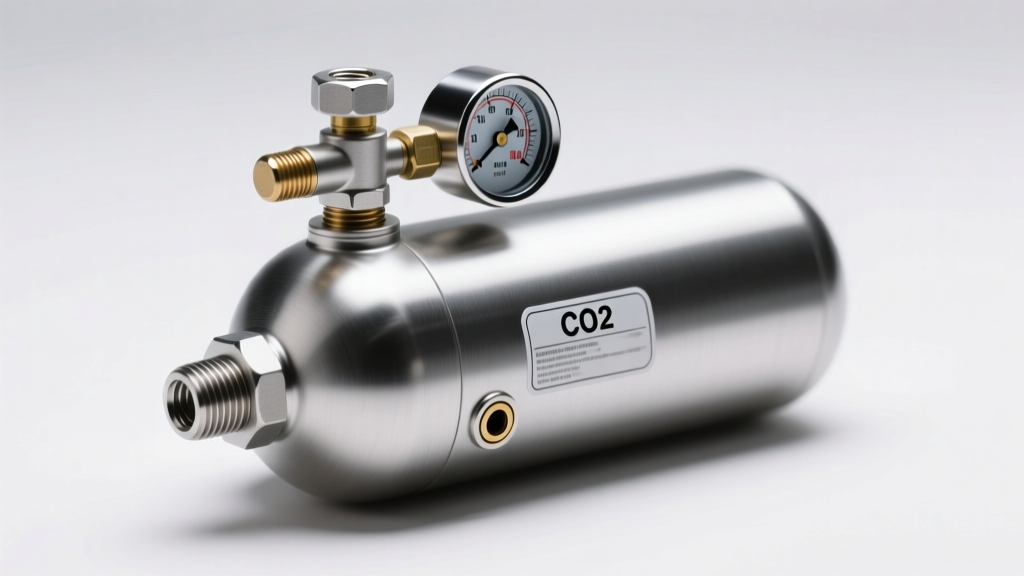
Types of 2 Ton Pneumatic Cylinders
A 2 ton pneumatic cylinder is a mechanical device that converts compressed air energy into linear motion and force, capable of exerting up to approximately 2 tons (4,000 lbs) of thrust. These cylinders are widely used in industrial automation, manufacturing, robotics, and material handling systems due to their reliability, efficiency, and precise control. Understanding the different types and design variants is essential for selecting the right cylinder for your application.
Double-Acting Cylinders
Utilizes compressed air to extend and retract the piston rod, providing controlled motion in both directions.
Advantages
- Powerful force in both extension and retraction
- Precise control over full stroke cycle
- Ideal for continuous reciprocating applications
- Higher efficiency in automated systems
Limitations
- Requires more complex air control circuitry
- Higher air consumption
- Slightly more expensive than single-acting
Best for: Assembly lines, clamping systems, automated machinery
Single-Acting (Spring Return) Cylinders
Uses air pressure to extend the rod; a built-in spring returns it to its original position when pressure is released.
Advantages
- Simpler design and plumbing requirements
- Lower air consumption
- Fail-safe operation (returns to home position)
- Cost-effective for basic applications
Limitations
- Reduced force during retraction
- Spring wear over time reduces reliability
- Limited stroke length due to spring constraints
Best for: Emergency release mechanisms, simple push/pull tasks, safety systems
Single-Rod Cylinders
Features one piston rod extending from one end of the cylinder, generating force primarily in one direction.
Advantages
- Simple and compact design
- High force output on the rod side
- Widely available and standardized
- Economical for most industrial uses
Limitations
- Asymmetrical force (less on retraction)
- Only one side of piston is fully utilized
- Mounting flexibility may be limited
Best for: General automation, pressing, lifting, and positioning tasks
Double-Rod Cylinders
Equipped with rods extending from both ends, allowing equal force and synchronized motion on both sides.
Advantages
- Symmetrical force and speed in both directions
- Enables dual work operations simultaneously
- Improved stability and alignment
- Ideal for precision positioning
Limitations
- Larger footprint and more complex mounting
- Higher cost and air usage
- Requires more space for rod clearance
Best for: Conveyor transfers, dual-side clamping, robotic arms
Fixed Stroke Cylinders
Pre-set stroke length determined at the time of manufacturing; cannot be adjusted in the field.
Advantages
- High repeatability and accuracy
- Durable and reliable under constant loads
- Lower cost due to standardized production
- Optimized for dedicated applications
Limitations
- No flexibility for stroke variation
- Requires precise application planning
- Replacement needed for different stroke needs
Best for: Repetitive tasks with fixed travel distance, such as stamping or ejecting
Adjustable Stroke Cylinders
Allows users to modify the stroke length within a specified range, offering flexibility in operation.
Advantages
- Adaptable to varying process requirements
- Reduces need for multiple cylinder models
- Supports quick changeovers in production
- Cost-effective for prototyping and testing
Limitations
- Limited adjustment range
- Potential for reduced accuracy over time
- Slightly higher initial cost
Best for: Flexible manufacturing, R&D environments, multi-product lines
Design Variants of 2 Ton Pneumatic Cylinders
-
Standard Cylinders:
Designed to comply with ISO 6432 and other international standards, these cylinders feature standardized dimensions, mounting interfaces (such as rod-end eyes and foot mounts), and port sizes. They often include adjustable cushions at one or both ends to dampen impact at the end of the stroke. Suitable for single or double-acting operation and available with single or double rods, standard cylinders offer interchangeability and ease of integration into existing systems.
-
Compact Cylinders:
Engineered for space-constrained environments, compact cylinders deliver the same 2-ton force in a smaller footprint. They typically have reduced bore sizes and shorter strokes but maintain high performance. Commonly used in machinery with limited installation space, such as packaging equipment, medical devices, and electronic assembly units. Their lightweight design also contributes to faster cycle times and lower energy consumption.
-
High-Power Density Cylinders:
Specifically optimized to deliver maximum force relative to their size and weight. These cylinders use advanced materials and internal designs to increase pressure efficiency and reduce internal friction. Ideal for high-cycle applications in robotics, aerospace actuation, and mobile equipment where space and weight are critical factors. Often feature reinforced seals and wear-resistant coatings for extended service life.
-
Round Cylinders:
Characterized by their cylindrical body shape, these models offer a balanced force-to-weight ratio and are easily mounted using standard brackets. The round design allows for uniform pressure distribution and rotational symmetry, making them suitable for applications requiring rotation or multi-axis mounting. Commonly found in general industrial automation due to their durability and compatibility with a wide range of accessories.
| Type | Actuation | Force Symmetry | Stroke Flexibility | Ideal Applications |
|---|---|---|---|---|
| Double-Acting | Air-powered both ways | Asymmetrical (rod vs cap side) | Fixed or adjustable | Automated production, clamping |
| Single-Acting | Air out / Spring return | Force only on extension | Typically fixed | Safety systems, simple tasks |
| Double-Rod | Single or double-acting | Symmetrical force | Fixed | Precision positioning, dual tasks |
| Adjustable Stroke | Mostly double-acting | Depends on design | Adjustable within range | Flexible manufacturing, prototyping |
| Compact Cylinders | Single or double-acting | Asymmetrical | Fixed | Space-limited machinery |
Expert Tip: When selecting a 2 ton pneumatic cylinder, ensure that the operating pressure matches your system's air supply. Most 2-ton cylinders operate efficiently at 80–100 psi (5.5–6.9 bar). Always include a safety factor (typically 1.5x) to account for friction, misalignment, and dynamic loads.
Specifications and Maintenance of 2-Ton Pneumatic Cylinders
Pneumatic cylinders are essential components in industrial automation, material handling, and mechanical lifting systems. A 2-ton pneumatic cylinder is specifically engineered to handle heavy loads with precision and reliability using compressed air. Understanding its key specifications ensures optimal performance, safety, and compatibility with your machinery. Equally important is a structured maintenance routine to prevent premature wear and costly downtime.
Key Specifications of a 2-Ton Pneumatic Cylinder
Load Capacity (2 Tons)
The load capacity of a pneumatic cylinder defines the maximum force it can exert during operation. A 2-ton capacity equates to approximately 2,000 kilograms (4,409 pounds) of lifting or pushing force. This makes the cylinder suitable for demanding industrial applications such as press operations, clamping systems, conveyor lifting, and automated assembly lines.
It's important to note that actual usable force may vary slightly depending on operating pressure, rod diameter, and mounting configuration. Engineers should include a safety margin (typically 10–20%) when selecting a cylinder for critical applications to avoid overloading and ensure long-term reliability.
Operating Pressure
Operating pressure is the air pressure supplied to the cylinder, typically measured in pounds per square inch (psi) or bar. Most 2-ton pneumatic cylinders operate efficiently within a range of 80–120 psi (5.5–8.3 bar), though exact requirements depend on bore size and design.
Higher pressure increases the force output, enabling the cylinder to meet its rated 2-ton capacity. However, exceeding the manufacturer's maximum pressure rating can damage seals, cause rod buckling, or lead to catastrophic failure. Conversely, insufficient pressure reduces performance and may result in incomplete stroke cycles. A regulated, clean air supply with a pressure gauge and lubricator is essential for consistent operation.
Stroke Length
Stroke length refers to the total distance the piston rod extends from the cylinder body during operation. For a 2-ton cylinder, stroke lengths can range from 50 mm to over 1,000 mm, depending on the model and application.
The stroke determines the working range of the cylinder—longer strokes are ideal for lifting, pressing, or moving objects over greater distances, while shorter strokes are used for quick, repetitive actions like clamping or ejecting. Custom stroke lengths are available for specialized machinery. It's crucial to ensure that the cylinder has adequate space to fully extend and retract without binding or overextending, which could damage internal components.
Bore Size and Force Calculation
The bore diameter (typically between 80 mm to 125 mm for a 2-ton cylinder) directly influences the force output. The theoretical force is calculated using the formula: Force = Pressure × Area, where area is based on the bore's cross-sectional area.
For example, a cylinder with a 100 mm bore operating at 8 bar (~116 psi) can generate approximately 6,280 N (1,412 lbf) of force per side—enough to achieve a 2-ton push force when optimized with proper rod support and system design. Larger bore sizes increase force but also require more air volume, affecting response time and compressor load.
| Specification | Typical Range | Application Notes |
|---|---|---|
| Load Capacity | 2,000 kg (4,409 lb) | Suitable for heavy-duty lifting, pressing, and clamping tasks |
| Operating Pressure | 80–120 psi (5.5–8.3 bar) | Use pressure regulators and filters to maintain consistency |
| Stroke Length | 50–1000+ mm | Select based on required motion range and machine clearance |
| Bore Diameter | 80–125 mm | Larger bore = higher force; balance with air consumption |
Essential Maintenance Practices for Longevity and Safety
According to industry studies, over 60% of mechanical failures in pneumatic systems stem from improper maintenance. Regular care not only extends the life of your 2-ton pneumatic cylinder but also ensures consistent performance, reduces energy waste, and enhances workplace safety. Below are best practices to follow:
Important: Never exceed the rated load or pressure limits of a pneumatic cylinder. Overloading can lead to rod bending, seal rupture, or sudden failure, posing serious safety risks. Always depressurize the system before performing maintenance, and use lockout/tagout (LOTO) procedures in industrial settings. Proper maintenance isn't just about longevity—it's a critical component of workplace safety and operational efficiency.
Applications of 2-Ton Pneumatic Cylinders: Power and Precision Across Industries
2-ton pneumatic cylinders are robust and versatile actuators capable of delivering reliable linear force in industrial environments. With a substantial 4,000-pound (approximately 1,814 kg) force output, these cylinders are ideal for applications requiring consistent, controlled motion under moderate to heavy loads. Their durability, ease of maintenance, and compatibility with compressed air systems make them a preferred choice across multiple sectors. Below is an in-depth look at how 2-ton pneumatic cylinders are utilized in key industries.
Automotive Industry
2-ton pneumatic cylinders play a vital role in automotive manufacturing and assembly operations, where precision and repeatability are essential for quality control and production efficiency.
- Used in robotic arms and clamping systems to hold parts securely during welding, painting, or machining
- Enable precise positioning of components on assembly lines, such as engine blocks or transmissions
- Integrated into automated inspection stations for consistent movement of sensors and gauges
- Drive stamping and pressing tools that require controlled force application without overheating
Key benefit: High cycle life and resistance to harsh shop floor conditions including dust, oil, and temperature fluctuations
Packaging Industry
In packaging lines, speed, accuracy, and reliability are critical—qualities that 2-ton pneumatic cylinders deliver consistently across high-volume production environments.
- Power filling mechanisms that dispense liquids, powders, or granular materials into containers with precise timing
- Actuate sealing jaws in heat sealers and crimping machines for tamper-proof closures
- Operate labeling systems that apply pressure-sensitive labels with uniform adhesion
- Control sorting gates and diverters that route products based on size, weight, or destination
Efficiency gain: Fast response times enable rapid cycling, supporting throughput rates of hundreds of packages per minute
Food Processing
In food processing, hygiene, gentle handling, and compliance with food safety standards are paramount. 2-ton pneumatic cylinders designed with stainless steel bodies and food-grade seals meet these stringent requirements.
- Drive conveyors and transfer systems that move delicate baked goods, fruits, or packaged meals without damage
- Operate cutting and slicing mechanisms in meat, cheese, or vegetable processing lines
- Control valves and gates in filling systems for sauces, dairy, and beverages
- Enable automatic case packing and palletizing of finished products
Compliance note: FDA-compliant and IP69K-rated cylinders resist high-pressure washdowns and prevent bacterial ingress
Construction Industry
While typically associated with factory automation, 2-ton pneumatic cylinders also support construction equipment and mobile machinery where compact power solutions are needed.
- Used in compactors and vibratory plates to apply consistent downward force during soil or asphalt compaction
- Integrated into hydraulic-pneumatic hybrid systems for lifting platforms or stabilizing outriggers
- Power pneumatic nail guns, jackhammers, and demolition tools via auxiliary air circuits
- Operate gates and chutes in concrete batching and aggregate handling systems
Durability advantage: Resistant to shock loads, dust, and moisture—ideal for rugged job site conditions
Plastics and Rubber Industry
The molding and shaping of plastics and rubber demand precise force control and repeatable strokes—capabilities perfectly matched by 2-ton pneumatic cylinders.
- Actuate mold closing and ejection mechanisms in injection and compression molding machines
- Drive trimming presses that remove flash from molded rubber parts
- Control extrusion dies and cutoff saws for consistent product length and finish
- Position robotic arms that handle hot or sticky materials safely and efficiently
Precision factor: Adjustable cushions and position feedback options allow fine-tuned stroke control for tight tolerances
Engineering Insight: When selecting a 2-ton pneumatic cylinder for any application, consider not only the load but also the duty cycle, operating pressure (typically 80–120 psi), stroke length, and environmental conditions. Cylinders with built-in shock absorbers or guided rod designs enhance performance in high-impact or off-axis loading scenarios. Always pair the cylinder with appropriate valves, regulators, and filtration to ensure long service life and consistent operation.
| Industry | Common Applications | Force Requirement | Key Cylinder Features |
|---|---|---|---|
| Automotive | Clamping, pressing, positioning | 1.5–2 tons | Heavy-duty rod, corrosion-resistant coating |
| Packaging | Filling, sealing, sorting | 1–2 tons | Fast cycling, adjustable stroke |
| Food Processing | Conveying, cutting, bottling | 0.8–1.8 tons | Stainless steel, food-grade seals |
| Construction | Compaction, lifting, tool actuation | 1.5–2 tons | Dust-proof, impact-resistant |
| Plastics & Rubber | Molding, trimming, extrusion | 1.2–2 tons | Cushioned ends, guided design |
Additional Considerations for Optimal Performance
- Air Quality: Use filtered, regulated, and lubricated (FRL) air systems to prevent internal wear and seal degradation
- Mounting Options: Choose from flange, clevis, trunnion, or foot mounts depending on load alignment and space constraints
- Position Sensing: Integrate magnetic reed switches or proximity sensors for automated feedback and control
- Energy Efficiency: Pneumatic systems are inherently safe and energy-efficient for intermittent duty cycles
- Maintenance: Regular inspection of seals, rods, and connections ensures long-term reliability and reduces downtime
How to Choose the Right 2-Ton Pneumatic Cylinder: A Comprehensive Buyer’s Guide
Selecting the appropriate 2-ton pneumatic cylinder is essential for ensuring reliable, safe, and efficient operation in industrial and mechanical applications. These cylinders are commonly used in automation, material handling, assembly lines, and pressing operations. To make an informed decision, buyers must evaluate several critical factors that influence performance, longevity, and compatibility with existing systems. This guide outlines the key considerations for choosing a 2-ton air cylinder tailored to your specific operational needs.
Safety & Performance Warning: Always verify that the cylinder’s load capacity matches or exceeds the actual force requirements of your application. Overloading can lead to premature failure, safety hazards, and system downtime. Never exceed the manufacturer’s rated pressure or mechanical limits.
Key Factors to Consider When Selecting a 2-Ton Pneumatic Cylinder
- Application Requirements
Understanding the exact use case is the first step in selecting the right pneumatic cylinder. Evaluate the working environment thoroughly—consider whether it involves exposure to moisture, dust, chemicals, or extreme temperatures. For example, if the cylinder will operate in environments below freezing or above 80°C (176°F), choose models designed for extreme temperatures with appropriate seals (e.g., Viton or silicone).
Also assess the type of load (tensile, compressive, or side-load), duty cycle (continuous vs. intermittent), and required stroke length. Special applications such as food processing or cleanrooms may require stainless steel bodies and FDA-compliant materials to meet hygiene standards.
- Design and Size Specifications
The physical dimensions of the cylinder—including bore size, stroke length, overall length, and mounting style—are crucial for proper integration into your machinery. A standard 2-ton (approximately 20 kN) pneumatic cylinder typically has a bore diameter of around 80–100 mm, depending on operating pressure (usually 6–8 bar).
Ensure there is sufficient clearance for full extension and retraction without interference from adjacent components. Common mounting options include flange, foot, trunnion, and clevis mounts—select based on alignment and load support needs. Compact or guided cylinders may be necessary in tight spaces or where high precision is required.
- Quality and Durability
Invest in cylinders constructed from high-grade materials such as anodized aluminum, stainless steel, or hardened steel rods with chrome plating to resist wear and corrosion. Look for features like double-sealed piston rods, reinforced end caps, and self-lubricating bushings that enhance reliability.
Cylinders from reputable manufacturers often undergo rigorous testing for millions of cycles, ensuring long-term durability. Check for IP ratings (e.g., IP65) if dust or water resistance is needed. Durable construction reduces maintenance frequency and minimizes unplanned downtime.
- Cost-Effectiveness and Total Ownership Cost
While initial purchase price is important, consider the total cost of ownership over time. A slightly more expensive cylinder with superior sealing technology and corrosion resistance may offer better value through reduced replacement and maintenance costs.
Compare energy efficiency, air consumption, and ease of serviceability across models. Cylinders with modular designs allow for quick part replacement, reducing labor costs and downtime. Avoid choosing solely on price—low-cost alternatives may compromise safety and performance.
- Compliance with Industry Standards
Ensure the cylinder meets international and industry-specific standards such as ISO 15552 (for cylinder interchangeability), ISO 6431, or ANSI/NFPA T3.21.2. These standards guarantee dimensional compatibility, performance consistency, and safety compliance.
Additionally, verify certifications like CE, UL, or ATEX (for explosive environments) when applicable. Compliance not only ensures quality but also facilitates integration with other standardized pneumatic components and simplifies sourcing replacements.
| Selection Factor | Key Evaluation Criteria | Recommended Features | Common Mistakes to Avoid |
|---|---|---|---|
| Application Requirements | Operating environment, load type, cycle frequency | Temperature-resistant seals, corrosion protection, guided design for side loads | Ignoring environmental conditions or misjudging load dynamics |
| Design & Size | Bore size, stroke length, mounting configuration | ISO-standard dimensions, adjustable stroke options, multiple mounting styles | Choosing incorrect bore size or inadequate stroke length |
| Quality & Durability | Material quality, sealing system, rod finish | Hard chrome-plated rod, double wiper seals, anodized body | Using non-industrial grade cylinders in heavy-duty applications |
| Cost-Effectiveness | Initial cost vs. lifespan, maintenance needs | Modular design, low air leakage, easy servicing | Focusing only on upfront cost rather than long-term value |
| Standards & Compliance | Certifications, interchangeability, safety approvals | ISO 15552 compliance, CE/UL marking, ATEX for hazardous areas | Procuring non-standard cylinders that limit future compatibility |
Expert Tip: Always consult the manufacturer’s technical datasheet before purchasing. It provides detailed specifications including force output at various pressures, air consumption rates, inertia loads, and recommended mounting practices—critical data for optimal system integration.
Additional Selection Recommendations
- Test the cylinder in a simulated environment before full-scale deployment
- Consider adding optional features like magnetic pistons for position sensing or cushioning for high-speed applications
- Partner with suppliers who offer technical support and warranty coverage
- Maintain a spare cylinder inventory for critical processes to minimize downtime
- Regularly inspect and service cylinders to extend service life and ensure consistent performance
Choosing the right 2-ton pneumatic cylinder involves more than just matching force ratings—it requires a holistic evaluation of application demands, environmental conditions, build quality, and long-term value. By carefully analyzing these factors and referring to industry standards, business buyers can select a reliable, efficient, and safe solution that enhances productivity and reduces lifecycle costs. When in doubt, consult with a qualified pneumatic systems engineer to ensure optimal component selection.