Plants communicate through their appearance, and leaf drop is one of the most common signals they use to express distress. While occasional leaf loss can be normal, sudden or widespread shedding often indicates an underlying issue. Whether you're caring for a fiddle-leaf fig, a peace lily, or a resilient snake plant, understanding the reasons behind leaf drop—and knowing when to take action—can mean the difference between revival and loss.
Leaf drop is rarely caused by a single factor. Instead, it’s usually the result of environmental shifts, improper care, or biological stressors. The key to effective intervention lies in accurate diagnosis. This guide breaks down the most common causes, provides actionable solutions, and helps you determine when leaf drop is just part of a plant’s natural cycle versus a red flag demanding immediate attention.
Common Causes of Leaf Drop in Houseplants
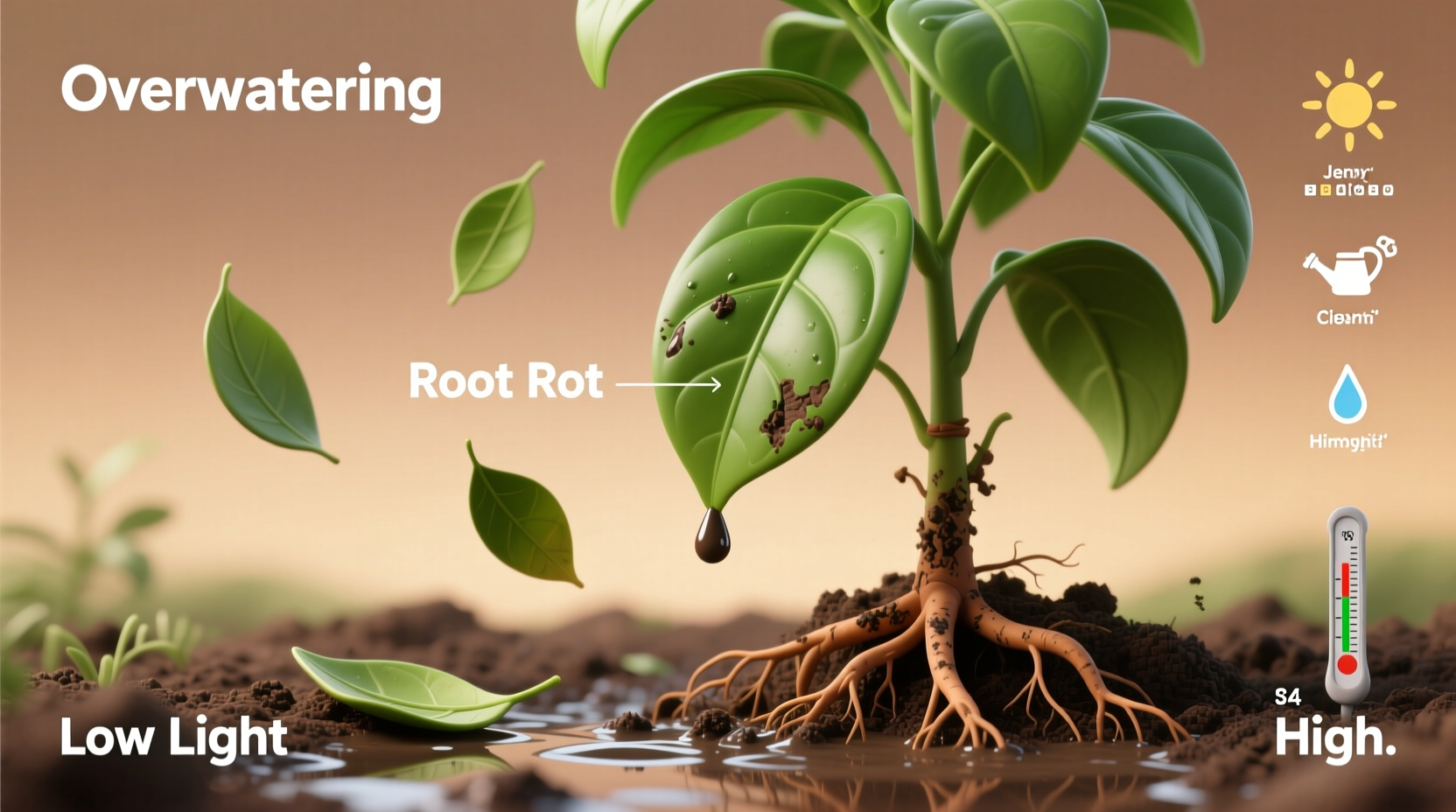
Houseplants thrive under consistent conditions. When their environment changes—sometimes subtly—they respond with visible symptoms. Leaf drop is one of the earliest and most frequent reactions. Below are the primary culprits:
- Overwatering: Soggy soil suffocates roots, leading to root rot and yellowing, followed by leaf drop.
- Underwatering: Dry soil causes leaves to wilt, turn brown at the edges, and eventually fall off.
- Low humidity: Tropical plants like calatheas and ferns lose leaves when air is too dry.
- Sudden temperature changes: Drafts from windows, heaters, or AC units shock plants, triggering leaf loss.
- Poor lighting: Too little light slows photosynthesis; too much direct sun can scorch leaves.
- Repotting stress: Even necessary repotting can cause temporary leaf drop as the plant adjusts.
- Pests: Spider mites, mealybugs, and scale insects weaken plants, leading to discolored, spotted, or falling leaves.
- Nutrient deficiency: Lack of nitrogen, magnesium, or iron can cause chlorosis and premature leaf shedding.
When Is Leaf Drop Normal?
Not all leaf drop signals a problem. Plants naturally shed older leaves to redirect energy toward new growth. This process typically affects the lower, inner leaves first. These aging leaves may yellow gradually and drop without impacting the overall health of the plant.
For example, a spider plant may lose a few bottom leaves every few months, especially during active growing seasons. Similarly, rubber plants periodically shed mature foliage to make room for larger, newer leaves. As long as new growth appears healthy and the rate of loss is slow (one or two leaves per month), there’s likely no cause for concern.
The distinction lies in pattern and pace. If only old leaves are affected and the plant continues to produce vibrant new shoots, the shedding is part of its natural lifecycle. However, if young leaves are dropping, multiple leaves fall within days, or the remaining foliage looks unhealthy, further investigation is warranted.
Step-by-Step Guide to Diagnosing and Fixing Leaf Drop
Follow this structured approach to identify and resolve the root cause of leaf drop:
- Inspect the dropped leaves: Note their color, texture, and where they fell from. Yellowing at the base suggests overwatering; browning tips point to dry air or underwatering.
- Check the soil: Is it soggy or bone dry? Use a moisture meter or your finger to assess hydration levels.
- Examine the roots: Gently remove the plant from its pot. Healthy roots are firm and white; mushy, dark roots indicate rot.
- Assess light exposure: Has the plant been moved recently? Is it near a drafty window or heater? Measure daily light with a light meter app or observe shadow clarity.
- Look for pests: Check under leaves, along stems, and in soil crevices for tiny insects, webbing, or sticky residue.
- Review recent changes: Did you repot, fertilize, or relocate the plant? Even minor shifts can trigger stress responses.
- Adjust care accordingly: Based on findings, modify watering, lighting, humidity, or feeding practices.
Give the plant 2–3 weeks to respond. Avoid making multiple changes at once, as this can compound stress. Track progress with weekly photos to detect subtle improvements or declines.
Do’s and Don’ts: Managing Leaf Drop
| Do | Don’t |
|---|---|
| Water only when the top inch of soil is dry (for most tropicals) | Water on a fixed schedule without checking soil moisture |
| Use pots with drainage holes to prevent water accumulation | Leave plants sitting in saucers full of water |
| Group plants together to increase ambient humidity | Place sensitive plants near heating vents or drafty doors |
| Clean leaves gently with a damp cloth to improve photosynthesis | Use leaf-shine products that clog pores and attract dust |
| Fertilize during growing season (spring/summer) at half-strength | Over-fertilize, which can burn roots and cause leaf loss |
Mini Case Study: Reviving a Fiddle-Leaf Fig
Sarah noticed her fiddle-leaf fig dropping three large leaves in one week. Initially, she assumed it was seasonal. But when new leaves began curling and developing brown spots, she took action.
She checked the soil—it was damp two inches down. The plant sat in a west-facing window receiving intense afternoon sun. Upon removing it from the pot, she found several dark, mushy roots. Diagnosis: overwatering combined with excessive light exposure.
Sarah pruned the damaged roots, repotted in fresh, well-draining mix, and moved the plant to a spot with bright, indirect light. She placed a small humidifier nearby and waited. Within four weeks, new growth emerged, and leaf drop ceased. Her experience highlights how combining observation with targeted corrections can save even severely stressed plants.
Expert Insight on Plant Stress Signals
“Leaf drop is a survival mechanism. Plants shed leaves to conserve energy when resources are compromised. The real skill is interpreting *which* resource is lacking—water, light, stability—and acting before systemic damage occurs.” — Dr. Lena Torres, Botanist and Urban Horticulture Consultant
Tips for Preventing Future Leaf Drop
Prevention is more effective than cure when it comes to plant health. Implement these strategies to maintain stable, thriving houseplants:
Tip: Rotate your plants a quarter-turn weekly to ensure even light exposure and balanced growth. Tip: Use filtered or distilled water for sensitive plants like calatheas, which react poorly to chlorine and fluoride.- Establish a consistent care routine tailored to each plant’s needs.
- Invest in self-watering pots or moisture meters for precision.
- Mist foliage regularly or use a pebble tray to boost humidity.
- Keep plants away from HVAC vents and exterior doors.
- Quarantine new plants for 2–3 weeks to prevent pest spread.
FAQ: Common Questions About Leaf Drop
Is it normal for a newly purchased plant to drop leaves?
Yes. Most store-bought plants come from greenhouse environments with high humidity and controlled lighting. When moved to a home setting, the change in conditions often causes stress-related leaf drop. This usually stabilizes within 4–6 weeks if care is adjusted appropriately.
Should I remove yellowing leaves immediately?
Only if they’re fully dead or diseased. Partially yellow leaves may still transfer nutrients back to the plant. Wait until they detach easily with a gentle tug before removing them.
Can I save a plant losing leaves rapidly?
In many cases, yes. Rapid leaf loss often indicates acute stress rather than irreversible damage. Identify and correct the cause—especially overwatering or pests—and give the plant time to recover. Some plants, like pothos or zz plants, can regrow from bare stems if roots remain healthy.
Checklist: Responding to Leaf Drop
Use this checklist to quickly assess and act when your plant starts losing leaves:
- ☐ Observe the pattern: Are old or new leaves falling?
- ☐ Check soil moisture with your finger or a meter.
- ☐ Inspect for pests on leaves, stems, and soil.
- ☐ Evaluate light levels and recent environmental changes.
- ☐ Smell the soil—musty odor suggests root rot.
- ☐ Gently remove plant from pot to inspect root health.
- ☐ Adjust watering, lighting, or humidity based on findings.
- ☐ Wait 2–3 weeks before making further changes.
- ☐ Document progress with notes or photos.
- ☐ Consult a plant specialist if decline continues.
Conclusion: Know When to Act—and When to Wait
Leaf drop is not inherently alarming, but it demands attention. By learning to distinguish between natural shedding and stress signals, you become a more attuned caretaker. Most issues stem from simple oversights—overwatering, poor placement, or low humidity—that can be corrected with awareness and consistency.
Your plants rely on you to interpret their silent language. A single fallen leaf may be nothing, but a cascade of losses is a plea for help. With the right knowledge, nearly every struggling plant can regain its vitality. Start observing closely, act with intention, and cultivate not just greener spaces, but deeper connections with the living things you nurture.
💬 Have a plant that’s dropping leaves? Share your experience or ask for advice in the comments—we’re all growing together.