
A refrigerator should run quietly in the background—cooling food, preserving freshness, and staying out of mind. But when odd sounds start echoing from the kitchen, it’s natural to wonder: Is this normal? Or is something seriously wrong? Fridge noises range from harmless operational hums to warning signs of mechanical failure. Understanding the difference can save you money, prevent food spoilage, and extend your appliance’s lifespan.
Fridges produce sound through compressors, fans, defrost cycles, and refrigerant flow. Many noises are part of standard operation. However, sudden changes in volume, pitch, or rhythm may signal developing issues. The key is learning to distinguish between routine sounds and red flags that demand professional attention.
Common Fridge Noises and What They Mean
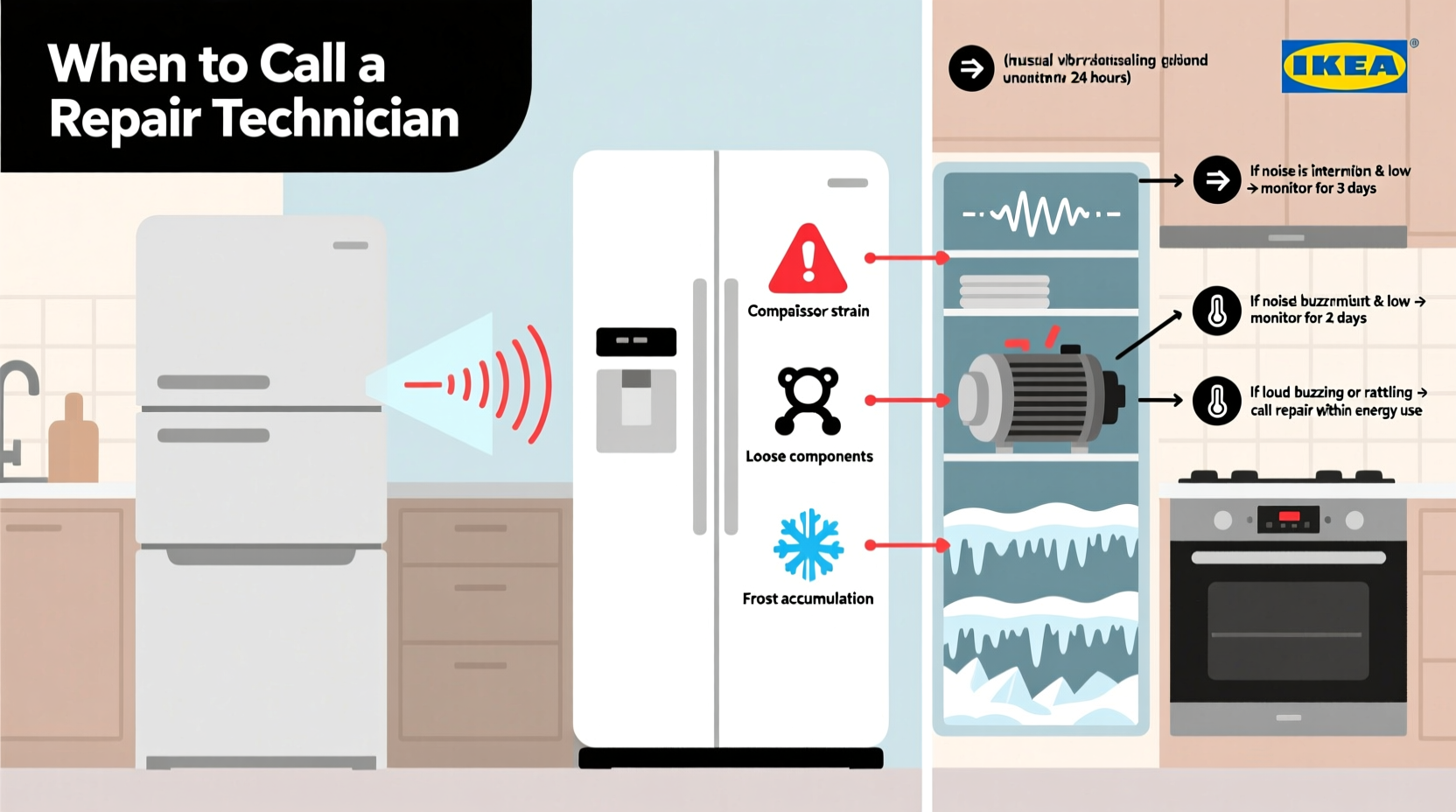
Not all strange noises indicate trouble. Modern refrigerators operate with multiple moving parts, each contributing to the overall acoustic profile. Here are the most frequently heard sounds and their likely causes:
- Humming or buzzing: Usually comes from the compressor or water supply line (if connected to a dispenser). A steady hum is typical during cooling cycles.
- Clicking: Often occurs when the thermostat activates or deactivates the cooling system. Also common during ice maker cycling.
- Whooshing or gurgling: Caused by refrigerant moving through coils or water flowing in the ice maker. Sounds like liquid traveling through pipes.
- Cracking or popping: Can happen as plastic interior panels expand or contract with temperature shifts—similar to floorboards in a house.
- Fan noise (rattling, whirring): Evaporator or condenser fans keep air circulating. Dust buildup or obstructions can alter the sound.
When Noise Is Normal: Signs You Can Safely Ignore
Some sounds occur regularly and do not require intervention. These are typically predictable, short-lived, and consistent with known fridge behaviors.
- Intermittent clicking at regular intervals – This often coincides with the thermostat turning the compressor on and off every 20–30 minutes.
- Soft gurgle after dispensing water or making ice – Refrigerant and water lines react to pressure changes; brief flow sounds are expected.
- Low-frequency hum that fades after startup – Compressors draw more power initially, creating a louder initial buzz before settling into a quieter operational tone.
- Nighttime expansion cracks – Cooler ambient temperatures cause plastic shelves and liners to contract slightly, producing faint snapping noises.
If the noise matches one of these patterns and doesn’t affect cooling performance, it’s likely nothing to worry about.
Warning Signs: When to Call a Repair Technician
Certain sounds point to underlying problems that worsen over time. Ignoring them can lead to complete breakdowns, costly repairs, or even replacement needs.
Loud Grinding or Screeching
This metallic, high-pitched noise usually stems from failing bearings in the evaporator or condenser fan motor. Continued use can overheat the motor, leading to burnout. If the sound persists beyond a few seconds or returns frequently, shut off the unit and schedule service.
Constant Loud Buzzing or Vibrating
A persistent, intense buzz—especially if new or worsening—can mean the compressor is struggling. It might be due to worn parts, low refrigerant, or electrical faults. Since compressors are expensive to replace, early diagnosis is critical.
Knocking or Hammering (Water Pipes)
If the noise originates near the wall behind the fridge and happens only when the water dispenser runs, it could be “water hammer”—a plumbing issue caused by sudden valve closure. While not directly a fridge fault, unchecked pressure surges can damage internal valves or connections.
Rattling That Doesn’t Stop
Occasional rattle from loose shelves is normal. But continuous shaking from inside the walls or base suggests misaligned components, unsecured tubing, or an unbalanced compressor mount. Over time, vibration fatigue can crack solder joints or disconnect wiring.
“Persistent grinding or screeching from the rear of the fridge almost always indicates fan motor wear. Replacing it early prevents overheating and compressor strain.” — Carlos Mendez, Appliance Repair Supervisor, Midwest HomeTech Services
Step-by-Step Guide: Diagnosing Fridge Noises at Home
Before calling a technician, perform a basic diagnostic check. Many issues have simple fixes that don’t require professional help.
- Unplug the fridge for safety. Wait two minutes, then plug it back in to reset electronic controls.
- Check for loose items: Open doors and ensure containers aren’t touching fans or vibrating against walls.
- Inspect the rear panel: Use a flashlight to look for dust buildup on the condenser coils or fan blades. Clean with a brush or vacuum if needed.
- Listen closely during startup: Note whether the noise begins immediately or after a delay. Immediate loud sounds suggest compressor or fan issues.
- Test cooling performance: Place a thermometer in a glass of water inside the fridge. After 24 hours, it should read between 37°F and 40°F (3°C–4°C).
- Feel for heat at the bottom or back: Excessive warmth may indicate poor ventilation or failing components.
- Review recent changes: Did you move the fridge? Install a water line? Adjust temperature settings? These can temporarily alter sound output.
Do’s and Don’ts: Managing Fridge Noise Responsibly
| Do’s | Don’ts |
|---|---|
| Level the fridge using adjustable feet to reduce vibration noise | Ignore persistent grinding or screeching sounds |
| Clean condenser coils every 6 months to maintain efficiency | Overload shelves or block airflow vents inside the unit |
| Ensure 2–3 inches of clearance around the fridge for ventilation | Use chemical cleaners on internal components or electrical parts |
| Monitor temperature consistency weekly | Attempt compressor or refrigerant repairs without certification |
| Contact a licensed technician if cooling weakens or stops | Run the fridge continuously if it emits burning smells or smoke |
Real Example: When a Hum Turned Into a Crisis
Sarah from Portland noticed her refrigerator began emitting a deeper-than-normal hum about six weeks ago. At first, she dismissed it—after all, fridges make noise. But within three weeks, the sound grew louder and was accompanied by warm spots in the fridge compartment.
She checked online forums and tried cleaning the coils, but the issue persisted. Finally, she called a technician who diagnosed a failing compressor bearing. Because she delayed action, the compressor seized completely, requiring a $750 replacement. The technician noted that earlier intervention could have saved the unit—or at least provided time to budget for repairs.
Sarah now checks her fridge monthly and keeps a maintenance journal. “I didn’t realize how much a small change in sound could cost me,” she said. “Now I treat odd noises like check-engine lights—they get immediate attention.”
FAQ: Common Questions About Fridge Noises
Is it normal for my fridge to make noise at night?
Yes, especially if ambient noise is lower. Fridges often run longer cycles at night to maintain temperature. As long as the sound is consistent with daytime operation (humming, occasional clicks), it’s likely normal.
Why does my fridge make a bubbling sound?
Bubbling or hissing noises are usually caused by refrigerant circulating through sealed tubes or water flowing to the ice maker. These are safe and common, particularly after the cooling cycle starts or ends.
Can a noisy fridge be dangerous?
In rare cases, yes. A loud buzzing combined with a burning smell or visible smoke indicates electrical or compressor failure. Unplug the unit immediately and contact a professional. Do not attempt DIY fixes on sealed refrigerant systems.
When to Repair vs. Replace Your Fridge
Even with proper care, appliances age. Knowing when to invest in repairs versus replacing the unit depends on several factors:
- Age of the fridge: Units older than 10–12 years may not be worth major repairs, especially if energy inefficient.
- Cost of repair: If the fix exceeds 50% of a comparable new model’s price, replacement is often smarter.
- Cooling performance: If food spoils quickly despite correct settings, the cooling system may be compromised beyond economical repair.
- Noise level trends: Escalating noise over weeks suggests progressive component failure. Early repair can halt deterioration.
For example, replacing a $150 fan motor on a seven-year-old Energy Star fridge makes sense. But spending $600 on a compressor for a 14-year-old model likely doesn’t.
Preventive Maintenance Checklist
Regular upkeep reduces unexpected noises and extends appliance life. Follow this checklist every six months:
- ✅ Vacuum condenser coils (located at back or under front grille)
- ✅ Wipe down door seals with mild soap and water
- ✅ Level the refrigerator using a bubble level
- ✅ Clear debris from underneath the unit
- ✅ Inspect water line connections for leaks (if applicable)
- ✅ Listen for changes in operational sounds
- ✅ Check temperature accuracy with an independent thermometer
Conclusion: Trust Your Ears—and Know When to Act
Your refrigerator communicates through sound. Learning its language empowers you to respond wisely—whether that means doing nothing, performing light maintenance, or calling in a pro. Most minor noises fade into the rhythm of home life. But when unfamiliar or escalating sounds emerge, don’t wait for total failure.
Early detection saves money, preserves food, and prevents inconvenience. If you're ever unsure, consult a certified technician. It’s better to spend $100 on a diagnostic visit than $1,000 on emergency replacement. Stay alert, stay informed, and keep your kitchen running smoothly—for years to come.
💬 Have a fridge noise story or tip? Share your experience below and help others decide when to act—and when to relax.