Every year, as families gather to decorate their homes for the holidays, a familiar scene unfolds: the twinkling lights of the Christmas tree, the scent of pine in the air—and then, a sudden crash. A glass ornament lies shattered on the floor, and a smug-looking cat sits nearby, tail flicking. If this sounds all too familiar, you're not alone. Thousands of pet owners face the same seasonal struggle: their cats are inexplicably drawn to knocking down Christmas ornaments. But why? And more importantly, what can be done about it?
The truth is, your cat isn’t trying to ruin your holiday spirit. Their behavior stems from natural instincts, curiosity, and environmental triggers. Understanding the root causes is the first step toward finding lasting solutions. This guide explores the psychology behind feline ornament destruction, offers practical strategies to minimize damage, and provides actionable steps to create a safer, more harmonious holiday season—for both you and your feline companion.
Understanding Feline Behavior: Why Cats Target Ornaments
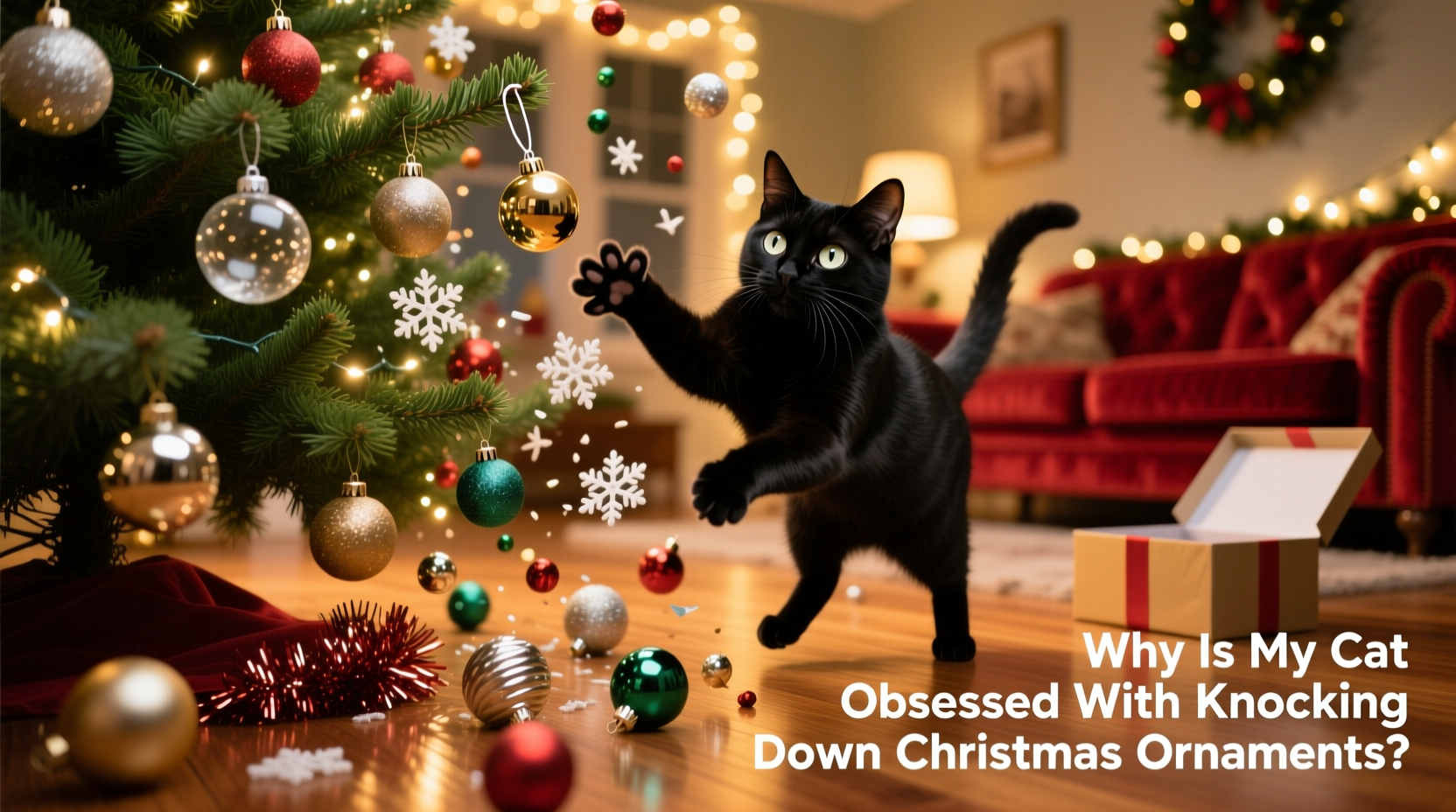
Cats are hardwired predators. Even domesticated house cats retain strong hunting instincts that drive them to stalk, pounce, and bat at moving or dangling objects. Christmas ornaments—especially those that dangle, shimmer, or reflect light—trigger these primal behaviors. From a cat’s perspective, a glittering ball hanging from a branch looks no different than prey swinging in the wind.
Beyond instinct, cats are highly curious animals. Novelty in their environment demands investigation. The sudden appearance of a large, new object (the Christmas tree) filled with unfamiliar scents and eye-catching decorations activates their exploratory drive. Touching or batting an ornament produces movement and sound—both of which reinforce the behavior through positive feedback. Once a cat learns that swatting an ornament results in entertainment, they’re likely to repeat it.
Additionally, some cats knock things over simply to get attention. If they’ve learned in the past that destructive behavior leads to interaction—even if it's scolding—they may continue doing it during the holidays as a way to engage with their humans.
“Cats don’t act out of malice. What we perceive as mischief is often natural behavior expressed in an inappropriate context.” — Dr. Sarah Thompson, Veterinary Ethologist
Immediate Solutions to Protect Your Tree and Cat
While understanding the 'why' is important, most pet owners need practical fixes—fast. Here are proven methods to reduce ornament-related incidents without sacrificing holiday cheer.
1. Secure the Tree Base and Use a Sturdy Stand
A wobbly tree invites disaster. Invest in a heavy-duty tree stand with a wide base and fill it with water to add weight. For extra stability, anchor the tree to a wall using fishing line or a discreet tree tether kit. This prevents tipping when your cat attempts to climb.
2. Limit Access to the Tree Area
If possible, place the tree in a room with a baby gate or door that can be closed when unsupervised. Alternatively, use free-standing pet barriers to create a buffer zone around the tree. Even a few feet of distance can deter impulsive swats.
3. Choose Cat-Safe Ornaments
Replace fragile glass balls with durable alternatives made from felt, wood, or soft plastic. Avoid tinsel and string-like decorations, which pose serious ingestion risks. Opt for larger, heavier ornaments placed on lower branches—they’re harder to dislodge and less tempting to play with.
Tip: Hang particularly valuable or sentimental ornaments near the top third of the tree, beyond your cat’s reach.4. Deter Climbing and Batting
Cats dislike certain textures. Wrap the lower trunk in aluminum foil, double-sided tape, or bubble wrap to discourage climbing. While not the most festive look, these materials are temporary and highly effective. Remove them once your cat loses interest in the tree.
5. Use Motion-Activated Deterrents
Devices like motion-activated air sprayers or noise emitters can startle cats without causing harm. Place one near the tree to interrupt approach behaviors. Over time, your cat will associate the area with unpredictability and avoid it.
Long-Term Strategies: Redirecting Natural Instincts
Instead of constantly managing symptoms, focus on addressing the underlying needs driving the behavior. A mentally and physically fulfilled cat is far less likely to target your decorations.
Create a Feline-Friendly Holiday Environment
Provide alternative sources of stimulation. Set up a cat tree or perch near the Christmas tree so your cat can observe from a designated spot. Add dangling toys, feather wands, or crinkle balls to satisfy their urge to bat and chase.
Increase Playtime Before Tree Access
Schedule interactive play sessions using wand toys or laser pointers before allowing your cat near the decorated tree. A tired cat is a well-behaved cat. Burning off excess energy reduces the likelihood of impulsive destruction.
Use Positive Reinforcement
Reward calm behavior around the tree with treats, praise, or affection. When your cat approaches but doesn’t touch the ornaments, mark the moment with a clicker or verbal cue and offer a reward. Over time, this builds positive associations with the tree as a neutral or rewarding space.
Ornament Safety Checklist
Follow this checklist to minimize risks and protect both your cat and your holiday setup:
- ✅ Use a stable, weighted tree stand
- ✅ Anchor the tree to a wall or ceiling
- ✅ Replace glass ornaments with unbreakable alternatives
- ✅ Avoid tinsel, ribbons, and small detachable parts
- ✅ Keep electrical cords secured and out of reach
- ✅ Place tempting lower branches out of batting range
- ✅ Supervise interactions until behavior improves
- ✅ Provide enrichment toys nearby to redirect attention
Do’s and Don’ts of Cat-Safe Holiday Decorating
| Do | Don’t |
|---|---|
| Use shatterproof or fabric ornaments | Hang delicate glass baubles within reach |
| Place cat-safe toys near the tree | Leave string, tinsel, or garland loose |
| Anchor the tree securely | Allow unrestricted access when unsupervised |
| Reward calm behavior | Yell or punish after the fact |
| Use bitter apple spray on low branches | Use essential oils (many are toxic to cats) |
A Real-Life Example: How the Parkers Saved Their Family Tree
The Parker family had given up on real trees. For three years, their Siberian cat, Loki, had destroyed every decoration within reach. One year, he even pulled the entire tree down during dinner, scattering pine needles and broken heirlooms across the living room.
Determined to try again, they consulted a certified cat behaviorist. Following her advice, they implemented several changes: they purchased a sturdier tree stand, anchored the tree to a bookshelf, and replaced fragile ornaments with handmade wooden ones. They also set up a cat tower beside the tree and hung feather toys from it.
Before introducing Loki to the decorated tree, they increased his daily playtime by 20 minutes using a motorized mouse toy. When he approached the tree, they rewarded him with treats for sitting calmly. Within a week, Loki lost interest in the ornaments and instead claimed the adjacent perch as his lookout.
That December, the Parker family enjoyed their first intact Christmas tree in years—all while giving Loki a stimulating, stress-free holiday experience.
Step-by-Step Guide to Cat-Proofing Your Christmas Tree
- Choose a stable location away from furniture your cat can jump from.
- Secure the tree with a heavy stand and wall anchor.
- Decorate strategically: Keep lower branches bare or use only sturdy ornaments.
- Remove hazardous materials like tinsel, ribbon, and small hooks.
- Add deterrents such as foil or double-sided tape to the trunk.
- Introduce enrichment with nearby toys and perches.
- Supervise initial exposure and reward calm behavior.
- Use motion-activated devices if needed to discourage approach.
- Maintain routine play to prevent boredom-driven antics.
- Be patient—behavior change takes time and consistency.
Frequently Asked Questions
Is it normal for cats to knock things over?
Yes. Many cats exhibit object-knocking behavior due to curiosity, hunting instincts, or a desire for interaction. It’s especially common with novel items like holiday decorations. The key is redirecting the behavior rather than suppressing it entirely.
Can I train my cat not to touch the tree?
You can’t guarantee 100% compliance, but you can significantly reduce incidents through environmental management, training, and enrichment. Consistency is crucial—cats respond best to predictable boundaries and positive reinforcement.
Are there safe sprays to keep cats away from the tree?
Bitter apple or citrus-based sprays are generally safe and effective deterrents. Avoid products containing essential oils like tea tree, citrus, or eucalyptus, which can be toxic if ingested. Always test a small area first and ensure good ventilation.
Conclusion: Harmony Over Havoc This Holiday Season
Your cat’s obsession with knocking down Christmas ornaments isn’t defiance—it’s communication. They’re expressing natural behaviors in a space that hasn’t been adapted to meet their needs. With thoughtful planning, simple modifications, and a bit of patience, you can protect your decorations while respecting your cat’s instincts.
This holiday season, aim not for perfection, but for balance. A few strategic changes can transform chaos into coexistence. By creating a cat-aware environment, you’re not just saving ornaments—you’re building a home where both you and your pet can thrive.
💬 Have a tip that worked for your cat? Share your experience in the comments and help other pet owners enjoy a safer, happier holiday season!








