Black specks appearing on freshly washed clothes are more than just an eyesore—they can signal underlying issues with your washing machine that, if ignored, may lead to permanent fabric damage or worsening mechanical problems. These dark particles often resemble mold, mildew, or even grease, but their origin is typically linked to the internal components of the washer itself. Whether you're dealing with a front-loader or top-loader, understanding the root causes and implementing timely solutions is essential for maintaining clean laundry and appliance longevity.
This comprehensive guide breaks down the most common reasons behind black specks, provides step-by-step cleaning protocols, and offers expert-backed prevention strategies. By the end, you’ll know exactly how to diagnose, resolve, and prevent this frustrating laundry issue.
Common Causes of Black Specks in Washing Machines
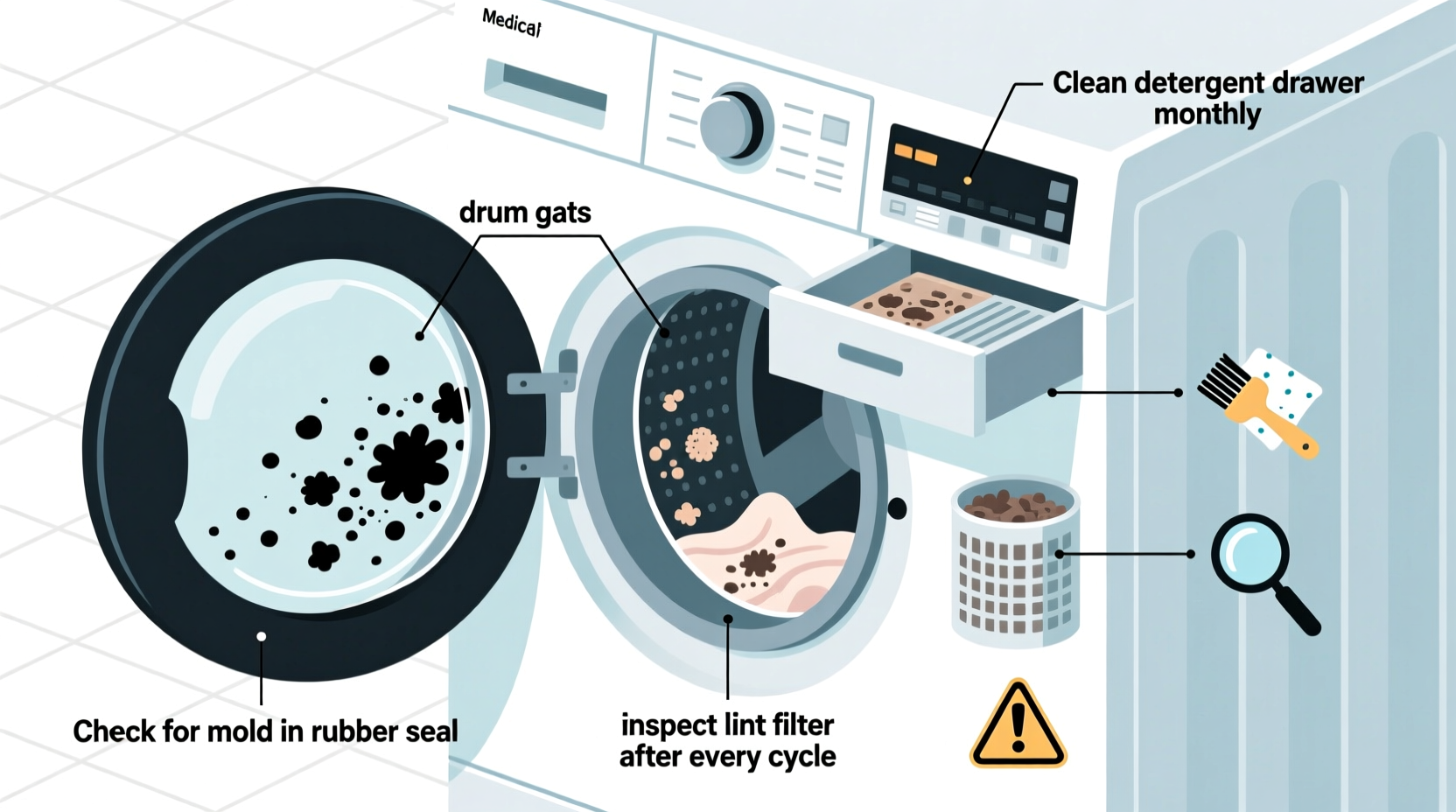
Before treating symptoms, it’s critical to identify the source. Black specks aren’t usually dirt from outside sources—they’re typically generated inside the machine. Below are the primary culprits:
- Mold and mildew buildup – Especially common in high-efficiency (HE) front-loading washers due to the rubber door gasket and moisture-trapping design.
- Deteriorating drum components – Worn-out baffles, seals, or inner drum coatings can flake off over time.
- Residue from fabric softener or detergent – Overuse leads to sticky buildup where mold thrives and particles accumulate.
- Foreign object debris – Small items like coins, buttons, or zippers grinding against the drum can produce metallic or plastic fragments.
- Water supply contamination – Old pipes, especially galvanized steel, can shed rust or sediment that appears as dark flakes.
Front-loaders are particularly prone to mold-related specks because of their airtight seal and lower water usage, which reduces rinsing efficiency. However, top-loaders aren’t immune—especially when maintenance is neglected.
“Over 70% of service calls for ‘dirty-looking laundry’ from HE washers trace back to microbial growth in the door boot or drain pump filter.” — David Reynolds, Appliance Repair Technician with 18 years of field experience
Step-by-Step Diagnosis and Cleaning Process
To eliminate black specks, follow this systematic approach to inspect, clean, and verify results.
1. Inspect the Door Gasket and Drum Seals (Front-Loaders)
Lift the rubber seal around the door and check for visible mold, slime, or black residue. Pay close attention to the bottom folds where water pools. Use a flashlight to look deep into crevices.
Tip: After every wash, wipe the gasket dry with a microfiber cloth to prevent moisture retention.2. Remove and Clean the Detergent Dispenser
Pull out the detergent, bleach, and fabric softener trays. Soak them in warm vinegar water for 20 minutes, then scrub with an old toothbrush. Residue here can clump and redeposit during cycles.
3. Run a Hot Cleaning Cycle
Set the washer to its hottest cycle (preferably 90°C/195°F if available). Add one of the following:
- 2 cups white vinegar + ½ cup baking soda
- Or, 100g washing machine cleaner (e.g., Affresh, OxiClean)
Let the cycle complete without clothes. This dissolves biofilm and loosens debris.
4. Check and Clean the Drain Pump Filter
Locate the filter access panel (usually at the front, bottom of front-loaders). Place a towel underneath, unscrew the cap slowly, and remove any standing water. Pull out the filter and clear hair, lint, and grime. Reinstall securely.
5. Examine the Inner Drum for Flaking Coatings
Run your hand along the drum walls. If you feel rough patches or notice chipped enamel (in older models), microscopic particles may be shedding. In such cases, professional assessment is recommended.
6. Test Your Water Supply
Connect a simple faucet filter to your laundry tub hose. If it collects black or brown particles after a few loads, the issue may stem from corroded plumbing. Consider flushing household pipes or consulting a plumber.
Troubleshooting Table: Source vs. Solution
| Symptom | Likely Source | Recommended Action |
|---|---|---|
| Specks cluster near collar and cuffs | Mold in door gasket | Deep clean gasket; run monthly hot cycles |
| Specks appear oily or greasy | Degraded drum seal or lubricant leak | Contact technician for inspection |
| Specks only in cold washes | Inadequate detergent dissolution | Switch to HE detergent; use warm rinse |
| Specks found on all fabrics, including whites | Internal component wear | Inspect drum coating; consider replacement |
| Specks accompanied by foul odor | Biofilm in pump or hoses | Clean filter; sanitize with bleach cycle |
Prevention Checklist
Once the immediate issue is resolved, maintain cleanliness with regular upkeep. Follow this checklist monthly:
- Wipe down the door gasket with vinegar solution
- Remove and clean detergent drawer
- Run a cleaning cycle with manufacturer-recommended cleaner
- Inspect drain filter for blockages
- Leave the door and detergent tray open between uses to air out
- Use high-efficiency (HE) detergent only—avoid overfilling
- Avoid using liquid fabric softener excessively; switch to wool dryer balls
- Wash towels and underwear at higher temperatures when possible
Real-World Example: A Case Study
Sarah from Portland noticed black flecks on her husband’s white dress shirts after switching to a new eco-friendly detergent. At first, she assumed it was poor quality, but the specks persisted across different brands. She inspected the drum and found no obvious damage, but upon pulling back the rubber gasket, discovered thick, black mold colonies in the lower fold.
She cleaned the gasket thoroughly, ran two consecutive cleaning cycles with vinegar and baking soda, and began leaving the door ajar after each use. Within a week, the specks disappeared. Her mistake? Using too much liquid softener, which had accumulated in the gasket and created a breeding ground for mold. Switching to dryer balls eliminated the root cause.
Sarah now maintains a monthly cleaning routine and has not seen a recurrence in over nine months.
Frequently Asked Questions
Can I use bleach to clean my washing machine?
Yes, but sparingly. Chlorine bleach effectively kills mold and bacteria, but frequent use can degrade rubber seals and hoses. Use it no more than once every three months. For routine cleaning, opt for oxygen-based cleaners or vinegar.
Are black specks harmful to health?
While not immediately dangerous, prolonged exposure to mold spores from a contaminated washer can trigger allergies, asthma, or skin irritation—especially in sensitive individuals. Removing the source protects both clothing and household health.
Why do black specks only appear on certain clothes?
Darker fabrics may hide specks, while light-colored or synthetic materials (like polyester) tend to show them more clearly. Additionally, delicate cycles use less agitation and lower temperatures, reducing the chance of fully dislodging debris.
When to Call a Professional
DIY cleaning resolves most cases, but some issues require expert intervention. Contact a certified technician if:
- You see visible cracks or missing chunks in the drum lining
- The machine makes grinding or scraping noises during spin cycles
- Cleaning efforts fail to stop speck recurrence after three attempts
- Water leaks from the door or base after operation
Internal bearing failure or motor seal degradation can introduce metal shavings or lubricant residue that mimics black specks. These are not user-serviceable repairs and may warrant part replacement or full unit upgrade if the machine is over 8–10 years old.
“The lifespan of a washing machine isn’t measured in years alone—it’s directly tied to maintenance habits. A well-cared-for unit can last 12+ years, while neglect cuts that in half.” — National Appliance Standards Institute (NASI), 2023 Report
Final Recommendations and Long-Term Care
Eliminating black specks isn’t a one-time fix—it requires consistent hygiene practices. Modern washing machines, especially energy-efficient models, trade water and heat usage for sustainability, but this increases the risk of biological buildup. Staying proactive is key.
Adopt these long-term habits:
- Use only the recommended amount of HE detergent
- Avoid overloading the drum, which reduces cleaning efficiency
- Sanitize the machine monthly, especially in humid climates
- Replace rubber components every 5–7 years if signs of wear appear
- Consider installing a whole-house water filter to reduce sediment
Remember: clean clothes start with a clean machine. Treating your washer as a hygienic appliance—not just a mechanical tool—ensures better results and extends its operational life.
🚀 Take action today: Inspect your washing machine’s gasket and run a cleaning cycle this week. Share your experience or ask questions in the comments—your insight could help another homeowner solve the same frustrating issue!








