Dogs communicate in ways that don’t always make sense to us. One such behavior—obsessive couch licking—can be puzzling, even concerning, for pet owners. While occasional licking may be harmless, repeated or compulsive licking of furniture often signals an underlying issue. Understanding the root cause is essential not only for your dog’s well-being but also for preserving your home. This article explores the possible reasons behind this behavior, from medical conditions to emotional triggers, and provides practical steps to address it.
Common Causes of Obsessive Couch Licking
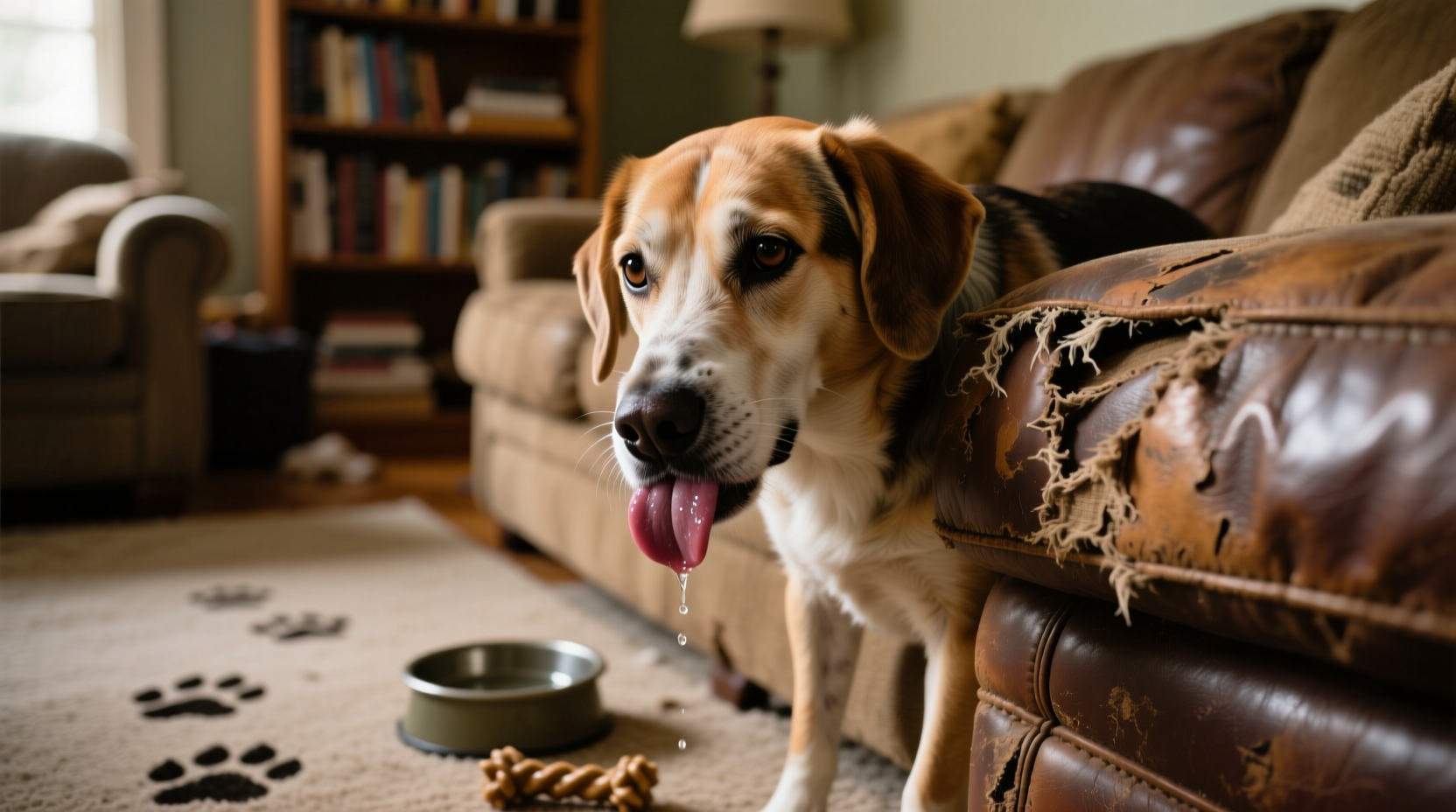
Dogs lick surfaces—including sofas—for a variety of reasons. Some are instinctual, others stem from discomfort or psychological stress. Identifying the category can help narrow down solutions.
Nutritional Deficiencies and Medical Conditions
Licking non-food items like couch fabric can indicate a nutritional imbalance. Dogs low in iron, zinc, or other essential nutrients may develop pica—a condition where animals consume or obsess over non-edible substances. Anemia, gastrointestinal disorders, and diabetes can all prompt unusual licking behaviors as the body seeks missing elements.
More specifically, excessive licking has been linked to:
- Gastrointestinal distress: Acid reflux, nausea, or irritable bowel syndrome may cause dogs to lick surfaces to stimulate saliva production, which soothes stomach acid.
- Dental pain: Oral discomfort or infections can lead dogs to lick soft surfaces to alleviate pain.
- Neurological issues: In rare cases, seizures or cognitive dysfunction may manifest through repetitive actions like licking.
“Persistent licking of household surfaces should never be dismissed as mere habit. It’s often the earliest sign of gastrointestinal discomfort.” — Dr. Laura Thompson, DVM, Veterinary Behavior Specialist
Behavioral and Emotional Triggers
Just like humans, dogs exhibit compulsive behaviors when stressed, anxious, or bored. Couch licking can become a self-soothing mechanism, especially if the dog lacks mental stimulation or daily routine.
Common emotional causes include:
- Anxiety: Separation anxiety, noise phobias (e.g., thunderstorms), or changes in environment can trigger obsessive licking.
- Boredom: Understimulated dogs may invent rituals to pass time, particularly if left alone for long periods.
- Compulsive disorder: Repetitive behaviors, once established, can become ingrained—even after the initial stressor is gone.
Environmental and Sensory Factors
Sometimes, the reason is simpler than expected. Dogs have highly sensitive noses and tongues. Residual food crumbs, spilled drinks, cleaning product scents, or even human sweat on upholstery can attract licking.
Additionally, certain materials—like microfiber or leather—may retain odors more than others, making them frequent targets. If your dog only licks one specific spot, inspect it closely for lingering smells or tastes.
How to Determine the Root Cause
Pinpointing why your dog licks the couch requires observation, patience, and sometimes professional input. A structured approach helps eliminate possibilities and focus on effective interventions.
Step-by-Step Guide to Diagnosing the Behavior
- Document the behavior: Keep a log noting time of day, duration, frequency, and any surrounding events (e.g., after feeding, during thunder).
- Inspect the couch: Clean it thoroughly with pet-safe products to rule out residual tastes or odors.
- Monitor eating and digestion: Look for signs of vomiting, diarrhea, bloating, or changes in appetite that could point to GI issues.
- Assess lifestyle factors: Evaluate exercise levels, mental engagement, and recent changes in routine or household dynamics.
- Visit the veterinarian: Rule out medical causes with a full physical exam, blood work, and possibly abdominal imaging.
If no medical condition is found, behavioral evaluation becomes key. A veterinary behaviorist can assess whether anxiety, OCD-like tendencies, or environmental stressors are at play.
Treatment and Management Strategies
Once the underlying cause is identified, targeted treatment can begin. Approaches vary significantly depending on whether the cause is medical, behavioral, or environmental.
Medical Interventions
If a health issue is diagnosed, treatment will depend on the condition:
- Gastrointestinal problems may require dietary changes, antacids, or prokinetic drugs.
- Nutritional deficiencies are corrected with supplements and balanced diets.
- Dental issues need professional cleaning or extractions.
In many cases, resolving the medical problem leads to immediate reduction—or complete cessation—of licking behavior.
Behavioral Modifications
For anxiety or boredom-related licking, behavior modification is essential. The goal is to replace the compulsive action with healthier alternatives.
Effective techniques include:
- Increased enrichment: Puzzle toys, scent games, chewable treats, and training sessions keep dogs mentally engaged.
- Routine and predictability: Dogs thrive on consistency. Fixed feeding, walking, and rest times reduce uncertainty and stress.
- Positive reinforcement: Reward calm behavior and redirect licking with commands like “leave it” followed by a treat or toy.
- Desensitization: For noise or separation anxiety, gradual exposure paired with rewards can reduce fear responses.
Environmental Adjustments
Modify your dog’s surroundings to discourage licking:
- Cover the couch with throws or use pet barriers when unsupervised.
- Switch to pet-safe, odor-neutralizing cleaners.
- Provide designated chewing zones with durable, safe chew toys.
Some owners find success using bitter-tasting sprays on licked areas, though these should be used cautiously and only alongside positive training.
Do’s and Don’ts When Addressing Couch Licking
| Do’s | Don’ts |
|---|---|
| Consult a vet early to rule out medical causes | Ignore persistent licking—it’s rarely “just a phase” |
| Keep a behavior journal to track patterns | Yell at or punish your dog for licking—it increases anxiety |
| Offer high-value chew toys as distractions | Use harsh chemicals to deter licking without vet approval |
| Gradually introduce new routines or environments | Leave your dog unattended with access to licked areas if the cause is unknown |
| Seek help from a certified animal behaviorist if needed | Assume the behavior is attention-seeking without investigating deeper causes |
Real-Life Example: Max, the Labrador with a Licking Habit
Max, a 4-year-old Labrador, began licking the corner of his owner’s sofa for up to 30 minutes a day. His family assumed he was bored and increased walks and playtime, but the behavior persisted. Concerned, they visited their vet.
Blood tests revealed mild gastritis and elevated liver enzymes. After switching to a hypoallergenic diet and treating his digestive inflammation with medication, Max’s licking decreased within two weeks. Follow-up visits confirmed improvement, and within a month, the behavior stopped entirely.
This case highlights how a seemingly behavioral issue can have a hidden medical origin—and why early veterinary consultation is critical.
When to Seek Professional Help
While some licking can be managed at home, certain red flags warrant expert intervention:
- Licking lasts more than 5–10 minutes at a time multiple times per day
- Obsession spreads to other surfaces (walls, floors, windows)
- Signs of weight loss, vomiting, or lethargy accompany the behavior
- The dog appears distressed or unable to stop despite distraction
In such cases, a veterinary behaviorist can design a tailored plan combining medication (such as SSRIs for anxiety) and behavior therapy. Early intervention prevents the habit from becoming deeply entrenched.
Frequently Asked Questions
Is it normal for dogs to lick furniture occasionally?
Yes, brief licking—especially after someone has eaten on the couch or spilled a drink—is usually curiosity-driven and not a concern. However, repetitive or prolonged licking is abnormal and should be evaluated.
Can anxiety really cause a dog to lick the couch?
Absolutely. Anxiety triggers displacement behaviors in dogs—actions that serve no purpose but help relieve internal tension. Licking releases endorphins, creating a calming effect. Over time, this can become a compulsive cycle.
Will neutering or spaying stop couch licking?
Not directly. While hormonal changes can influence some behaviors, couch licking is rarely tied to reproductive hormones. It’s more commonly linked to medical or psychological factors.
Action Plan Checklist
Follow this checklist to address obsessive couch licking systematically:
- ✅ Observe and record licking episodes (time, duration, context)
- ✅ Deep-clean the couch with odor-eliminating, pet-safe cleaner
- ✅ Schedule a veterinary check-up with blood work and GI assessment
- ✅ Evaluate your dog’s daily routine for stressors or lack of stimulation
- ✅ Introduce interactive toys and increase physical/mental exercise
- ✅ Use positive redirection when licking begins (offer toy, initiate game)
- ✅ Consult a veterinary behaviorist if no improvement in 2–3 weeks
Conclusion: Take Action with Compassion and Clarity
Obsessive couch licking is more than a quirky habit—it’s a message from your dog. Whether signaling physical discomfort, emotional distress, or environmental confusion, this behavior deserves thoughtful attention. By approaching it with curiosity rather than frustration, you strengthen your bond and support your dog’s overall health.
Start with a vet visit, refine your dog’s environment, and commit to consistent, positive reinforcement. Most importantly, remember that change takes time. With patience and informed care, most dogs can overcome this behavior and return to balanced, joyful living.
💬 Have a dog that licks furniture? Share your experience or questions below. Your story could help another pet owner feel less alone—and more empowered to act.