In a world where LED technology allows for millions of colors at the flick of a switch, it might seem unusual that certain homes still choose only red and white holiday lighting. Yet, this minimalist palette persists—especially during festive seasons like Christmas and Lunar New Year. The decision isn’t random or due to limited options; rather, it’s often rooted in cultural values, aesthetic philosophy, energy considerations, and emotional resonance. While rainbow-hued displays dazzle with modernity, red and white lighting offers a quieter, more intentional statement. This article explores the multifaceted reasons behind this enduring preference.
Cultural Significance and Symbolism
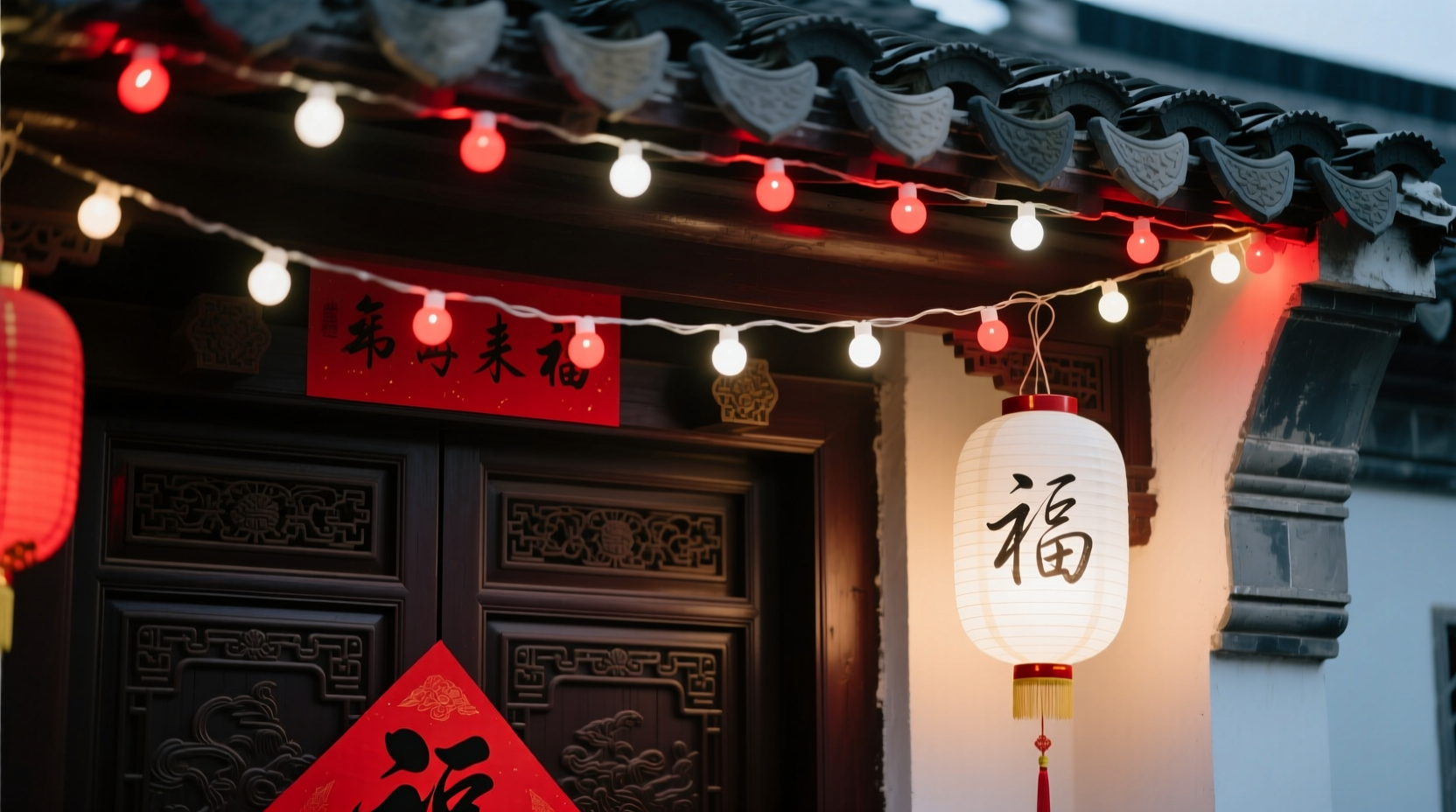
Color carries deep meaning across cultures, and nowhere is this more evident than in traditions surrounding light. Red and white are not merely decorative—they’re symbolic. In many East Asian cultures, particularly Chinese, Vietnamese, and Korean communities, red symbolizes luck, prosperity, joy, and protection from evil. It's the color worn at weddings, used on envelopes for monetary gifts, and prominently displayed during Lunar New Year celebrations.
White, though sometimes associated with mourning in Western contexts, holds different connotations in these same cultures when paired with red. In traditional Chinese aesthetics, white represents purity, clarity, and balance—especially within the framework of yin and yang. Together, red (yang: active, warm, masculine) and white (yin: passive, cool, feminine) form a harmonious duality. This philosophical pairing makes the combination visually balanced and spiritually meaningful.
“In East Asian design, restraint speaks louder than excess. Red and white together honor both festivity and serenity.” — Dr. Mei Lin Zhao, Cultural Anthropologist, University of British Columbia
This symbolic depth explains why many families maintain red-and-white lighting even after generations have migrated abroad. For them, the lights aren't just seasonal decor—they're an act of cultural preservation.
Aesthetic Minimalism and Visual Harmony
Beyond symbolism, there’s a growing appreciation for visual simplicity. Multicolor lights can feel chaotic, especially in dense urban neighborhoods where every house competes for attention. In contrast, red and white lighting creates a cohesive, elegant look that stands out through understatement.
Designers and architects often praise monochromatic or dual-tone schemes for their ability to unify spaces without overwhelming the eye. A home adorned in red and white lights maintains architectural visibility—the shape of eaves, windows, and railings remains apparent—whereas multicolor strands can blur details under a neon haze.
Tip: If you want your home’s structure to remain visible while still celebrating, opt for two-toned lighting aligned with rooflines and entryways.Additionally, red and white complement most exterior finishes—brick, stucco, wood siding—without clashing. Unlike green and purple, which may conflict with natural surroundings or paint tones, red enhances warmth, and white reflects ambient light cleanly.
Energy Efficiency and Practical Longevity
While all LED lights consume less power than incandescent bulbs, the choice of color affects perceived brightness and actual usage patterns. Red LEDs typically require slightly less voltage than blue-based whites (which rely on phosphor-coated diodes), making them marginally more efficient over long durations.
More importantly, households using only red and white often install fewer strings overall. Because the display relies on elegance rather than spectacle, owners tend to focus on key architectural features instead of full coverage. This selective approach reduces total wattage, extends circuit life, and lowers electricity bills.
| Light Type | Avg. Watts per 100 Bulbs | Lifespan (Hours) | Heat Output |
|---|---|---|---|
| Multicolor (RGB) LED | 5–7 W | 25,000 | Low |
| Red LED | 4–5 W | 30,000 | Very Low |
| Warm White LED | 5 W | 25,000 | Low |
| Incandescent Mini-Lights | 40 W | 3,000 | High |
The longer lifespan of red LEDs also means fewer replacements. Since red diodes degrade more slowly than blue-based ones (used in white and green LEDs), a red-and-white setup can last years longer with consistent performance. For homeowners who reuse decorations annually, this durability translates into cost savings and reduced waste.
Psychological and Emotional Impact
Colors influence mood, and lighting plays a subtle but powerful role in shaping emotional experience. Multicolor lighting activates the brain’s novelty centers—great for parties or public events—but can contribute to sensory overload in residential settings. Studies in environmental psychology suggest that excessive visual stimulation from bright, shifting colors may increase stress and reduce relaxation, especially in children and neurodivergent individuals.
Red, as a warm color, stimulates energy and excitement, but in moderation, it evokes warmth and comfort. White light, particularly warm white (2700K–3000K), mimics candlelight or firelight—familiar sources of ancestral safety and gathering. Together, they create an atmosphere of joyful calm: celebratory yet restful.
In contrast, flashing multicolor lights can trigger photic sensitivity in people with migraines, epilepsy, or autism spectrum disorders. Families with such conditions often avoid complex color sequences altogether. Choosing static red and white eliminates strobing effects and minimizes neurological strain while maintaining seasonal cheer.
“We switched to red and white after our son started getting headaches from the neighborhood lights. Now he enjoys looking outside again.” — Sarah Tran, parent and community advocate
Case Study: The Nguyen Family Tradition
The Nguyen family has lived in suburban Toronto for 22 years. Every December, neighbors notice their modest but striking display: crisp white net lights on the hedges, red icicle lights along the roofline, and a single red wreath with white LED candles glowing beside the front door.
When asked why they don’t use multicolor, Mrs. Nguyen explained: “My mother taught me that too much color distracts from the heart of the season. Red is for happiness. White is for peace. We celebrate both.”
They unbox the same strands each year—purchased in 2010—and have never needed replacements. Their system runs on a single outdoor outlet with a timer, turning on at dusk and off at midnight. They estimate their monthly holiday lighting cost at $3.50, compared to neighbors spending $12–$15 on larger RGB setups.
Their choice has inspired three nearby homes to adopt simpler palettes. “It’s not about being flashy,” Mr. Nguyen said. “It’s about feeling grounded during a busy time.”
Step-by-Step Guide to Creating a Meaningful Red and White Display
Adopting a red and white theme doesn’t mean sacrificing beauty. Follow these steps to design a display that’s both impactful and intentional:
- Assess Your Home’s Architecture: Identify lines of interest—roof edges, porches, windows. These will guide where lights go.
- Choose Warm White Over Cool White: Warm white (2700K–3000K) pairs better with red and feels cozier at night.
- Balance the Ratio: Use a 60/40 split—e.g., 60% white on lower levels, 40% red above—to maintain visual harmony.
- Use Uniform Strands: Avoid mixing bulb sizes or shapes. Consistency enhances elegance.
- Add Natural Elements: Combine lights with evergreen garlands, pinecones, or bamboo to deepen the organic feel.
- Install a Timer: Set lights to operate between 5 PM and 11 PM to save energy and respect neighbors’ nighttime quiet.
- Store Carefully: Wind lights around cardboard reels, label by color, and keep in a dry, temperature-stable space.
Checklist: Is Red and White Right for Your Home?
- ☐ You value cultural or familial traditions involving red and white
- ☐ You prefer a clean, elegant aesthetic over bold, flashy displays
- ☐ Someone in your household is sensitive to bright or flashing lights
- ☐ You want to reduce energy consumption during the holidays
- ☐ You plan to reuse lights for multiple years and prioritize longevity
- ☐ Your home’s exterior benefits from accent lighting rather than full coverage
- ☐ You live in a neighborhood where lighting competitions create visual clutter
Frequently Asked Questions
Is red and white lighting only for Lunar New Year?
No. While common during Lunar New Year, red and white lighting is increasingly used during Christmas, winter solstice, and even patriotic holidays in some regions. Its versatility lies in its neutrality—it celebrates without being tied to one specific narrative.
Can I mix red and white with other colors subtly?
Yes, but sparingly. Adding gold or silver accents can enhance luxury without breaking the minimalist tone. Avoid green, blue, or purple unless they appear in non-lighted decor (e.g., ribbons or ornaments).
Do red and white lights have religious significance?
Not inherently. While red appears in Christian iconography (e.g., the blood of Christ) and white in baptismal symbolism, the red-and-white combo itself is largely secular in Western contexts. In Eastern traditions, the pairing is more philosophical than doctrinal.
Conclusion: Less Light, More Meaning
The choice to use red and white lights instead of multicolor is rarely accidental. It reflects a deliberate alignment with values—cultural continuity, aesthetic discipline, environmental awareness, and emotional well-being. In an age of digital overload and constant stimulation, such simplicity becomes radical. It says: celebration doesn’t require chaos. Joy can be quiet. Tradition can be modern.
Whether driven by heritage, health, or design sense, households choosing red and white are making a statement—one of clarity, care, and intentionality. And in doing so, they invite others to reconsider what truly makes the season bright.
💬 What does your holiday lighting say about your values? Share your story or tradition in the comments—your insight could inspire someone to light up their home with new meaning.








