As smart home technology continues to transform how we celebrate the holidays—from voice-activated light displays to app-controlled nativity scenes—many younger families are embracing digital Christmas innovations. Yet, a noticeable generational divide persists: older adults overwhelmingly favor traditional decorations like hand-strung popcorn garlands, heirloom ornaments, and real candles in windows. This preference isn’t just about resistance to change; it’s rooted in deeper psychological, cultural, and practical reasons that reflect values, memories, and lived experience.
Understanding this choice requires more than observing holiday decor—it invites us into the emotional world of aging, memory, and tradition. For many seniors, decorating for Christmas is not about spectacle or convenience; it's an act of remembrance, connection, and continuity.
The Emotional Weight of Tradition
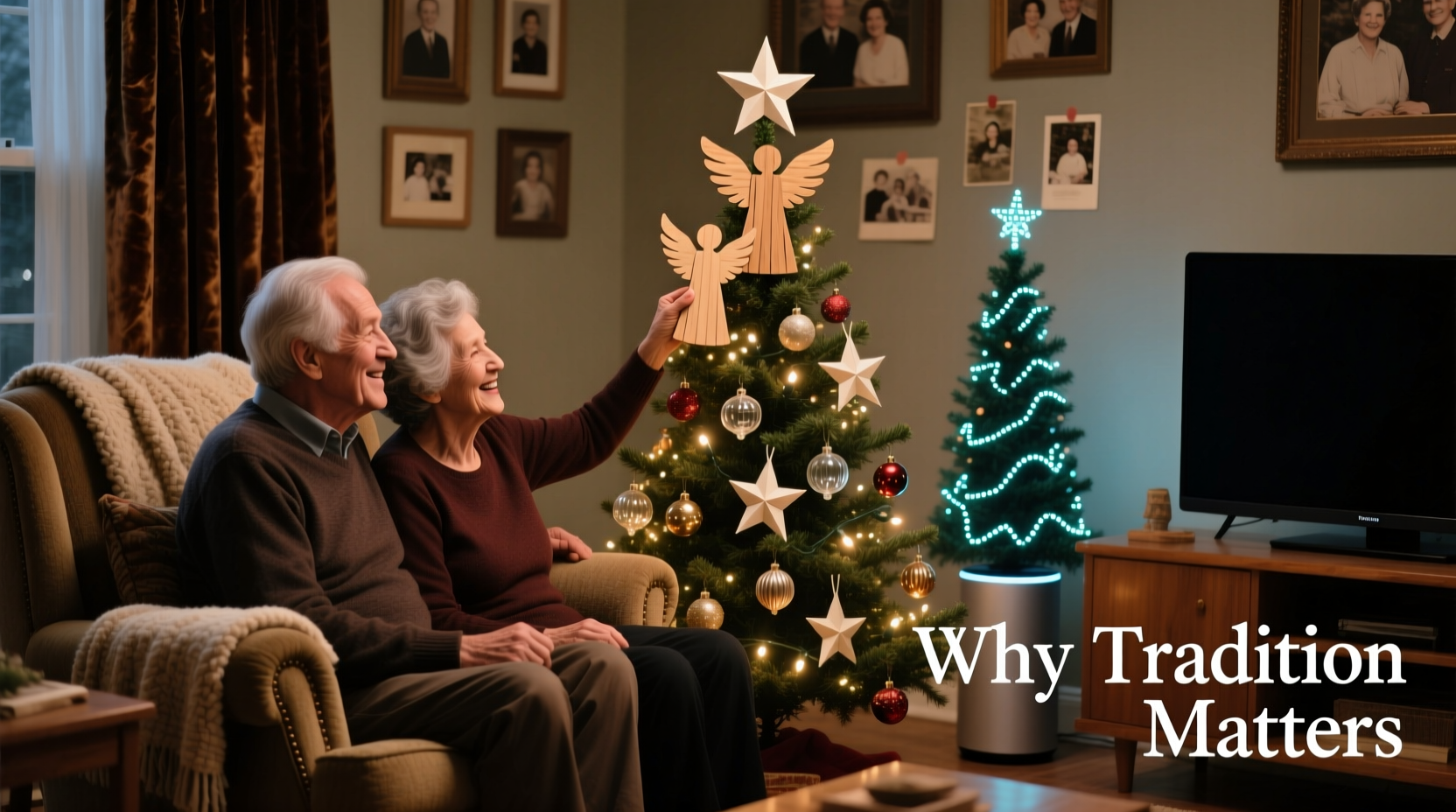
For older adults, Christmas decorations often carry decades of emotional significance. An ornament may have been made by a grandchild in kindergarten, purchased on a long-ago vacation, or salvaged from a parent’s attic after their passing. These items aren’t merely decorative—they’re tangible fragments of personal history.
Psychologists refer to this phenomenon as “autobiographical memory anchoring,” where objects serve as physical triggers for vivid recollections. A 2021 study published in *The Journal of Aging Studies* found that tactile engagement with familiar holiday items significantly reduced feelings of loneliness and increased emotional well-being in adults over 65.
“Touching an old ornament can be more powerful than looking at a photo album. It engages multiple senses and evokes a fuller memory.” — Dr. Helen Torres, Cognitive Psychologist specializing in gerontology
In contrast, smart decorations—while impressive in function—are rarely imbued with such personal meaning. A programmable LED tree might sync perfectly with music, but it doesn’t hold the scent of pine from a childhood family trip or bear the crooked handwriting of a loved one lost years ago.
Simplicity Over Complexity
One of the most practical reasons older adults resist smart decorations is usability. While younger generations may find smartphone apps and Wi-Fi setups intuitive, many seniors face a steep learning curve when integrating new technology into seasonal rituals.
Consider the process of setting up a smart lighting system:
- Download a specific app.
- Create an account (often requiring email verification).
- Ensure Bluetooth or Wi-Fi connectivity.
- Pair each light strand individually.
- Program schedules or color changes.
- Troubleshoot connectivity issues when lights fail to respond.
This sequence, which might take a teenager ten minutes, can become frustrating, time-consuming, or even discouraging for someone unfamiliar with digital interfaces. In contrast, plugging in a string of classic incandescent lights requires only one action—and offers immediate, reliable results.
Tip: If introducing smart decor to an older relative, choose plug-and-play devices with remote controls instead of app dependency.Technology Fatigue in Later Life
Many older adults report feeling overwhelmed by the constant evolution of digital tools. From online banking to telehealth appointments, daily life increasingly demands tech literacy. The holidays, traditionally a time of comfort and routine, offer a rare reprieve. Introducing complex gadgets during this season can feel intrusive rather than festive.
“I spent my whole career adapting to new machines,” says Margaret Ellington, 78, from Vermont. “Now I want Christmas to feel like it did when I was eight—warm, simple, and quiet. Not flashing to the beat of some playlist on Alexa.”
Cultural and Generational Values
Preferences in holiday decor also reflect broader generational differences in values. Older adults, particularly those born before 1960, were raised in environments where craftsmanship, sustainability, and reuse were norms—not lifestyle choices.
- Handmade decorations were common due to economic necessity.
- Ornaments were saved year after year, regardless of trends.
- Decorating was a communal activity involving extended family.
These practices fostered a deep respect for longevity and resourcefulness—values that align closely with traditional decor. Smart decorations, often mass-produced with planned obsolescence and reliant on batteries or frequent software updates, can feel wasteful or disposable by comparison.
The Craftsmanship Factor
Many traditional decorations are handmade or vintage, featuring intricate details impossible to replicate digitally. Think of blown-glass ornaments from Eastern Europe, hand-carved wooden figures, or crocheted angels. These pieces reflect hours of labor and artistry, often passed down through generations.
Smart alternatives, while customizable in color and pattern, lack this human touch. They may dazzle visually, but they don’t tell stories.
“My mother made our advent calendar in 1953. Each pocket holds a tiny note she wrote. No app can replace that.” — Robert Kim, 71, Ohio
Health and Sensory Considerations
There are also physiological reasons behind the preference for traditional decorations. As people age, their sensory systems change—particularly vision, hearing, and sensitivity to light.
Smart lights often feature rapid strobing, intense brightness, or pulsing effects designed to impress but potentially overwhelming for older eyes. Conditions like cataracts, glaucoma, or photosensitivity make flickering LEDs uncomfortable or even disorienting.
Likewise, sound-activated decorations that play loud carols or jingles can be startling or disruptive, especially for individuals with hearing aids or cognitive sensitivities such as early-stage dementia.
Creating a Calm Environment
For many seniors, the goal of holiday decorating isn’t entertainment—it’s creating a peaceful, familiar atmosphere. Traditional decor supports this aim:
- Soft, warm lighting from incandescent bulbs mimics candlelight.
- Natural materials like wood, fabric, and glass feel grounding.
- Familiar scents (pine, cinnamon, beeswax) evoke comfort without artificial intensity.
In contrast, high-tech displays can introduce sensory overload—too much movement, too much noise, too much stimulation.
Tip: Use dimmer switches with traditional lights to reduce glare while maintaining warmth and ambiance.A Comparative Overview: Traditional vs. Smart Decorations
| Feature | Traditional Decorations | Smart Decorations |
|---|---|---|
| Emotional Connection | High – often tied to family, memory, and heritage | Low – typically impersonal or newly acquired |
| Usability for Seniors | Simple – plug-in or manual operation | Complex – requires apps, pairing, troubleshooting |
| Sensory Impact | Gentle, warm, nostalgic | Bright, fast, potentially overwhelming |
| Lifespan & Sustainability | Decades-long use; repairable or reusable | Shorter lifespan; electronic waste concerns |
| Cost Over Time | Higher initial effort, lower recurring cost | Lower upfront cost, but ongoing updates needed |
| Customization | Limited to physical modifications | High – colors, patterns, timing via app |
Mini Case Study: The Johnson Family Christmas
The Johnsons of rural Indiana illustrate this generational contrast in action. Every December, 82-year-old Eleanor Johnson unpacks her collection of mid-century glass balls, hand-painted ceramic figures, and a wool Advent wreath her mother knitted in 1957. Her grandson, Lucas, recently gifted her a set of Wi-Fi-enabled icicle lights that sync with holiday music.
While grateful, Eleanor admitted she hasn’t used them. “They look nice in the box,” she said, “but I don’t know how to connect them, and I’m afraid I’ll break something. Besides, the old lights hum softly when they turn on—that sound means Christmas to me.”
Lucas eventually installed the smart lights under the eaves himself, programming them to activate only during evening visits. He also created a printed, step-by-step guide for his grandmother—complete with large fonts and screenshots. Still, Eleanor prefers sitting inside, surrounded by her familiar tree and its gently glowing bulbs, while the synchronized display runs outside.
“It’s beautiful,” she says, “but it’s not mine.”
How Families Can Bridge the Gap
Respecting older adults’ preferences doesn’t mean excluding technology entirely. Thoughtful integration can honor tradition while gently introducing innovation.
Step-by-Step Guide: Introducing Smart Decor Respectfully
- Start with observation: Note what traditions matter most to your older relative—specific ornaments, lighting styles, or routines.
- Choose low-pressure additions: Add smart elements in shared outdoor spaces or areas not central to their experience (e.g., porch lights instead of the main tree).
- Demonstrate, don’t impose: Show how the technology works in person, using simple language and hands-on practice.
- Offer support, not solutions: Let them decide whether and when to use new items. Avoid replacing cherished pieces without consent.
- Blend old and new: Combine traditional trees with subtle smart accents—like motion-activated path lights leading to a handmade nativity scene.
Checklist: Supporting Senior-Friendly Holiday Decorating
- ✅ Prioritize ease of use—avoid app-dependent devices.
- ✅ Choose warm-white lighting over bright LEDs.
- ✅ Keep traditional favorites visible and accessible.
- ✅ Label storage boxes clearly with large print.
- ✅ Offer physical controls (remotes, switches) over voice commands.
- ✅ Involve seniors in decorating decisions—don’t assume preferences.
FAQ
Are older adults resistant to all technology?
No. Many seniors use smartphones, tablets, and video calling regularly. Resistance is typically not to technology itself, but to tools that disrupt meaningful traditions or require steep learning curves without clear benefits.
Can smart decorations be adapted for seniors?
Yes. Devices with physical remotes, pre-programmed settings, and minimal setup can be more accessible. Some companies now design “hybrid” decor—like smart plugs that work with traditional lights—offering convenience without complexity.
Is this preference changing over time?
Gradually. Adults aged 55–65 who grew up with early digital tools are more open to smart decor than those over 75. However, even among younger seniors, emotional attachment to traditional items remains strong.
Conclusion
The preference of older adults for traditional Christmas decorations over smart ones is not a rejection of progress—it’s a reflection of values that prioritize memory, simplicity, and human connection. These decorations are more than aesthetic choices; they are vessels of identity, love, and continuity.
As we innovate our celebrations, we must remember that the heart of the holidays lies not in how brightly the lights shine, but in who they bring together. Honoring traditional decor isn’t about resisting the future; it’s about preserving the past in ways that nurture belonging and intergenerational understanding.
💬 What does Christmas decor mean to you or your family? Share your story—whether it’s a treasured heirloom, a quirky handmade ornament, or a blend of old and new. Your experience might inspire others to celebrate with deeper meaning.