
Waking up with a parched mouth is more than just an unpleasant morning ritual—it can affect your breath, dental health, and overall sleep quality. Millions experience this nightly discomfort, often dismissing it as normal. But persistent dry mouth upon waking is not something to ignore. It may signal underlying habits, environmental issues, or even medical conditions. The good news? Most causes are manageable with simple adjustments to your sleep environment and routine. Understanding the root reasons behind dry mouth and applying targeted solutions can transform your mornings from gritty to refreshing.
What Causes Dry Mouth at Night?
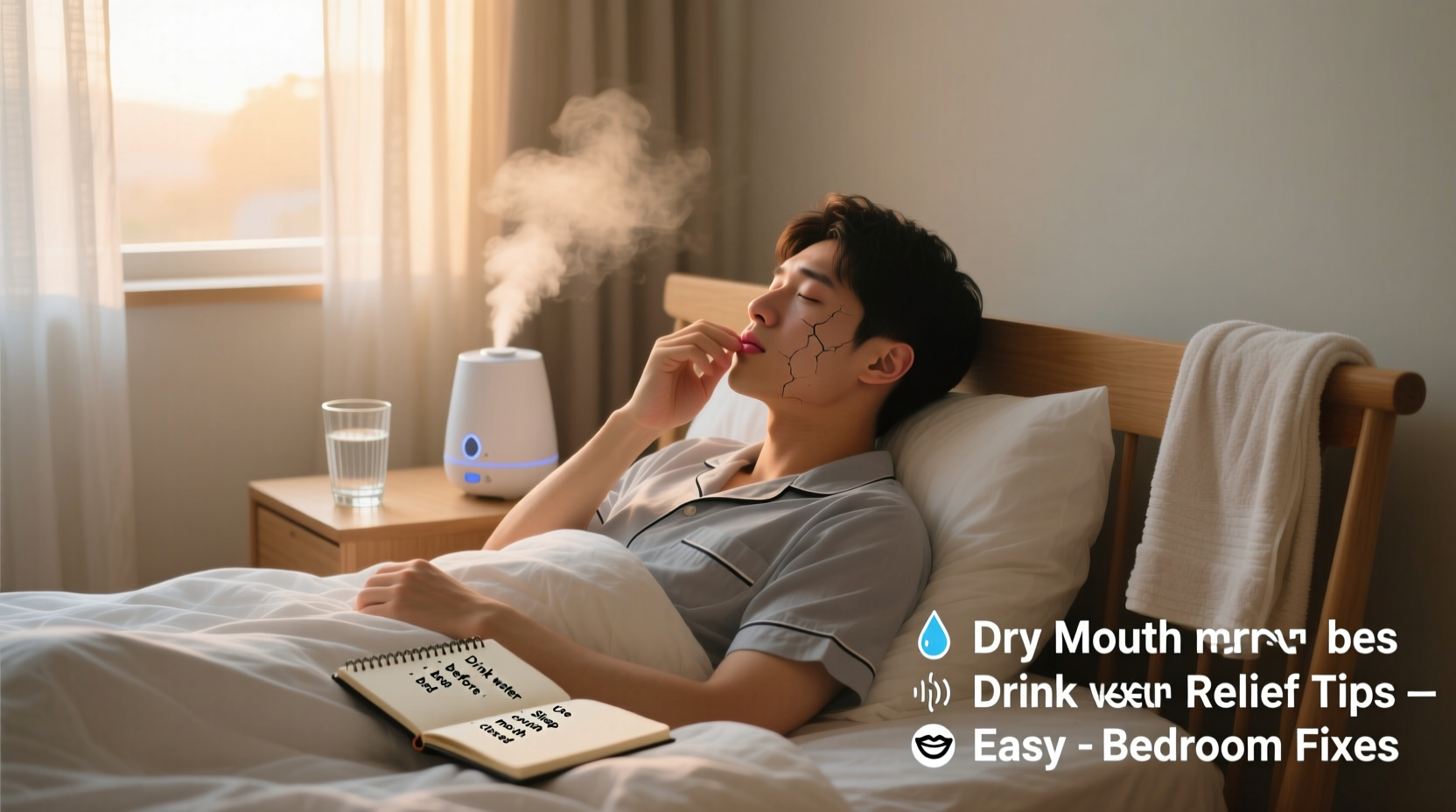
Dry mouth, medically known as xerostomia, occurs when your salivary glands don’t produce enough saliva. Saliva plays a crucial role in oral health—it neutralizes acids, aids digestion, prevents tooth decay, and keeps tissues moist. At night, reduced saliva flow is natural, but excessive dryness suggests a disruption in normal function.
Several factors contribute to waking up with a dry mouth:
- Mouth breathing: One of the most common causes. Whether due to nasal congestion, sleep apnea, or habit, breathing through your mouth dries out oral tissues quickly.
- Dehydration: Not drinking enough water during the day reduces overall fluid levels, impacting saliva production overnight.
- Medications: Over 400 commonly prescribed drugs list dry mouth as a side effect, including antihistamines, antidepressants, blood pressure medications, and diuretics.
- Alcohol and caffeine: Both are dehydrating. Consuming them in the evening amplifies nighttime dryness.
- Smoking or vaping: Tobacco and nicotine reduce saliva flow and irritate mucous membranes.
- Low humidity in the bedroom: Especially in winter, heated indoor air strips moisture from the air and your body.
- Medical conditions: Diabetes, Sjögren’s syndrome, autoimmune disorders, and nerve damage can impair salivary gland function.
- Aging: Saliva production naturally declines with age, making older adults more susceptible.
“Chronic dry mouth isn’t just uncomfortable—it increases the risk of cavities, gum disease, and bad breath. Addressing it early is key to long-term oral health.” — Dr. Lena Patel, Board-Certified Sleep Dentist
How Your Bedroom Environment Affects Oral Hydration
Your sleeping space plays a bigger role in dry mouth than many realize. Temperature, airflow, and humidity levels directly influence how much moisture your body retains overnight. A dry, overheated room accelerates fluid loss through respiration and skin evaporation.
Central heating systems, especially in colder months, reduce indoor humidity to as low as 10–20%, far below the ideal 30–50% range recommended for healthy sleep. In such environments, your mouth and throat lose moisture rapidly—particularly if you’re a mouth breather.
Tip: Place a glass of water on your nightstand. Sipping upon waking helps rehydrate and signals whether your dry mouth is mild or severe.The Role of Airflow and Ventilation
Poor bedroom ventilation traps stale air and exacerbates dryness. Stagnant air lacks moisture exchange, while blocked vents or closed doors restrict fresh airflow. Additionally, fans and HVAC systems can circulate dry air directly onto your face, intensifying oral dehydration.
If you use a CPAP machine for sleep apnea, improper settings or lack of a humidifier can cause significant dry mouth. The constant stream of pressurized air dries the oral cavity unless properly conditioned.
Easy Bedroom Fixes to Prevent Dry Mouth
You don’t need expensive treatments to combat dry mouth. Simple environmental tweaks can make a dramatic difference. Start with these practical, low-cost solutions:
1. Use a Humidifier
A bedroom humidifier adds moisture to the air, maintaining optimal humidity levels (30–50%). Cool-mist models are safest and most effective for year-round use. Place it near your bed—but not too close—to evenly distribute moisture without dampening bedding.
Tip: Clean your humidifier weekly to prevent mold and bacteria buildup, which can worsen respiratory and oral health.2. Switch to Nasal Breathing
Training yourself to breathe through your nose at night reduces mouth dryness significantly. If nasal congestion is the issue, try saline sprays, nasal strips, or allergy management before bed. For chronic blockages, consult an ENT specialist.
Nasal breathing also improves oxygen uptake and supports better sleep architecture, reducing snoring and apnea episodes that often lead to mouth opening.
3. Optimize Your Bed Position
Sleeping flat can encourage mouth opening, especially if you snore. Elevating your head slightly with an extra pillow or an adjustable bed frame helps keep airways open and promotes nasal breathing.
4. Avoid Dehydrating Substances Before Bed
Limit alcohol, caffeine, and salty foods in the hours leading up to sleep. These increase urine production and draw water from tissues, leaving you drier by morning.
5. Choose Breathable Bedding
Overheating triggers sweating and fluid loss. Use moisture-wicking sheets made from cotton, bamboo, or TENCEL™. Avoid synthetic fabrics that trap heat and promote dehydration.
Step-by-Step Evening Routine to Prevent Dry Mouth
Follow this nightly sequence to minimize dry mouth risk:
- Hydrate strategically: Drink a full glass of water 1–2 hours before bed. Avoid chugging right before sleep to prevent bathroom trips.
- Brush and rinse: Use fluoride toothpaste and an alcohol-free mouthwash. Alcohol-based rinses can worsen dryness.
- Humidify the room: Turn on your humidifier 30 minutes before bedtime to stabilize air moisture.
- Clear nasal passages: Use a saline nasal spray or rinse if you tend to have congestion.
- Set the thermostat: Keep your bedroom between 60–67°F (15–19°C) for optimal sleep and reduced fluid loss.
- Check airflow: Ensure vents aren’t blowing directly on your face, and keep the door slightly ajar for circulation.
When to See a Doctor
Occasional dry mouth is usually harmless. But if you experience any of the following, consult a healthcare provider:
- Dryness every morning for more than two weeks
- Frequent thirst, difficulty swallowing, or sore throat
- Noticeable changes in taste or persistent bad breath
- Cracked lips, mouth sores, or increased cavities
These symptoms may point to systemic issues like diabetes, autoimmune disease, or sleep apnea. A dentist or physician can perform tests, review medications, and recommend treatment such as saliva substitutes or prescription therapies.
Case Study: Sarah’s Morning Relief Journey
Sarah, a 42-year-old teacher, woke up daily with a sandpaper-like mouth and frequent headaches. She drank coffee late in the afternoon and used a fan all night. Her bedroom was warm, and she often breathed through her mouth due to seasonal allergies.
After reading about dry mouth risks, she made three changes: switched to decaf after noon, started using a cool-mist humidifier, and applied hypoallergenic nasal strips at night. Within a week, her morning dryness improved dramatically. After a month, she no longer needed water immediately upon waking. Her dentist noted healthier gums at her next checkup, crediting better hydration and reduced mouth breathing.
Sarah’s story shows how small, consistent adjustments can yield major improvements—without medication or expense.
Do’s and Don’ts: Quick Reference Table
| Do’s | Don’ts |
|---|---|
| Use a humidifier in dry seasons | Run a fan directly toward your face |
| Drink water throughout the day | Consume alcohol or caffeine before bed |
| Keep bedroom cool and well-ventilated | Smoke or vape, especially at night |
| Treat allergies or congestion proactively | Ignore persistent dryness for weeks |
| Use alcohol-free oral care products | Use mouthwashes with high alcohol content |
FAQ: Common Questions About Dry Mouth
Can dry mouth cause bad breath?
Yes. Saliva helps wash away food particles and bacteria. When saliva is lacking, odor-causing microbes thrive, leading to halitosis. Chronic dry mouth is a common contributor to persistent bad breath.
Is dry mouth a sign of sleep apnea?
It can be. People with obstructive sleep apnea often breathe through their mouths due to blocked nasal passages or collapsed airways. This leads to dryness. Other signs include loud snoring, gasping at night, and daytime fatigue. If dry mouth is paired with these symptoms, a sleep study may be warranted.
Are there natural remedies for dry mouth?
Yes. Chewing sugar-free gum (especially with xylitol) stimulates saliva. Sipping water frequently, using aloe vera mouth rinses, and practicing nasal breathing exercises can also help. Some find relief with licorice root lozenges, though consult a doctor before long-term use.
Final Checklist: Eliminate Dry Mouth for Good
Before bed tonight, run through this checklist to create a dry-mouth-free sleep environment:
- ✅ Hydrated well throughout the day (aim for 8+ glasses)
- ✅ Avoided alcohol, caffeine, and salty snacks after 6 PM
- ✅ Set up humidifier and filled with clean water
- ✅ Cleared nasal passages with saline spray if needed
- ✅ Adjusted pillow height to support nasal breathing
- ✅ Checked room temperature (ideally 65°F / 18°C)
- ✅ Switched to alcohol-free mouthwash and brushed gently
Conclusion: Wake Up Refreshed, Not Parched
Waking up with a dry mouth doesn’t have to be your normal. By understanding the causes—ranging from bedroom climate to lifestyle habits—you gain control over your morning comfort and long-term oral health. The solutions are simple, affordable, and highly effective when applied consistently. From adding a humidifier to adjusting your evening drink choices, each step brings you closer to restful, hydrated sleep.
Start tonight. Implement one or two changes from this guide and observe how your mornings improve. Small shifts compound into lasting wellness. Share your progress or tips with others who struggle—because everyone deserves to wake up feeling refreshed, not dried out.
💬 Have a dry mouth fix that works for you? Share your experience in the comments and help others start their days with comfort and confidence.








