Every holiday season, millions of homes welcome a fresh Christmas tree into their living rooms. The scent of pine, the tradition of decorating, and the warmth it brings are unmatched. But with that joy comes an inevitable annoyance: sticky pine needles clinging to socks, sweaters, carpets, and even pet fur long after the tree has been taken down. Unlike fallen leaves or dust, these tiny offenders seem magnetically attracted to every surface. Why do Christmas tree needles stick to everything—and more importantly, how can you effectively remove them without spending hours vacuuming? This guide dives into the science behind the cling, offers proven cleaning techniques, and shares practical strategies to minimize mess throughout the season.
The Science Behind Sticky Pine Needles
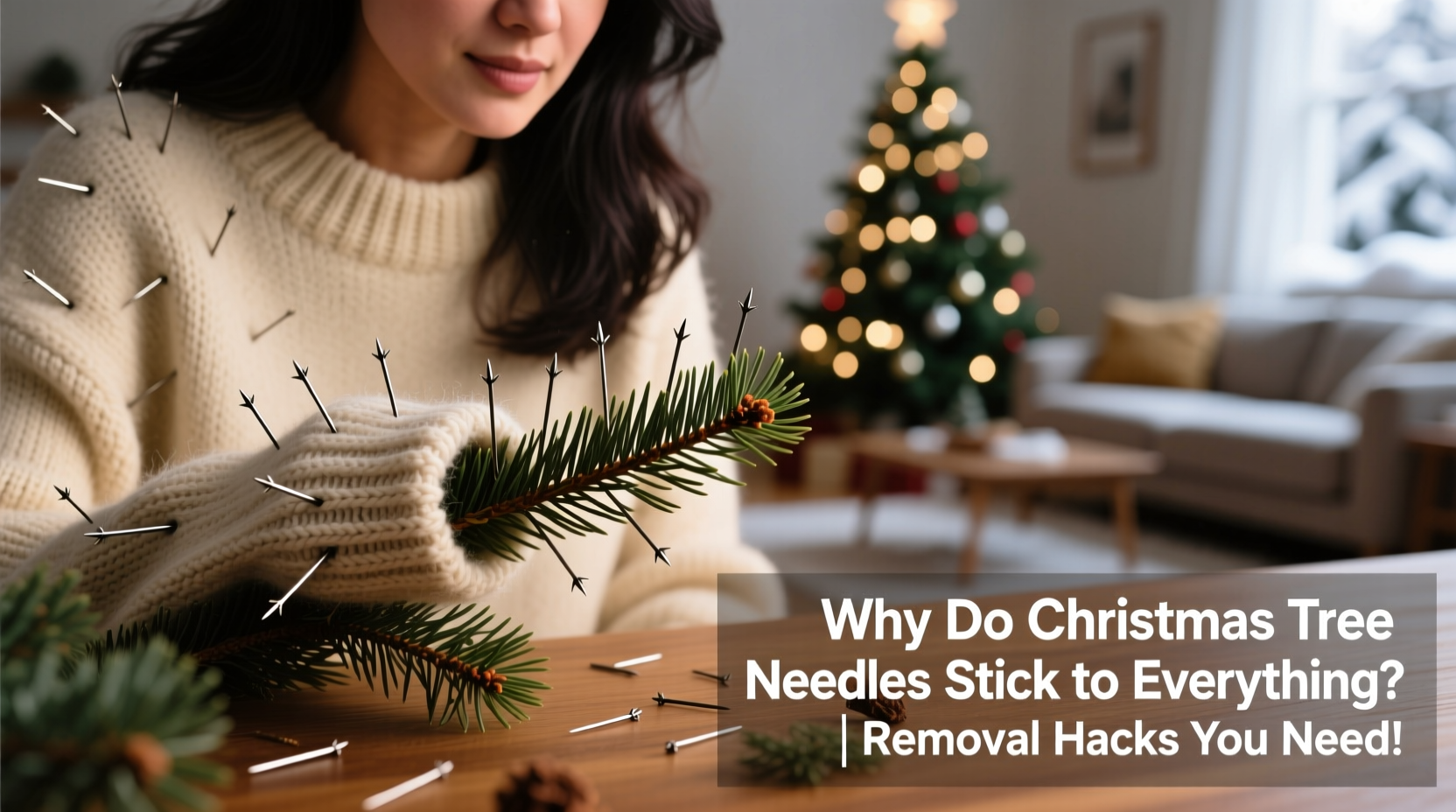
At first glance, a pine needle might seem dry and brittle—certainly not something designed to adhere to fabric or skin. Yet, under the right conditions, they behave almost like natural Velcro. The reason lies in a combination of physical structure, moisture content, and static electricity.
Pine needles have microscopic ridges along their surface. These tiny grooves increase surface area and create friction when they come into contact with fibers in clothing, upholstery, or carpet. When a needle falls from the tree, it often carries residual sap—a sticky, resinous substance that acts as a natural adhesive. Even in small amounts, this sap can cause the needle to latch onto fabrics, especially synthetic materials like polyester or fleece.
Additionally, indoor heating systems reduce humidity during winter months, creating ideal conditions for static buildup. As people walk across rugs or sit on upholstered furniture, static charges accumulate. Pine needles, being lightweight and slightly conductive due to sap content, are easily drawn to charged surfaces. This electrostatic attraction explains why needles often leap onto pant legs or socks seemingly out of nowhere.
“Fresh evergreens release volatile organic compounds and retain sap long after cutting. That residue, combined with low indoor humidity, turns pine needles into unintentional cling agents.” — Dr. Alan Reeves, Botanist & Indoor Air Quality Researcher
Effective Removal Hacks for Different Surfaces
Removing pine needles isn’t just about sweeping or vacuuming—it’s about matching the method to the surface. Using the wrong tool can push needles deeper into fibers or spread sap further. Below are targeted solutions for common household areas affected by needle fallout.
Floors and Hard Surfaces
Hardwood, tile, and laminate floors are relatively easy to manage but require prompt attention. Delayed cleanup allows needles to dry out and shatter, making them harder to collect completely.
Tip: Sweep daily with a soft-bristle broom instead of a vacuum during peak shedding weeks. This prevents static dispersion and keeps larger debris intact.- Damp microfiber mop: Lightly mist a microfiber mop with water to lift stubborn needles via surface tension. The slight moisture neutralizes static and helps trap fine fragments.
- Vinegar solution (optional): Mix one part white vinegar with three parts water to dissolve light sap residue left behind by older needles.
Carpets and Rugs
Carpet fibers are notorious for trapping needles deep within their pile. Vacuuming alone may miss embedded particles, leading to persistent prickliness underfoot.
- Pre-vacuum with a rubber squeegee dragged slowly across the surface. The rubber attracts static-charged needles efficiently.
- Follow up with a vacuum equipped with a motorized brush roll. Run over each section at least twice—once vertically, once horizontally.
- For high-traffic areas, repeat every 2–3 days during active shedding.
Upholstery and Furniture
Sofas, armchairs, and holiday throws become prime targets for stray needles. Because direct vacuuming can damage delicate fabrics, gentler methods are preferred.
- Lint roller: Use heavy-duty tape rollers designed for pet hair. Replace sheets frequently to maintain adhesion power.
- Duct tape trick: Wrap a strip of duct tape around your hand, sticky side out, and pat affected areas. Works well on cushions and between crevices.
- Soft brush + handheld vacuum: Gently dislodge hidden needles with a clothes brush before suctioning them away.
Clothing and Linens
Nothing ruins post-holiday laundry like discovering a pine needle lodged in a sweater’s cuff after washing. Prevention is key, but removal is straightforward if done correctly.
| Surface Type | Best Removal Method | Avoid |
|---|---|---|
| Wool Sweaters | Use tweezers or tape; air dry only | Dryer heat, aggressive brushing |
| Fleece Jackets | Rubber glove swipe + lint roller | Hot water washes (spreads sap) |
| Bedding/Throws | Shake outdoors first, then vacuum | Immediate machine washing without inspection |
Proactive Measures to Reduce Needle Fallout
While complete elimination of needle drop is impossible with real trees, significant reductions are achievable through proper selection, placement, and maintenance.
Choose the Right Tree Species
Not all Christmas trees shed equally. Some varieties naturally retain needles longer due to denser bark and lower sap volatility.
- Frasier Fir: Excellent needle retention, moderate scent.
- Balsam Fir: Strong fragrance, good hold—but higher sap content increases stick potential.
- Nordmann Fir: One of the best for low shedding; popular in Europe for this reason.
- Avoid Scotch Pine: Though inexpensive, it tends to drop needles rapidly once dried.
Hydration Is Key
A freshly cut tree can drink up to a gallon of water per day in its first week. Dehydration accelerates needle loss and increases brittleness, making fragments harder to clean.
Tip: Make a fresh diagonal cut at the base before placing in the stand. This opens blocked vascular channels and improves water uptake.Check water levels daily. Never let the reservoir run dry—even a few hours can seal the stem and prevent reabsorption.
Strategic Placement Matters
Location affects both shedding rate and ease of cleanup. Keep these factors in mind:
- Avoid heat sources: Radiators, fireplaces, and vents dry out trees faster. Maintain at least a 3-foot distance.
- Use a wide tray: Place the tree stand on a waterproof tree skirt or plastic tray lined with paper towels. This catches early fallers and simplifies daily disposal.
- Consider flooring: If possible, position the tree over hard flooring rather than wall-to-wall carpet. It makes sweeping far more efficient.
Step-by-Step Post-Tree Cleanup Timeline
Even with precautions, some needles remain. A structured cleanup plan ensures no residue is left behind after the tree is removed.
- Day 1 – Disassembly & Immediate Sweep: After removing ornaments and lights, take the tree outside immediately. Shake vigorously to release loose needles. Sweep or vacuum the immediate area using a dry method first.
- Day 1 (Evening) – Static Neutralization: Lightly mist carpets and upholstery with anti-static spray or diluted fabric conditioner (1 tsp per liter of water). Let air dry.
- Day 2 – Deep Vacuum Pass: Use a vacuum with HEPA filtration and rotating brush. Focus on baseboards, under furniture, and near electrical outlets where needles migrate.
- Day 3 – Fabric Inspection: Check blankets, curtains, and seasonal clothing stored nearby. Use tape rollers or a damp cloth to retrieve any hidden particles.
- Day 5 – Final Spot Check: Walk barefoot across carpets to detect sharp spots. Re-vacuum if necessary. Wipe baseboards with a damp microfiber cloth to catch airborne dust-sap mix.
Real-Life Example: The Johnson Family’s Low-Mess Holiday
The Johnsons in Portland, Oregon, had grown frustrated with their annual \"pine needle aftermath.\" For years, they’d spend January picking shards out of socks and vacuuming weekly. In 2022, they decided to test a new approach.
They selected a Nordmann fir known for excellent needle retention, kept it hydrated with daily checks, and placed it over a hardwood floor extension covered with a removable runner. Around the base, they used a reusable silicone tree tray that trapped falling needles and sap.
Each evening, they did a quick five-minute sweep with a soft broom. When it came time to remove the tree in early January, they were shocked at how little debris remained. Their final cleanup took less than 30 minutes—down from nearly three hours the previous year.
“We didn’t realize how much difference hydration and surface choice made,” said Sarah Johnson. “Now we actually look forward to setting up the tree—not dreading the mess.”
Essential Checklist: Minimize and Manage Needle Cling
Follow this actionable checklist to stay ahead of the mess throughout the holiday season.
- ☑ Select a low-shed tree species (e.g., Nordmann or Frasier fir)
- ☑ Make a fresh cut before placing in stand
- ☑ Fill stand with room-temperature water immediately
- ☑ Check water level daily for first two weeks
- ☑ Position tree away from heat sources and vents
- ☑ Use a large drip tray or runner beneath the stand
- ☑ Sweep or dry-mop around tree every 1–2 days
- ☑ Keep lint rollers and tape handy in living areas
- ☑ Vacuum carpets weekly during display period
- ☑ Perform full post-removal deep clean within 48 hours
Frequently Asked Questions
Do artificial trees solve the needle problem?
Yes, most artificial trees don’t shed actual needles. However, cheaper models can lose plastic tips over time, which are also difficult to clean and pose choking hazards for pets. High-quality silken or hinged-tip trees offer better durability and minimal mess.
Can I prevent static-related needle cling?
Absolutely. Increasing indoor humidity to 40–50% using a humidifier reduces static buildup significantly. You can also lightly mist the air around the tree (not the tree itself) with water to dissipate charges—just avoid wetting the trunk or lights.
Are pine needles harmful if left on the floor?
While not toxic in small quantities, dried needles can splinter and puncture bare feet. They also contribute to dust accumulation and may trigger allergies in sensitive individuals. Pets, especially dogs, may ingest them while grooming, potentially causing mild gastrointestinal upset. Prompt removal is recommended.
Conclusion: Enjoy the Holidays Without the Lingering Mess
Christmas tree needles sticking to everything isn’t just a myth—it’s a predictable result of biology, physics, and winter indoor conditions. But understanding why it happens empowers you to fight back effectively. From choosing the right tree and maintaining hydration to deploying smart cleaning tools and timing your post-season cleanup, control is within reach.
The goal isn’t perfection—it’s manageable enjoyment. With these science-backed strategies, you can preserve the magic of a real tree without sacrificing weeks of comfort and cleanliness. Implement even a few of these hacks, and you’ll notice a dramatic difference in your holiday experience.
💬 Have a clever needle-removal trick we didn’t mention? Share your tip in the comments and help fellow readers enjoy a cleaner, cozier holiday season!