It’s not uncommon to notice that some individuals who are blind have eyes that appear cloudy or white. This visual change can be striking and often raises questions: Is blindness the cause of the white appearance? Or does an underlying condition lead to both vision loss and the whitening of the eye? The answer lies in a range of medical conditions that affect the structure and clarity of the eye. Understanding these causes is essential not only for awareness but also for early detection and management of treatable eye diseases.
Understanding the Anatomy Behind Eye Clarity
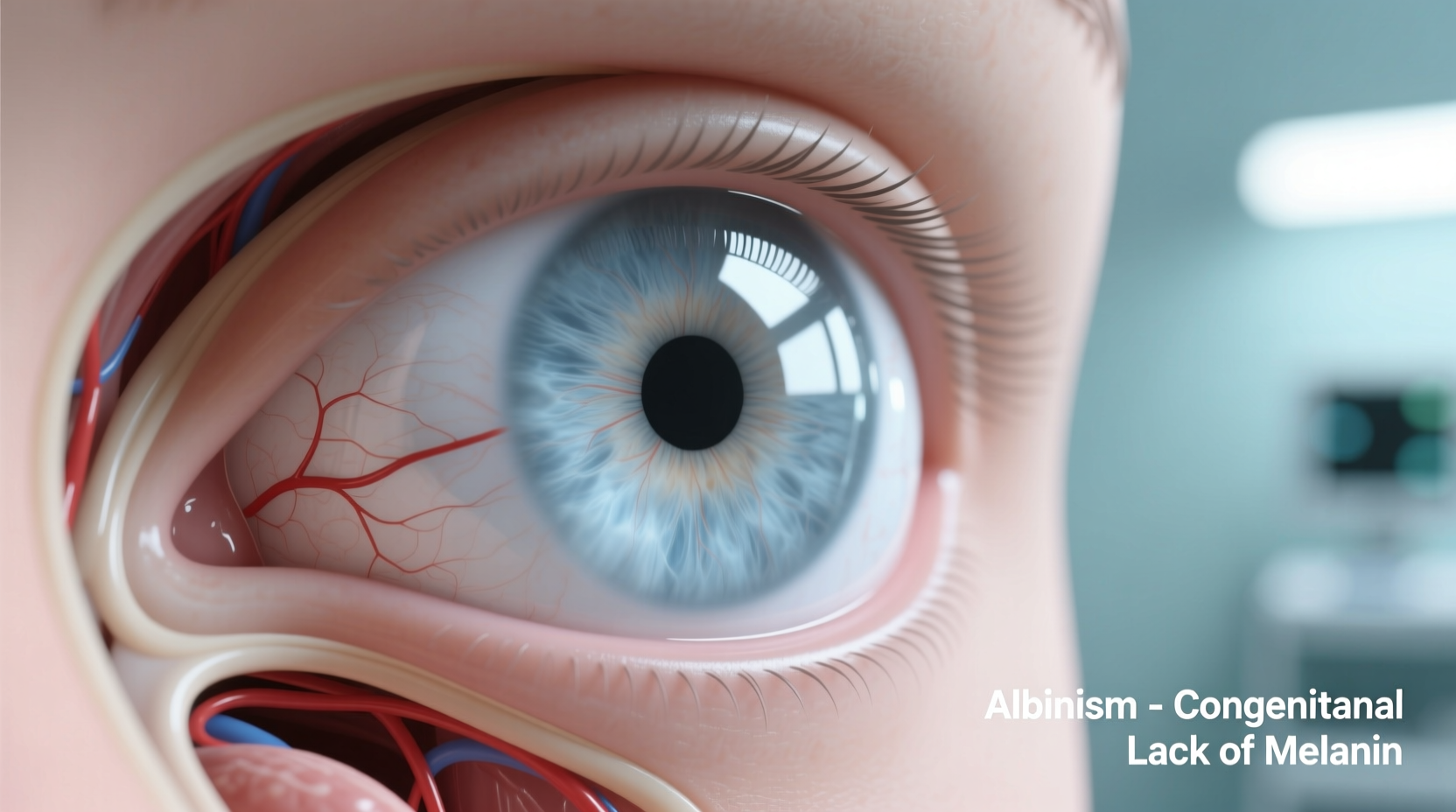
The human eye relies on transparent structures—most notably the cornea and lens—to focus light onto the retina. When these tissues remain clear, the eye appears black or dark brown because light enters and is absorbed by the interior. However, when the cornea becomes scarred or the lens turns opaque due to cataracts, light no longer passes through effectively. Instead, it reflects off the surface, giving the eye a milky or white appearance.
This whitening is not a direct result of blindness itself, but rather a symptom of specific ocular pathologies that often accompany severe vision impairment. In many cases, the same disease that leads to blindness also alters the physical appearance of the eye.
Tip: A white or cloudy pupil in a photo (instead of red-eye) can be an early warning sign of serious eye conditions like cataracts or retinoblastoma—seek immediate medical evaluation.Common Medical Conditions That Cause White Eyes in Blindness
Several diseases can lead to both vision loss and the whitening of the eye. These conditions vary by age of onset, progression, and geographic prevalence, but all involve structural damage to key parts of the eye.
1. Cataracts
Cataracts occur when the eye’s natural lens becomes cloudy, typically due to aging, trauma, or congenital defects. As the lens opacity increases, it scatters light and gives the pupil a white or grayish hue. While cataracts are reversible with surgery, in regions with limited healthcare access, untreated cataracts remain a leading cause of preventable blindness—and visibly white eyes.
2. Corneal Scarring (Leukoma)
The cornea, the clear front surface of the eye, can become scarred due to infections (like trachoma or herpes keratitis), injuries, or vitamin A deficiency. Once scarred, the cornea loses transparency and may appear white or chalky. This condition, known as leukoma, blocks vision and alters the eye’s appearance permanently unless treated with a corneal transplant.
“Corneal opacity is one of the most visible markers of unmet eye health needs globally. It’s not just about sight—it’s about dignity and social inclusion.” — Dr. Paul Courtright, Co-Director, Kilimanjaro Centre for Community Ophthalmology
3. Glaucoma (Advanced Stages)
While glaucoma primarily damages the optic nerve, long-standing, untreated cases—especially in children (congenital glaucoma)—can lead to corneal edema. The cornea swells and becomes hazy, giving the eye a bluish-white tint. Enlarged eyes (buphthalmos) combined with cloudiness are classic signs in infants.
4. Retinoblastoma
This rare childhood cancer of the retina can present with a white reflex in the pupil (leukocoria), often noticed in photographs. Though not always associated with total blindness at onset, if undiagnosed, it leads to complete vision loss and may require eye removal. The affected eye may appear white due to tumor mass behind the lens.
5. Phthisis Bulbi
In end-stage eye disease, whether from chronic inflammation, trauma, or failed surgeries, the eye can shrink and collapse—a condition called phthisis bulbi. The surface becomes irregular and opaque, often appearing white or sunken. This irreversible state results in both blindness and disfigurement.
Do All Blind People Have White Eyes?
No. The majority of people who are blind do not have visibly white eyes. Vision loss can occur due to conditions that leave the external eye looking normal. For example:
- Optic nerve damage (e.g., from glaucoma or multiple sclerosis) affects signal transmission but doesn’t alter eye color.
- Retinal diseases like retinitis pigmentosa or macular degeneration impair vision while the eye remains anatomically clear.
- Brain-related visual impairment (cortical blindness) stems from neurological issues, not eye abnormalities.
The misconception that all blind individuals have white eyes likely stems from historical depictions and high visibility of advanced, untreated eye diseases in low-resource settings. In modern healthcare systems, many causes of blindness are managed before such dramatic physical changes occur.
Global Health Perspective: Why White Eyes Are More Common in Some Regions
The presence of white eyes as a marker of blindness is disproportionately seen in low- and middle-income countries. According to the World Health Organization, over 90% of the world’s blind population lives in these regions, where access to eye care is limited.
| Condition | Primary Cause of White Eye | Treatable? | Common Regions |
|---|---|---|---|
| Cataracts | Lens opacity | Yes (surgery) | Sub-Saharan Africa, South Asia |
| Trachoma | Corneal scarring | Preventable with hygiene | Rural Africa, Middle East |
| Vitamin A Deficiency | Corneal ulceration and melting | Yes (supplements/prevention) | South Asia, Sub-Saharan Africa |
| Untreated Glaucoma | Corneal edema | Limited in late stages | Global, higher in underserved areas |
These conditions highlight a critical gap: many cases of white eyes are preventable or treatable with timely intervention. Public health initiatives focusing on vaccination, nutrition, and accessible ophthalmic care can dramatically reduce their incidence.
Mini Case Study: A Preventable Tragedy in Rural Ethiopia
Alem, a 7-year-old boy in a remote Ethiopian village, began showing signs of eye irritation and light sensitivity at age 3. His parents, unaware of the severity, attributed it to dust. Over time, his eyes became increasingly cloudy, eventually turning white. By the time he reached a mobile clinic, he had bilateral corneal scarring from untreated trachoma and was completely blind.
Health workers determined that regular face-washing, antibiotic treatment, and basic sanitation could have prevented his condition. Alem’s story is not unique—it reflects systemic challenges in rural eye care access. Today, he attends a school for the blind, but his case underscores the importance of community education and early screening.
Step-by-Step: Recognizing Warning Signs of Eye Opacity
Early detection can prevent irreversible damage. Follow this timeline to identify and respond to potential causes:
- Infancy (0–12 months): Check photos for absence of red-eye; a white glow (leukocoria) may indicate cataracts or retinoblastoma.
- Childhood (1–10 years): Watch for frequent eye rubbing, squinting, or sensitivity to light—possible signs of infection or glaucoma.
- Adolescence and Adulthood: Note any gradual blurring, double vision, or glare—early symptoms of cataracts.
- Any Age: Sudden cloudiness, pain, or redness warrants urgent care to rule out infection or injury.
- Seek Evaluation: Visit an ophthalmologist if there’s family history of eye disease or nutritional deficiencies.
FAQ
Can white eyes be reversed?
In some cases, yes. Cataracts can be removed surgically, restoring clarity and sometimes vision. Corneal transplants may restore transparency in scarred corneas. However, in advanced conditions like phthisis bulbi, reversal is not possible.
Is a white eye always a sign of blindness?
Not necessarily. Early-stage cataracts may cause cloudiness without total vision loss. Conversely, many blind individuals have normal-looking eyes. Appearance alone is not a reliable indicator of visual function.
Are babies born with white eyes?
No. Newborns may have cloudy eyes due to congenital cataracts, glaucoma, or birth trauma, but this develops shortly after birth. A white pupil should always prompt immediate specialist referral.
Checklist: Protecting Eye Health and Preventing Visible Damage
- ✅ Schedule regular eye exams—even if vision seems normal.
- ✅ Ensure children receive vitamin A supplements if in high-risk areas.
- ✅ Practice good hygiene to prevent infectious eye diseases.
- ✅ Use protective eyewear during sports or hazardous work.
- ✅ Seek immediate care for eye injuries or sudden vision changes.
- ✅ Share family history of eye diseases with your doctor.
Conclusion
The whitening of the eyes in some blind individuals is not a universal trait but a visible consequence of specific, often preventable, medical conditions. From cataracts to corneal scarring, these pathologies underscore the importance of accessible eye care and early intervention. Awareness saves sight—whether through recognizing a white pupil in a child’s photo or advocating for better public health policies.
💬 You can make a difference. Share this information, support vision charities, or simply check in on loved ones’ eye health. Small actions today can prevent irreversible loss tomorrow.








