Every holiday season, millions of homes across the world twinkle with strings of festive Christmas lights. For many, the ritual of decorating includes untangling strands, testing circuits, and occasionally replacing a burned-out bulb. But one small detail often goes unnoticed until it's needed: the presence—or absence—of spare bulbs tucked into the plug or storage box. Some light sets come with extras neatly stored in a plastic compartment, while others offer none at all. This inconsistency raises a simple but important question: Why do some Christmas lights include spare bulbs, and others don’t?
The answer lies in a combination of manufacturing philosophy, product design, market segmentation, and evolving technology. Understanding this distinction helps consumers make smarter purchasing decisions, extend the life of their decorations, and avoid last-minute trips to the store when a single dark bulb disrupts an otherwise perfect display.
The Role of Bulb Type and Technology
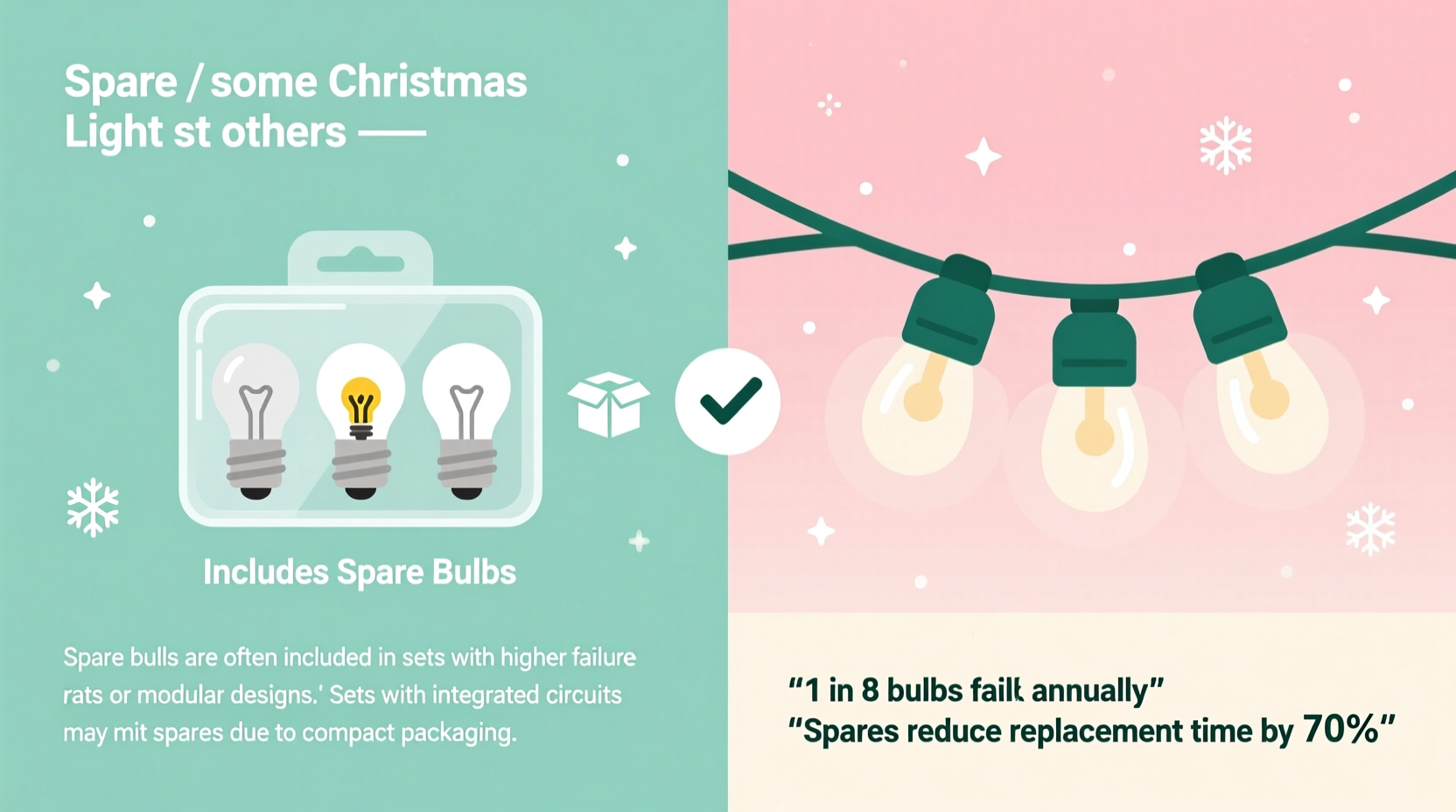
One of the most significant factors determining whether spare bulbs are included is the type of bulb used in the set. Traditional incandescent mini lights have long been associated with spare bulbs because they are more prone to burnout. These bulbs operate by heating a filament until it glows, a process that wears down the metal over time. When one bulb fails, it can break the circuit, causing an entire section—or even the whole strand—to go dark.
To mitigate this issue, manufacturers of incandescent sets often include two to six spare bulbs. These extras allow users to quickly replace dead bulbs and restore functionality without replacing the entire string. The inclusion of spares was once considered standard practice for incandescent light sets, especially those marketed toward homeowners who valued reliability and ease of maintenance.
In contrast, LED (light-emitting diode) Christmas lights are far more durable and energy-efficient. LEDs don’t rely on filaments and are less susceptible to shock, vibration, and heat degradation. As a result, they have a significantly longer lifespan—often rated between 25,000 and 50,000 hours. Because individual LED bulbs rarely fail, manufacturers see little need to include spares. Instead, they emphasize longevity and low maintenance as selling points.
Tip: If you're using older incandescent lights, always keep the original packaging with spare bulbs stored inside—it could save your display mid-season.Manufacturer Strategy and Market Positioning
Beyond technical differences, the decision to include spare bulbs reflects broader business strategies. Premium brands—particularly those marketing commercial-grade or heavy-duty lighting—often include spares as a sign of quality and customer care. This gesture reinforces the perception that the product is built to last and that the company stands behind its reliability.
Conversely, budget-friendly or disposable-style light sets, commonly found in discount stores or seasonal pop-up shops, frequently omit spare bulbs. These products are designed with short-term use in mind. Retailers assume many buyers will discard the set after one or two seasons rather than repair it. From a cost perspective, eliminating spare bulbs reduces packaging complexity and material expenses, even if only marginally.
“Including spare bulbs signals investment in user experience. It tells the customer, ‘We expect this to last, and we want you to be prepared.’” — Daniel Reeves, Product Design Consultant, Holiday Lighting Co.
This subtle branding cue influences consumer trust. A package with a dedicated compartment for spare bulbs feels more thoughtful and complete, even if the feature is never used. On the other hand, the absence of spares may suggest disposability, regardless of the actual durability of the lights.
Design Features That Reduce the Need for Spares
Modern Christmas light engineering has evolved to minimize dependency on spare bulbs altogether. One key innovation is the use of shunt-wired bulbs in incandescent sets. A shunt is a small wire embedded in the bulb’s base that activates when the filament breaks, allowing current to bypass the dead bulb and keep the rest of the strand lit. While the faulty bulb remains dark, the overall display stays functional—reducing urgency for replacement.
Additionally, many newer light sets feature “stay-lit” technology or parallel wiring configurations. Unlike traditional series-wired strings—where one failed bulb cuts power to the entire circuit—parallel wiring isolates each bulb. This means a single failure doesn’t affect others, making spares less critical.
LED strings take this further by integrating multiple safeguards. Most LED sets operate on low voltage and include built-in fuses and surge protection. They’re also typically constructed with sealed, non-removable bulbs. In such cases, individual bulb replacement isn’t possible anyway, rendering spare bulbs irrelevant.
Practical Implications for Consumers
Understanding why some sets include spares—and others don’t—empowers shoppers to make informed choices based on their needs. Homeowners planning elaborate, long-term displays should prioritize lights with serviceable components and available replacements. Renters or casual decorators might find value in affordable, low-maintenance LED options—even without spares.
Here’s a practical checklist to guide your next purchase:
Checklist: Choosing Christmas Lights With or Without Spare Bulbs
- Evaluate bulb type: Incandescent? Likely includes spares. LED? Probably not.
- Check packaging: Look for a labeled spare bulb compartment near the plug or in the storage box.
- Assess repairability: Can individual bulbs be removed and replaced?
- Consider lifespan: LEDs last longer but can’t be repaired; incandescents may need maintenance.
- Read reviews: Users often mention whether spares were included and how long the set lasted.
Comparison Table: Light Types and Spare Bulb Inclusion
| Light Type | Spare Bulbs Included? | Average Lifespan | Repairable? | Best For |
|---|---|---|---|---|
| Incandescent Mini Lights | Yes (commonly) | 1,000–3,000 hours | Yes | Traditional displays, repair-focused users |
| LED Mini Lights (Replaceable) | Sometimes | 25,000–50,000 hours | Yes (limited models) | Long-term use, moderate maintenance |
| Integrated LED Strings | No | 30,000–50,000 hours | No | Low maintenance, seasonal decorators |
| Commercial-Grade Incandescent | Yes (almost always) | 2,000–5,000 hours | Yes | Outdoor displays, high-reliability needs |
A Real-World Example: The Neighborhood Display Dilemma
Consider Mark, a homeowner in Ohio known for his elaborate holiday light show. Each year, he installs over 20,000 bulbs across his roofline, trees, and driveway. Ten years ago, he relied entirely on incandescent mini lights—all of which came with spare bulbs. He kept a labeled container in his garage stocked with extras from previous purchases.
Two years ago, Mark began transitioning to LED strings for energy savings. However, he quickly noticed that several of his new sets didn’t include spares—and worse, when a few bulbs failed due to weather exposure, he couldn’t replace them. The manufacturer had fused the LEDs directly into the wire. While most of the display remained intact, small dark spots appeared in otherwise uniform strands.
After researching, Mark discovered that only certain LED models support removable bulbs. He now selectively purchases “serviceable” LED sets from brands like Gemmy and Holiday Time, which still include spares. His experience illustrates a growing divide in the market: convenience versus repairability.
Step-by-Step: How to Prepare for Bulb Failures (With or Without Spares)
Whether your lights come with spare bulbs or not, proactive maintenance ensures a flawless display. Follow these steps before and during the holiday season:
- Inspect Before Hanging: Plug in each string indoors before installation. Note any dark bulbs or flickering sections.
- Test Individual Bulbs: Use a bulb tester or gently wiggle each bulb to check for loose connections.
- Label and Store Spares: If your set includes spares, transfer them to a labeled ziplock bag with the light string.
- Purchase Compatible Replacements: For incandescent or serviceable LED sets, buy a universal spare bulb pack matching your bulb size (e.g., T1¾).
- Carry a Repair Kit: Keep a small pouch with spare bulbs, a bulb remover tool, and spare fuses when installing outdoor lights.
- Monitor During Season: Check lights weekly, especially after storms or extreme temperature shifts.
- Store Carefully: Wrap lights around a cardboard reel or use a storage reel to prevent damage that could lead to future failures.
Frequently Asked Questions
Do all incandescent Christmas lights come with spare bulbs?
No, not all do. While it was once standard, some budget or imported incandescent sets now omit spares to cut costs. Always check the packaging or product description before purchasing.
Can I buy spare bulbs separately for LED light sets?
Only if the LEDs are designed to be replaceable. Most modern LED strings have non-removable bulbs. If yours are replaceable, look for exact match specifications (size, color, voltage) online or through the manufacturer.
What should I do if my light set has no spares and a bulb burns out?
If the string uses replaceable bulbs, purchase a compatible spare pack. If not, consider using the failed section as-is (since LEDs often stay lit), or replace the entire strand. For valuable displays, some enthusiasts keep retired strings solely for harvesting working bulbs.
Final Thoughts: Planning Beyond the Packaging
The presence or absence of spare bulbs in a Christmas light set is more than a minor packaging detail—it reflects deeper trends in design, sustainability, and consumer expectations. While the shift toward LEDs reduces the need for replacements, it also limits repairability. Meanwhile, traditional incandescent users benefit from spares but face higher energy costs and shorter lifespans.
Ultimately, the best approach is intentional selection. Consider how long you plan to use the lights, your willingness to perform maintenance, and the importance of a flawless display. Don’t assume that no spares mean poor quality—nor that included spares guarantee longevity. Read labels, understand the technology, and prepare accordingly.
💬 Have a favorite tip for maintaining Christmas lights or a story about a last-minute bulb rescue? Share your experience in the comments—your insight could help another decorator save their holiday display!








