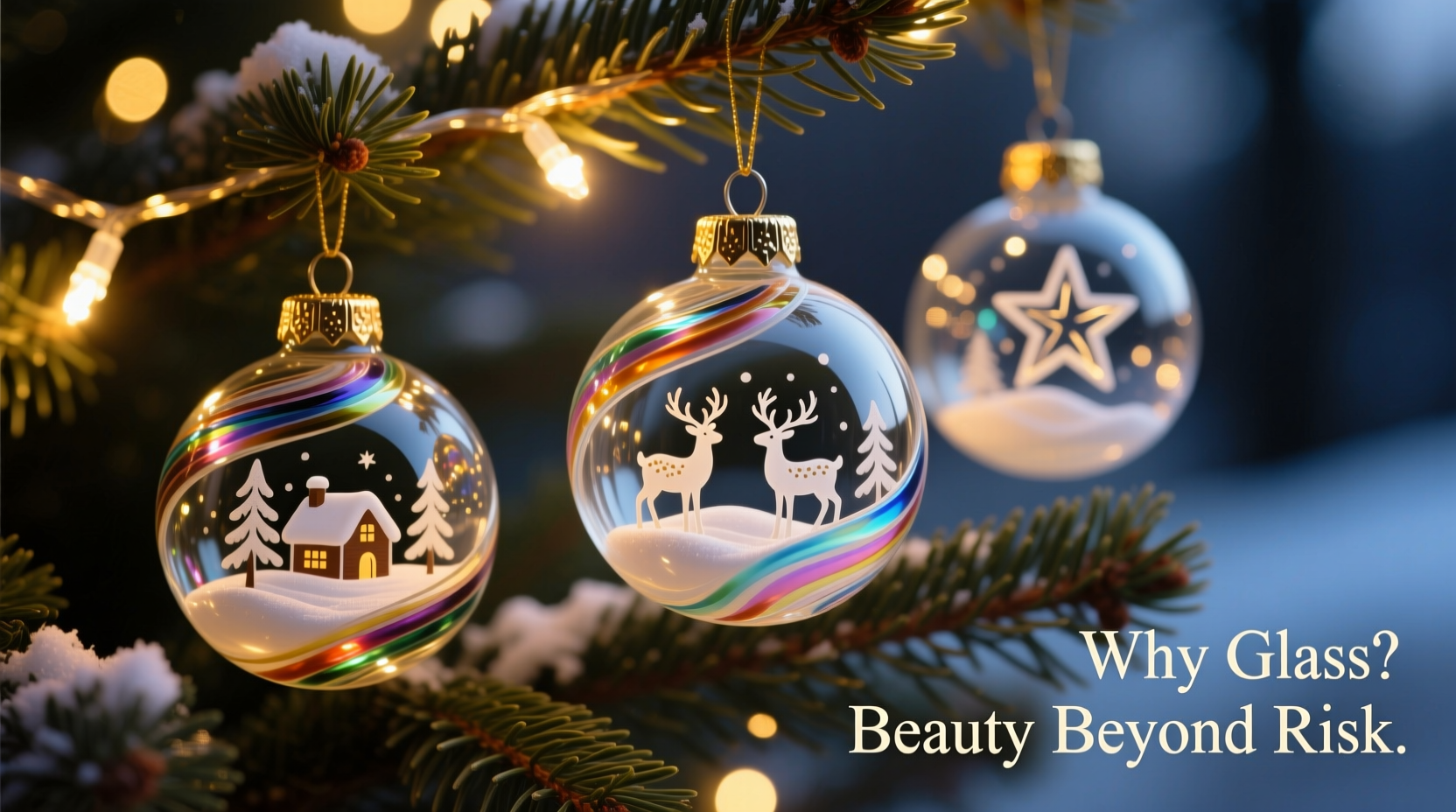
Every holiday season, millions of homes around the world sparkle with delicate glass ornaments—shimmering snowflakes, hand-painted baubles, and vintage Santa figurines hang from tree branches like fragile jewels. Despite the obvious hazards of breakage and potential injury, glass remains a cherished material in Christmas decor. But why? And more importantly, in an age of durable plastics and shatter-resistant alternatives, are these fragile treasures still worth the risk?
The answer lies in a blend of history, craftsmanship, emotional value, and aesthetic appeal. While safety concerns are valid—especially in homes with children or pets—the enduring popularity of glass decorations speaks to something deeper than mere function. They are heirlooms, symbols of continuity, and testaments to artisan traditions that span over a century.
A Legacy Forged in Fire: The Origins of Glass Ornaments
Glass Christmas decorations trace their roots back to 19th-century Germany, particularly the mountainous region of Thuringia. According to legend, a local glassblower named Hans Greiner began crafting glass spheres in the 1840s after struggling to find affordable fruit to decorate his family’s tree. Apples were traditionally used, but they were expensive and spoiled quickly. In search of a lasting alternative, Greiner fashioned glass apples—and thus, the first glass Christmas ornament was born.
The craft quickly spread through small workshops in Lauscha, a village known for its fine glasswork. By the 1880s, German artisans were producing intricate glass figures—birds, angels, fruits, and stars—using a technique called freehand glassblowing. These ornaments were then silvered on the inside with mercury-based solutions (later replaced by safer substances) to enhance reflectivity, giving them a luminous glow when lit by candlelight.
As trade expanded, so did demand. American retailers like F.W. Woolworth began importing German glass ornaments in bulk, making them accessible across North America. By the early 20th century, glass had become synonymous with high-quality Christmas decor.
“Glass ornaments represent a fusion of art and ritual. Each one carries not just light, but memory.” — Dr. Elena Fischer, Cultural Historian at the Museum of Decorative Arts
The Allure of Glass: Why It Still Captures Our Imagination
In an era dominated by mass production and synthetic materials, glass ornaments stand out for several reasons:
- Unmatched Aesthetic Quality: Glass refracts light in ways plastic cannot. Its depth, clarity, and ability to hold paint and metallic finishes give it a luxurious, timeless appearance.
- Tactile Elegance: The weight and coolness of glass in hand convey quality. Unlike lightweight plastic, glass feels substantial and intentional.
- Artisan Craftsmanship: Many glass ornaments are still handmade using traditional techniques. Each piece bears slight imperfections that add character—a hallmark of authenticity in a world of uniformity.
- Emotional Resonance: Families often pass down glass ornaments through generations. A chipped snowman or a lopsided star becomes a vessel of stories, evoking nostalgia and connection.
This emotional and sensory richness explains why many people go to great lengths to preserve and display glass decorations—even when safer options exist.
Tip: When unpacking vintage glass ornaments, handle them over a soft towel to cushion any accidental drops.Weighing the Risks: Safety vs. Sentiment
No discussion of glass Christmas decorations is complete without addressing the real dangers they pose. Broken glass can cause cuts, especially if stepped on barefoot. Small shards may be hard to clean completely, posing lingering risks. Children and pets are particularly vulnerable—not only due to curiosity but also because of their proximity to the ground where broken pieces settle.
Moreover, older ornaments may contain hazardous materials. Pre-1950s glassware sometimes used lead-based paints or mercury linings. While modern manufacturers adhere to safety standards, vintage finds from flea markets or attics could present health risks if damaged or improperly handled.
Yet, for many families, the risks are manageable with proper precautions. The decision often comes down to context: Is the tree in a high-traffic area? Are young children present daily? Is the ornament collection irreplaceable?
When the Risk Might Be Too High
In certain situations, even sentimental value may not justify the hazard:
- Homes with toddlers who frequently run near or touch the tree.
- Families with dogs or cats prone to jumping or tail-swiping ornaments.
- Situations where decorations are placed low or within easy reach.
- Ornaments that are already cracked or structurally compromised.
Still, outright dismissal ignores the cultural and psychological significance of these objects. As one collector put it: “My grandmother’s 1937 Dresden angel isn’t just a decoration—it’s her presence during the holidays.”
Balancing Tradition and Safety: Practical Strategies
For those unwilling to abandon glass ornaments but concerned about safety, a balanced approach is possible. Thoughtful placement, protective measures, and selective substitution can preserve tradition while minimizing danger.
- Use Higher Tree Branches: Reserve glass ornaments for the upper two-thirds of the tree, keeping them out of reach.
- Choose Shatterproof Alternatives for Lower Zones: Fill lower branches with plastic, felt, or wooden ornaments that mimic the look of glass.
- Secure Ornaments with Sturdy Hooks: Use twist-tie wire or padded clips instead of flimsy strings that can snap.
- Inspect Before Hanging: Check each piece for cracks, weak seams, or loose paint. Discard or repair damaged items.
- Light the Tree Wisely: LED lights generate less heat than incandescent bulbs, reducing thermal stress on glass.
- Set Boundaries: Teach children that glass ornaments are “look but don’t touch” items, reinforcing rules gently but consistently.
Case Study: The Miller Family’s Hybrid Approach
The Millers, a family of five in Ohio, love their collection of 40+ glass ornaments—many inherited from grandparents. With two children under six and a curious golden retriever, they once faced a shattered-bauble crisis every December. After three years of accidents and frustration, they redesigned their decorating strategy.
They now use a dual-tree system: a smaller, elevated “memory tree” in the living room displays all glass pieces, safely above reach. A second, child-friendly tree in the playroom features homemade crafts and unbreakable replicas. The kids help decorate both, learning the difference between fragile heirlooms and everyday fun.
Result? No injuries in four years, preserved family traditions, and a new ritual that honors both safety and sentiment.
Do’s and Don’ts: A Quick Reference Table
| Do | Don’t |
|---|---|
| Store glass ornaments in compartmentalized boxes | Wrap them loosely in newspaper where they can clink together |
| Place glass ornaments high on the tree | Hang heavy glass pieces on weak or outer branches |
| Use LED lights to reduce heat exposure | Drape hot incandescent strands directly over glass |
| Clean hands before handling to avoid oil transfer | Handle with greasy or wet fingers |
| Display vintage ornaments behind glass cases if too fragile | Use antique mercury-lined balls as active tree decorations |
Frequently Asked Questions
Are modern glass ornaments safer than vintage ones?
Generally, yes. Contemporary glass ornaments are made with lead-free paints and safer interior coatings. They also benefit from improved manufacturing standards and quality control. However, they are still breakable, so physical safety risks remain unless properly managed.
Can I replace broken glass ornaments with replicas?
Yes—and many collectors do. Companies like Old World Christmas and Kurt Adler specialize in reproductions of classic designs. Some even offer custom painting to match heirloom pieces. While not identical, these replicas can preserve visual continuity without the fragility.
How do I dispose of old glass ornaments safely?
Wrap broken or unwanted ornaments in multiple layers of paper or place them in a sealed container labeled “broken glass.” Do not discard them loosely in the trash. If the ornament contains mercury (common in pre-1940s pieces), contact your local hazardous waste facility for disposal guidance.
Making the Choice: Is It Worth the Risk?
The question isn’t purely logistical—it’s deeply personal. For some, the risk of a broken ornament outweighs any nostalgic value. For others, the joy of seeing a grandmother’s favorite bell shimmer on the tree transcends caution.
The truth is, most risks can be mitigated with planning. You don’t have to choose between safety and tradition; you can honor both. By adopting smart display practices, educating household members, and selectively using alternatives, families can enjoy the beauty of glass without compromising well-being.
Ultimately, Christmas decorations—glass or otherwise—are about meaning. They mark time, celebrate heritage, and transform spaces into places of warmth and memory. When handled with care, glass ornaments can continue to serve that purpose for generations to come.
Checklist: Safe Handling of Glass Christmas Ornaments
- ✅ Inspect each ornament for cracks or damage before hanging
- ✅ Assign glass pieces to high, secure branches
- ✅ Use protective storage with individual compartments
- ✅ Keep younger children and pets supervised near the tree
- ✅ Replace missing or weak hooks with sturdy alternatives
- ✅ Use cool-burning LED lights to minimize heat stress
- ✅ Have a cleanup kit ready (dustpan, tape, flashlight) for emergencies
- ✅ Consider displaying rare or fragile pieces in shadow boxes instead
Conclusion: Honor the Past, Protect the Present
Glass Christmas decorations endure not because they’re practical, but because they’re meaningful. Their fragility mirrors the fleeting nature of the season itself—precious, transient, and worthy of attention. Rather than reject them outright, we can embrace them wisely.
Whether you’re dusting off a box of family heirlooms or buying your first hand-blown ball, remember: tradition doesn’t require recklessness. With thoughtful choices, you can keep the sparkle alive—without the shards.
💬 What’s your story with glass ornaments? Share how you balance beauty and safety in your holiday decor—we’d love to hear your traditions and tips!