For many people struggling with anxiety, restlessness, or difficulty falling asleep, the promise of deep pressure therapy (DPT) has brought new hope. Weighted blankets have become widely recognized tools for improving sleep quality, but a newer contender—weighted plush toys—has quietly entered the market. These soft, huggable companions offer a lighter, more portable alternative to full-sized blankets. But do they actually deliver the same calming benefits? And can a plushie truly help you sleep better?
The answer depends on individual needs, sleep habits, and what you're looking for in a therapeutic tool. While both products rely on the principle of deep pressure stimulation, their design, application, and effectiveness vary significantly.
Understanding Deep Pressure Therapy
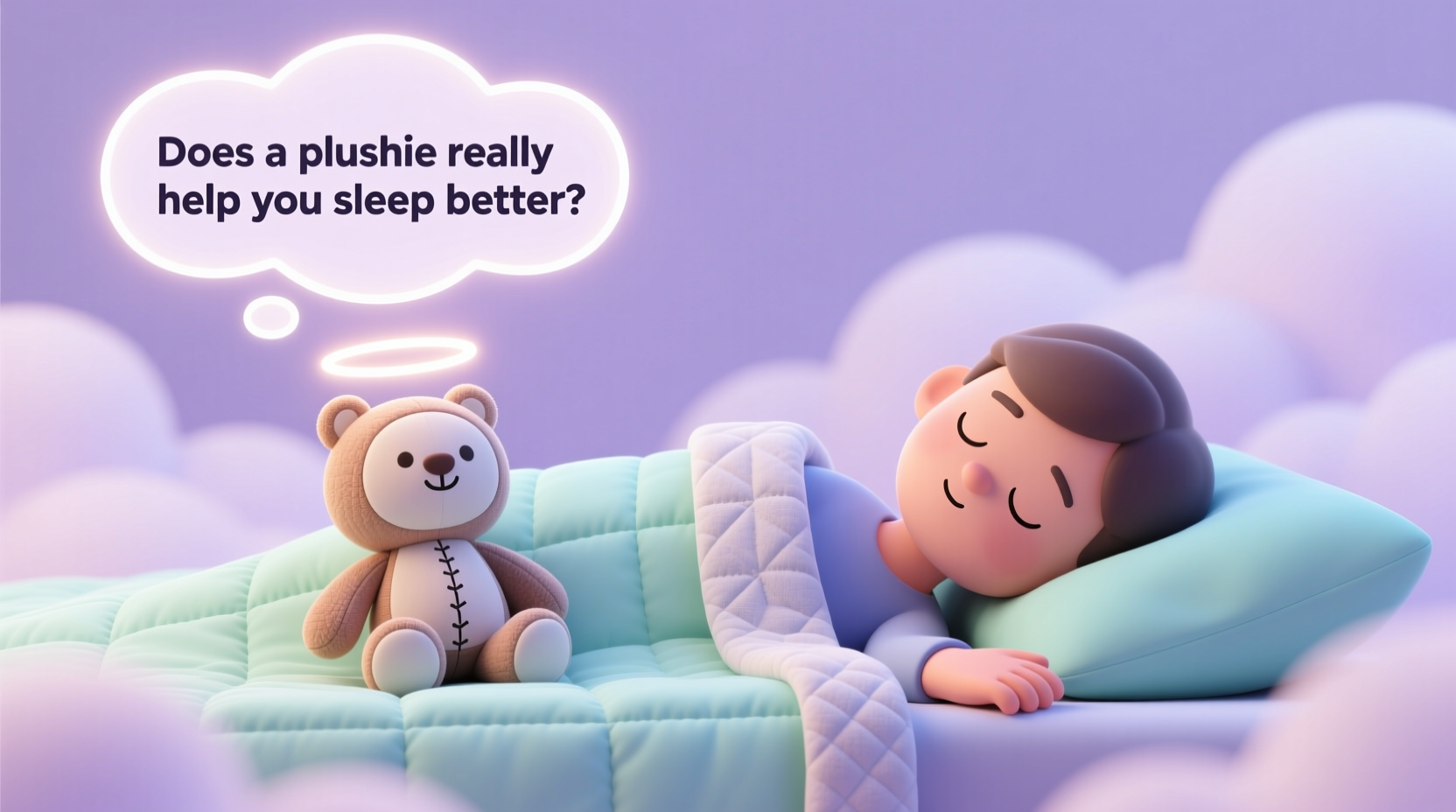
Deep pressure therapy involves applying gentle, distributed weight across the body to stimulate the nervous system. This pressure mimics the sensation of being hugged or swaddled, which can trigger the release of serotonin and dopamine—neurochemicals linked to relaxation and mood regulation. Simultaneously, it helps reduce cortisol, the stress hormone.
Research supports the use of DPT for individuals with anxiety, autism, ADHD, and insomnia. A 2020 study published in *Sleep Medicine* found that participants using weighted blankets experienced reduced nighttime movements and improved subjective sleep quality. However, most studies focus on full-body coverage via blankets, not localized pressure from smaller items like plush toys.
“Deep pressure can be profoundly calming because it signals safety to the brain. The key is consistency and appropriate weight distribution.” — Dr. Laura Chen, Sleep Neurologist at Pacific Wellness Institute
Weighted Blankets: How They Work and Who Benefits Most
Weighted blankets typically range from 5 to 30 pounds and are designed to cover the entire body during sleep. Their weight is usually recommended at around 10% of the user’s body weight for optimal effect without risk.
These blankets work by providing even pressure across the torso, limbs, and legs. This broad contact helps slow heart rate, lower blood pressure, and promote parasympathetic nervous system activation—the “rest and digest” state essential for falling asleep naturally.
They’re especially effective for:
- People with chronic insomnia
- Those experiencing anxiety or PTSD
- Individuals with sensory processing disorders
- Nighttime overthinkers who struggle to “switch off”
Weighted Plush Toys: Comfort Companion or Therapeutic Tool?
Weighted plush toys—sometimes called weighted stuffed animals—typically weigh between 1 and 5 pounds. They’re designed to be held, hugged, or placed on the lap or chest while relaxing or sleeping. Unlike blankets, they don’t cover the whole body but instead offer targeted pressure to specific areas, such as the arms or upper torso.
While they may not provide the full physiological impact of a weighted blanket, they serve an important emotional and psychological role. For children, trauma survivors, or adults who find comfort in tactile objects, a weighted plush can act as both a security object and a mild calming aid.
Many users report that holding a weighted plush helps them feel grounded during anxious moments or when trying to fall asleep. The combination of soft texture, familiar shape, and subtle weight creates a multisensory experience that promotes emotional safety.
Real Example: Sarah’s Experience with a Weighted Bunny
Sarah, a 34-year-old graphic designer, suffers from generalized anxiety disorder. She tried a 15-pound weighted blanket but found it too restrictive in warmer months. After switching to a 3-pound weighted bunny, she noticed a surprising benefit: “I don’t sleep under it, but I hold it when I’m lying down. It gives me something to focus on besides my racing thoughts. It feels like having a companion that ‘holds me back’ from spiraling.”
Though not a substitute for her therapy or medication, the plush became part of her wind-down routine—especially helpful during late-night work stress.
Comparing Weighted Plush vs Weighted Blanket: Key Differences
| Feature | Weighted Blanket | Weighted Plush |
|---|---|---|
| Average Weight | 5–30 lbs (based on body weight) | 1–5 lbs |
| Coverage Area | Full body (torso to feet) | Localized (arms, chest, lap) |
| Primary Benefit | Physiological calming, improved sleep architecture | Emotional comfort, mild sensory grounding |
| Best For | Insomnia, high anxiety, sensory issues | Anxiety relief, transitional comfort, children |
| Mobility & Portability | Bulkier, less travel-friendly | Highly portable, easy to carry |
| Therapeutic Evidence | Strong clinical support | Limited formal research, anecdotal success |
When a Plush Might Be Enough—and When You Need a Blanket
Not everyone needs full-body pressure to relax. Some individuals respond well to focused tactile input. A weighted plush may be sufficient if:
- You experience mild anxiety or situational stress
- You’re sensitive to heavy fabrics or heat retention
- You want a comforting object for meditation or reading before bed
- You’re introducing DPT to a child or someone hesitant about heavier options
However, if you suffer from chronic insomnia, night-time panic attacks, or need significant sensory input to regulate your nervous system, a full weighted blanket is likely more effective. The broader distribution of weight produces measurable changes in autonomic function that a small plush cannot replicate.
Step-by-Step: Choosing the Right Option for Your Needs
- Assess your primary goal: Are you seeking emotional comfort or physiological regulation?
- Evaluate your sensitivity: Do you dislike heavy bedding or get hot easily? A plush may be more tolerable.
- Consider usage context: Will you use it only at bedtime, or also during the day for anxiety?
- Test weight tolerance: Try holding a 3–5 lb item for 10 minutes. Does it feel soothing or burdensome?
- Start small: Begin with a weighted plush to gauge response before investing in a larger blanket.
Frequently Asked Questions
Can a weighted plush replace a weighted blanket?
No, not entirely. While a plush can offer emotional comfort and mild sensory input, it doesn’t provide the full-body pressure needed for deep nervous system regulation. Think of it as a complementary tool rather than a replacement.
Are weighted plush toys safe for children?
Yes, as long as supervision is provided and the toy meets safety standards (no loose parts, non-toxic fillers). Choose a weight appropriate for the child’s size—usually no more than 10% of their body weight, and never restrict movement.
Do weighted plushes help with ADHD or autism?
Some individuals with ADHD or autism report that holding a weighted plush helps with focus and self-regulation. The rhythmic pressure can serve as a fidget-like anchor during overwhelming moments. However, results vary, and they should be used alongside other evidence-based strategies.
Final Checklist Before You Buy
- ✅ Determine whether you need full-body or localized pressure
- ✅ Check material quality—opt for hypoallergenic, breathable fabrics
- ✅ Ensure even weight distribution (look for glass or plastic microbeads)
- ✅ Consider washability—machine-washable covers are ideal
- ✅ Read reviews focusing on durability and comfort
Conclusion: Finding What Works for You
The choice between a weighted plush and a weighted blanket isn’t about which is objectively better—it’s about alignment with your personal needs. For those needing profound physiological shifts to improve sleep, a weighted blanket remains the gold standard. But for emotional grounding, daytime anxiety management, or gentle pre-sleep comfort, a weighted plush can be surprisingly effective.
Ultimately, sleep wellness is deeply personal. Experimentation, patience, and self-awareness matter more than trends. Whether you choose a 20-pound blanket or a 3-pound teddy bear, the goal is the same: to feel safer, calmer, and more ready for rest.
💬 Have you tried a weighted plush or blanket? Share your experience below—your story could help someone find their path to better sleep.