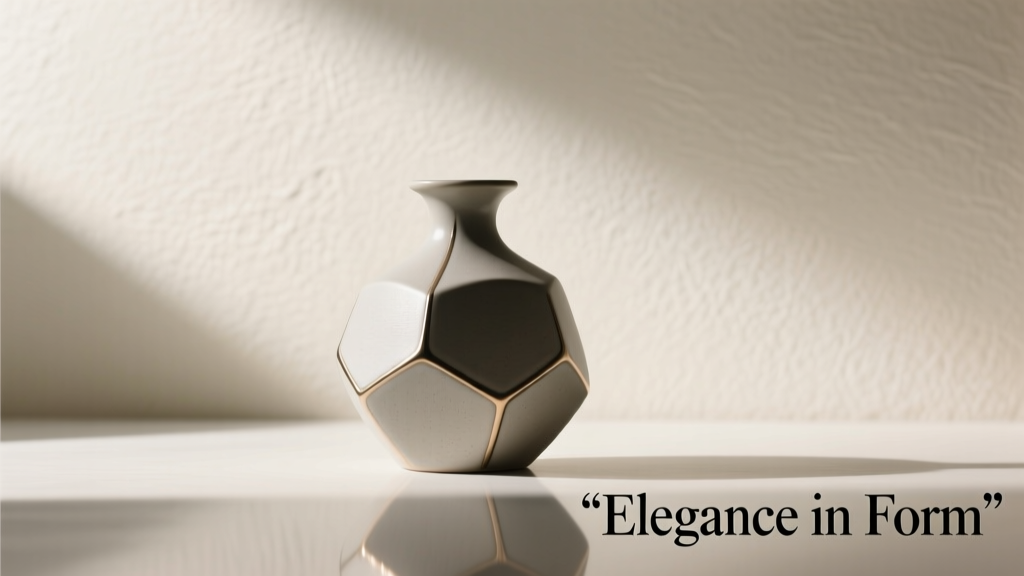
Types of Vin Art Products
Vin Art (wine art) products represent a unique fusion of viticulture and visual creativity, where each bottle becomes a canvas for artistic expression. These collections are thoughtfully curated to reflect diverse cultural, historical, and aesthetic influences. Whether inspired by ancient traditions or modern movements, every vin art collection tells a story through design, color, and symbolism. Below is a comprehensive overview of the most prominent vin art categories available today.
Traditional Collection
Rooted in historical artistry, this collection draws inspiration from European and Middle Eastern antiquity, including medieval mosaics, cathedral stained glass windows, and Renaissance frescoes.
Key Features
- Intricate, hand-crafted designs with ornate detailing
- Prominent use of gold luster and embossing for a luxurious finish
- Rich color palettes reminiscent of classical religious and royal art
- Appeals to collectors of vintage and heritage aesthetics
Considerations
- May not appeal to minimalist tastes
- Higher production costs can reflect in pricing
- Limited availability due to artisanal craftsmanship
Best for: Collectors, gift-givers, luxury wine enthusiasts, historical art admirers
Floral Collection
Celebrating the elegance of nature, this collection features delicate depictions of blossoms, botanicals, and serene garden scenes, often rendered in soft, harmonious hues.
Key Features
- Dominance of pastel tones and flowing, organic lines
- Evokes tranquility and femininity
- Perfect for spring and summer-themed events
- Popular in bridal showers, garden parties, and wellness-focused branding
Considerations
- May be perceived as overly delicate for bold palates
- Less suitable for edgy or urban branding
- Fragile visual appeal in mass-market settings
Best for: Nature lovers, romantic occasions, eco-conscious consumers, feminine branding
Geometric Collection
For lovers of structure and modernity, this collection emphasizes symmetry, clean lines, and abstract patterns rooted in contemporary design principles.
Key Features
- Minimalist yet striking visuals using shapes and repetition
- Strong visual impact with bold contrasts and alignment
- Frequently seen in urban boutiques, modern restaurants, and design-forward retail
- Aligns well with Scandinavian, Bauhaus, and futuristic aesthetics
Considerations
- Can appear cold or impersonal to some
- Limited emotional storytelling compared to narrative-driven styles
- May not resonate with traditional wine drinkers
Best for: Modern art enthusiasts, interior designers, urban markets, minimalist branding
Animal Motifs Collection
This expressive collection uses fauna as its central theme, ranging from domestic pets to exotic wildlife, often with symbolic or conservationist messages.
Key Features
- Diverse representations: birds, big cats, marine life, endangered species
- Serves as a platform for wildlife awareness and environmental advocacy
- Each design offers a unique personality and narrative
- Highly collectible due to thematic variety
Considerations
- Some designs may not translate well across cultures
- Risk of appearing kitschy if not artistically executed
- Niche appeal outside animal-loving demographics
Best for: Animal lovers, conservation supporters, unique gift markets, educational outreach
Cultural Collection
A global celebration of heritage, this collection fuses traditional motifs from Asia, Africa, Indigenous tribes, and other ethnic traditions into stunning bottle art.
Key Features
- Bold colors, symbolic patterns, and culturally significant iconography
- Often includes handcrafted textures or unique bottle shapes
- Elevates wine packaging beyond utility into cultural storytelling
- Supports cross-cultural appreciation and artisan collaborations
Considerations
- Requires cultural sensitivity to avoid appropriation
- May be misunderstood without contextual education
- Potential for higher pricing due to specialized design
Best for: Cultural festivals, global cuisine pairings, museum gift shops, educational collections
Pop Art Collection
Channeling the energy of 1960s pop culture, this vibrant line features comic-style graphics, celebrity nods, and playful, exaggerated imagery.
Key Features
- Bold, saturated colors and dynamic compositions
- References to pop icons, music, and retro design
- Perfect for casual, fun, or youth-oriented branding
- Often used in limited editions and collaborations
Considerations
- May lack sophistication for fine wine markets
- Short-lived trends may reduce long-term collectibility
- Licensing required for celebrity or trademarked imagery
Best for: Party wines, music festivals, pop culture fans, social media engagement
Abstract Collection
This avant-garde collection embraces non-representational forms, experimental color layering, and freeform expression, turning each bottle into a unique art piece.
Key Features
- Unpredictable, emotionally charged designs with no fixed structure
- Uses mixed media techniques and layered textures
- Appeals to contemporary art collectors and galleries
- Encourages personal interpretation and emotional connection
Considerations
- May be too unconventional for mainstream audiences
- Harder to brand consistently across a product line
- Requires artistic explanation to maximize appreciation
Best for: Art collectors, gallery collaborations, creative gifting, modern lifestyle brands
| Collection | Style Origin | Design Complexity | Target Audience | Ideal Use Case |
|---|---|---|---|---|
| Traditional | Medieval & Renaissance Art | High | Heritage & Luxury Seekers | Gifts, Collectibles, Fine Dining |
| Floral | Nature & Botanical Illustration | Medium | Nature Lovers, Romantics | Weddings, Spring Events, Spas |
| Geometric | Modern & Minimalist Design | Medium-High | Urban & Design-Savvy Consumers | Boutiques, Interior Spaces, Cafés |
| Animal Motifs | Wildlife & Conservation Art | Variable | Animal Enthusiasts, Activists | Educational Campaigns, Unique Gifts |
| Cultural | Global Ethnic Traditions | High | Culturally Curious, Travelers | Festivals, Museums, Cultural Events |
| Pop Art | 1960s Pop Culture | High (Visual Impact) | Youth, Pop Culture Fans | Parties, Social Media, Limited Editions |
| Abstract | Contemporary & Avant-Garde | Very High | Art Collectors, Creatives | Art Galleries, Creative Gifting |
Expert Tip: When selecting a vin art product for gifting or branding, consider the recipient's aesthetic preferences and the occasion's tone. Pairing the right collection with the right context enhances both emotional impact and perceived value.
Materials for Vin Art: Crafting Beauty in Every Bottle
Vin Art transforms ordinary wine bottles into extraordinary works of art, where both aesthetic design and material quality play essential roles. It’s not just about visual appeal—each material contributes to the durability, texture, and overall sensory experience of the piece. From the clarity of glass to the tactile richness of specialty labels, every component is carefully chosen to elevate the bottle into a collectible masterpiece.
Glass: The Foundation of Elegance
High-quality glass serves as the canvas for Vin Art, offering both structural integrity and optical clarity. Most Vin Art bottles are crafted from premium clear or tinted glass, allowing the wine’s hue to enhance the artwork’s vibrancy. The smooth, reflective surface enables intricate detailing and ensures that light interacts beautifully with the design. Artists often select glass with a thicker wall for a more luxurious feel and improved resistance to chipping. Additionally, UV-protected or amber glass may be used to preserve wine quality while maintaining visual appeal.
Label Materials: Texture Meets Design
Labels are far more than decorative elements—they are a critical component of Vin Art’s identity. Crafted from premium paper, vinyl, or biodegradable substrates, these labels are designed for both durability and elegance. Artists frequently use textured papers like linen, canvas, or handmade pulp to add a tactile dimension. Foil stamping, embossing, and matte/gloss finishes further enhance the visual depth. Adhesives are carefully selected to ensure longevity without residue, especially for bottles intended for display or gifting.
Advanced printing techniques such as offset, digital, or screen printing ensure color accuracy and resistance to fading. Water-resistant inks protect against condensation and handling, making the art both beautiful and practical.
3D Elements: Adding Dimension to Artistry
One of the most captivating aspects of modern Vin Art is the use of three-dimensional embellishments. These include glass etching, raised relief printing, silicone molds, or applied resin elements that extend beyond the bottle’s surface. Some artists incorporate small sculptures, metal accents, or embedded crystals to create a multi-sensory experience. These 3D features not only draw the eye but invite touch, transforming the bottle into a true sculptural piece. In premium editions, kinetic elements like rotating charms or magnetic attachments further enhance interactivity.
Paint: Handcrafted Uniqueness
While many designs rely on printed labels, hand-painted Vin Art bottles offer unmatched individuality. Artists use food-safe, non-toxic, and solvent-resistant paints that adhere permanently to glass. Common mediums include acrylic enamels, vitreous paints (fused at high temperatures), and ceramic glazes. These allow for fine brushwork, gradients, and metallic effects that mass production cannot replicate. Each painted bottle becomes a one-of-a-kind creation, often signed and numbered by the artist, making it highly desirable for collectors and gift-givers alike.
Bottle Shape: Form as a Creative Canvas
The silhouette of the bottle is not just functional—it’s a fundamental element of the artistic expression. While traditional Bordeaux or Burgundy shapes are common, Vin Art often features custom-blown bottles with unique contours, asymmetrical necks, or sculpted bases. These unconventional forms challenge artists to adapt their designs to curves, indentations, and angles, resulting in dynamic compositions that change with perspective. Some bottles are even designed to double as vases or candle holders after the wine is enjoyed, extending their life beyond consumption.
Bottle shape also influences perception—taller bottles convey elegance, while squat or angular designs suggest modernity or boldness. The interplay between form and artwork enhances storytelling, making each bottle a narrative vessel.
| Material | Function | Artistic & Practical Benefits |
|---|---|---|
| Clear/Tinted Glass | Primary structure and visual clarity | Enhances color visibility, allows light play, supports etching and painting |
| Premium Label Stock | Surface for graphic application | Enables texture, foil accents, and durable printing; resists moisture and wear |
| 3D Embellishments | Depth and tactile interest | Adds luxury, interactivity, and sculptural value; ideal for limited editions |
| Food-Safe Paints | Hand-applied artwork | Enables customization, unique finishes, and collector appeal |
| Custom Bottle Shapes | Structural and aesthetic foundation | Supports creative design flow, enhances brand identity, improves display presence |
Why Material Choice Matters in Vin Art
Important: When purchasing or creating Vin Art, always verify that paints and adhesives are food-safe and non-leaching, especially if the bottle will still contain wine. Avoid materials that degrade under UV light or moisture, as they can compromise both appearance and safety. Proper storage—away from direct sunlight and extreme temperatures—helps preserve the integrity of all materials used in the artwork.
Scenarios for Vin Art: Where Beauty Meets Functionality
Vin Art bottles transcend traditional wine packaging by blending artistic expression with practical utility. More than just containers, they serve as statement pieces that elevate everyday experiences. Whether displayed in homes, gifted to loved ones, or used in commercial settings, Vin Art transforms the way people interact with wine. Below are the most impactful ways these artistically designed bottles are being used today.
Home Décor
Vin Art bottles have become a favorite among interior design enthusiasts for their ability to add elegance and personality to living spaces. Displayed in glass cabinets, on open shelves, or as centerpieces in dining areas, they act as conversation-starting decor. Their intricate designs—ranging from wildlife motifs and floral patterns to abstract geometrics—allow homeowners to match the bottles with their interior themes.
- Animal-themed bottles are especially popular among nature-inspired interiors
- Modern homes often feature minimalist or abstract Vin Art designs for a sleek aesthetic
- Traditional or rustic decors pair well with vintage-style labels and ornate bottle artwork
- Bottles can be lit from within (using LED bases) to create ambient lighting effects
Design tip: Group bottles by color or theme to create a curated gallery wall effect in kitchens or wine nooks.
Gifts
Vin Art bottles make thoughtful, memorable gifts that go beyond the ordinary. Their unique appearance ensures they stand out, while their dual function as both a wine vessel and decorative object adds lasting value. Whether celebrating a birthday, anniversary, or holiday, a Vin Art bottle shows effort and personalization.
- Ideal for wine lovers who appreciate both fine vintages and visual artistry
- Perfect starter piece for someone beginning a wine art collection
- Customizable options allow for personal messages or themed designs (e.g., zodiac signs, pet portraits)
- Often packaged in elegant gift boxes, enhancing their presentation
Pro tip: Pair the bottle with a wine stopper or glass set to create a complete gift ensemble.
Events and Celebrations
Vin Art bottles elevate the ambiance of any gathering, from intimate dinners to large-scale celebrations. When used as table centerpieces or poured during toasts, they bring an artistic flair that enhances the overall experience. Their visual appeal naturally draws attention and sparks conversations among guests.
- Weddings: Custom-labeled Vin Art bottles with couple names or wedding dates serve as keepsakes
- Birthday parties: Themed artwork (e.g., vintage, travel, music) matches the guest of honor’s interests
- Corporate events: Branded or elegantly designed bottles reflect sophistication and attention to detail
- Holiday gatherings: Seasonal designs (snowscapes, harvest motifs) add festive charm
Event planner insight: Use empty Vin Art bottles as candle holders or vases after the wine is enjoyed.
Wine Cellars and Collections
For serious wine collectors, Vin Art bottles are prized not only for their contents but also for their artistic merit. A well-curated wine cellar featuring these bottles becomes a personal gallery, reflecting the owner's taste and passion. Limited edition or artist-collaboration bottles often increase in value over time.
- Collectors seek out rare vintages with exclusive artwork from renowned designers
- Some bottles feature serial numbering or certificates of authenticity, adding to their collectibility
- The fusion of wine quality and visual design makes each bottle a unique investment
- Rotating displays allow collectors to showcase different pieces seasonally
Collector’s note: Store bottles horizontally to preserve cork integrity while maintaining visual access to the label art.
Retail and Hospitality
In the competitive worlds of retail and hospitality, Vin Art bottles serve as powerful marketing tools. Their eye-catching designs attract customer attention on shelves and menus, increasing perceived value and driving sales. Restaurants, hotels, and specialty wine shops use them to differentiate their offerings and enhance brand image.
- Restaurants feature Vin Art bottles as premium menu items, often at higher price points due to perceived exclusivity
- Hotels use them in minibars or as welcome gifts to elevate guest experience
- Retailers create themed displays (e.g., “Art of Wine” sections) to boost foot traffic
- Brands collaborate with artists to launch limited runs, generating buzz and social media engagement
Business advantage: Vin Art bottles have a 30–50% higher upsell rate compared to standard packaging in premium venues.
Personal Expression & Lifestyle
Beyond formal uses, Vin Art allows individuals to express their identity and lifestyle. Whether choosing a bottle that reflects a favorite animal, travel destination, or cultural motif, consumers connect emotionally with the artwork. This personal resonance turns wine consumption into a more meaningful ritual.
- Animal lovers may collect bottles featuring their favorite species (e.g., wolves, birds, marine life)
- Art enthusiasts appreciate collaborations between winemakers and contemporary artists
- Sustainability-focused consumers favor eco-conscious brands using recyclable materials and low-impact inks
- Some use empty bottles in DIY projects like mosaics or planters, extending their lifecycle
Creative idea: Host a “Vin Art Tasting Night” where guests bring bottles based on label aesthetics, not just flavor profiles.
Expert Insight: The true value of Vin Art lies in its ability to merge sensory enjoyment—taste, smell, sight—into a single experience. When recommending or selecting these bottles, consider not just the wine inside but the story the artwork tells. A bottle that resonates emotionally with the recipient or customer will leave a lasting impression far beyond the last sip.
| Use Case | Primary Benefit | Best For | Long-Term Value |
|---|---|---|---|
| Home Décor | Visual enhancement and personalization | Interior design, wine lovers | High – lasting decorative piece |
| Gift Giving | Emotional connection and uniqueness | Special occasions, collectors | Very High – memorable keepsake |
| Events & Celebrations | Ambiance and guest engagement | Weddings, parties, corporate events | Moderate – experiential impact |
| Wine Collections | Rarity and investment potential | Serious collectors, investors | Very High – appreciates over time |
| Hospitality & Retail | Brand differentiation and sales lift | Restaurants, hotels, wine shops | High – repeat customer appeal |
Additional Considerations
- Storage Tips: Keep bottles away from direct sunlight to preserve both wine quality and label vibrancy
- Limited Editions: Artist collaborations and seasonal releases often sell out quickly—subscribe to newsletters for early access
- Eco-Friendly Options: Look for brands using sustainable glass, recycled packaging, and non-toxic inks
- Authentication: For high-value collectibles, verify provenance and packaging integrity
- Resale Potential: Rare Vin Art bottles can be traded or auctioned, similar to art prints or memorabilia
How to Choose Vin Art: A Collector’s Guide to Meaningful Selection
Selecting the perfect Vin Art bottles is more than a simple aesthetic decision—it’s a thoughtful process that blends artistry, rarity, craftsmanship, and personal connection. Whether you're building a curated collection or seeking a standout centerpiece, taking time to evaluate key factors ensures your choices are both beautiful and valuable. Rushing this process can lead to missed opportunities or regrettable purchases. This guide breaks down the essential elements to consider when choosing Vin Art, helping you make informed, satisfying decisions that stand the test of time.
Collector’s Note: Vin Art transcends mere decoration—it represents a fusion of viticulture, design, and storytelling. Approach your selection with the same care as you would fine art or rare wine. The most rewarding collections are built with intention, not impulse.
1. Artist Collaboration: The Signature of Excellence
Vin Art pieces co-created with renowned artists carry a unique distinction. These collaborations bring a signature artistic voice to the bottle, transforming it from a container into a canvas. When established artists lend their vision to Vin Art, the result is often a limited-run masterpiece that reflects both the artist’s style and the spirit of the wine within.
Bottles born from artist partnerships are typically crafted with higher attention to detail and are frequently exhibited in galleries or featured in art-focused auctions. Their exclusivity and creative pedigree make them highly desirable, often increasing in value over time. Collectors who focus on artist-collaborated editions not only acquire visually striking pieces but also invest in works with potential cultural and monetary appreciation.
Expert Tip: Research the artist’s background and previous works. A strong artistic portfolio often correlates with higher collectibility and long-term value in Vin Art collaborations.
2. Rarity and Limited Editions: Scarcity Drives Value
One of the most powerful drivers of value in Vin Art is scarcity. Limited edition releases—often numbered and authenticated—are inherently more valuable due to their exclusivity. Bottles labeled as 'limited edition,' 'rare release,' or 'artist proof' are produced in small batches, sometimes as few as 50 to 500 units worldwide.
This scarcity fuels demand among collectors and enthusiasts, making these pieces highly sought after. Beyond their visual appeal, rare editions often come with certificates of authenticity, adding to their credibility and investment potential. The difficulty in acquiring such bottles further enhances their prestige, making them standout pieces in any collection.
- Look for edition numbers (e.g., 12/100) to verify authenticity
- Check for official branding or holograms indicating limited status
- Consider seasonal or event-specific releases (e.g., anniversary editions)
3. Quality of Materials: Craftsmanship That Endures
The materials used in crafting a Vin Art bottle significantly impact its durability, visual appeal, and perceived value. High-quality glass with precision etching, embossing, or hand-painted details reflects superior craftsmanship. Premium labeling materials—such as textured paper, metallic foils, or silk-screen printing—add sophistication and longevity.
In contrast, bottles made with thin glass, adhesive labels, or plastic components may appear attractive initially but are prone to fading, chipping, or breakage over time. Investing in pieces made with durable, high-end materials ensures your collection remains pristine for years, especially if displayed or stored long-term.
A well-crafted bottle not only enhances the aesthetic of your space but also demonstrates the brand’s commitment to excellence, further validating its worth as a collectible.
4. Thematic Coherence: Building a Unified Collection
While individual Vin Art bottles can be stunning, a collection gains greater impact when it follows a cohesive theme. Thematic coherence turns a random assortment into a curated narrative. Whether your focus is on floral motifs, vintage typography, pop art, regional heritage, or abstract expressionism, a consistent theme creates visual harmony and intellectual depth.
When each piece complements the others, the collection becomes more than the sum of its parts. It tells a story, evokes emotion, and commands attention. For example, a collection centered on “Mediterranean Summers” might feature warm colors, sun motifs, and coastal imagery across multiple bottles, creating a unified and immersive experience.
Before adding a new piece, ask: Does it align with my collection’s theme? Does it enhance the overall aesthetic? This discipline prevents clutter and elevates your collection to a professional standard.
5. Brand Reputation: Trust and Consistency
The reputation of the brand behind the Vin Art is a critical factor in assessing quality and reliability. Established brands with a history in wine, art, or luxury design typically uphold higher standards. They invest in innovation, collaborate with top artists, and maintain rigorous production quality.
Reputable companies often offer detailed provenance, transparent edition numbering, and customer support—important for collectors seeking authenticity and long-term value. They also tend to release new collections regularly, allowing you to expand your set with confidence.
Brands known for consistency are more likely to produce pieces that retain or increase in value, making them safer investments. Research customer reviews, exhibition history, and industry recognition to evaluate a brand’s standing in the Vin Art world.
6. Personal Preference: The Heart of Collecting
Ultimately, the most important factor in choosing Vin Art is personal resonance. No matter how rare, artist-signed, or beautifully crafted a bottle may be, it should speak to you on an emotional level. Collecting is deeply personal—your collection should reflect your tastes, memories, and passions.
Do you love bold colors or minimalist design? Are you drawn to cultural symbolism or modern abstraction? Choose bottles that bring you joy, spark conversation, or remind you of a special moment. A collection built on genuine affection is far more rewarding than one assembled solely for investment.
Remember: you’ll be the one living with these pieces. Let your intuition guide you, and don’t be afraid to break conventions if a bottle truly moves you.
| Selection Factor | Why It Matters | What to Look For | Red Flags |
|---|---|---|---|
| Artist Collaboration | Enhances artistic value and collectibility | Named artist, exhibition history, signature | No artist credit, vague attribution |
| Rarity & Editions | Increases demand and investment potential | Limited edition number, certificate of authenticity | Mass-produced, no edition info |
| Material Quality | Ensures longevity and visual appeal | Thick glass, hand-finished details, premium labels | Flimsy glass, peeling stickers, plastic components |
| Thematic Coherence | Creates a compelling, professional collection | Matching colors, motifs, or cultural themes | Mismatched styles, no unifying concept |
| Brand Reputation | Guarantees consistency and trust | Established name, customer reviews, awards | No online presence, poor customer feedback |
| Personal Preference | Ensures emotional satisfaction and enjoyment | Immediate attraction, emotional connection | Buying only for resale, no personal interest |
Final Advice: Start small. Begin with one or two pieces that truly resonate with you, then build your collection around a clear vision. Visit galleries, attend wine-art events, and connect with other collectors to refine your taste and discover hidden gems.
Conclusion: Collect with Purpose
Choosing Vin Art is a journey that blends art appreciation, strategic thinking, and personal passion. By considering artist collaborations, rarity, material quality, thematic unity, brand reputation, and your own emotional response, you create a collection that is not only visually stunning but also meaningful and valuable.
Whether you're drawn to the elegance of hand-painted bottles or the boldness of modern collaborations, let intention guide your choices. The best Vin Art collections are those that tell a story—your story.
Frequently Asked Questions About Vin Art Bottles
Q: Who is responsible for the creation of Vin Art bottles?A: Vin Art bottles are the result of a creative collaboration between winemakers and artists, blending the worlds of viticulture and visual art. These bottles are intentionally transformed from ordinary wine containers into unique, hand-crafted artworks. Artists often collaborate directly with vineyards to design limited-run bottles that reflect cultural themes, seasonal motifs, or abstract expressions, turning each bottle into a collectible piece of functional art.
Q: Are any Vin Art bottles created for practical use?A: Absolutely—many Vin Art bottles are fully functional and designed for both consumption and aesthetic appreciation. After the wine is enjoyed, the empty bottles are frequently repurposed as decorative vases, candle holders, or display pieces. Their durability and artistic design make them ideal for reuse, adding a touch of elegance to home décor, bars, or restaurants. This dual functionality enhances their appeal beyond just wine enjoyment.
Q: What materials are commonly used for Vin Art bottles?A: The primary materials used in Vin Art bottles are high-quality glass and specialty paper or labels, chosen for their versatility in artistic expression. The glass provides a smooth, transparent canvas ideal for painting, etching, or engraving, while premium paper labels allow for intricate printing, foil stamping, and embossing techniques. Some editions may also incorporate metallic accents, fabric wraps, or ceramic stoppers to elevate the sensory and visual experience of the artwork.
Q: How does one start a collection of Vin Art?A: Starting a Vin Art collection begins with selecting a few standout pieces that resonate with your personal taste or thematic interests—such as nature, abstract art, or cultural heritage. As your appreciation grows, you can expand your collection by focusing on limited editions, artist collaborations, or bottles from specific regions or vintages. Joining collector communities, attending wine-and-art events, and following releases from renowned producers can also deepen your knowledge and help you curate a meaningful and valuable collection over time.
Q: Are Vin Art bottles suitable for gifting?A: Yes, Vin Art bottles make exceptional gifts for a wide range of occasions—from birthdays and anniversaries to housewarmings and corporate events. They combine the sophistication of fine wine with the uniqueness of an art object, offering recipients both an enjoyable beverage and a lasting decorative piece. Their eye-catching designs and storytelling potential make them memorable presents that stand out from traditional gifts.
Q: Is Vin Art inspired by any specific artist or artwork?A: While Vin Art is not tied to a single artist or canonical artwork, it draws inspiration from diverse artistic movements such as Impressionism, Pop Art, Folk Art, and Contemporary Design. Each bottle is often a standalone expression, influenced by global cultures, seasonal celebrations, or modern aesthetics. Some special editions may pay homage to famous painters or iconic art pieces, but overall, Vin Art celebrates creative freedom and innovation across styles rather than replicating existing masterworks.
Q: Can Vin Art create a distinctive style in interior design?A: Definitely. Vin Art bottles add a unique artistic flair to any interior space, especially in homes, wine cellars, or hospitality environments. When displayed on shelves, in glass cabinets, or as part of a curated vignette, they serve as conversation starters and focal points. Their vibrant colors, textures, and craftsmanship complement modern, rustic, and eclectic design themes, making them a favorite among interior designers and wine enthusiasts alike.
Q: Do Vin Art bottles have the same value over time?A: The value of Vin Art bottles can appreciate over time, particularly if they are part of a limited edition, created in collaboration with a renowned artist, or associated with a prestigious winery. Factors such as rarity, condition, original packaging, and historical significance contribute to their collectibility and market demand. Like other art forms, early or inaugural releases often gain higher value, making thoughtful collecting a potentially rewarding long-term pursuit.
Q: Do Vin Art bottles have a particular theme or design during festivals?A: Yes, during holidays and festive seasons—such as Christmas, Valentine’s Day, Diwali, or Lunar New Year—Vin Art bottles often feature special edition designs that reflect the spirit of the celebration. These may include symbolic colors, traditional patterns, festive illustrations, or culturally significant motifs. Seasonal releases are highly sought after by collectors and make excellent themed gifts, enhancing the joy of the occasion with both artistic beauty and celebratory wine.









