Types of Vegetable Plant Pots
Choosing the right vegetable plant pot is essential for healthy growth, optimal yield, and long-term gardening success. Different materials offer unique benefits and drawbacks in terms of durability, moisture control, root health, and aesthetics. Below is a comprehensive guide to the most common types of vegetable plant pots used in home and urban gardening.
Plastic Pots
Lightweight, affordable, and widely available, plastic pots are ideal for beginners and urban gardeners.
Advantages
- Cost-effective and widely available
- Lightweight and easy to move
- Excellent moisture retention
- Durable and resistant to weathering
- Variety of sizes and colors
Limitations
- Can degrade under prolonged UV exposure
- Less breathable, may lead to overwatering
- Less environmentally friendly (non-biodegradable)
- May become brittle over time
Best for: Tomatoes, peppers, herbs, and other moisture-loving vegetables; ideal for patios and balconies
Ceramic Pots
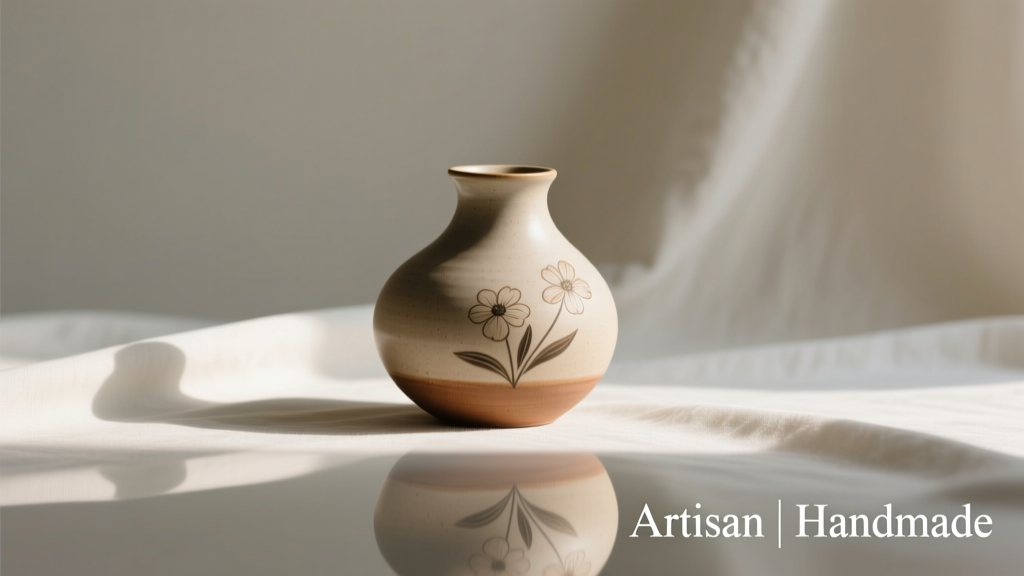
Elegant and stylish, ceramic pots enhance garden aesthetics while offering good stability and moderate moisture control.
Advantages
- Beautiful design with glazed or matte finishes
- Heavyweight provides stability for tall plants
- Moderate breathability (unglazed versions)
- Long-lasting with proper care
- Temperature-stable compared to metal
Limitations
- Expensive compared to plastic or fabric
- Fragile—can crack in freezing temperatures
- Glazed interiors reduce breathability
- Heavy and difficult to move
Best for: Ornamental vegetable gardens, herbs, and decorative containers on porches or entryways
Fabric Pots
Also known as grow bags, fabric pots promote air pruning and root health for stronger vegetable growth.
Advantages
- Superior aeration prevents root circling
- Promotes "air pruning" for healthier root systems
- Lightweight and foldable for storage
- Prevents overwatering due to breathability
- Eco-friendly and reusable
Limitations
- Dries out faster—requires frequent watering
- Less durable; may degrade in sunlight over time
- Needs regular cleaning to prevent mold or algae
- Limited structural support for large plants
Best for: Root vegetables (carrots, potatoes), peppers, and tomatoes; excellent for container gardening and urban farms
Wooden Pots
Natural and insulating, wooden planters offer a rustic charm and excellent temperature regulation for soil.
Advantages
- Excellent natural insulation (cool in summer, warm in winter)
- Aesthetically pleasing, blends with garden landscapes
- Biologically friendly and biodegradable
- Durable when made from rot-resistant woods like cedar or redwood
- Good drainage when properly constructed
Limitations
- Requires sealing or staining to extend lifespan
- Can rot or warp over time without maintenance
- Heavier than plastic or fabric
- More expensive than basic plastic options
Best for: Raised bed-style containers, squash, cucumbers, and leafy greens; perfect for backyard gardens with a natural theme
Metal Pots
Stylish and sturdy, metal pots (often galvanized steel or aluminum) add a modern industrial look to gardens.
Advantages
- Highly durable and resistant to pests
- Modern, sleek appearance
- Resistant to cracking and breaking
- Long lifespan when rust-resistant coatings are maintained
Limitations
- Poor insulation—can overheat soil in direct sun
- May require insulation liners to protect roots
- Can rust over time if not properly coated
- Conducts heat, increasing water evaporation
Best for: Urban rooftop gardens, modern landscapes, and short-season crops; best used with shade or thermal liners
| Type | Durability | Moisture Control | Root Health | Best For |
|---|---|---|---|---|
| Plastic | High | Excellent (retentive) | Good | Beginners, moisture-loving veggies, mobility needs |
| Ceramic | Medium (fragile) | Good (glazed: high, unglazed: moderate) | Fair | Decorative gardens, stable placements |
| Fabric | Medium (degrades over time) | Fair (fast-drying) | Excellent (air pruning) | Root development, urban farming |
| Wooden | Good (with maintenance) | Good (balanced) | Very Good | Rustic gardens, temperature-sensitive crops |
| Metal | High (rust-resistant) | Poor (overheats) | Fair (with liner) | Modern aesthetics, durable setups |
Gardening Tip: For metal and dark-colored plastic pots, consider painting them with light colors or placing them in partial shade to reduce soil temperature and prevent root stress during hot summer months.
Design of Vegetable Plant Pots: Maximizing Space, Yield, and Efficiency
Choosing the right vegetable plant pot design is essential for successful container gardening. Whether you're growing on a balcony, patio, or backyard, the type of pot you select impacts plant health, watering frequency, space utilization, and overall yield. Modern vegetable pots come in a wide range of innovative designs tailored to different vegetables, environments, and gardening styles. Below is a detailed breakdown of the most effective and popular vegetable pot designs available today.
Types of Vegetable Plant Pots and Their Benefits
Vertical Pots
Optimized for small spaces and urban gardening, vertical pots are multi-tiered planters that grow upwards instead of outwards. These are perfect for gardeners with limited ground space such as balconies, rooftops, or narrow patios.
Each tier can host different vegetables—leafy greens like lettuce or spinach on upper levels, and slightly larger plants like dwarf peppers or herbs below. By utilizing vertical space, these pots can increase planting capacity by up to 300% compared to traditional containers. They also improve air circulation and reduce the risk of soil-borne diseases due to better drainage and separation between plants.
Self-Watering Pots
Engineered for consistent moisture delivery, self-watering pots feature a built-in water reservoir at the base. Through capillary action, water is drawn up into the soil via a wicking system or perforated bottom, ensuring roots receive steady hydration.
This design is especially beneficial for moisture-sensitive vegetables like tomatoes, cucumbers, and peppers, which suffer from blossom end rot if watering is inconsistent. These pots reduce watering frequency by up to 50%, making them ideal for busy gardeners or those in hot, dry climates. Most models include a water level indicator to prevent overfilling and root rot.
Grow Bags
Lightweight, breathable, and root-friendly, grow bags are made from durable, porous fabric that promotes "air pruning"—a natural process where roots stop growing when they reach the edge of the bag, preventing root circling and encouraging a denser, healthier root system.
Available in sizes from 3 to 20 gallons, grow bags are excellent for root vegetables like carrots, potatoes, and beets, as well as larger plants like tomatoes and squash. Their flexibility allows for easy storage and seasonal repositioning. Additionally, the fabric material prevents overheating in summer, unlike plastic or metal containers.
Hanging Pots
Perfect for trailing and compact vegetables, hanging pots suspend plants from above, freeing up valuable floor space. They are ideal for crops like cherry tomatoes, strawberries, nasturtiums, and trailing cucumbers.
These pots promote excellent airflow and sunlight exposure on all sides of the plant, reducing fungal diseases and encouraging even ripening. Hanging planters are especially effective on porches, pergolas, or under eaves. Ensure they are securely mounted and use lightweight potting mix to avoid strain on hooks or brackets.
Stackable Pots
Modular and customizable, stackable pots allow gardeners to build a vertical garden one level at a time. Each pot can be added or removed depending on seasonal needs, available sunlight, or plant maturity.
This design is highly versatile—suitable for growing herbs, lettuce, radishes, or even small zucchini plants. The modular nature makes them easy to disassemble and store during off-seasons. Many stackable systems also include built-in irrigation channels, allowing water to trickle down from the top pot to lower levels, enhancing water efficiency.
| Pot Type | Best For | Key Advantages |
|---|---|---|
| Vertical Pots | Small spaces, leafy greens, herbs | Maximizes vertical space, improves air circulation, aesthetic appeal |
| Self-Watering Pots | Tomatoes, peppers, cucumbers | Consistent moisture, less frequent watering, reduced stress on plants |
| Grow Bags | Potatoes, carrots, tomatoes | Air pruning, prevents overheating, portable and affordable |
| Hanging Pots | Strawberries, cherry tomatoes, trailing plants | Saves floor space, enhances light exposure, pest deterrent |
| Stackable Pots | Herbs, zucchini, mixed gardens | Customizable height, easy storage, efficient water use |
Choosing the Right Pot: Tips for Success
Important: Avoid overcrowding pots—even with space-saving designs. Overplanting leads to competition for nutrients, poor airflow, and increased disease risk. Always use high-quality potting soil and refresh it annually for best results. Regular monitoring for pests and proper fertilization are crucial regardless of pot type.
Specification & Maintenance of Vegetable Plant Pots
Choosing the right vegetable plant pot and maintaining it properly are essential for healthy growth, maximum yield, and long-term gardening success. Unlike in-ground planting, container gardening requires careful attention to material, size, drainage, watering, fertilization, and upkeep. This guide breaks down the key specifications and maintenance practices to help you grow thriving vegetables in pots.
Material Selection
The material of a vegetable pot significantly influences moisture retention, root temperature, durability, and aesthetics. Each material offers unique benefits and trade-offs depending on your climate and crop type.
- Plastic: Lightweight, affordable, and retains moisture well—ideal for hot climates or frequent movers. UV-resistant varieties prevent cracking over time.
- Ceramic/Glazed Clay: Elegant and breathable, but heavier and prone to cracking in freezing temperatures. Best for patios and decorative use.
- Wood: Natural insulation for roots and biodegradable options available. Requires sealing to resist rot and pests.
- Fabric (Geotextile): Promotes air pruning of roots, preventing circling and improving nutrient uptake. Excellent for deep-rooted vegetables like tomatoes.
- Metal: Durable and modern-looking, but can overheat in direct sun. Line with shade cloth or use in partial shade to protect roots.
Pro tip: Avoid dark-colored pots in hot climates—they absorb heat and can damage root systems.
Pot Size & Depth Requirements
Size directly affects root development, water retention, and overall plant health. Vegetables vary widely in their space needs, and undersized pots lead to stunted growth and poor yields.
- Small (6–12 inches): Suitable for herbs (basil, thyme), lettuce, radishes, and dwarf peppers.
- Medium (12–18 inches): Ideal for bush beans, cucumbers, eggplants, and compact tomatoes.
- Large (18–24+ inches): Required for indeterminate tomatoes, zucchini, carrots, and potatoes. Aim for at least 12 inches of soil depth for deep-rooted crops.
Key consideration: Larger pots hold more soil, buffer temperature swings, and reduce watering frequency—critical for consistent vegetable growth.
Drainage: Preventing Root Rot
Proper drainage is non-negotiable. Without it, waterlogged soil suffocates roots, promotes fungal diseases, and leads to root rot—a common cause of container plant failure.
- Ensure pots have multiple drainage holes at the bottom.
- Elevate pots with feet or bricks to allow water to escape freely.
- Use a layer of gravel or broken pottery at the base (optional) to improve flow—though not a substitute for holes.
- Avoid using saucers that remain full of water; empty them within an hour after watering.
Critical tip: Self-watering pots have built-in reservoirs but still require overflow drainage to prevent saturation.
Watering Practices for Optimal Growth
Container plants dry out faster than garden beds, requiring consistent and intelligent watering strategies.
- Water deeply until it flows out the drainage holes—this ensures moisture reaches the entire root zone.
- Water in the morning to reduce evaporation and fungal risk.
- Check soil moisture by inserting a finger 1–2 inches deep; water only when dry.
- Indoor or shaded planters need less frequent watering than those in full sun.
- Use drip irrigation or soaker hoses for even, efficient watering in larger setups.
Golden rule: It's better to water deeply and less frequently than to sprinkle lightly every day, which encourages shallow roots.
Fertilization: Sustaining Nutrient Levels
Potting soil depletes nutrients faster than garden soil due to frequent watering and lack of natural replenishment. Regular fertilization is essential for vigorous vegetable growth.
- Start with a high-quality, well-draining potting mix enriched with compost or organic matter.
- Use slow-release granular fertilizers at planting time (e.g., 10-10-10 NPK).
- Supplement with liquid organic fertilizers (fish emulsion, seaweed extract) every 2–3 weeks during growing season.
- Leafy greens need more nitrogen; fruiting plants (tomatoes, peppers) benefit from higher phosphorus and potassium.
- Watch for signs of deficiency: yellowing leaves (nitrogen), purple stems (phosphorus), or brown edges (potassium).
Smart strategy: Top-dress with compost mid-season to refresh nutrients and improve soil structure.
Maintenance & Longevity
Regular care extends the life of your pots and prevents disease buildup that can harm future crops.
- Clean pots thoroughly between plantings: scrub with mild soap and a 10% bleach solution to kill pathogens.
- Inspect fabric and wooden pots for tears, mold, or rot; repair or replace as needed.
- Check plastic and ceramic pots for cracks that can harbor pests or compromise structure.
- Rotate crops annually—even in containers—to prevent nutrient depletion and disease accumulation.
- Store empty pots in a dry, shaded area during off-seasons to prolong lifespan.
Seasonal tip: At the end of the growing season, remove old soil and sanitize pots before storing or replanting.
Expert Recommendation: For beginners, choose large, fabric or plastic pots with excellent drainage and use a premium potting mix combined with slow-release fertilizer. Pair this with a consistent deep-watering schedule and seasonal cleaning. This approach balances ease of use, plant health, and yield potential—setting you up for successful container vegetable gardening year after year.
| Vegetable Type | Recommended Pot Size | Soil Depth Needed | Fertilizer Needs |
|---|---|---|---|
| Tomatoes (indeterminate) | 18–24 inches diameter | 12–16 inches | High potassium & phosphorus |
| Peppers (bell or chili) | 12–16 inches diameter | 10–12 inches | Moderate NPK, balanced |
| Carrots & Radishes | 10–12 inches deep | 8–10 inches | Low nitrogen, high phosphorus |
| Herbs (basil, cilantro) | 6–10 inches diameter | 6–8 inches | Low to moderate, organic |
| Zucchini & Cucumbers | 16–20 inches diameter | 12 inches | High nitrogen early, then balanced |
Additional Best Practices
- Self-Watering Pots: Ideal for busy gardeners; maintain consistent moisture but still require monitoring for algae or clogs.
- Lightweight Potting Mix: Use blends with perlite or vermiculite to improve aeration and reduce compaction.
- Pest Prevention: Inspect pots regularly for aphids, spider mites, or fungus gnats—wipe rims and exteriors to deter infestations.
- Winter Care: Protect terracotta and ceramic pots from freezing; store in a garage or covered area.
- Sustainable Options: Consider recycled plastic or biodegradable pots to reduce environmental impact.
Scenarios of Vegetable Plant Pots: Maximizing Growth in Diverse Environments
Vegetable plant pots offer a flexible and sustainable solution for growing fresh produce across a wide range of environments. From dense city centers to arid climates, container gardening enables individuals to cultivate healthy vegetables regardless of space or soil limitations. This guide explores the key scenarios where vegetable pots provide practical advantages, empowering gardeners to grow food efficiently and sustainably.
Note: Proper drainage, quality potting mix, and consistent watering are essential for success in all container gardening scenarios. Always select pots with adequate size and material suited to the specific vegetable and environment.
Key Applications of Vegetable Plant Pots
- Urban Gardening
For city dwellers with limited access to traditional garden space, vegetable pots transform small outdoor areas into productive green zones. Balconies, rooftops, patios, and even fire escapes can host a variety of vegetables such as tomatoes, peppers, lettuce, and herbs. Container gardening in urban settings reduces food miles, improves air quality, and enhances mental well-being through contact with nature. The portability of pots also allows residents to optimize sun exposure by moving containers throughout the day.
- Greenhouses
In greenhouse environments, vegetable pots play a crucial role in maximizing yield and extending growing seasons. Pots allow for precise control over soil composition, moisture levels, and nutrient delivery, which is essential for high-value or delicate crops. Their modular design supports vertical stacking and efficient layout planning, making the most of limited greenhouse floor space. Additionally, using pots helps prevent soil-borne diseases and simplifies crop rotation, contributing to healthier, more productive plants year-round.
- Arid Areas
In dry, desert-like regions where water is scarce and native soil lacks organic matter, vegetable pots offer a lifeline for local food production. By using containers filled with moisture-retentive potting mixes and incorporating water-saving techniques like drip irrigation or self-watering pots, gardeners can significantly reduce water waste. Mulching and shading strategies further enhance water efficiency. This controlled approach allows residents to grow nutritious vegetables despite extreme heat and poor ground conditions, promoting food security in challenging climates.
- Schools and Community Gardens
Vegetable pots are an excellent educational tool in schools and shared community spaces. Their manageable size and mobility make them ideal for hands-on learning experiences in science, nutrition, and environmental stewardship. Students can observe plant life cycles up close, participate in planting and harvesting, and learn about sustainable practices like composting and water conservation. In community gardens, pots ensure inclusivity—enabling elderly individuals, children, and those with mobility challenges to engage in gardening at accessible heights.
- Homes with Poor Soil
Many residential properties have soil that is compacted, contaminated (e.g., with lead or heavy metals), or otherwise unsuitable for safe vegetable cultivation. In these cases, plant pots provide a clean, controlled alternative. Gardeners can use organic, nutrient-rich potting soil to grow healthy vegetables without the risk of contamination. This method also avoids the costly and labor-intensive process of soil remediation or raised bed construction. Whether due to construction debris, chemical runoff, or natural deficiencies, container gardening ensures every homeowner can enjoy fresh, homegrown produce.
| Scenario | Primary Benefits | Recommended Vegetables | Best Pot Types |
|---|---|---|---|
| Urban Gardening | Space efficiency, mobility, aesthetic appeal | Cherry tomatoes, basil, lettuce, radishes, peppers | Self-watering pots, railing planters, compact containers |
| Greenhouses | Climate control, disease prevention, high yield | Cucumbers, eggplants, strawberries, herbs | Plastic or fabric pots with drainage, hydroponic containers |
| Arid Areas | Water conservation, soil control, heat management | Okra, sweet potatoes, beans, drought-tolerant greens | Light-colored ceramic, fabric grow bags, self-watering systems |
| Schools & Community Gardens | Educational value, accessibility, shared responsibility | Carrots, beans, spinach, sunflowers, herbs | Lightweight plastic, tabletop planters, wheelchair-accessible containers |
| Homes with Poor Soil | Safety, soil quality control, low maintenance | Tomatoes, kale, peppers, green onions, zucchini | Large plastic or composite pots with good drainage |
Expert Tip: When using vegetable pots, always choose a high-quality potting mix instead of garden soil. Potting mixes are designed for containers—they provide proper aeration, drainage, and nutrient balance, which are critical for healthy root development and long-term plant vitality.
Additional Tips for Success
- Ensure all pots have drainage holes to prevent root rot and waterlogging.
- Use saucers or trays under pots to catch excess water, especially on hard surfaces.
- Monitor container moisture daily during hot weather, as pots dry out faster than garden beds.
- Fertilize regularly with organic options like compost tea or slow-release granules, as nutrients leach out with frequent watering.
- Group pots together to create a microclimate that retains humidity and reduces evaporation.
Vegetable plant pots are more than just containers—they are gateways to food independence, education, and environmental resilience. By adapting to diverse living conditions and empowering individuals to grow their own food, container gardening plays a vital role in building sustainable communities. Whether you're a city dweller, educator, or resident of a harsh climate, pots make fresh, healthy vegetables accessible to all.
Container Gardening: Frequently Asked Questions
Q1: How do I set up a vegetable plant pot?Setting up a successful vegetable plant pot involves several key steps to ensure your plants grow strong and healthy. Follow this comprehensive guide to get started:
- Select the Right Pot: Choose a container that matches the size requirements of your chosen vegetables. For example, shallow-rooted greens like lettuce need at least 6–8 inches of depth, while deep-rooted vegetables such as carrots or tomatoes require pots that are 12 inches deep or more.
- Ensure Proper Drainage: If your pot doesn’t already have drainage holes, drill 3–5 evenly spaced holes in the bottom to prevent waterlogging. Consider elevating the pot slightly with feet or bricks to allow water to escape freely.
- Use Quality Potting Mix: Fill the pot with a high-quality, well-draining potting soil—never use garden soil, which can compact and hinder root growth. Leave about 1–2 inches of space from the top rim to allow room for watering.
- Plant Correctly: Sow seeds at a depth of approximately one inch, or plant seedlings at the same depth they were growing in their nursery pots. Gently firm the soil around the base to eliminate air pockets.
- Water Thoroughly: After planting, water deeply until water drains from the bottom. This helps settle the soil and ensures consistent moisture for germination or root establishment.
- Choose the Right Location: Place your pot in a spot that receives the appropriate sunlight—most vegetables need 6–8 hours of direct sunlight per day. Leafy greens can tolerate partial sun, while fruiting plants like tomatoes and peppers thrive in full sun.
- Maintain Regular Care: Check soil moisture daily during hot weather, as container soil dries out faster than ground soil. Water when the top inch feels dry, and consider using mulch (like straw or wood chips) to retain moisture and regulate temperature.
With proper setup and ongoing attention, your potted vegetable garden can flourish even in small spaces like patios, balconies, or urban rooftops.
Q2: What types of food can I grow in a pot?Container gardening opens up a world of possibilities for growing fresh, nutritious food—even in limited spaces. Whether you have a sunny windowsill, a balcony, or a backyard deck, you can cultivate a wide variety of edible plants in pots. Here’s a breakdown by category:
| Plant Type | Examples | Pot Size & Notes |
|---|---|---|
| Herbs | Basil, parsley, cilantro, mint, thyme, rosemary | 6–10 inch pots; herbs prefer well-drained soil and regular trimming to encourage bushy growth. |
| Leafy Greens | Lettuce, spinach, kale, arugula, Swiss chard | 6–12 inch depth; fast-growing and ideal for succession planting. |
| Root Vegetables | Carrots, radishes, beets, turnips | Deep pots (10–14 inches); use loose, sandy soil to avoid misshapen roots. |
| Fruiting Vegetables | Tomatoes, peppers, eggplants, cucumbers (bush varieties) | Large pots (12–18 inches); provide support stakes or cages and consistent watering to prevent blossom end rot. |
| Strawberries | Dwarf or alpine varieties | Hanging baskets or 8–10 inch pots; excellent for vertical gardening. |
| Fruits | Dwarf citrus trees, blueberries, figs, melons (compact varieties) | 14+ inch containers; use acidic soil for blueberries and ensure heavy feeding for fruiting trees. |
With proper care—including adequate sunlight, watering, and fertilization—your container garden can yield a diverse harvest throughout the growing season. Many gardeners find that vegetable plant boxes or self-watering containers enhance productivity and simplify maintenance.
Q3: Do I need drainage in my potted vegetable garden?Yes, drainage is absolutely critical for the health and success of any potted vegetable garden. Without proper drainage, excess water accumulates in the soil, leading to several serious problems:
- Root Rot: Soggy soil deprives roots of oxygen, causing them to decay. This weakens or kills plants over time.
- Fungal Diseases: Damp conditions promote mold, mildew, and other pathogens that attack plant roots and stems.
- Nutrient Leaching and Imbalance: Poor drainage can lead to salt buildup or nutrient washout, affecting plant growth.
- Compacted Soil: Constant saturation breaks down soil structure, making it dense and difficult for roots to penetrate.
To ensure effective drainage:
- Always use pots with pre-drilled holes in the bottom.
- Place a layer of small stones, broken pottery, or mesh over the holes to prevent soil from washing out while allowing water to flow freely.
- Avoid placing saucers under pots for extended periods unless emptied promptly after watering.
- Use potting mixes designed for containers—they contain perlite, vermiculite, or coconut coir to improve aeration and drainage.
Remember: even drought-tolerant herbs like rosemary or thyme can suffer in poorly drained pots. Prioritizing drainage is one of the simplest yet most impactful ways to ensure your container garden thrives.
Q4: What vegetables grow best in pots?Many vegetables adapt exceptionally well to container gardening, especially those with compact growth habits or moderate root systems. Here are some of the top performers:
- Leafy Greens: Lettuce, spinach, arugula, and Swiss chard grow quickly in shallow containers (6–8 inches deep). They’re perfect for cut-and-come-again harvesting and thrive in cooler seasons.
- Herbs: Basil, parsley, cilantro, and mint are not only easy to grow but also enhance flavor in meals. Most prefer 6–10 inch pots and regular harvesting to stay productive.
- Root Crops: Carrots, radishes, and beets do well in deeper pots (10–14 inches) filled with loose, stone-free soil. Opt for shorter or round varieties (like 'Paris Market' carrots) for better results in containers.
- Tomatoes: Dwarf or determinate varieties (e.g., 'Patio Princess', 'Tiny Tim') are ideal for pots. Use containers at least 12 inches wide and provide a cage or stake for support.
- Peppers: Both sweet and hot peppers grow well in 10–12 inch pots. They require full sun and consistent moisture to produce abundant fruit.
- Eggplants: Compact varieties like 'Fairy Tale' or 'Little Fingers' thrive in large containers with rich soil and plenty of sunlight.
- Summer Squash & Cucumbers: Choose bush types (e.g., 'Bush Champion' cucumber) rather than vining varieties. Use 12+ inch pots and consider adding a trellis for vertical growth.
When selecting vegetables for pots, always consider the mature size of the plant and its root depth. Larger, fruiting vegetables often require bigger containers and more frequent feeding due to limited soil volume. With the right selection and care, your potted vegetable garden can deliver a surprisingly abundant harvest all season long.