Chipotle peppers are among the most distinctive ingredients in modern global cuisine—smoky, spicy, and deeply savory. Found in everything from barbecue rubs to vegan chili, their presence transforms dishes with a complexity that few dried chiles can match. Yet despite their popularity, many home cooks remain uncertain about how to store them properly, which form to use when, and how to balance their heat without overwhelming a dish. Understanding chipotle is not just about tolerating the burn—it’s about harnessing its full aromatic potential. This guide provides a comprehensive breakdown of chipotle’s origins, characteristics, culinary applications, and best practices for storage and substitution, empowering cooks to wield this bold ingredient with confidence.
Definition & Overview
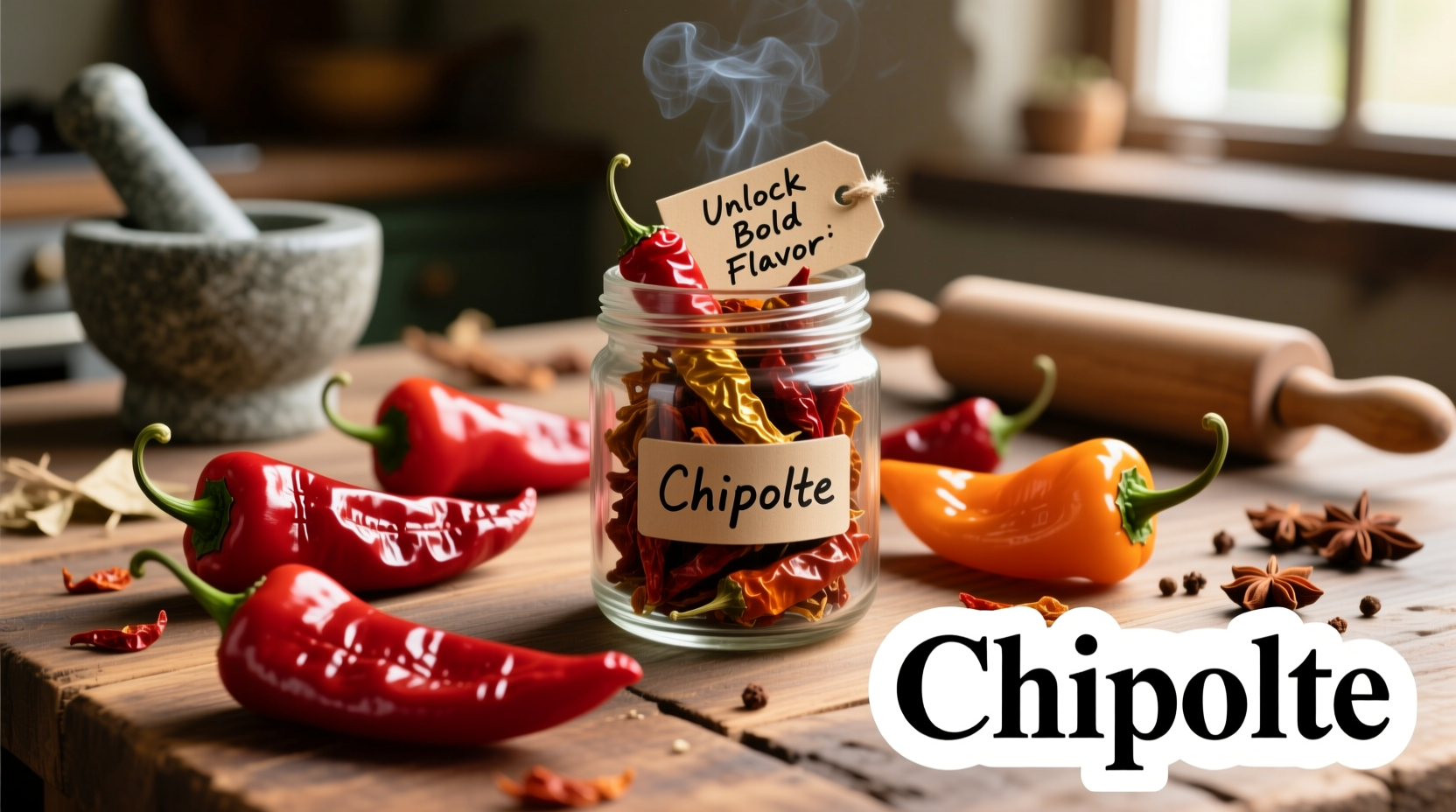
Chipotle (pronounced chi-POHT-lay) is a smoke-dried ripe jalapeño pepper, traditionally used in Mexican cooking. The word “chipotle” comes from the Nahuatl language: *chilpoctli*, meaning “smoked chili.” Unlike fresh jalapeños, which offer bright green heat, chipotles develop a deep mahogany color and concentrated flavor through slow smoking over wood fires—a process that can take several days. This transformation gives chipotle its hallmark smokiness, often described as campfire-like or reminiscent of mesquite-grilled meats.
While native to Mexico, chipotle gained international prominence through Tex-Mex and American barbecue traditions. Today, it appears in salsas, marinades, soups, sauces, and even desserts where chefs seek warmth and depth. Its versatility across cuisines—from traditional mole negro to Korean-inspired chipotle gochujang blends—speaks to its adaptability and enduring appeal.
Key Characteristics
The sensory profile of chipotle sets it apart from other dried chiles. Below is a detailed overview of its defining traits:
| Characteristic | Description |
|---|---|
| Flavor Profile | Smoky, earthy, slightly sweet with moderate to high heat; undertones of tobacco, leather, and dried fruit. |
| Aroma | Pronounced wood-smoke scent, similar to smoked paprika or grilled bell peppers. |
| Color | Deep reddish-brown to nearly black exterior; interior ranges from dark tan to burgundy. |
| Heat Level (Scoville) | 2,500–8,000 SHU (Scoville Heat Units), depending on ripeness and processing. Comparable to medium-hot salsa. |
| Culinary Function | Adds umami depth, smokiness, and controlled heat; thickens sauces when blended. |
| Shelf Life (Unopened) | Dried whole: up to 3 years in cool, dark place; canned in adobo: 2 years refrigerated after opening. |
The combination of smoke and capsaicin makes chipotle uniquely effective at enhancing both aroma and taste perception. It activates multiple sensory receptors, making food feel richer and more satisfying even in small quantities.
Variants & Types
Chipotle is available in several forms, each suited to different cooking needs. Choosing the right type depends on desired texture, intensity, and convenience.
1. Whole Dried Chipotle Peppers
These are fully dehydrated smoked jalapeños, sold loose or in sealed packages. They require rehydration before use—typically soaked in hot water for 20–30 minutes. Once softened, they can be chopped, puréed, or added directly to stews and braises. Ideal for authentic Mexican moles or homemade salsas where control over consistency is key.
2. Canned Chipotles in Adobo Sauce
The most widely available commercial form in North America. These are chipotles packed in a tangy, slightly sweet red sauce made from tomatoes, vinegar, garlic, and spices. The adobo sauce amplifies the smoky notes and adds acidity. Each can typically contains 6–10 peppers and lasts months in the refrigerator once opened. Perfect for quick additions to soups, mayonnaise, or marinades.
3. Chipotle Powder
Made by grinding dried chipotle peppers into a fine spice. More convenient than whole peppers but less complex than adobo-packed versions. Often blended with salt and anti-caking agents in pre-made seasonings. Use sparingly in dry rubs, spice mixes, or seasoning blends where moisture isn’t needed.
4. Chipotle Flakes or Crushed Form
Semi-coarse crushed chipotle, offering visual texture and gradual heat release. Common in artisanal spice shops. Excellent for sprinkling over finished dishes or infusing oils slowly.
5. Liquid Smoke or Extract (Not True Chipotle)
A synthetic alternative mimicking smokiness without actual chili content. Lacks heat and depth. Should only be used when true chipotle is unavailable, and always in minute amounts.
Pro Tip: Store leftover canned chipotles in a clean glass jar submerged in their adobo sauce. Seal tightly and refrigerate for up to 6 months. Freeze in ice cube trays for portion-controlled use in future recipes.
Comparison with Similar Ingredients
Chipotle is often confused with other smoked or spicy ingredients. Understanding the differences ensures accurate usage and prevents flavor imbalances.
| Ingredient | How It Differs from Chipotle | Best Used For |
|---|---|---|
| Smoked Paprika | Milder, sweeter, no real heat; made from pimentón peppers. Offers smoke without spiciness. | Paella, deviled eggs, roasted vegetables—any dish needing color and smoke without burn. |
| Guajillo Chili | Bright red, mildly spicy, fruity-leathery taste. Not smoked; lacks smokiness entirely. | Red sauces, enchiladas, marinades requiring tartness and body without smoke. |
| Ghost Pepper (Bhut Jolokia) | Extremely hot (over 1 million SHU); minimal smoke, intense upfront burn. | Extreme heat challenges, competitive eating—not suitable for everyday cooking. |
| Pepperoni or Smoked Sausage Seasoning | May contain paprika or trace chipotle, but dominated by curing salts and fermentation flavors. | Charcuterie, pizza toppings—complementary but not interchangeable. |
| Regular Jalapeño (Fresh) | Grassy, vegetal, crisp texture; heat peaks quickly and fades. No smokiness unless grilled. | Toppings, poppers, raw salsas—adds freshness rather than depth. |
“True chipotle brings more than heat—it brings memory. That whisper of smoke connects us to ancient preservation techniques and open-fire cooking. It's not just a spice; it's a story told through flavor.” — Chef Elena Ruiz, Oaxacan Culinary Institute
Practical Usage: How to Use Chipotle in Cooking
Using chipotle effectively requires understanding dosage, preparation method, and pairing logic. Even experienced cooks can misjudge its potency, leading to overly aggressive dishes. Follow these guidelines for balanced, flavorful results.
Rehydrating Whole Dried Chipotles
- Remove stems and shake out seeds (optional—seeds add heat).
- Place peppers in a heatproof bowl and cover with boiling water.
- Soak for 20–30 minutes until pliable.
- Drain, reserving soaking liquid for sauces or broths.
- Chop finely or blend into a paste with broth, oil, or citrus juice.
The reserved soaking liquid imparts subtle smokiness and can replace stock in soups or grains. One cup per recipe maintains flavor without overpowering.
Incorporating Canned Chipotles in Adobo
One pepper plus ½ to 1 teaspoon of adobo sauce typically suffices for four servings of soup, stew, or sauce. Finely mince the pepper and whisk the sauce thoroughly to distribute evenly. Overuse leads to acrid bitterness and excessive heat.
Common applications include:
- Stirring into mayonnaise or aioli for sandwiches or burgers.
- Blending into tomato-based pasta sauces for depth.
- Adding to bean dips like hummus or refried beans.
- Marinating chicken, tofu, or tempeh before grilling.
Using Chipotle Powder
Start with ¼ teaspoon per pound of meat or quart of liquid. Mix into dry rubs with cumin, garlic powder, onion powder, and brown sugar for barbecue seasoning. Combine with cocoa powder and cinnamon for mole-inspired chocolate sauces.
Pairing Suggestions
Chipotle works best when balanced against complementary flavors:
- Creamy elements: Sour cream, Greek yogurt, avocado, cheese.
- Sweetness: Roasted sweet potatoes, honey, maple syrup, plantains.
- Acidity: Lime juice, vinegar, pickled onions, tomatoes.
- Fatty bases: Coconut milk, olive oil, butter, bacon fat.
A classic example: chipotle-lime crema made by blending 1 minced chipotle in adobo, ½ cup sour cream, juice of one lime, and a pinch of salt. Drizzle over tacos, grilled corn, or roasted vegetables.
Recipe Hack: Add a single rehydrated chipotle to your next batch of chili instead of smoked paprika. You’ll gain layered heat and natural thickness without needing additional thickeners.
Storage Best Practices
Improper storage diminishes chipotle’s flavor and increases risk of mold or rancidity. Different forms require distinct handling.
Whole Dried Chipotles
- Store in an airtight container away from light and moisture.
- Keep in a cool pantry (<70°F / 21°C) for up to 3 years.
- Check annually for brittleness or off-odors—discard if musty.
Canned Chipotles in Adobo
- Transfer unused peppers and sauce to a sterilized glass jar.
- Ensure peppers are fully submerged to prevent oxidation.
- Refrigerate for up to 6 months.
- Freeze in portions: chop peppers and freeze in ice cube trays with adobo sauce (1 cube ≈ 1 pepper).
Chipotle Powder and Flakes
- Store in opaque, sealed containers.
- Label with purchase date; optimal potency within 12–18 months.
- Avoid storing near stove or dishwasher—heat accelerates degradation.
All forms should be kept separate from strong-smelling spices like cumin or fenugreek to avoid cross-contamination.
Substitutions & Alternatives
If chipotle is unavailable, consider these substitutes based on intended function:
| Need | Best Substitute | Adjustment Notes |
|---|---|---|
| Smokiness + Heat | Smoked paprika + cayenne (ratio: 3:1) | Mix ¾ tsp smoked paprika + ¼ tsp cayenne per chipotle pepper. |
| Texture + Body (adobo-style) | Pasilla de Oaxaca + liquid smoke (few drops) | Rehydrate pasilla, blend with tomato paste and garlic. |
| Mild Smoke Only | Regular smoked paprika | Use 1:1 for color and aroma, but no heat. |
| Quick Sauce Base | Harissa paste (North African chili blend) | Harissa offers heat and depth but less smoke; add a dash of liquid smoke if needed. |
No substitute perfectly replicates chipotle, but strategic blending can achieve close approximations.
Practical Tips & FAQs
Q: How hot is one chipotle pepper?
A: One medium chipotle in adobo delivers about 3,000–5,000 SHU—equivalent to two teaspoons of sriracha. Start with half a pepper and adjust upward after tasting.
Q: Can I make my own chipotle powder?
A: Yes. Dehydrate whole dried chipotles completely (use a dehydrator or low oven), then grind in a spice grinder until fine. Sift for uniformity. Store in a dark glass jar.
Q: Are canned chipotles in adobo gluten-free?
A: Most major brands (like La Costeña or Embasa) are gluten-free, but always check labels. Some cheaper variants may include wheat-based vinegar or additives.
Q: Why does my chipotle sauce taste bitter?
A: Bitterness arises from overuse, burnt adobo sauce during sautéing, or using old peppers. Simmer gently and balance with sweetness (a pinch of sugar or honey) and acid (lime juice).
Q: What dishes showcase chipotle best?
A: Signature applications include:
- Chicken Tinga (shredded chicken in chipotle-tomato sauce)
- Chipotle Mashed Sweet Potatoes
- Smoky Black Bean Soup
- Grilled Shrimp Skewers with Adobo Marinade
- Chocolate-Chipotle Truffles
Q: Can I grow my own chipotle peppers?
A: While you can grow jalapeño plants, true chipotle requires smoke-drying. Attempting indoor smoking demands proper ventilation and equipment. Most home growers opt to dry jalapeños and use liquid smoke sparingly for approximation.
Summary & Key Takeaways
Chipotle is far more than a spicy afterthought—it is a foundational flavor builder capable of elevating ordinary dishes into memorable meals. By mastering its forms, respecting its heat, and storing it correctly, cooks unlock a world of smoky sophistication.
- Chipotle = smoke-dried ripe jalapeño; origin is central Mexico.
- Available as whole dried peppers, canned in adobo, powder, or flakes.
- Flavor is smoky, earthy, moderately hot, with umami richness.
- Always start small—½ pepper or ¼ tsp powder—and build gradually.
- Balance heat with fat, sweetness, and acidity for harmonious results.
- Store dried forms in airtight containers; refrigerate or freeze opened cans.
- No perfect substitute exists, but smoked paprika + cayenne comes close.
- Use in salsas, marinades, soups, rubs, and even desserts for bold impact.
Final Thought: Keep a small jar of minced chipotle in adobo sauce in your fridge at all times. A spoonful can revive bland leftovers, deepen weekday stir-fries, or turn plain rice into something extraordinary. Once mastered, chipotle becomes not just an ingredient—but a culinary signature.









