Every parent knows the struggle: finding clothes that are gentle on a child’s skin, able to withstand daily wear and tear, and still look good after countless washes. Kids grow fast, but their clothing doesn’t always need to be disposable. The key lies in selecting pieces that balance comfort, quality, and durability. From fabric choices to construction details, every element plays a role in creating a wardrobe that supports active play, sensitive skin, and long-term value.
Why Comfort and Durability Matter in Kids’ Clothing
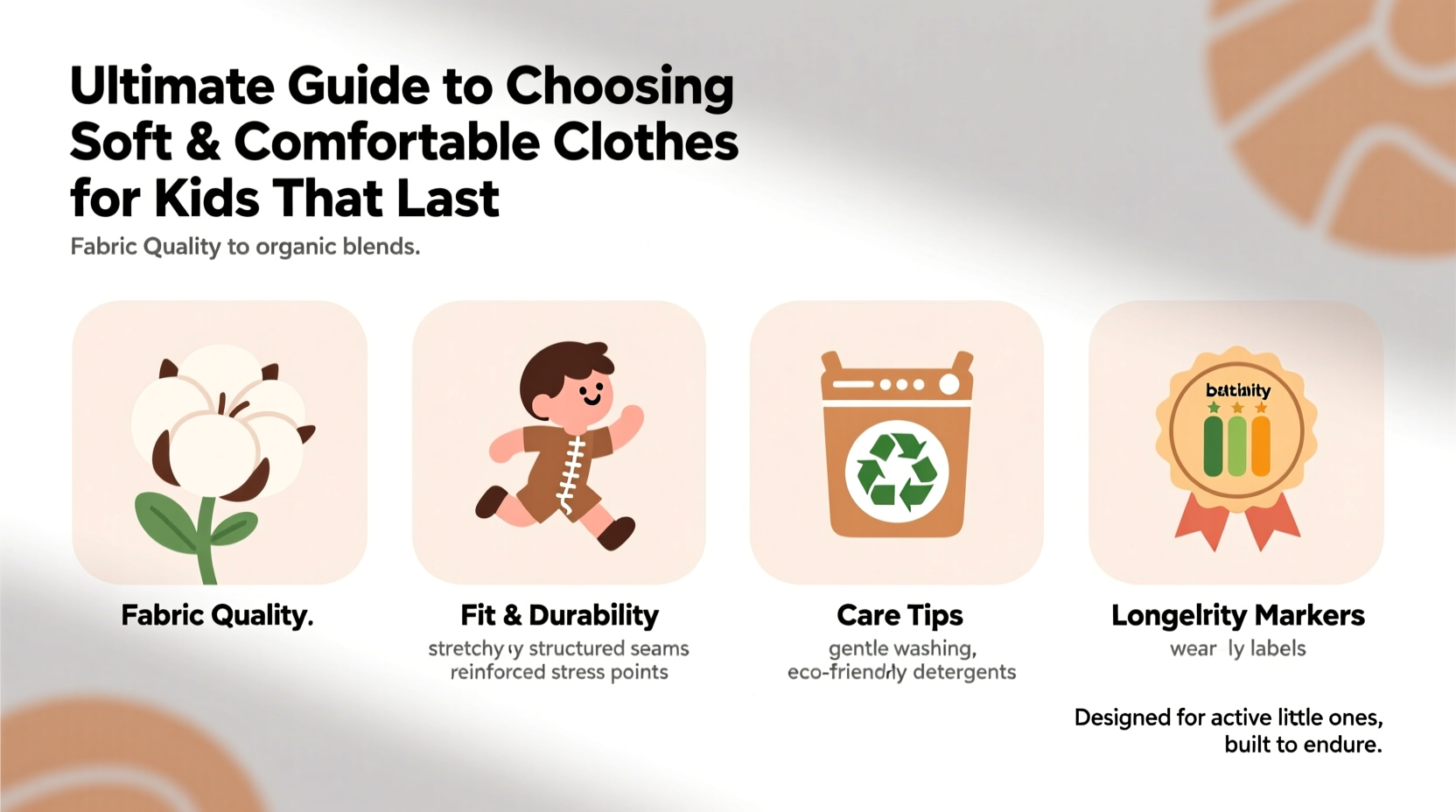
Children are constantly moving—crawling, running, jumping, and exploring. Their clothes must keep up without causing irritation or restricting movement. Beyond physical needs, emotional well-being is tied to comfort. A child who feels itchy, too hot, or constrained may become fussy or distracted, especially during school or nap times.
Durability isn’t just about saving money—it’s also about sustainability. High-turnover wardrobes contribute to textile waste. Choosing garments designed to last reduces environmental impact and often results in better cost-per-wear value. Quality children’s clothing can even be passed down to younger siblings or donated in excellent condition.
“Softness and strength aren’t mutually exclusive in kids' fashion. With the right materials and design, you can have both.” — Dr. Lena Patel, Pediatric Dermatologist & Parenting Lifestyle Consultant
Key Fabrics That Combine Softness and Longevity
The foundation of any great kids’ garment is its fabric. Not all soft materials stand up to rough use, and not all durable ones feel gentle. The ideal choice strikes a balance. Below is a comparison of common fabrics used in children’s apparel:
| Fabric | Softness Level | Durability | Care Tips |
|---|---|---|---|
| Organic Cotton | High | Moderate | Wash in cold water; avoid high heat drying |
| Pima Cotton | Very High | High | Machine wash cold; lay flat to dry |
| Bamboo Rayon | Very High | Moderate | Hand wash or gentle cycle; air dry |
| Recycled Polyester Blend | Moderate | Very High | Resistant to shrinking; machine washable |
| Merino Wool (for cooler months) | High | High | Hand wash only; avoid agitation |
Pima cotton stands out for its extra-long fibers, which reduce pilling and increase tensile strength while maintaining a silky hand feel. Bamboo is naturally hypoallergenic and moisture-wicking, making it ideal for children with sensitive skin—but it requires gentler laundering. Blends, such as cotton-polyester, offer enhanced shape retention and wrinkle resistance, though they may trap heat more than natural fibers.
Tip: Look for garments labeled “ring-spun” or “combed cotton”—these processes remove impurities and short fibers, resulting in smoother, stronger fabric.Design Features That Enhance Wearability and Lifespan
A well-made garment goes beyond fabric. Construction details determine how well clothes hold up over time and adapt to a growing child. Consider these elements when shopping:
- Reinforced seams: Double-stitched or coverstitched seams resist tearing at stress points like shoulders and crotch.
- Adjustable waistbands: Elastic with toggle adjustments extend the usable life of pants and skirts.
- Flatlock seams: Reduce chafing and are less likely to unravel after repeated washing.
- Tagless labels: Screen-printed or stitched-in labels prevent neck irritation.
- Expandable cuffs and hems: Some brands include fold-over mittens on baby sleeves or extendable ankle cuffs for growth flexibility.
Buttons should be securely attached with shank backs or reinforced stitching. Snaps on infant wear ought to withstand multiple open-close cycles without popping off. Zippers, if present, should be covered with placket fabric to protect delicate skin.
Real Example: The Playground Test
Sophie, a mother of two in Portland, put three identical-looking toddler t-shirts to the test. One was a budget brand with standard cotton, another from a sustainable line using organic Pima cotton, and a third made from bamboo blend. After six weeks of daily wear—including mud play, snack spills, and frequent machine washing—the organic Pima shirt showed minimal fading and no pilling. The budget option had stretched collars and visible thinning at the armpits. The bamboo shirt remained soft but began to lose shape due to low elasticity recovery. Sophie now prioritizes Pima or combed cotton blends for everyday wear, reserving bamboo for sleepwear.
How to Build a Resilient Kids’ Wardrobe: A Step-by-Step Guide
Creating a functional, long-lasting wardrobe doesn’t happen overnight. Follow this practical timeline to build smartly:
- Assess your child’s lifestyle (Week 1): Note daily activities—daycare, outdoor play, formal events—to identify clothing needs.
- Inventory current clothes (Week 2): Sort by size, condition, and frequency of use. Identify gaps and recurring failures (e.g., shirts ripping at shoulders).
- Set a budget and prioritize categories (Week 3): Allocate funds toward high-use items like underwear, socks, and everyday tops. Invest more in pieces worn daily.
- Shop with criteria in mind (Ongoing): Use a checklist (see below) when purchasing. Avoid impulse buys based solely on cuteness.
- Implement proper care routines (Starting Week 4): Wash similar fabrics together, turn clothes inside out, use mild detergents, and air-dry when possible.
- Rotate and evaluate monthly: Monitor what holds up and what doesn’t. Keep notes for future buying decisions.
Kids’ Clothing Checklist: What to Look for Before Buying
Checklist:- ✅ Fabric is soft, breathable, and appropriate for season
- ✅ Seams are double-stitched or flatlocked
- ✅ No scratchy tags or exposed zippers
- ✅ Buttons/snaps are securely fastened
- ✅ Design allows full range of motion
- ✅ Machine washable (unless specialty care is manageable)
- ✅ Color won’t bleed (check reviews or test swatch if possible)
- ✅ Adjustable features included where applicable (e.g., waistbands)
Common Mistakes Parents Make When Buying Kids’ Clothes
- Buying too small “to get more wear”: This backfires quickly. Tight clothes restrict circulation and movement, and seams often burst under strain.
- Ignoring care instructions: High-heat drying destroys elastic and fades colors. Always read the label.
- Overlooking fit for style: A trendy graphic tee is useless if the neckline is too tight or sleeves bind the arms.
- Assuming “organic” means durable: While eco-friendly, some organic fabrics lack reinforcements needed for rough play.
- Purchasing seasonal extremes too early: Baby grows fast—wait until weather patterns stabilize before stocking up.
Frequently Asked Questions
How often should I replace my child’s wardrobe?
Growth spurts vary, but most toddlers outgrow clothes every 3–6 months. Regularly check fit: if shoulder seams sit past the arm or leg openings dig into skin, it’s time to size up. Rotate outgrown items promptly to maintain an efficient closet.
Are expensive brands always better?
Not necessarily. Price often reflects branding, not quality. Focus on material composition, stitching, and user reviews. Some mid-range brands offer exceptional durability without markup. Compare per-wear cost—$20 shirt worn 50 times is better value than a $10 shirt worn 5 times.
Can I mix natural and synthetic fabrics safely?
Yes, and often beneficially. Blends like 95% cotton / 5% spandex add stretch and shape retention. Just ensure synthetics are high-quality and not prone to static or overheating. Avoid polyester-heavy clothes for hot climates unless moisture-wicking is specified.
Final Thoughts: Invest in Comfort, Reap the Rewards
Choosing soft, comfortable clothes that last isn’t about perfection—it’s about intention. Each purchase becomes part of a larger system supporting your child’s health, happiness, and daily confidence. By focusing on thoughtful materials, smart construction, and consistent care, you create a wardrobe that works as hard as your child does.
Start small: replace one worn-out item with a higher-quality alternative. Notice the difference in comfort and longevity. Over time, these choices compound—saving money, reducing waste, and simplifying laundry day. Your child deserves to feel good in what they wear, and you deserve clothes that survive the chaos of childhood.
💬 What’s your go-to brand or fabric for long-lasting kids’ clothes? Share your experience and help other parents make smarter choices!








