At first glance, the choice between a tissue dispenser and a tissue box cover might seem purely aesthetic. After all, both hold the same product—boxes of facial tissues—and serve the same basic purpose: making them accessible when someone needs to sneeze, wipe their hands, or dry their eyes. But dig a little deeper, and the decision reveals more than just style preferences. It touches on hygiene, convenience, durability, cost, and even environmental impact. Whether you're furnishing a home, managing an office space, or simply trying to upgrade your everyday experience, understanding the real differences can help you make a smarter, more informed choice.
Functionality: Beyond Just Holding a Box
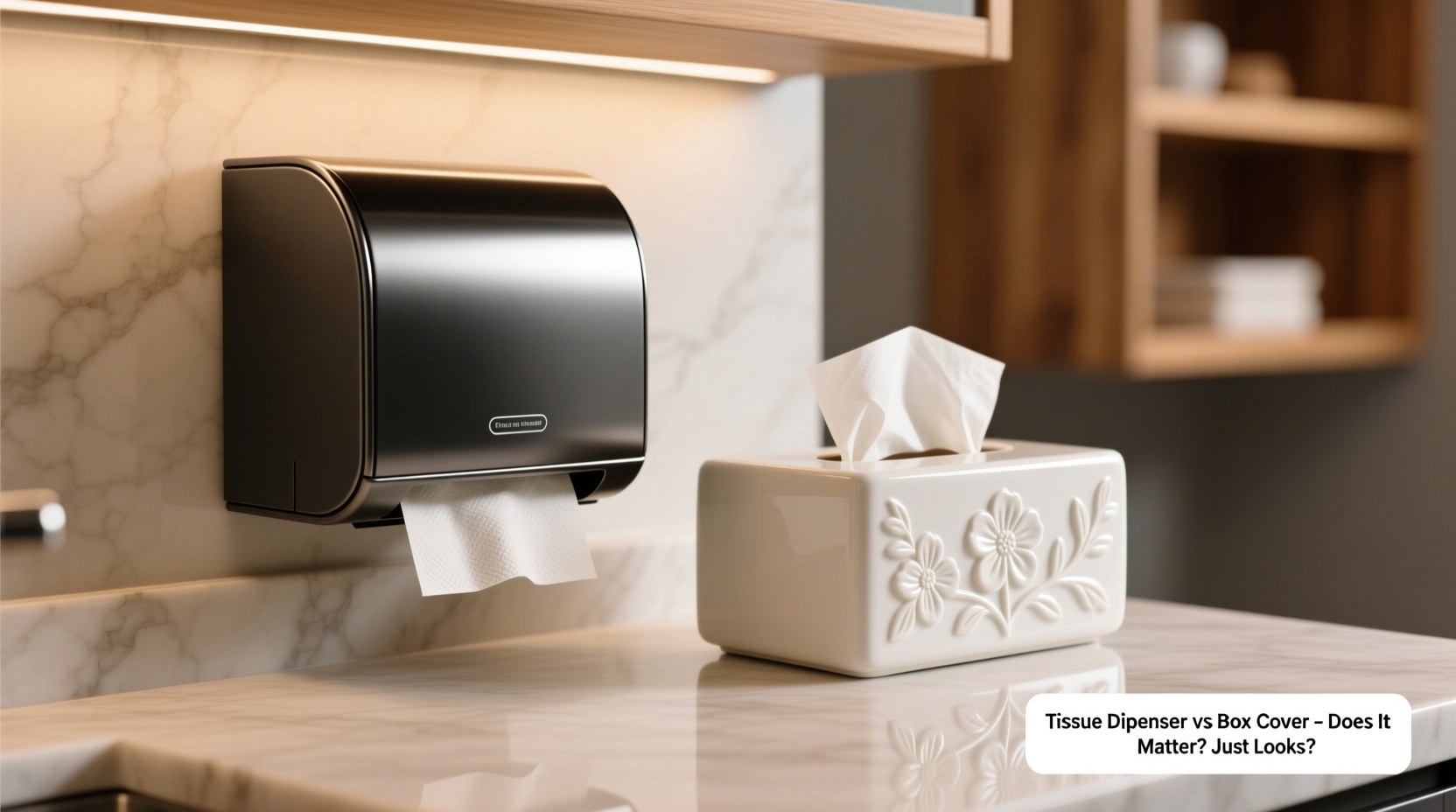
A tissue box cover is typically a decorative sleeve designed to fit over a standard tissue box. Most are made from fabric, wood, or ceramic and serve primarily to conceal the often-bland branding of commercial tissue packaging. They allow the tissues to be pulled through the top opening, just as they would be from a plain cardboard box.
In contrast, a tissue dispenser is usually a rigid container—often plastic, metal, or high-grade resin—with a built-in mechanism for feeding one tissue at a time. Some models feature spring-loaded lids, automatic sensors, or weighted flaps that reduce waste by preventing multiple sheets from being pulled out simultaneously.
The functional gap becomes clear in high-traffic areas. In a busy office or household with children, a dispenser’s controlled access helps limit tissue overuse. One study conducted by the American Society of Interior Designers found that unregulated tissue access in shared spaces led to 30% more consumption compared to environments using dispensers with single-tissue mechanisms.
Tip: If reducing waste is a priority, opt for a dispenser with a one-at-a-time pull design—especially in bathrooms or public areas.Hygiene and Cleanliness: What Science Says
One of the most overlooked aspects of tissue storage is hygiene. Tissue boxes left exposed—even inside a fabric cover—can collect dust, pet hair, or airborne contaminants. Worse, in humid environments like bathrooms, moisture can seep into the box, creating a breeding ground for mold or bacteria.
Tissue dispensers, particularly those with flip-top lids or touchless sensors, offer better protection. Closed systems minimize exposure to germs, especially important during cold and flu season. Dr. Lena Patel, a public health microbiologist, explains:
“Any barrier that limits hand-to-surface contact and keeps tissues sealed until use reduces the risk of cross-contamination. Dispensers with hinged covers perform significantly better than open-top boxes or fabric sleeves.”
Fabric box covers, while attractive, are harder to clean. Spills, sneezes, or accumulated dust can linger in the fibers unless the cover is removable and machine-washable—a feature not all models have. Plastic or metal dispensers, on the other hand, can be wiped down daily with disinfectant wipes, making them ideal for kitchens, restrooms, and healthcare settings.
Style and Aesthetic Flexibility
If function leans toward dispensers, aesthetics often favor box covers. Tissue box covers come in endless designs: rustic burlap for farmhouse decor, sleek marble-look resin for modern spaces, or embroidered linen for a cozy living room. Because they’re essentially decorative sleeves, they’re easy to swap out with the seasons or holidays—think pumpkin-themed covers in autumn or snowflake patterns in winter.
Dispensers tend to be more utilitarian in appearance. While some premium models boast minimalist elegance or brushed-metal finishes, many are designed for durability rather than design flair. That said, the rise of “appliance-style” home accessories has brought stylish dispensers to market—ones that mimic soap dispensers or air purifiers in look and feel.
The key is matching the solution to the space. A guest bathroom might benefit from a chic dispenser that complements faucets and towel bars, while a family couch may suit a soft fabric cover that blends with throw pillows and blankets.
“Design shouldn’t compromise function, but in low-traffic, private areas, a beautiful box cover can elevate the mood of a room just as much as art or lighting.” — Marcus Tran, Interior Stylist & Home Editor at *Living Space Quarterly*
Cost and Long-Term Value Comparison
When evaluating long-term value, consider both upfront cost and ongoing usage. Here's a breakdown:
| Feature | Tissue Box Cover | Tissue Dispenser |
|---|---|---|
| Average Price | $8–$25 | $12–$50+ |
| Lifespan | 1–3 years (fabric may fade/wear) | 3–10 years (durable materials) |
| Maintenance | Spot clean or machine wash (if possible) | Wipe with disinfectant |
| Tissue Waste Reduction | Minimal | High (with controlled feed) |
| Replacement Parts | None | Rarely needed |
While box covers are cheaper initially, frequent washing or replacement due to wear can add up. Dispensers, though pricier, often pay for themselves over time by reducing tissue consumption and lasting longer. For businesses or large households, this can translate into meaningful savings.
Real-World Example: The Office Makeover
Consider the case of GreenSprout Marketing, a mid-sized firm with 35 employees. Their old break room used open tissue boxes wrapped in fabric covers—chosen for their cheerful colors. But staff complaints about tissues being “always gone” and concerns about cleanliness during allergy season prompted a change.
Management replaced the box covers with wall-mounted plastic dispensers in the kitchen and restrooms. Within three months, tissue orders dropped by 22%. Employees reported fewer issues with damp or dirty tissues, and janitorial staff noted less litter around trash bins from wasted sheets. The initial investment of $180 across six dispensers was recouped in under eight months through reduced supply costs.
The lesson? Sometimes, upgrading isn’t about luxury—it’s about efficiency.
Step-by-Step Guide: Choosing the Right Option for Your Space
Follow this simple process to determine whether a tissue dispenser or box cover is right for each area of your home or workplace:
- Assess traffic level: High-traffic areas (bathrooms, offices) need durable, hygienic solutions—opt for dispensers.
- Evaluate moisture exposure: Bathrooms and kitchens benefit from sealed dispensers to prevent dampness.
- Consider user behavior: Households with kids or guests may waste fewer tissues with a dispenser’s controlled access.
- Match to decor: Living rooms or bedrooms can prioritize aesthetics—box covers work well here.
- Budget for longevity: If you want a long-term solution, invest in a sturdy dispenser. For seasonal flair, choose interchangeable box covers.
FAQ
Can I use any tissue brand in a dispenser?
Most dispensers are designed for standard-sized tissue boxes (typically 4.5 x 4.5 x 5 inches). However, some brands vary slightly in dimensions. Always check the dispenser’s compatibility before purchasing. Generic or store-brand tissues often fit better than bulk-packaged varieties.
Are fabric tissue box covers sanitary?
They can be—if properly maintained. Removable, washable covers are best. Non-washable fabrics trap allergens and bacteria over time, especially in humid environments. Washing every 4–6 weeks is recommended.
Do touchless tissue dispensers exist?
Yes. Though less common than hand sanitizer or paper towel versions, infrared sensor dispensers for tissues are available, primarily in commercial or healthcare settings. These reduce contact and are excellent for high-hygiene zones.
Final Verdict: It’s Not Just About Looks
The debate between tissue dispensers and tissue box covers isn’t merely cosmetic. While box covers win points for charm and versatility, dispensers deliver in hygiene, waste reduction, and durability. The smart approach isn’t to pick one over the other universally—but to use both strategically.
Choose dispensers where function matters most: entryways, restrooms, offices, and homes with allergies or young children. Reserve box covers for spaces where ambiance takes precedence—your reading nook, guest bedroom, or living room side table.
Ultimately, the best solution respects both practicality and personality. When you align utility with taste, even the smallest household item can contribute to a more comfortable, efficient, and pleasant environment.
💬 What’s your go-to tissue solution at home or work? Share your experience and help others decide whether it’s time to upgrade—or just redecorate.








