Scented candles are more than just sources of light—they're sensory experiences. A well-crafted candle can transform a room with its aroma, ambiance, and emotional resonance. But all that effort goes to waste if the candle isn't stored correctly. Over time, improper storage leads to faded fragrance, discolored wax, uneven burning, and even safety hazards. The good news? With the right techniques, you can protect your investment and ensure every candle burns as beautifully as it did on day one.
Why Proper Candle Storage Matters
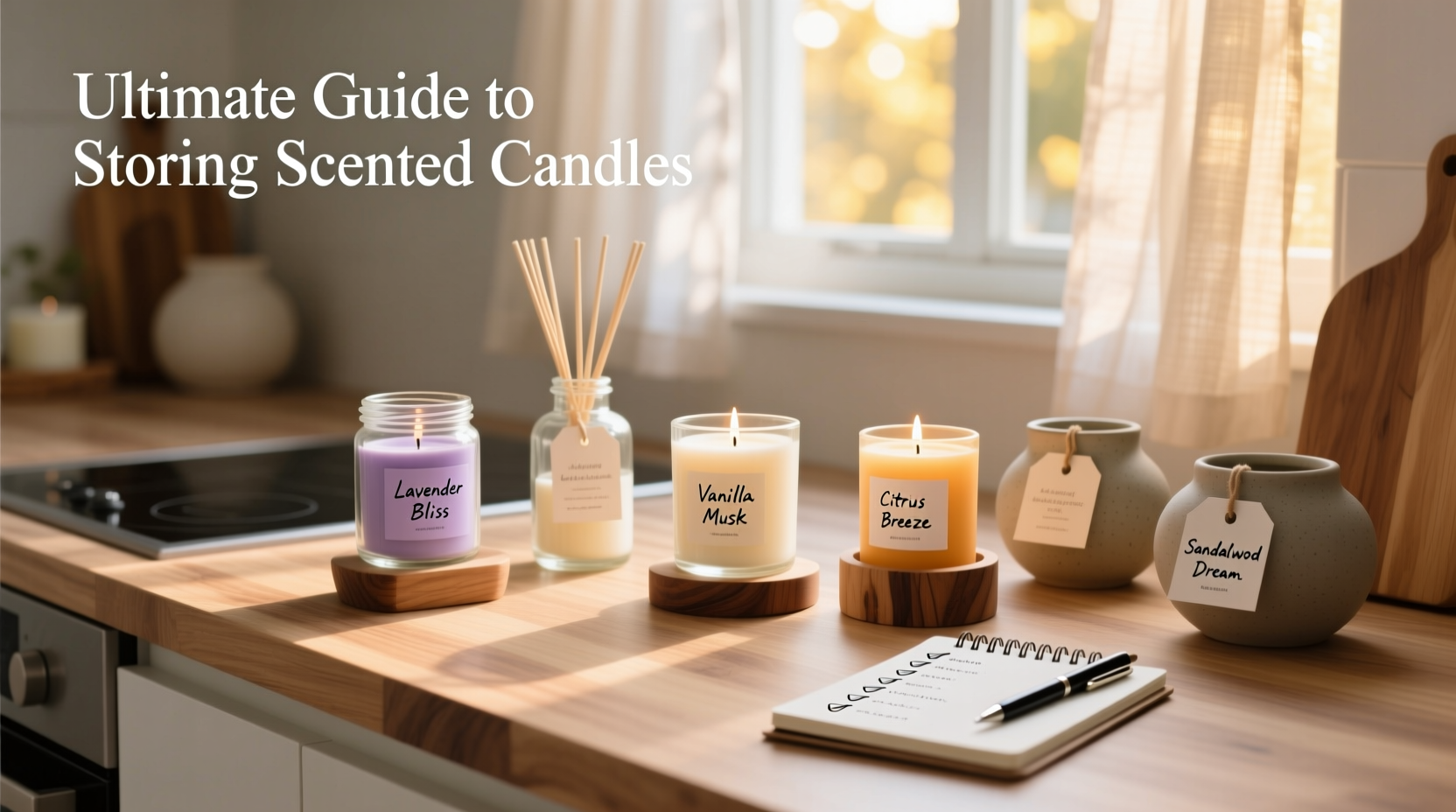
Candles, especially those made with natural waxes like soy or coconut, are sensitive to environmental changes. Exposure to heat, sunlight, humidity, and strong odors can degrade both the physical structure of the wax and the volatile compounds responsible for scent. Fragrance oils are particularly delicate; they can evaporate or oxidize when exposed to air or temperature fluctuations.
A poorly stored candle may look dull, smell faint, or produce soot and tunneling when burned. In contrast, a well-preserved candle retains its color, scent throw, and structural integrity, delivering consistent performance over its entire lifespan.
“Fragrance longevity begins long before the first burn—it starts the moment you bring the candle home.” — Lena Patel, Artisan Candlemaker & Founder of ScentForm Labs
The Ideal Storage Environment: Temperature, Light, and Humidity
To maintain optimal condition, scented candles require a stable, controlled environment. Think of it like wine storage: cool, dark, and dry.
- Temperature: Keep candles between 60°F and 75°F (15°C–24°C). Avoid areas near radiators, ovens, or windows where temperatures fluctuate.
- Light: Direct sunlight and artificial UV rays break down fragrance molecules and cause wax discoloration. Store candles in dark cabinets or closets.
- Humidity: High moisture levels promote mold growth on wicks and can cause labels to peel. Bathrooms and basements are poor choices unless climate-controlled.
Do’s and Don’ts of Candle Storage
| Do | Don’t |
|---|---|
| Store in original boxes or opaque containers to block light | Leave candles uncovered on sunny shelves |
| Keep them upright to prevent wax pooling or wick displacement | Lay candles on their side for extended periods |
| Use breathable fabric bags if storing multiple candles together | Stack candles directly on top of each other |
| Rotate stock: use older candles first to maximize freshness | Forget about seasonal candles for years in attics or garages |
| Label homemade or unlabeled candles with purchase date and scent | Mix strongly scented candles with delicate ones (e.g., patchouli next to linen) |
Step-by-Step Guide to Long-Term Candle Preservation
Follow this sequence to ensure every candle remains in peak condition from purchase to final burn.
- Inspect Upon Arrival: Check for melted wax, cracked jars, or displaced wicks. If damaged, contact the seller immediately.
- Remove Packaging Carefully: Keep outer boxes and dust covers if possible—they offer built-in protection.
- Choose a Dedicated Storage Spot: A closet shelf, linen cabinet, or drawer away from appliances and plumbing works best.
- Group by Scent Family: Citrus and floral candles should be separated from musky or spicy ones to avoid cross-contamination.
- Seal Against Airflow: For long-term storage (over 6 months), place candles in resealable plastic bins with silica gel packs to absorb moisture.
- Check Every 3 Months: Inspect for signs of bloom (frosty appearance), odor transfer, or insect activity.
Real Example: How One Collector Preserves a 50-Candle Collection
Sophia M., a candle enthusiast from Portland, owns over fifty premium scented candles collected over three years. Initially, she stored them on open bookshelves near a south-facing window. Within months, her lavender candle lost half its scent, and a limited-edition bergamot jar developed yellow streaks.
After consulting a local apothecary shop, she reorganized her collection. She purchased two lidded wooden crates, lined them with acid-free tissue paper, and added small desiccant packets. Each candle was returned to its box, labeled with a date sticker, and sorted by season. Candles are now rotated quarterly, and she uses the oldest ones first.
Result: Her citrus blends still burst with brightness after 14 months, and no new discoloration has occurred. “It’s like having a time capsule of seasons,” she says. “My winter spiced apple smells exactly as it should—warm and rich.”
Special Considerations for Different Candle Types
Not all candles are created equal. Storage needs vary based on wax type, container, and fragrance load.
- Soy Wax: Prone to frosting (a harmless white film) in cold temps. Store above 60°F and avoid refrigeration.
- Paraffin Wax: More stable but can sweat in high heat. Wipe excess oil gently with a lint-free cloth if needed.
- Beeswax: Naturally long-lasting but attracts dust. Wrap in breathable cotton if not in a container.
- Glass Jars: Protect contents well but can crack under thermal shock. Don’t move from cold to hot environments rapidly.
- Tins and Metal Vessels: Resist breakage but conduct heat—store away from direct heat sources.
“Soy and coconut wax candles are like fresh herbs—they’re at their best when used within 12 to 18 months of production.” — Dr. Marcus Lin, Perfumery Chemist at AromaScience Institute
Frequently Asked Questions
Can I store candles in the refrigerator or freezer?
No. While cold temperatures won’t ruin wax permanently, condensation forms when bringing candles back to room temperature. This moisture can lead to poor wick performance and surface blemishes. Additionally, fridges contain food odors that can be absorbed by porous waxes.
How long do scented candles last in storage?
Most high-quality scented candles retain full fragrance potency for 12–18 months when stored properly. After that, the scent may weaken slightly but is still safe to burn. Natural waxes tend to degrade faster than paraffin, so prioritize using them earlier.
What should I do if my candle develops a white film?
This is likely wax bloom—a natural reaction in soy and beeswax caused by temperature changes. It doesn’t affect performance. Gently wipe with a soft cloth or warm the surface briefly with a hairdryer on low setting to reabsorb the oil.
Final Checklist: Are Your Candles Stored Right?
Before you walk away, run through this quick preservation checklist:
- ✅ Stored in a cool, dark place between 60°F–75°F
- ✅ Kept away from direct sunlight and heat sources
- ✅ Positioned upright, not stacked or tilted
- ✅ Protected from humidity and strong ambient odors
- ✅ Organized by scent family to prevent mixing
- ✅ Rotated regularly using oldest candles first
- ✅ Inspected every few months for damage or degradation
Protect Your Scent, Honor Your Space
Every scented candle carries intention—whether it's to soothe, energize, or evoke memory. By storing them with care, you honor that purpose and extend the joy they bring. Simple habits like avoiding sunlight, controlling humidity, and rotating inventory make a measurable difference in how your candles perform and last.
You don’t need a fancy system. Start today: clear a shelf, gather your candles, and organize them with attention. Future you will light that vanilla bourbon candle during a rainy November evening and breathe deeply, knowing the warmth and aroma are exactly as they were meant to be.
💬 Have a candle storage hack or story? Share your experience below and help others keep their favorite scents vibrant and lasting.