A printed hoodie is more than just casual wear—it’s a statement of personal style, comfort, and practicality. Whether you're layering up on a chilly morning or expressing your personality through bold graphics, not all hoodies deliver the same experience. Many cheaply made options fade after a few washes, lose their shape, or irritate the skin. Investing in a high-quality printed hoodie means choosing one that feels soft, holds its color, and maintains its structure over time. The key lies in knowing what to look for before you buy.
Fabric Quality: The Foundation of Comfort and Durability
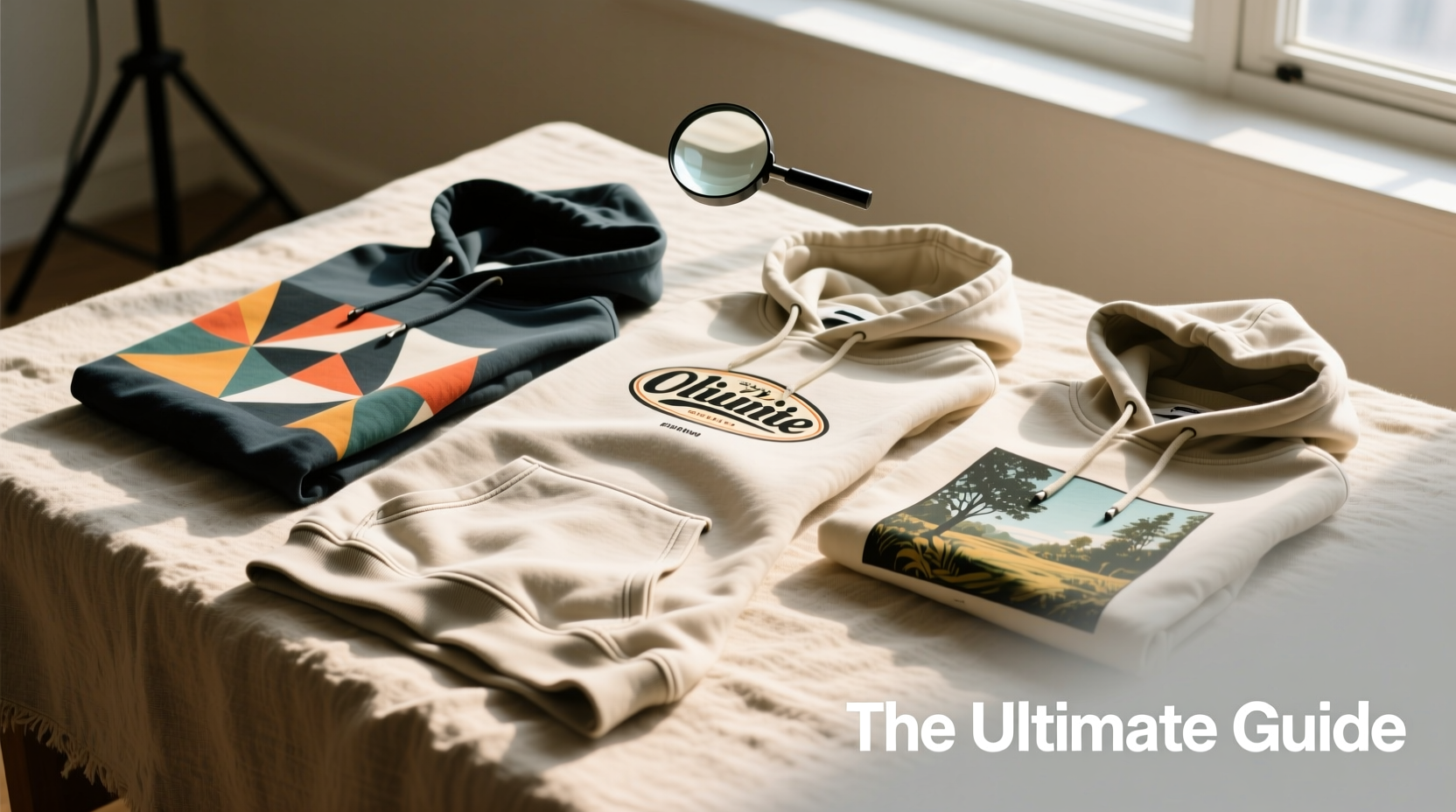
The fabric is the backbone of any great hoodie. A premium material blend ensures breathability, softness, and resilience against wear and washing. Most high-quality hoodies use a cotton-polyester blend, typically 80% cotton and 20% polyester. This ratio balances natural softness with synthetic durability, reducing shrinkage and improving moisture wicking.
Look for terms like “ring-spun cotton” or “combed cotton.” These indicate that the fibers have been processed to remove impurities and align them uniformly, resulting in a smoother, stronger, and softer fabric. Avoid hoodies made from 100% low-grade cotton or unspecified synthetic blends—these often feel rough, trap odors, and degrade quickly.
Tip: Run your fingers over the inside of the hoodie. High-quality fleece lining should feel plush and consistent, not thin or scratchy.Weight matters too. Midweight fabrics (around 300–350 GSM) are ideal for year-round wear—thick enough to provide warmth but not so heavy they restrict movement. Lightweight hoodies may feel flimsy, while overly heavy ones can be stiff and impractical.
Print Longevity: How to Judge Graphic Quality
A stunning print can elevate a hoodie from basic to iconic—but only if it lasts. Screen printing and direct-to-garment (DTG) are the two most common methods, each with pros and cons.
- Screen printing uses thick layers of ink applied through stencils. It produces vibrant, durable designs ideal for simple graphics and logos. Look for prints that don’t crack when folded and retain color after multiple washes.
- Direct-to-garment (DTG) prints directly onto the fabric like an inkjet printer. It handles complex, photo-like images well but may fade faster unless treated with a fixative.
A telltale sign of poor print quality is a plastic-like texture on the design. This indicates plastisol ink that hasn’t been properly cured or heat-pressed. High-quality prints should integrate into the fabric, feeling part of the garment rather than sitting on top.
“Durability starts with the print process. A well-cured screen print can outlast the garment itself.” — Jordan Lee, Textile Print Specialist
Construction Details That Reveal True Quality
Beyond fabric and print, construction tells the real story of a hoodie’s longevity. Stitching, seams, and finishing touches separate mass-produced items from thoughtfully crafted pieces.
Flatlock stitching is a hallmark of quality. Unlike standard overlock seams that can bunch or fray, flatlock stitching lies smooth against the skin and reinforces stress points like shoulders and armholes. Double-stitched hems and reinforced pockets also signal attention to durability.
Check the drawstring ends—they should be securely bar-tacked, not just sewn once. Loose strings pull out easily and create safety hazards. Zippers (if present) should glide smoothly and be branded (e.g., YKK), a trusted name in durable fasteners.
| Feature | High-Quality Sign | Red Flag |
|---|---|---|
| Stitching | Double or flatlock seams, even tension | Uneven stitches, loose threads |
| Hood Construction | Reinforced center seam, structured shape | Sagging hood, weak stitching at crown |
| Kangaroo pocket with double stitching | Thin stitching, fabric pulling at corners | |
| Collar & Cuffs | Ribbed knit with spandex for elasticity | Loose weave, rapid stretching |
How to Test Quality Before You Buy
When shopping online or in-store, perform a quick quality assessment using this checklist:
- Feel the fabric – Is it dense, soft, and consistent? Does the inside fleece feel substantial?
- Inspect the print – Bend the design area. Does the ink crack or peel? Is the color sharp and evenly applied?
- Examine the seams – Are they tight, double-stitched, and free of loose threads?
- Check weight – Heavier doesn’t always mean better, but a flimsy hoodie will feel hollow and thin.
- Review care labels – High-quality garments often come with clear washing instructions and fiber content details.
Mini Case Study: From Faded to Flawless
Sam bought two nearly identical graphic hoodies during a seasonal sale—one from a fast-fashion brand for $25, the other from a sustainable streetwear label for $78. After six months and ten washes, the cheaper hoodie had faded dramatically, the print cracked across the chest, and the cuffs stretched out. The pricier option retained its color, held its shape, and still felt soft. Sam realized the higher upfront cost translated to better value over time, wearing it twice as often due to its reliability.
Common Mistakes When Buying Printed Hoodies
Even fashion-savvy shoppers fall into traps when selecting hoodies. Here are the most frequent missteps:
- Ignoring fabric composition – Assuming \"cotton\" automatically means quality, without checking blend ratios or processing methods.
- Chasing trends over substance – Prioritizing flashy designs without evaluating structural integrity.
- Skipping care instructions – Not realizing some prints require cold washes or inside-out laundering to last.
- Trusting branding alone – Assuming a well-known logo guarantees quality, when even major brands release lower-tier lines.
Remember: a hoodie’s appearance on the rack doesn’t guarantee performance. Always assess beyond aesthetics.
FAQ
How do I prevent my hoodie’s print from fading?
Wash your hoodie inside out in cold water, avoid bleach and fabric softeners, and air dry when possible. Heat from dryers accelerates ink breakdown, especially in DTG prints.
Are expensive hoodies worth it?
Not all expensive hoodies are high quality, but well-made ones justify their price through superior materials, ethical production, and longer lifespan. If you wear a hoodie weekly, investing in one that lasts 3–5 years is more economical than replacing cheap versions every season.
Can I repair a cracked print?
Minor cracks can sometimes be touched up with fabric paint designed for textiles, but prevention is better. Once ink degrades, the original finish is difficult to restore completely.
Building a Timeless Hoodie Wardrobe
The best wardrobe staples are versatile, durable, and comfortable. When curating printed hoodies, prioritize neutral base colors—charcoal, navy, heather gray—with subtle or meaningful graphics. These pair easily with jeans, joggers, or layered under jackets. Rotate in limited-edition or bold designs for personality, but anchor your collection with pieces built to last.
Care also extends longevity. Store hoodies folded neatly or on wide hangers to preserve shoulder shape. Avoid overcrowding drawers, which causes friction and pilling. And always follow garment-specific washing guidelines—many quality brands recommend gentle cycles and no tumble drying.
“Comfort shouldn’t come at the cost of craftsmanship. The best hoodies feel like a second skin and look just as good after 100 wears.” — Lena Patel, Sustainable Apparel Designer
Final Thoughts
Spotting a high-quality printed hoodie isn’t about brand names or price tags—it’s about informed observation. From fabric weight to stitch density, from print integration to care labeling, every detail contributes to long-term satisfaction. By learning to evaluate these elements, you shift from reactive buying to intentional ownership.
🚀 Ready to upgrade your hoodie game? Audit your current collection using the checklist above, then invest in one truly exceptional piece. Share your favorite quality finds or ask questions in the comments—let’s build smarter wardrobes together.