Dogs feel the heat just like humans do, but unlike us, they can't shed layers or easily regulate their body temperature through sweating. While some breeds handle summer naturally, others—especially those with thick coats, short snouts, or medical conditions—can overheat quickly. Dog clothing isn’t just about fashion; it can be a functional tool to protect your pet from sunburn, overheating, and insect bites during warmer months. The key lies in selecting garments that are not only lightweight and breathable but also designed to enhance comfort and mobility. This guide breaks down everything you need to know to make informed, health-conscious choices for your dog’s summer wardrobe.
Why Summer Clothing Matters for Dogs
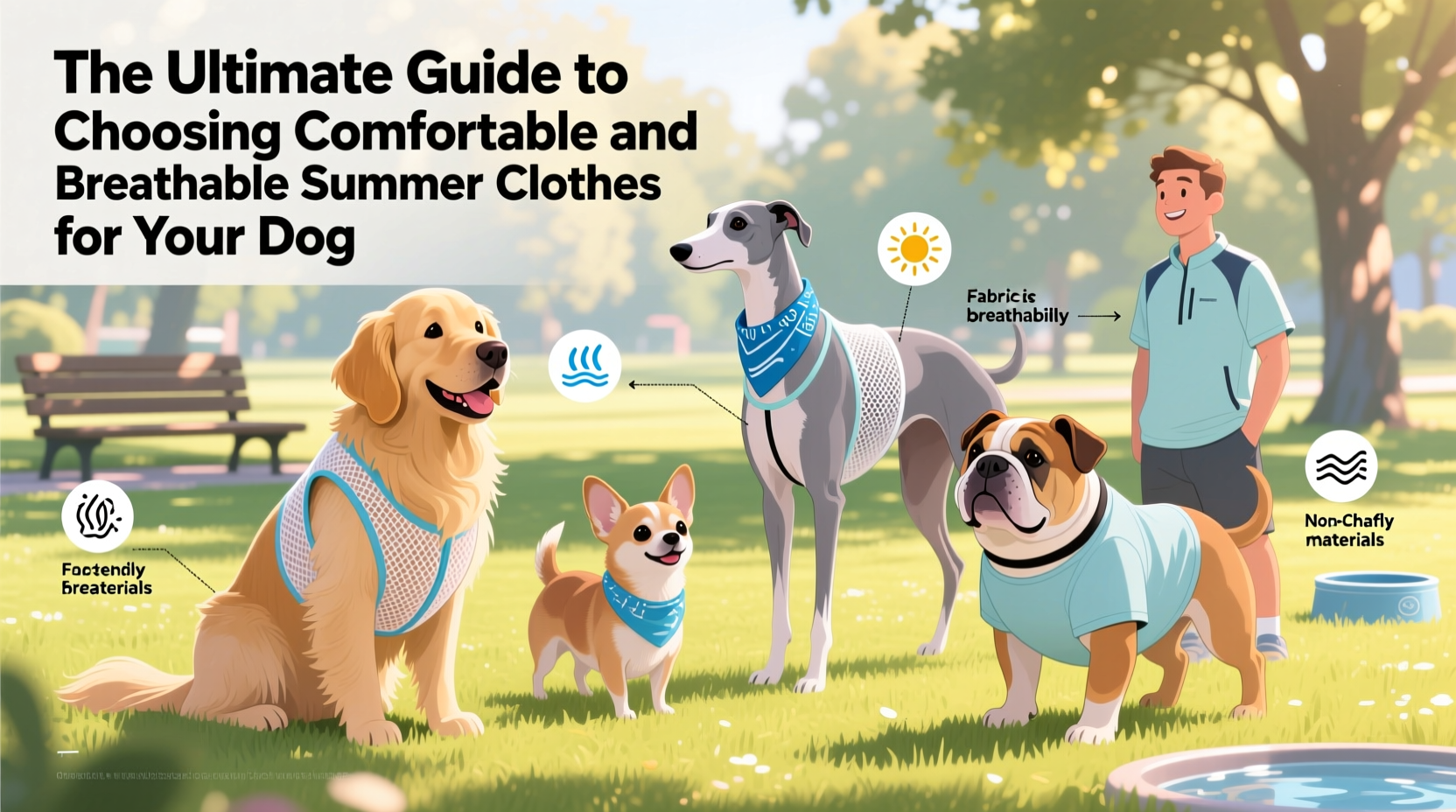
While most dogs rely on panting to cool down, this method becomes less effective in high humidity or prolonged heat exposure. Overheating can lead to heatstroke, a life-threatening condition. Certain breeds are especially vulnerable: brachycephalic dogs like Bulldogs and Pugs struggle with airflow, while double-coated breeds such as Huskies and Malamutes retain more heat. Additionally, dogs with light-colored fur or thin hair—like Dalmatians or Boxers—are prone to sunburn, particularly on their noses, ears, and bellies.
Well-designed summer apparel can mitigate these risks. A breathable cooling vest, UV-protective shirt, or lightweight harness cover can shield sensitive skin, reflect sunlight, and even support evaporative cooling. However, poorly chosen clothing can do more harm than good—trapping heat, restricting movement, or causing chafing. The goal is to strike a balance between protection and ventilation.
“Apparel should never compromise thermoregulation. If a garment prevents your dog from cooling efficiently, it defeats its purpose.” — Dr. Lena Torres, Veterinary Dermatologist
Key Features of Comfortable, Breathable Summer Wear
Not all dog clothes are created equal. When shopping for summer-specific garments, focus on materials, cut, and functionality. Here are the essential qualities to look for:
- Moisture-wicking fabrics: Materials like bamboo, organic cotton, and mesh blends draw sweat away from the skin, helping prevent irritation and overheating.
- UV protection: Look for UPF (Ultraviolet Protection Factor) ratings. UPF 30+ blocks over 96% of harmful UV rays, crucial for dogs with light pigmentation.
- Lightweight construction: Avoid heavy stitching, linings, or synthetic coatings. Garments should feel almost weightless when held.
- Ventilation zones: Strategic mesh panels under the chest, along the back, or near the neck improve airflow where it's needed most.
- Freedom of movement: The fit should allow full range of motion without riding up or shifting during activity.
Material Comparison: What Works Best in Heat
| Material | Breathability | Durability | Cooling Effect | Best For |
|---|---|---|---|---|
| Bamboo Fiber | ★★★★★ | ★★★☆☆ | High – naturally moisture-wicking | Sensitive skin, hot climates |
| Organic Cotton | ★★★★☆ | ★★★☆☆ | Moderate – absorbs sweat but dries slowly | Casual wear, short walks |
| Polyester Mesh | ★★★★★ | ★★★★☆ | High – excellent airflow | Active dogs, outdoor adventures |
| Nylon | ★★☆☆☆ | ★★★★★ | Low – traps heat unless ventilated | Rainwear or layered use only |
| TENCEL™ Lyocell | ★★★★★ | ★★★★☆ | Very high – biodegradable & cooling | Eco-conscious owners |
Among these, bamboo and TENCEL™ stand out for combining sustainability with superior thermal regulation. Polyester mesh remains a top choice for active dogs due to its resilience and airflow, though it may lack softness for long-term wear.
Step-by-Step: How to Choose the Right Summer Outfit
- Assess your dog’s needs: Is your dog going hiking, lounging at home, or attending an outdoor event? Consider duration, sun exposure, and activity level.
- Measure accurately: Use a soft tape measure around the neck, chest (widest point), and length from base of neck to tail. Refer to brand-specific size charts—never guess.
- Select the garment type:
- Cooling vests for extended outdoor time
- UV-protective shirts for beach or park visits
- Light harness covers for everyday walks
- Check fit and comfort: Once dressed, observe your dog for 10–15 minutes. Ensure there’s no pulling, scratching, or restricted breathing.
- Monitor during use: Remove clothing after 2–3 hours unless designed for extended wear. Watch for signs of discomfort like excessive panting or restlessness.
A Real-Life Example: Managing Summer Walks in Arizona
Meet Max, a 4-year-old Golden Retriever living in Phoenix, where summer temperatures regularly exceed 110°F (43°C). His owner, Sarah, noticed Max becoming lethargic during evening walks despite avoiding peak sun. After consulting her vet, she learned that Max’s dense undercoat was trapping heat even after shedding season.
Sarah invested in a lightweight bamboo mesh shirt with UPF 50+ and introduced it slowly over two weeks. She paired it with a portable cooling bandana soaked in cold water. Within days, Max showed increased stamina and enthusiasm during walks. By combining breathable clothing with smart timing—walking early morning and providing shaded rest stops—Sarah successfully managed Max’s summer comfort without compromising his routine.
Common Mistakes to Avoid
- Overdressing: One layer is enough. Adding multiple items restricts airflow and increases heat retention.
- Ignoring fit changes: Dogs lose or gain weight seasonally. Re-measure every few months.
- Using winter fabrics in summer: Fleece, wool, or lined materials have no place in warm weather.
- Leaving clothes on overnight: Prolonged wear can cause skin irritation or pressure sores.
- Skipping washes: Sweat and dirt buildup can lead to rashes. Wash after every 2–3 uses with mild, fragrance-free detergent.
Frequently Asked Questions
Do dogs really need clothes in summer?
Not all dogs do, but certain ones benefit significantly. Senior dogs, puppies, breeds with thin coats, or those with medical conditions (like lupus or allergies) often need protection from sun and heat. If your dog spends time outdoors during peak sun hours, consider lightweight, functional clothing as part of their care routine.
Can dog clothes cause overheating?
Yes—especially if made from non-breathable materials like nylon or neoprene. Always opt for loose-fitting, ventilated designs. Never use insulated or waterproof jackets unless it’s raining. If your dog starts panting heavily or seems agitated after dressing, remove the garment immediately.
How do I clean summer dog clothes?
Hand wash or use a gentle machine cycle with cold water and hypoallergenic detergent. Avoid fabric softeners—they can clog fibers and reduce breathability. Air dry flat to maintain shape and prevent shrinkage.
Final Checklist Before Buying
- ✅ Measure your dog’s chest, neck, and back length
- ✅ Choose natural or mesh-based breathable fabric
- ✅ Confirm UPF rating if sun exposure is expected
- ✅ Check seam placement—avoid inner-leg or armpit stitching
- ✅ Read return policy—fit issues are common
- ✅ Review washing instructions for long-term maintenance
Stay Smart, Stay Cool
Choosing the right summer clothing for your dog goes beyond aesthetics—it’s an act of responsible pet care. With rising global temperatures and longer heatwaves, proactive measures matter more than ever. By prioritizing breathability, fit, and function, you ensure your dog stays safe, comfortable, and happy during the hottest months. Whether you're strolling through the neighborhood or exploring trails, the right gear makes all the difference.
💬 Have a favorite summer dog outfit or cooling tip? Share your experience below and help fellow pet parents beat the heat!