When it comes to trailing succulents that bring life, texture, and movement to indoor spaces, two names consistently stand out: String of Pearls (Curio rowleyanus) and String of Fruit Salad (commonly called String of Fruit Basket). While both are popular choices for hanging baskets, they differ significantly in appearance, care requirements, and visual impact. Choosing between them isn’t just about preference—it’s about matching the plant to your lifestyle, light conditions, and interior design goals.
Understanding these differences helps ensure long-term success and satisfaction with your living decor. Whether you're a seasoned plant parent or just beginning your indoor gardening journey, this guide breaks down everything you need to know to make an informed decision.
Appearance and Visual Impact
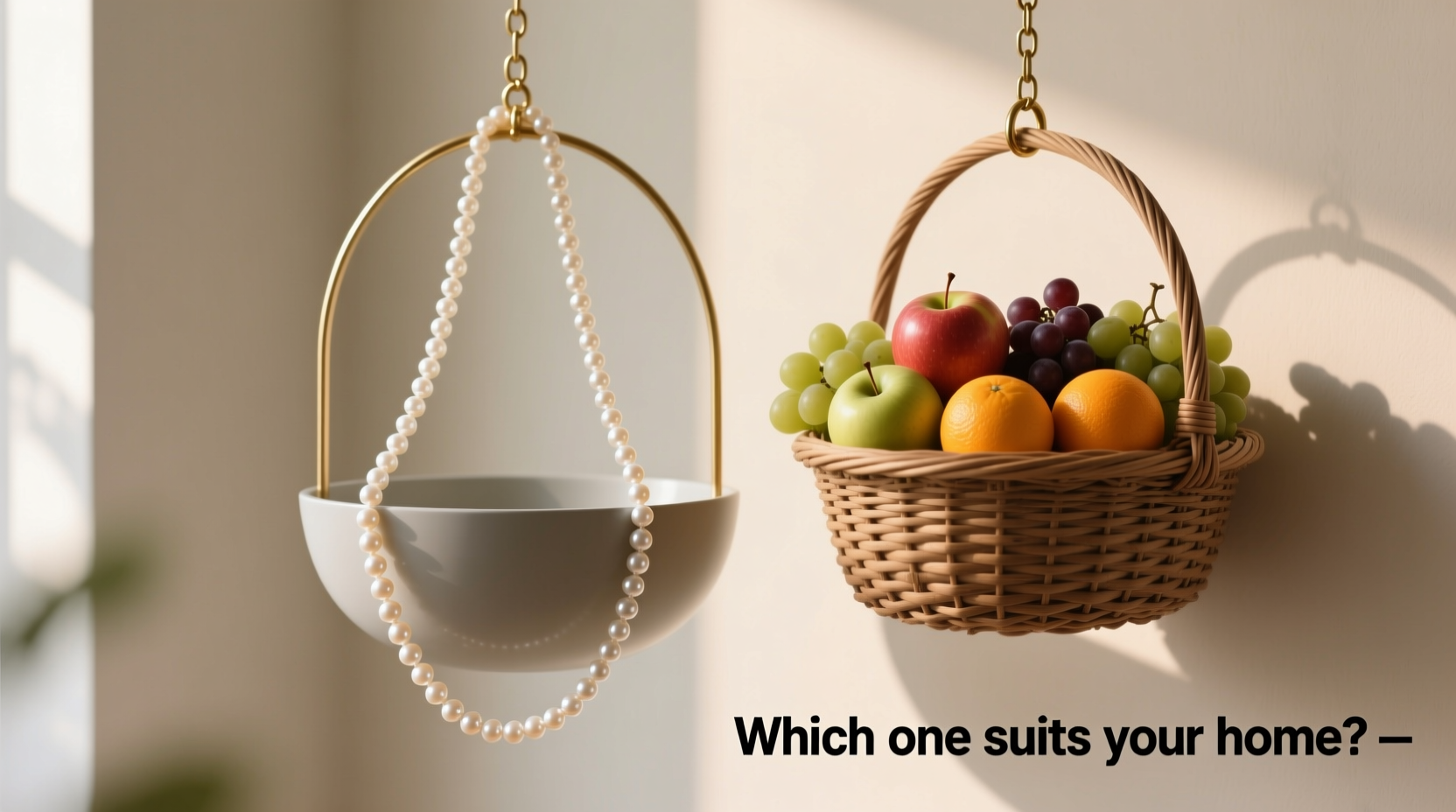
The first thing most people notice about these plants is how they look. Aesthetics play a major role in plant selection, especially when used as decorative elements in kitchens, bathrooms, or near windows.
String of Pearls features small, spherical leaves that resemble tiny green beads strung together like a garland. The stems trail gracefully, often cascading several feet when mature. When grown well, it creates a lush, flowing effect reminiscent of a waterfall of emerald orbs. In rare cases, it produces small, daisy-like white flowers with a faint cinnamon scent.
In contrast, String of Fruit Basket—a nickname for a hybrid mix often including Curio radicans, pellucida, and other variegated forms—displays more variety. Its foliage includes bean-shaped, spoon-like, or even slightly tubular leaves in combinations of green, purple, silver, and yellow. Some cultivars have pink or red tinges under bright light, giving them a candy-like appearance. This diversity earns it the “fruit salad” moniker, suggesting a colorful medley rather than uniformity.
“Trailing succulents add dimension and softness to modern interiors. The choice between uniform elegance and eclectic vibrancy often defines the room’s mood.” — Lila Chen, Interior Botanical DesignerTip: Place either plant in a macramé hanger near a bright window to maximize visual impact while keeping them safely out of reach from pets.
Care Requirements Compared
Both plants thrive in similar environments but respond differently to variations in watering, light, and humidity. Knowing their specific needs prevents common issues like root rot, leggy growth, or leaf drop.
| Care Factor | String of Pearls | String of Fruit Basket |
|---|---|---|
| Light Needs | Bright, indirect light; tolerates some morning sun | High light required; prefers direct sun for color development |
| Watering Frequency | Very infrequent; let soil dry completely between waterings | Moderate; allow top inch to dry before rewatering |
| Humidity Tolerance | Low; thrives in dry air | Low to moderate; adapts well to average home conditions |
| Growth Speed | Slow to moderate | Moderate to fast, depending on cultivar |
| Pet Safety | Toxic if ingested (cats/dogs) | Generally toxic; avoid pet access |
String of Pearls is notoriously sensitive to overwatering. Its spherical leaves store moisture efficiently, making it prone to bursting or turning mushy if saturated too frequently. It also tends to become leggy if not given enough light, losing its dense, beaded charm.
String of Fruit Basket varieties generally tolerate slightly more frequent watering and adapt better to varying light conditions—though they still demand excellent drainage. Their varied genetics mean some perform better indoors than others, so sourcing from a reputable grower matters.
Space and Placement Considerations
Your available space and intended display location should heavily influence your choice.
String of Pearls works beautifully in high-hanging planters where its delicate stems can drape without obstruction. Because it grows slowly and remains relatively slender, it suits compact areas like bathroom shelves, above cabinets, or in sunrooms with controlled foot traffic. However, because its stems are fragile, it shouldn't be placed where children or pets might brush against it.
String of Fruit Basket often spreads wider and fuller, sometimes developing bushier growth patterns. This makes it ideal for larger baskets or corner displays where it can fill vertical space dynamically. If you’re aiming for a bold statement piece—say, beside a reading nook or framing a mirror—the fruit basket’s color variation offers greater visual interest.
Mini Case Study: Urban Apartment Balcony Revamp
Sophie, a graphic designer in Seattle, wanted to enhance her small balcony without cluttering floor space. She initially chose String of Pearls for three hanging pots. Within months, she noticed browning stems and sparse growth despite regular watering. After consulting a local nursery, she learned her north-facing balcony didn’t provide enough intense light.
She replaced two of the plants with variegated String of Fruit Basket cultivars known for lower light tolerance. These adapted quickly, showing vibrant hues under filtered daylight. The third pot remained with a dwarf succulent instead. Her revised setup now thrives year-round, proving that microclimate compatibility trumps aesthetic preference alone.
Step-by-Step Guide to Choosing the Right Plant
Follow this simple process to determine which hanging succulent fits your environment best:
- Evaluate your light exposure: Use a light meter app or observe shadow clarity. Bright, sharp shadows = high light (good for fruit basket). Soft, blurry shadows = medium light (better for string of pearls).
- Assess foot traffic: If kids or pets pass beneath frequently, consider safer alternatives—or elevate beyond reach.
- Check your watering habits: Do you forget plants for weeks? String of pearls may survive better. Are you attentive and consistent? Fruit basket types will reward care with vivid colors.
- Determine desired aesthetic: Minimalist, zen-inspired spaces benefit from the uniformity of string of pearls. Eclectic, bohemian rooms gain energy from the playful tones of fruit basket mixes.
- Test soil and container: Ensure both use fast-draining cactus/succulent mix and pots with drainage holes. Terracotta enhances drying, reducing rot risk.
Frequently Asked Questions
Can I grow string of pearls and fruit basket together in one basket?
Possibly, but not recommended. They have different growth rates and water needs. The fruit basket may outcompete the slower string of pearls, leading to imbalanced growth and inconsistent moisture levels.
Why are my string of pearls turning yellow?
Yellowing usually indicates overwatering or poor drainage. Let the soil dry completely, trim damaged stems, and repot into a gritty mix if necessary. Also check for root rot by gently removing the plant from its pot.
Do these plants bloom indoors?
String of Pearls can produce small, fluffy white flowers with a sweet fragrance when mature and well-lit. Fruit basket types rarely flower indoors, though possible under optimal greenhouse-like conditions.
Final Tips for Long-Term Success
- Rotate the basket every few weeks to promote even growth.
- Pinch back tips occasionally to encourage branching and fullness.
- Avoid misting—these succulents prefer dry foliage.
- Fertilize lightly once in spring with diluted succulent feed.
- Watch for mealybugs, especially in leaf crevices; treat early with rubbing alcohol swabs.
Conclusion
Choosing between String of Pearls and String of Fruit Basket isn’t about which is objectively better—it’s about alignment with your home and habits. The String of Pearls brings serene elegance and sculptural simplicity, perfect for minimalist settings and hands-off caretakers. The String of Fruit Basket delivers dynamic color and faster growth, ideal for those who enjoy observing change and aren’t afraid of slightly more involved care.
Whichever you choose, both offer unmatched beauty in suspended form. Start by assessing your space honestly, then select the plant that matches not just your taste, but your daily rhythm. With the right match, your hanging basket won’t just survive—it’ll become a living centerpiece that evolves with your home.
💬 Which trailing succulent do you prefer—and why? Share your experiences, photos, or care hacks with our community to inspire fellow plant lovers!








