Plastic outdoor furniture is a popular choice for patios, decks, and poolside areas due to its durability, affordability, and low maintenance. However, prolonged exposure to sunlight, moisture, dirt, and temperature fluctuations often leads to fading, discoloration, and a chalky surface texture. While many assume faded plastic means it’s time to replace the set, most pieces can be restored to near-original condition with the right approach. This comprehensive guide walks through every stage of the restoration process—from assessment to long-term protection—so you can breathe new life into your outdoor space without breaking the bank.
Why Plastic Outdoor Furniture Fades
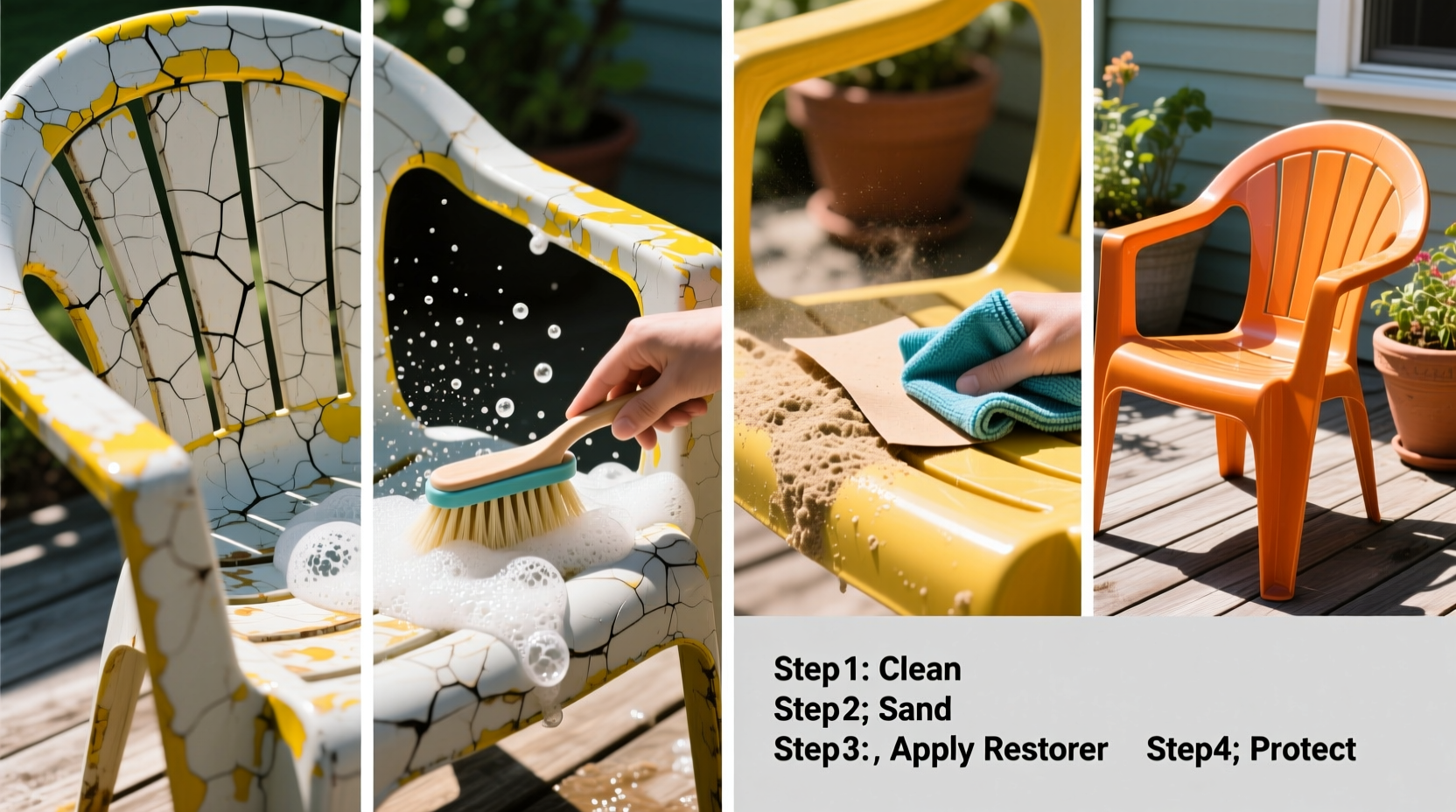
UV radiation from the sun is the primary culprit behind fading plastic furniture. Over time, ultraviolet rays break down the polymer structure and degrade color pigments in polypropylene, polyethylene, or recycled plastics commonly used in outdoor sets. This results in a dull, yellowed, or grayish appearance. Environmental factors like tree sap, bird droppings, mold, and salt spray (in coastal areas) accelerate deterioration. Even high-quality UV-stabilized plastics will fade eventually if not properly maintained.
Understanding the type of plastic helps determine the best restoration method. Most consumer-grade outdoor furniture is made from:
- Polyethylene (HDPE/LDPE): Often used in resin wicker or solid chairs; flexible and impact-resistant.
- Polypropylene: Common in stackable chairs; lightweight but prone to UV degradation.
- Recycled plastic lumber: Durable, wood-like boards used in benches; resists rot but fades over time.
“Most plastic outdoor furniture loses up to 60% of its original color intensity within three years if left unprotected. But restoration can reverse visible aging significantly.” — Dr. Lena Torres, Polymer Degradation Specialist, Materials Research Institute
Assessing the Condition: Is Restoration Possible?
Before investing time and effort, evaluate whether your furniture can be realistically restored. Minor to moderate fading, surface grime, and light chalking are fully treatable. However, deep structural cracks, warping, or severe brittleness indicate material fatigue beyond repair.
Tip: Perform a fingernail test—press your nail into an inconspicuous area. If it leaves a dent or flakes appear, the plastic may be too degraded to restore safely.Checklist for restorability:
- No major cracks or splits in load-bearing areas
- Surface is intact, not peeling or flaking excessively
- No strong odor of chemical breakdown (a vinegar-like smell indicates advanced degradation)
- Structural joints remain firm and stable
Step-by-Step Restoration Process
Restoring faded plastic furniture involves cleaning, revitalizing, and protecting the surface. Follow this detailed timeline for optimal results.
- Preparation (Day 1 – 30 minutes)
Move furniture to a shaded, well-ventilated workspace. Remove cushions and hardware. Sweep off loose debris with a soft brush. - Deep Cleaning (Day 1 – 1 hour)
Mix a solution of warm water and mild dish soap. Use a microfiber cloth or soft nylon brush to scrub all surfaces. For stubborn stains or mildew, apply a 1:4 vinegar-water solution or oxygen-based cleaner (avoid chlorine bleach, which accelerates fading). Rinse thoroughly with a garden hose. - Drying (Day 1 – 2–4 hours)
Allow pieces to air dry completely. Do not proceed until all moisture has evaporated, as trapped water can interfere with restoration products. - Surface Renewal (Day 2 – 1.5 hours)
Apply a plastic restorer product containing polymers and UV inhibitors (e.g., 303 Marine Restorer, Meguiar's PlastX). Using a foam applicator pad, work the product in circular motions across one section at a time. Let it haze for 3–5 minutes, then buff gently with a lint-free cloth. Repeat if needed for heavily faded areas. - Optional: Color Enhancement (Day 2 or 3)
For severely discolored white or colored plastic, consider using a dedicated plastic dye or paint formulated for polyolefins. Clean again before application. Spray or brush on thin, even coats, allowing full drying between layers. Always test in a hidden spot first. - Sealing & Protection (Day 3 – 30 minutes)
Once restored, apply a UV-blocking sealant such as 303 Aerospace Protectant. This creates a sacrificial layer that shields against future sun damage. Reapply every 3–6 months depending on sun exposure.
Real Example: Reviving a Faded Patio Set
Sarah from Austin, Texas, had a white polyethylene dining set that turned yellow after four summers under direct sun. The chairs were structurally sound but looked worn. She followed the cleaning protocol using dish soap and vinegar, then applied 303 Marine Restorer. After two applications spaced a week apart, the set regained its bright white finish. She now reapplies the protectant every four months and covers the set during peak summer weeks. Two years later, the furniture still looks nearly new.
Do’s and Don’ts of Plastic Furniture Care
| Do’s | Don’ts |
|---|---|
| Use pH-neutral cleaners | Use abrasive pads or steel wool |
| Clean regularly to prevent buildup | Leave furniture exposed to rain year-round |
| Apply UV-protective coatings seasonally | Use household degreasers or oven cleaners |
| Store indoors or cover during winter | Pressure wash above 1,500 PSI |
| Inspect annually for early signs of wear | Paint with non-flexible acrylics |
Long-Term Maintenance Strategies
Restoration isn’t a one-time fix—it’s part of an ongoing care cycle. To extend the lifespan of your plastic furniture, adopt preventive habits:
- Seasonal cleaning: Deep clean once per season, especially before and after winter or rainy periods.
- Protective covers: Use breathable, waterproof covers when furniture is unused for more than a few days.
- Shade positioning: Place furniture under awnings, umbrellas, or pergolas to reduce direct UV exposure.
- Rotate usage: Swap positions occasionally so no single piece bears constant sun or wind exposure.
For commercial or high-use settings (e.g., restaurants, rental properties), consider scheduling professional restoration every 18–24 months to maintain appearance and safety standards.
Frequently Asked Questions
Can I use car wax on plastic outdoor furniture?
No. Automotive waxes are designed for painted metal and glass, not porous plastic. They may leave streaks, attract dust, or degrade the surface over time. Use only products specifically labeled for plastic or marine vinyl.
How often should I reapply the UV protectant?
In moderate climates, reapply every 4–6 months. In high-sun regions (e.g., Southwest U.S., Mediterranean), reapply every 2–3 months. You’ll notice the surface starting to feel dry or look dull—that’s a sign it’s time to refresh.
Is it safe to pressure wash plastic furniture?
Only with caution. Use a wide-angle nozzle and keep the pressure below 1,500 PSI. Hold the wand at least 12 inches away and avoid direct spraying on seams or joints. Excessive pressure can force water into internal cavities, leading to mold growth or cracking.
Alternative Methods and DIY Options
While commercial restorers yield the best results, some homeowners prefer natural or budget-friendly alternatives:
- Baking soda paste: Mix with water to form a thick slurry. Gently scrub on stained or faded areas. Effective for light oxidation but not deep UV damage.
- Mayonnaise trick: The oils in mayo can temporarily revive chalky surfaces. Apply a thin layer, let sit 10 minutes, then wipe off. Works best on white plastic but requires sealing afterward.
- Heat revival (advanced): Using a heat gun on low setting, gently pass over the surface to slightly melt the top polymer layer. This must be done carefully to avoid warping and is recommended only for experienced users.
These methods offer short-term improvements but lack the longevity and UV protection of professional-grade products. They’re best suited for minor touch-ups or temporary fixes.
Conclusion: Restore, Protect, Enjoy
Restoring faded plastic outdoor furniture is a practical, eco-conscious alternative to replacement. With a modest investment in time and materials, you can transform weathered pieces into vibrant, functional additions to your outdoor living space. The key lies in thorough cleaning, proper restoration techniques, and consistent protection against the elements. By following this guide, you’re not just improving aesthetics—you’re extending the usable life of your furniture, reducing waste, and preserving your outdoor investment.
💬 Have you restored your outdoor furniture? Share your experience, product recommendations, or before-and-after insights in the comments. Your tips could help others bring their patio back to life!








