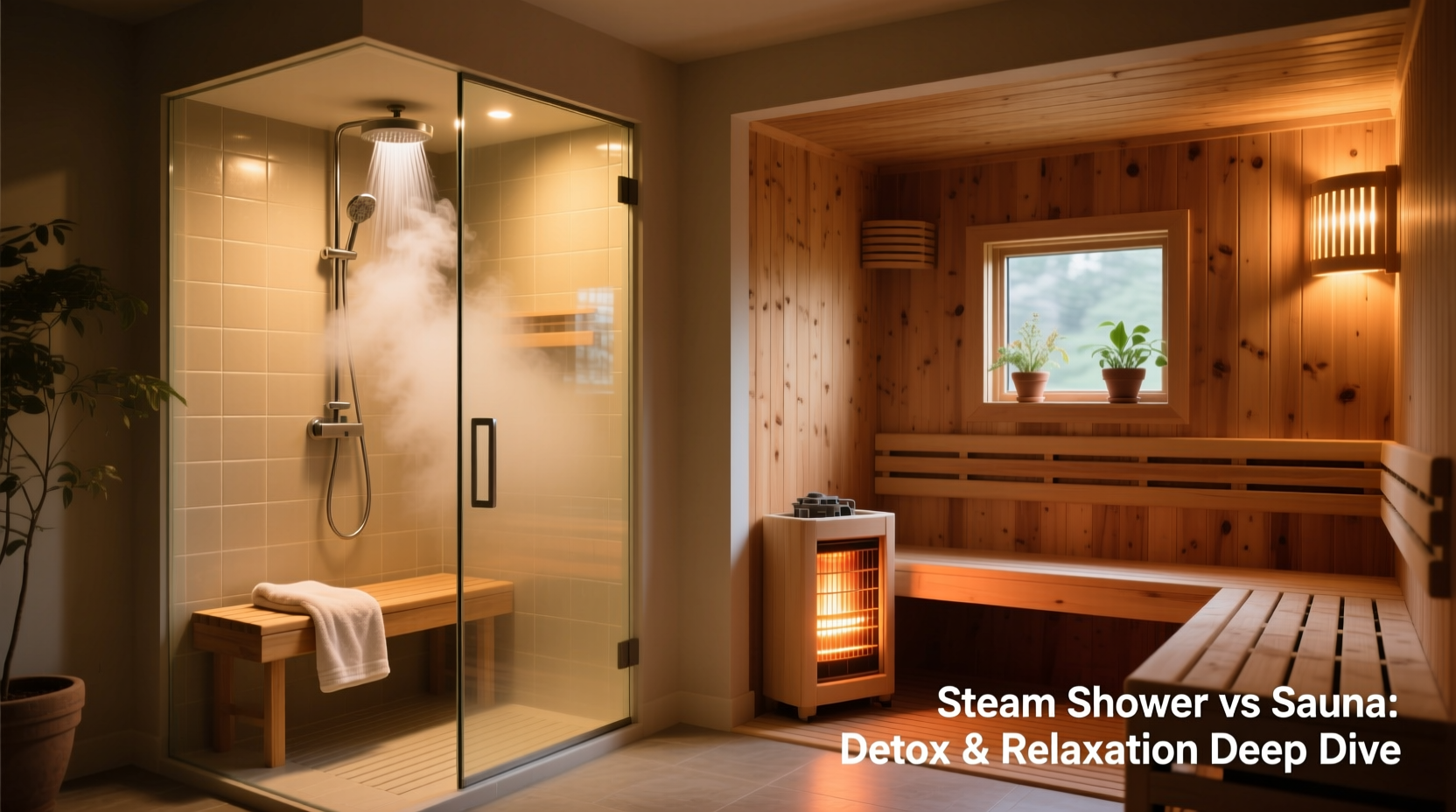
As interest in holistic wellness grows, many homeowners are investing in personal relaxation spaces—specifically steam showers and saunas. Both offer deep relaxation and are widely believed to support detoxification, but they operate through different mechanisms and deliver distinct physiological effects. Choosing between a steam shower and a sauna isn’t just about preference; it’s about understanding how each impacts your body, mind, and long-term health.
The debate isn't merely one of tradition versus modernity—it's rooted in temperature, humidity, circulation, and the body’s natural response to heat stress. While both modalities promote sweating, improve circulation, and reduce muscle tension, their approach to achieving these benefits varies significantly. This article breaks down the science, compares practical outcomes, and helps you determine which option offers deeper detoxification and relaxation in a home setting.
How Heat Therapy Supports Detoxification and Relaxation
Before comparing steam showers and saunas, it's essential to understand what \"detoxification\" means in this context. The liver and kidneys are the body’s primary detox organs, but heat therapy supports secondary elimination pathways—mainly through sweat. Sweating removes trace amounts of heavy metals, urea, and environmental toxins like BPA and phthalates, according to research published in the Journal of Environmental and Public Health.
Relaxation, on the other hand, is achieved through multiple systems: lowering cortisol (the stress hormone), increasing endorphins, and stimulating parasympathetic nervous system activity. Heat exposure triggers vasodilation—widening of blood vessels—which improves oxygen delivery and reduces muscular tension. Over time, consistent use can enhance sleep quality, reduce anxiety, and support cardiovascular resilience.
“Regular thermal therapy, whether moist or dry, can significantly improve autonomic balance and reduce systemic inflammation.” — Dr. Lena Torres, Integrative Medicine Specialist
Steam Showers: Moist Heat for Deep Penetration
A steam shower uses a generator to fill an enclosed space with hot, humid air—typically between 110°F and 120°F (43–49°C) at near 100% humidity. This environment creates a gentle yet pervasive form of heat that penetrates skin and soft tissues without overwhelming the cardiovascular system.
The high moisture content softens the skin, opens pores, and loosens mucus in the respiratory tract, making steam showers particularly beneficial for people with sinus congestion, allergies, or mild asthma. Because the heat is less intense than in a sauna, sessions can last longer—often 20 to 30 minutes—allowing for sustained sweating and gradual relaxation.
From a detox perspective, steam encourages profuse sweating due to prolonged exposure. Although individual sweat volume may be lower than in a sauna, the extended duration compensates, potentially leading to comparable toxin elimination over time. Additionally, steam enhances lymphatic drainage indirectly by improving circulation and reducing fluid retention.
Tip: Add eucalyptus or lavender essential oils to your steam shower reservoir for enhanced respiratory and mental relaxation.Benefits of Steam Showers
- Hydrates and softens skin during use
- Supports respiratory health
- Gentle on the heart and ideal for beginners
- Promotes longer, more meditative sessions
- Helps clear sinuses and reduce congestion
Saunas: Dry Heat for Intense Thermal Stress
Saunas—especially traditional Finnish saunas—operate at much higher temperatures, typically between 160°F and 200°F (71–93°C), with low humidity (10–20%). This dry heat rapidly raises core body temperature, inducing a stronger cardiovascular response and more immediate sweating.
The intensity of a sauna session usually limits duration to 10–15 minutes per round, often followed by cooling periods (e.g., cold showers or plunges). This contrast therapy amplifies circulation, strengthens vascular function, and boosts metabolic rate. Studies from Finland have linked regular sauna use to reduced risk of cardiovascular disease, neurodegenerative conditions, and all-cause mortality.
In terms of detoxification, saunas induce rapid, copious sweating. Research shows that sweat produced in dry heat contains higher concentrations of heavy metals like cadmium, lead, and mercury compared to normal perspiration. This suggests saunas may offer a more potent pathway for eliminating certain stored toxins—particularly lipophilic (fat-soluble) compounds that accumulate in adipose tissue.
Types of Saunas Commonly Used at Home
- Traditional Wood-Burning Sauna: Authentic experience with natural heat; requires ventilation and outdoor placement or special indoor setup.
- Electric Sauna: Most common for homes; heats quickly and maintains consistent temperature.
- Infrared Sauna: Uses radiant heat to warm the body directly rather than the air; operates at lower temps (120–150°F) but penetrates deeper into tissues.
“Infrared saunas provide a unique advantage: they elevate core temperature more efficiently while minimizing strain on the respiratory system.” — Dr. Rajiv Mehta, Functional Medicine Practitioner
Direct Comparison: Steam Shower vs Sauna
| Feature | Steam Shower | Sauna |
|---|---|---|
| Temperature Range | 110–120°F (43–49°C) | 160–200°F (71–93°C) |
| Humidity Level | Near 100% | 10–20% |
| Session Duration | 20–30 minutes | 10–15 minutes (per round) |
| Sweat Volume & Toxin Removal | Moderate, sustained sweating; effective for water-soluble toxins | High-volume, rapid sweating; superior for heavy metals and fat-soluble toxins |
| Cardiovascular Load | Low to moderate | Moderate to high |
| Respiratory Impact | Positive—opens airways, soothes sinuses | Dry heat may irritate sensitive lungs |
| Skin Effects | Hydrating, pore-cleansing | Drying if not moisturized post-session |
| Ideal For | Chronic congestion, sensitive individuals, relaxation seekers | Detox enthusiasts, athletes, cardiovascular conditioning |
Real-World Example: Sarah’s Wellness Journey
Sarah, a 42-year-old marketing executive from Portland, struggled with chronic fatigue, poor sleep, and seasonal allergies. After consulting a functional medicine doctor, she installed a steam shower in her master bathroom. Within six weeks of daily 25-minute sessions, she reported clearer breathing, improved skin clarity, and deeper sleep. “I used to wake up congested every morning,” she said. “Now I breathe easier throughout the night.”
After three months, her practitioner suggested adding infrared sauna sessions twice weekly to boost detoxification. She began alternating: steam on weekdays for relaxation, infrared sauna on weekends for deep cleansing. Blood tests six months later showed reduced inflammatory markers and improved liver enzyme levels. Her experience highlights how combining both modalities—when appropriate—can yield synergistic benefits.
Step-by-Step Guide to Choosing the Right Option for You
- Assess Your Health Goals: Are you focused on relaxation and respiratory health? Lean toward a steam shower. Prioritizing detox and cardiovascular fitness? Consider a sauna.
- Evaluate Physical Tolerance: If you have hypertension, heart conditions, or heat sensitivity, consult your physician. Steam is generally gentler.
- Consider Space and Installation: Steam showers require waterproof enclosures and vapor barriers; saunas need proper ventilation and electrical setups. Measure available square footage and check HVAC compatibility.
- Budget Realistically: A full-featured steam shower can cost $5,000–$15,000. Prefab saunas range from $2,000–$8,000; custom builds exceed $10,000.
- Test Before You Invest: Visit spas or wellness centers offering both experiences. Note how your body responds—do you feel invigorated or drained afterward?
- Plan Usage Frequency: Can you commit to 3–5 sessions weekly? Consistency matters more than intensity for long-term benefits.
Frequently Asked Questions
Can steam showers really detoxify the body?
Yes, though not as intensely as saunas. Steam promotes sweating and improves circulation, helping eliminate water-soluble toxins like urea and sodium. It also supports lymphatic flow and skin health, contributing to overall detox capacity.
Which is safer for daily use—steam shower or sauna?
Steam showers are generally safer for daily use due to lower temperatures and reduced cardiovascular strain. Saunas, especially traditional ones, should be limited to 3–4 times per week unless under medical supervision. Infrared saunas may allow more frequent use due to milder operating temps.
Do I need both a steam shower and a sauna at home?
Not necessarily. However, some wellness-focused homeowners install both to take advantage of complementary benefits. Use steam for nightly wind-down routines and sauna for weekly deep detox sessions. This hybrid approach maximizes versatility.
Action Plan: How to Get Started at Home
Whether you choose a steam shower or sauna, success depends on integration into your lifestyle. Here’s a checklist to ensure a smooth transition:
- ✅ Consult with a contractor experienced in bathroom or wellness installations
- ✅ Confirm electrical and plumbing requirements (especially for steam generators)
- ✅ Choose non-porous, mold-resistant materials (e.g., ceramic tile, glass, cedar wood)
- ✅ Install proper ventilation to prevent moisture buildup and mold
- ✅ Set a schedule: aim for 3–5 sessions per week for optimal results
- ✅ Track your symptoms: energy levels, sleep quality, skin condition, mood
- ✅ Combine with hydration, stretching, or meditation for enhanced effects
Final Verdict: Which Offers Deeper Detoxification and Relaxation?
If the goal is **maximum detoxification**, the evidence favors the **sauna**—particularly infrared or traditional models. Higher core temperature elevation, greater sweat volume, and proven excretion of heavy metals give saunas an edge in flushing stored toxins from fat and tissues.
However, when it comes to **deep, sustainable relaxation**, the **steam shower** excels. Its soothing warmth, respiratory benefits, and compatibility with aromatherapy create a spa-like sanctuary ideal for unwinding after a long day. It’s also more accessible for older adults, those with joint pain, or anyone sensitive to extreme heat.
Ultimately, neither option is universally superior. The best choice aligns with your physiology, health goals, and living environment. Some individuals thrive with alternating protocols: using a steam shower for nightly calm and reserving the sauna for intensive biweekly detox sessions.
Conclusion
Deciding between a steam shower and a sauna at home isn’t about picking the “best” technology—it’s about matching the right tool to your personal wellness journey. Both offer profound benefits, backed by science and centuries of therapeutic tradition. By understanding how each affects detoxification and relaxation, you can make an informed decision that enhances your health for years to come.
🚀 Ready to transform your self-care routine? Start by trying both experiences locally, then design a home solution that fits your needs. Share your journey or ask questions in the comments—your insights could inspire others on the path to better well-being.